Cumbria (the Lake District, Carlisle & rain!)
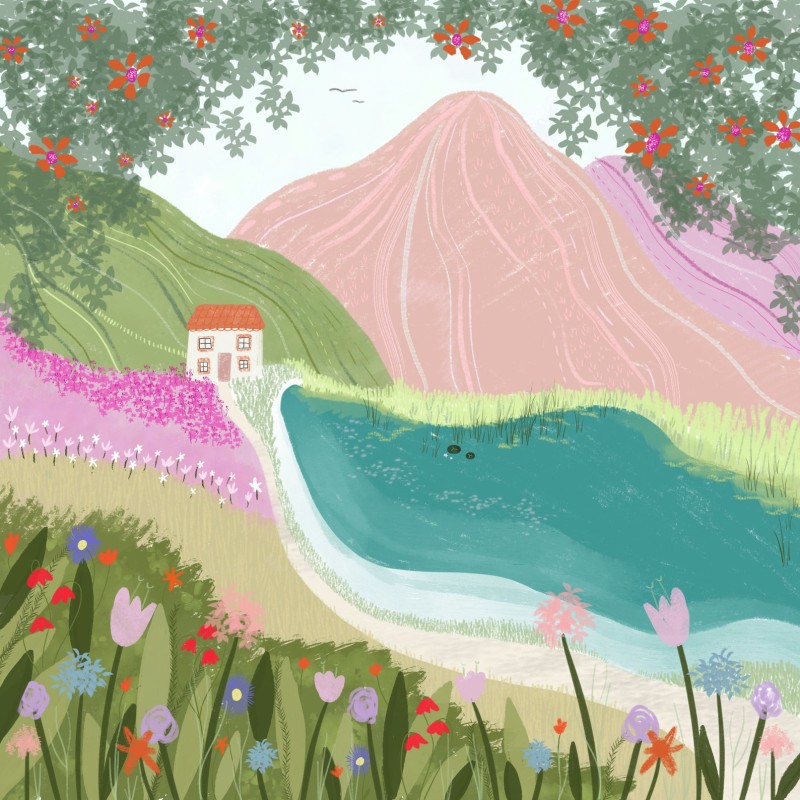
Cumbria is a large and mostly rural county, much of it taken up by the Lake District. But there is also one city, charming market towns and a small coastline on Morecambe Bay.
Always follow the Countryside Code to keep all creatures safe. Keep dogs away from steep banks, mushrooms (and toxic plants/trees) and on leads near birds, barnyard friends and wild ponies.
If at the nearby coast, keep away from nesting birds and never walk on sand dunes. Learn how to keep dogs safe by the seaside (check beach bans before travel).
How to upright an overturned sheep
Pregnant sheep (and sometimes due to wool waterlogged from rain) can sometimes roll over onto their backs, and can’t get back upright, due to having four stomach chambers (so will die if not turned back upright).
If you see a sheep on its back, just firmly right it back, then stay with it, until rain has drained off, so it won’t happen again. Then inform your local farmer.
Ulverston (a charming Cumbrian market town)
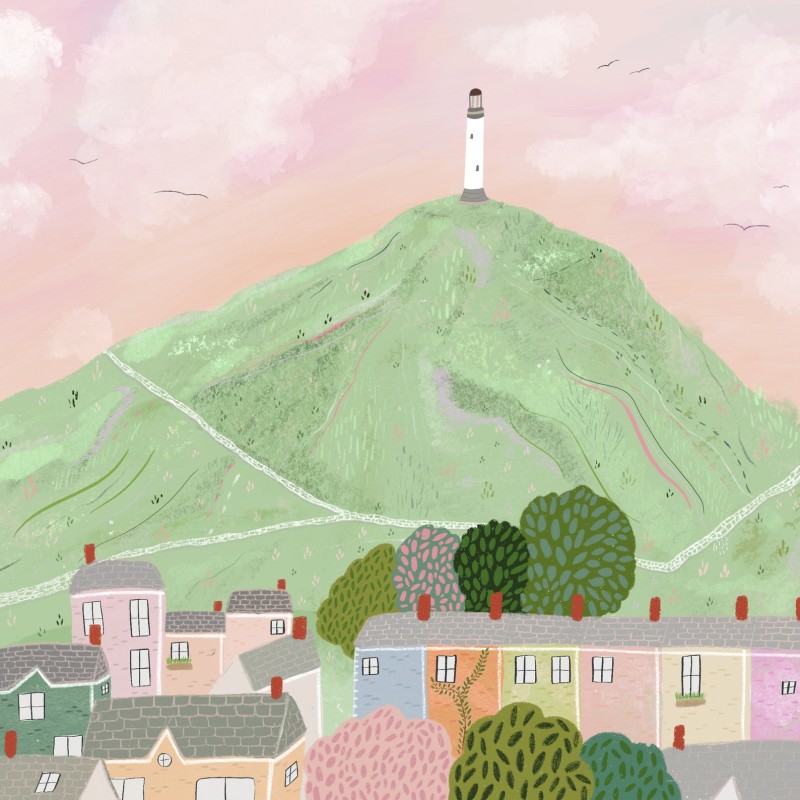
Ulverston is a charming market town located in the county of Cumbria, one of the few places that is not really in the Lake District National Park.
Birthplace of the Quaker Movement
The Quakers are a peaceful society of friends, and it was here that George Fox began the movement. He lived with wife (10 years his senior – a widow with several children) and was supported by her father, the local judge. You can still visit the house just outside the main town, to learn the history.
Birthplace of Stan Laurel
If you love old Laurel and Hardy films, Stan Laurel was born here, before he sought fame and fortune in the USA. There is of course a museum dedicated to them! He was born on Argyle Street in 1890. He was apparently a real creative force, often directing and editing the films, behind the scenes.
Starting in music hall age just 16, he later joined a travelling comedy troupe alongside Charlie Chaplin. After Oliver Hardy’s death, he refused all acting roles.
He was married four times (twice to the same woman!) and spent almost 20 years with his last wife before his death in 1965 (Dick Van Dyke gave the eulogy). He even had his phone number listed in the directory, and would happily spend hours talking to fans.
In 1796 when it opened, this was the shortest, widest and deepest canal on earth, connecting the town to Morecambe Bay.
The Hoad Monument
You would think from the image above that this was a lighthouse. But it’s not, though it was designed to look like one, when built in 1851. It was built to honour Sir John Barrow, an explorer and founding member of the Royal Geographical Society.
You can climate the 112 steps of this limestone tower, for panoramic views of Morecambe Bay.
The Lake District
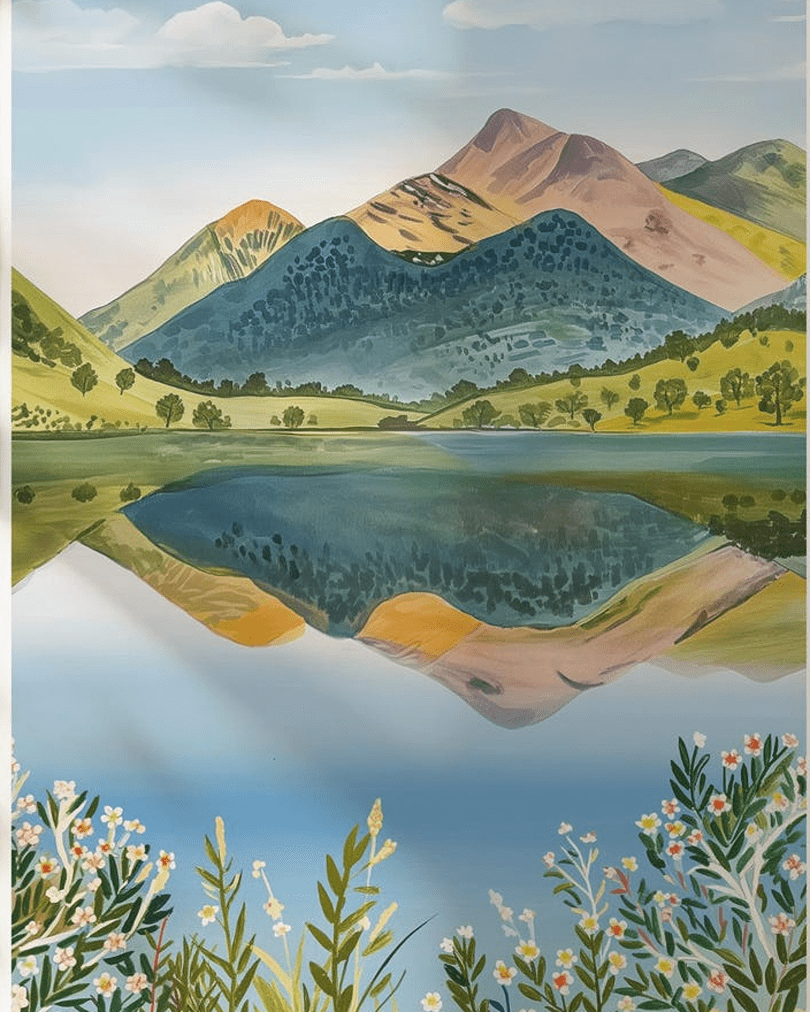
The Lake District is England’s largest national park and covers much of Cumbria. It’s also home to all of England’s highest mountains and its deepest lake (not Windermere!)
Carlisle (discover Cumbria’s ancient Roman city)
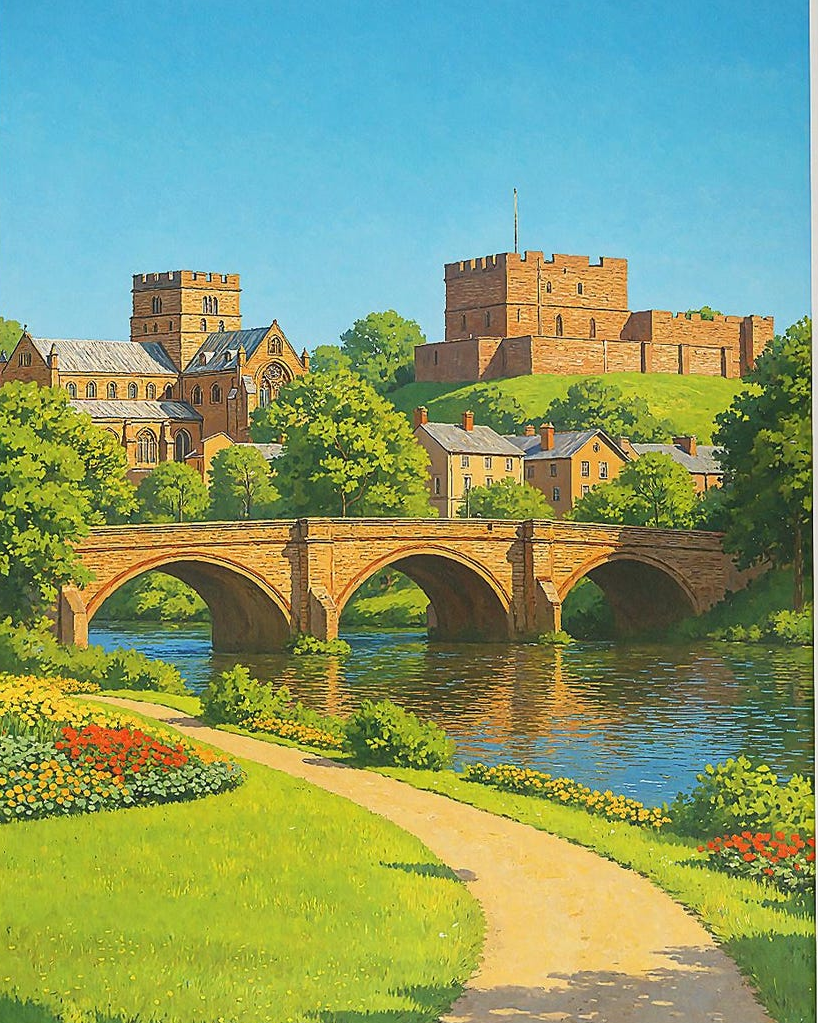
Carlisle is Cumbria’s only city, very close to the Scottish border, which means many people live or work in different countries, and you’re very likely to hear Scottish accents, if you visit!
This is a city of history – not just of Roman rule and walls, but it lies very close to Hadrian’s Wall, one of England’s most famous ancient monuments.
Carlisle is a very walkable city, you can easily get to the main sites (like the castle and cathedral) by foot from the main bus and train stations, and the centre is surrounded by green space and independent shops.
And of course if you fancy going a little further afield, you can pop over the border to Scotland. A lot of the place names here have Scottish roots (a bit like Northumberland, this area changed hands a lot back in the day with wars, though everyone is a lot friendlier now).
Hadrian’s Wall (an ancient Roman monument)
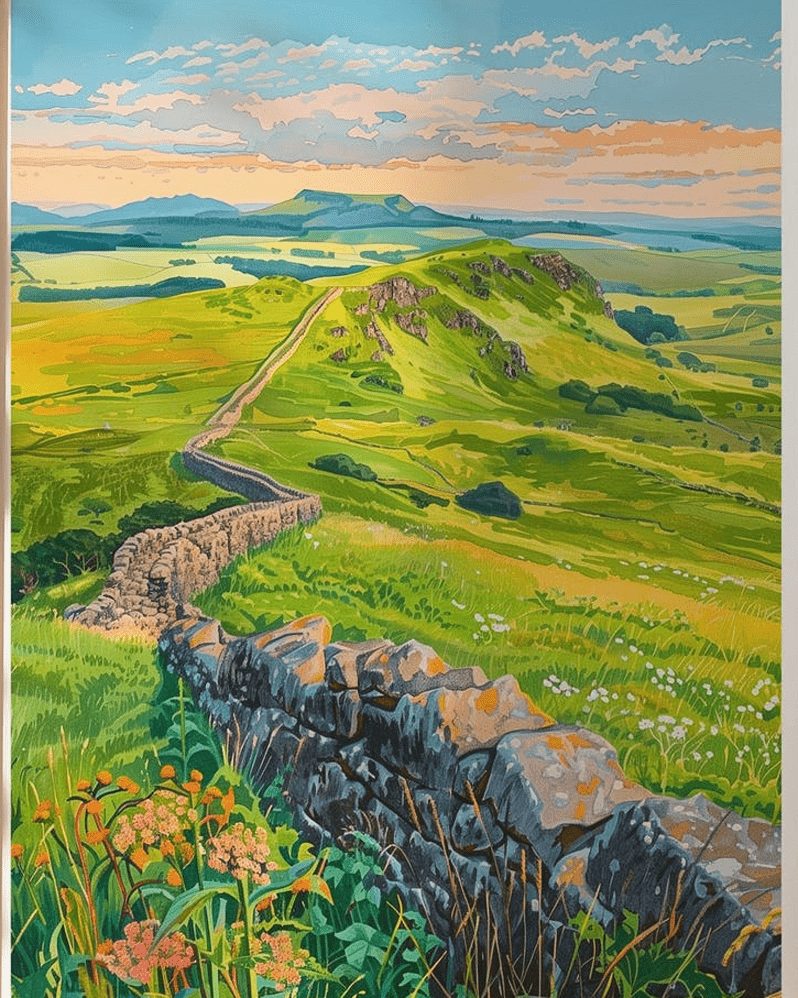
Carlisle has strong Roman roots, and one reason for this is having been under rule almost 2000 years ago, when Hadrian’s Wall (one of England’s most iconic ancient landmarks) was built as a fortress, stretching the entire coast from Cumbria to Northumberland).
The wall took 15,000 men and six years to build. Today it’s a World Heritage site and popular walking path. Archaeologists have found many human skeletons (one with a dagger between his ribs, a still-unsolved murder mystery).
Recently a shoe shop was found ruins of a fort, with soles of huge shoes (some size 13.5). Archaeologists were stumped for reasons (did builders wear extra socks or stuff winter shoes?) In the end, they concluded that it was simply that some people back then just had really big feet!
The Settle to Carlisle railway line
This is one of England’s most iconic rail journeys, which ends at a busy railway station, that then ferries passengers off to the Lake District, Borders or Scotland.
The Settle Line was built by over 6000 men in the 1870s (many lost their lives) and covers 73 miles, crossing the remote Yorkshire Dales and North Pennines, passing through Dent (England’s highest station at 1.150 feet above sea level).
Known as ‘the railway in the sky’, the 400m long Ribblehead Viaduct (with 24 stone arches) is known by everyone. The railway was built by Midland Railway to compete with the West Coast Main Line, and the signal box at Settle is now a working museum.
Penrith is known as the ‘red town’, due to its sandstone buildings. Once part of Scotland, it also used to be capital of Cumbria, back in the 10th century.
Today it boasts a medieval castle ruin and many independent shops to browse around. Bonnie Prince Charlie (leader of the 1745 Jacobite rising) stayed here, and poet William Wordsworth went to school here.
Gretna Green is just over the border, a popular tourist hotspot, as it’s known as the ‘marriage capital of Britain, where people would elope to this border village to marry, back when English law required parental consent for marriages under 21).
Blacksmiths would usually officiate, sealing marriages by striking their anvil with a hammer, on the unions! Chief anvil priest Richard Rennison (also a Methodist preacher) performed over 5000 ceremonies, by the times the law changed for youngsters to marry. Many were for young couples who wanted to marry, before the men went off to serve in World War I.
Whinfell Forest nearby (red squirrels!)

Whinfell Forest gives you a woodland option near Carlisle, which matters if you want a day outside without tackling high ground. The paths and trees provide a forest canopy, with cool air. The forest is home to many endangered red squirrels.
Providing pine trees provides sanctuary, food and shelter for endangered red squirrels, which helps them build immunity and stay safe from Squirrelpox, until a vaccination comes into play. Far better than unkind culling of grey squirrels. Read more on how to help red and grey squirrels.
The Solway Coast (a different side of Cumbria)
The Solway Coast sits within reach of Carlisle, if you fancy a bit of seaside view. Find open skies, tidal flats and a different kind of light, especially on clear days. , and it offers a different side of Cumbria. Instead of peaks and busy honeypots, you get open skies, tidal flats, and a quieter kind of beauty.
Stay on the promenade, as Solway Coast is notorious for strong tides and sinking mud. Read more on staying safe near quicksand.
The Industrial Edges of Cumbria (beyond the Lakes)
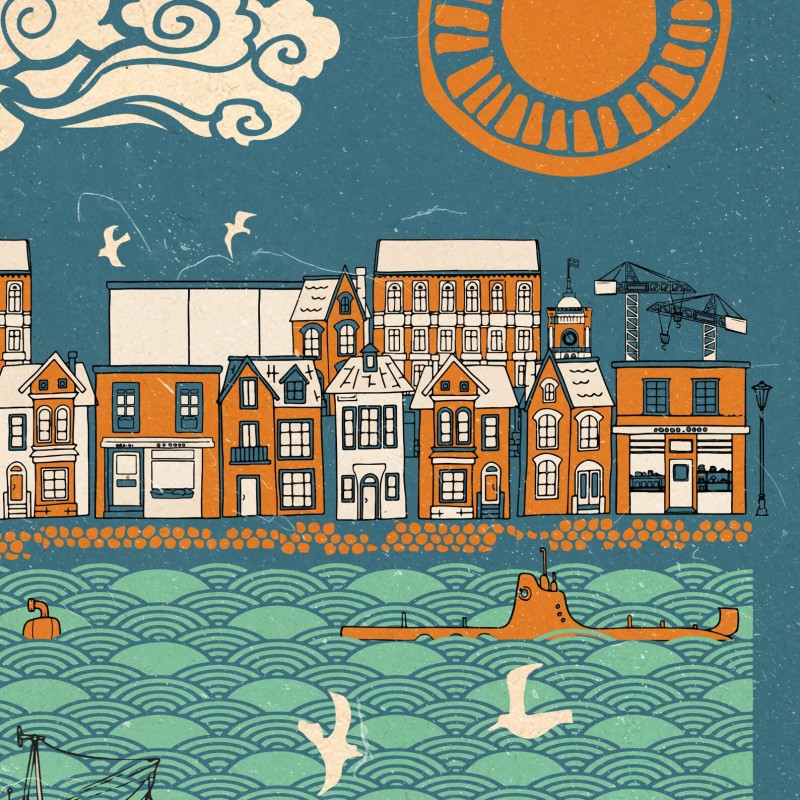
When you hear the word ‘Cumbria’, you often think of the Lake District, mountains and pretty mountain towns like Keswick. But a good part of Cumbria has an industrial heritage, and a community spirit, but not so pretty. These are the places that tourists don’t really visit, but they are interesting, all the same.
Workington has a history of ironworks and steel mills, and is ‘more football than poetry! It has a scenic rugged coat with a promenade that offers views across the Irish Sea.
Barrow-in-Furness is on England’s longest cul-de-sac, stuck at the tip of a long peninsula. Its the main base in England for making submarines for the Royal Navy. Nearby is Walney Island (home to sand dunes, rare plants, birds and seals on Morecambe Bay).
Also be wary of quicksand, follow the signs.
One happy story of late is the final closure (and relocation of animals) at South Lakes Safari Zoo in Dalton-in-Furness. It had animal welfare concerns over many years. And finally the campaign worked, though some animals were in such bad health, they had to be put to sleep.
Sellafield nuclear power station
Read why England does not need nuclear power.
England’s largest and oldest nuclear plant (Sellafield in Cumbria) was built in the 1940s to make plutonium, in expectation of a cold war. Today, the process has begun to shut the plant down, which will take 100 years.
In the 50s, a fire sent radioactive waste to mainland Europe, and cows’ milk became radioactive. Today, droppings from swallows have found radioactive insects (these birds migrate to Africa, taking pollution with them). Local stray cats are screened for radioactivity, before rehoming.
Even people in Norway are concerned over radiation for their own food and wildlife, due to south-westerly winds possibly carrying radioactive particles across the North Sea, in the event of an accident.
Grange-over-Sands (a charming seaside resort)
One little gem (over the border in Cumbria) is Grange-Over-Sands. You can walk a promenade overlooking the lake, or enjoy quiet gardens and parks nearby.
The ‘over-sands’ part is not just for show. Back in the 1800s, the local vicar got fed up of his letters ending up in Grange (Borrowdale) near Keswick. So he changed the name, to receive his post!
Morecambe Bay has quicksand, so avoid walking on areas with warning signs. Keep yourself (and dogs) at least 50 metres away from birds, as disturbing nests could cause them to abandon chicks.
Let’s Visit the Historic Cumbrian Coast
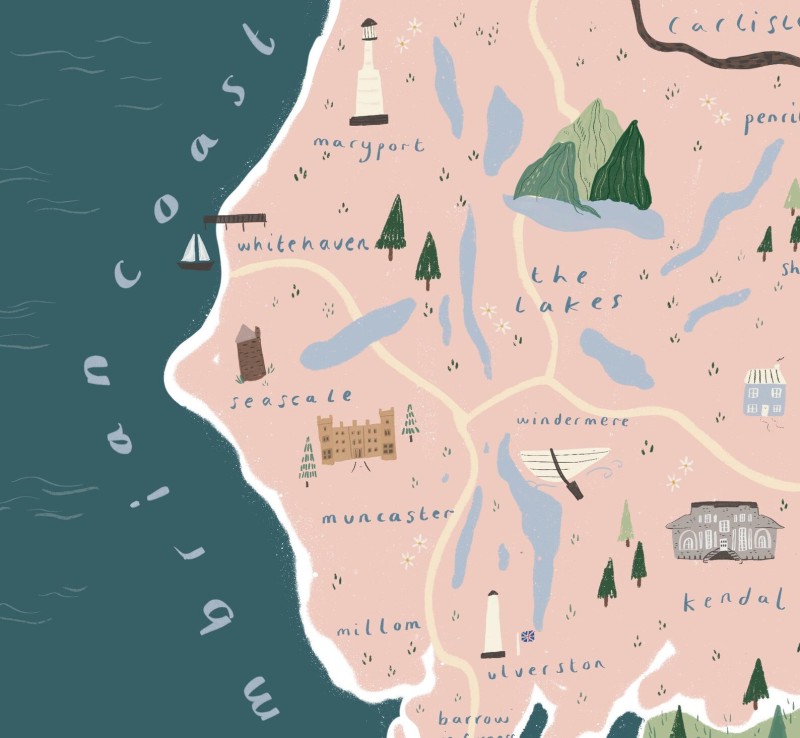
We tend to always think of Cumbria as Carlisle and the Lake District, but in fact the county has a substantial coast, with pretty beaches and a rich history. Let’s discover the main towns and learn a bit more about them.
Maryport (a charming Georgian town)
This was renamed from ‘Ellenfoot’ after the landowner’s wife Mary. It has a famous lighthouse and a historic harbour, and also hosts an annual Blues festival. Due to the views across Solway Firth in Scotland, it’s considered a hidden gem of the Lake District’s edge.
Whitehaven (once a smuggling harbour!)
It’s a bit run-down these days, but it has a harbour and beautiful Georgian buildings. Locals say that with a big litter-clean-up, it could be lovely. Years ago, this was the third busiest harbour, and the import of rum, treacle and brown sugar led to the invention nearby of sticky toffee pudding!
Seascale (a sandy coastal village)
This has long sandy beaches facing the Irish Sea, which turned from farmland to a coastal resort, with the arrival of the railways in the 1800s. Its name means ‘a shelter by the sea’. It features a huge sundial that is accurate to within 15 minutes, and nearby is the Grey Croft Stone Circle, featuring ten stones, some up to six feet tall.
It’s alas overshadowed by the nearby Sellafield, the world’s first commercial nuclear power station, that is now very outdated and being decommissioned, which will take decades, if not hundreds of years.
Muncaster (home to an ancient haunted castle)
Muncaster is known for being home to a 900-year old Lake District home, set in 77-acre Himalayan gardens, and considered one of England’s most haunted castles. The ‘white lady’ ghost is believed to be Mary Bragg, a young women murdered in the early 1800s. A housekeeper, it was said that two men lured her away, saying her love (a footman) needed her, but it was a lie, and her body was found floating in a river weeks later.
Millom (history and scenic views)
Millom is a historic coastal town, which grew from a tiny hamlet to a population of over 10,000 during the 1850s iron ore boom. Surrounded by scenic fells and coastal views, the nine prehistoric crop marks are known as ‘England’s lost Stonehenge’. On a clear day, you can see Wales and Scotland from nearby Black Combe.