
Reasons to Take a Religious Pilgrimage Walk
A religious pilgrimage walk is simple at heart, you travel on foot with a faith purpose. That purpose might be prayer, gratitude, repentance, or asking for help. It can also be a way to test what you really believe, away from the noise of normal life.
You’ve probably heard of the Camino de Santiago in Spain. You may also know Lourdes in France, or English routes linked to Canterbury, as well as the Northern Saints Trail in the North of England. Some of these journeys take weeks. Others fit into a weekend.
Pilgrimage today isn’t just for the deeply religious. People walk for many reasons, faith, curiosity, recovery, or a mix. Below are practical, human reasons people choose a pilgrimage walk now, and what you might get from it.
When out walking in nature, always follow the Countryside Code, to keep all creatures safe.
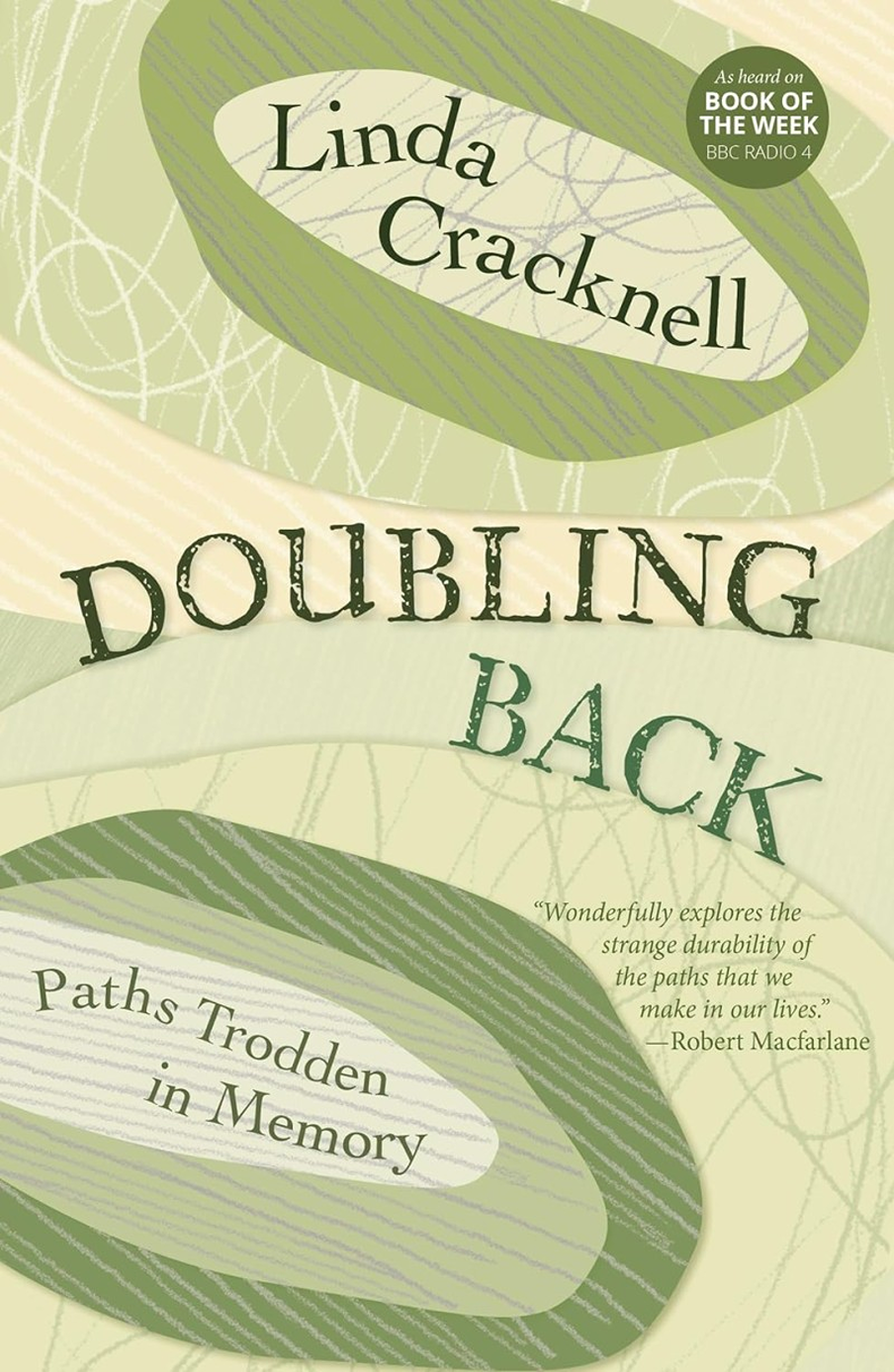
Doubling Back is the story of an author who follows in the footsteps of others, walking across the ‘holy island’ of Lindisfarne in Northumberland, Isle of Sky, Norway and Kenya. And the Swiss Alps, to retrace the mountaineering past of the father she barely knew.
She even follows the escape route of a Norwegian scientist on the run in the Second World War, of simply celebrate the joy found in ‘friendly paths’ of her local regular terrain, and the ritual of returning home.
How walking can deepen prayer and faith
A lot of people think faith happens best in church, at a service, or in a quiet room. Yet walking has its own way of steadying the mind. Your body moves, your thoughts settle, and prayer often feels less forced.
When you walk for hours, you start to notice what you usually miss. Birds over a hedgerow. A bell from a village church. A patch of light in a porch. These small things can feel like gentle prompts to pray.
Many pilgrims keep prayer plain because it needs to fit the road. Early mornings help, when lanes are quiet and your phone stays in your bag. Some people repeat a short line, such as the Lord’s Prayer, a psalm, or a single phrase like “Guide me today”. Others read a few verses at lunch and sit with them.
Churches on the way make this easier. On English routes to Canterbury, you might step into a parish church for five minutes and breathe. On the Camino, simple chapels appear when you least expect them. At Lourdes, many people light a candle and name what they’re carrying, even if they don’t have the words for more.
At home, distractions multiply. On the road, you can’t do everything, so you do the next right thing. That’s often when prayer becomes real again.
On This Holy Island (a pilgrimage across Britain)

On This Holy Island follows travel writer Oliver Smith, as he seeds to radically reframe our idea of ‘pilgrimage’ by retracing sacred routes from across time – from climbing into remote sea caves, sleeping inside Neolithic tombs, scaling forgotten holy mountains and once marooning himself at sea.
Following holy roads to churches, cathedrals and standing tones, this book explores how even football stadiums and musical festivals, are now contemporary places of pilgrimages.
And although the routes walked are often ancient, the pilgrims he meets today are always modern. But wherever you go and whoever you meet, ‘the unravelling of a path, goes in tandem with the unravelling of the soul’.
Oliver Smith is an acclaimed travel writer, who won an award while working for Lonely Planet. Today he wishes to reframe what we mean, by the word ‘pilgrimage’, bringing the benefits into the 21st century.
Catholic pilgrimages have deep roots in England, linking faith with heritage and offering a strong sense of belonging. Whether you’re drawn by history, faith, or the wish to connect with something bigger than yourself, these holy sites welcome all who visit.
They range from ancient cathedrals to peaceful countryside shrines, each with its own story and sense of place. Here’s a guide to some of the most treasured Catholic pilgrimages across England, where you’ll find community, reflection, and maybe even a little inspiration.
A Few of England’s Holy Sites
The Priory at Aylesford in Kent stands on the banks of the River Medway and is a living monastery. The Carmelites first arrived here in the 13th century, bringing with them a tradition of prayer and welcome. Today, pilgrims come to pray, join retreats, and take part in outdoor liturgies.
Lindisfarne, often called Holy Island, sits just off the Northumberland coast, linked to the mainland only at low tide. Its early Christian community helped spread the faith across northern England. This was home to Saint Cuthbert, the first environmentalist saint, who campaigned for eider ducks (and otters used to dry his fur, after his swims!)
Always check tidal times, due to a tidal causeway, to avoid being stranded.
Tyburn Convent sits near Marble Arch, a bustling patch of central London, but inside you’ll find a deep quiet linked to brave history. This is the resting place of over a hundred Catholic martyrs who died for their faith at Tyburn Tree from the 16th to 17th centuries.
Set in Somerset’s green hills, Downside Abbey is one of England’s largest Catholic churches. The Benedictine monks keep up a rhythm of prayer, education, and welcome.
Wayfarer (a journey along Britain’s pilgrim paths)

Wayfarer is a highly-reviewed book, from a young woman who quit her dream job, ended a long-term relationship and headed home to North Wales, before deciding to walk the most famous pilgrimage in the world – Camino de Santiago in northern Spain.
She then almost by accident found herself walking some of Britain’s oldest pilgrim paths, ending up confronting pasta traumas, that she thought she had laid to rest.
Not a religious book, it shows how a walking pilgrimage had Phoebe revisit the feelings of losing her mother as a teenager to surviving toxic relationships, an eating disorder and depression.
She reveals how nature and walking helped to heal past wounds, offering a path that she did not existed.
Phoebe is co-founder of WeTwo Foundation, which leads nature expeditions for underprivileged youth. Growing up in an area that the media labelled ‘Costa Del Dole’, she was told that she could not aspire to a life of adventure.
So she worked in pubs to save enough to travel to Australia, a trip that changed her life as she discovered the joys of wild camping. She has since travelled solo to Everest Base Camp, the Bavarian Alps and Svalbard (last stop before the North Pole).
Great Pilgrim Routes of Britain & Europe looks at 10 pilgrim routes on the continent. The cathedral at Santiago de Compostela now records 200,000 visitors a year, on the famed pilgrim route through France and Spain. This book visits the classic route, along with nine others.
From England’s own St Cuthbert’s Way (which winds through the holy island of Lindisfarne and across the Scottish borders) to an historic route in Germany and Via Francigena (from Italy to Switzerland).
Chaucer’s Canterbury Tales (a history)

Geoffrey Chaucer is known as ‘the father of English literature’ (many of us remember A-levels trying to fathom out Olde English in his Canterbury Tales – stories of pilgrims travelling to the ancient city). He’s buried in Poets’ Corner in Westminster Abbey.
There is no evidence to suggest Chaucer actually visited the historic city of Canterbury, but it has been a pilgrimage site since the assassination of the Archbishop Thomas Becket in 1170.
It’s also thought that he would have attended the funeral of the brother of the Duke of Lancaster (he was a household member), and that tomb is in Canterbury Cathedral.
Geoffrey Chaucer was likely a butler to aristocrats, with his son Thomas being Speaker of the House of Commons for several years (who bought Donnington Castle in Berkshire for his daughter).
Alice Chaucer was married at age just 11 (her husband dying soon after, leaving her a wealthy widow before her teens).
Back in the days of Chaucer, most people in England spoke French and Latin, hence the difficult language the (unfinished) tales are written in.
Charles Dickens (born in Portsmouth) set his novel David Copperfield mostly in this city too.
Visiting the World’s Most Holly Places

Holy Places looks at how pilgrimages have changed the world. For thousands of years, pilgrimages have been walks of faith and sometimes political acts.
The author follows the trail through 19 sacred sites, from the templates of Jerusalem to the banks of the River Ganges in India, by way of Lourdes in France.
Author Kathryn Hurlock is head of history research and reader in medieval history at Manchester University. A religious historian, she has written for many publications.
Do People Get Cured at Lourdes (France)?

The best known pilgrimage site in the world is likely the French town of Lourdes, where many sick or disabled Catholics visit the shrine, in the hope of miraculous cures? Of course, the question is do they? And if someone does get cured, why don’t all the others?
Situated at the foot of the Pyrenees mountains, the town itself has just 15,000 people but around 5 million people visit each year, in the hope of receiving a miracle cure.
It is here that it’s said the Virgin Mary appeared in a vision to a young teenage peasant girl who was eventually made into St Bernadette by the Pope.
She had several visions near a well (which is where people visit to bathe or drink the waters). And although she herself died young from TB, her body was exhumed more than once, with people amazed that she was almost mummified, rather than her body decomposed.
Since the visions at Lourdes, there have been some confirmed ‘miracles’ at Lourdes, but only 70 (not many considering the millions of people who visit). Others say that it is the faith and prayer, rather than the water, that may have helped.
Critics say that the huge prices charged to often vulnerable families with children in wheelchairs for life, has made a mockery of religion. The town generates almost £300 million in profits, often for luxury hotels.
The so-called ‘Disneyland of God’ the town sells glow-in-the-dark statues of the Virgin Mary along with plastic bottles of ‘healing water’.


