Environmental lessons from Costa Rica (there are many!)
Costa Rica is not a country that’s much in the news in England, but it should be. If you want an example of a country that does nearly everything right (Finland and Denmark are other good ones), Costa Rica is up there with the rest of them.
In fact, it ranks no.1 on the World Happiness Index (an alternative to GDP that takes into account people’s wellbeing, environmental protection and lots of other important factors). Let’s take a look at what Costa Rica gets right, and what we can learn:
Costa Rica abolished its army (in 1949!)
Unlike in England which seems to be obsessed with war and defence, Costa Rica got rid of its army altogether in 1949 (after a violent 44-day civil war). Nobody is saying we should not defend ourselves. But it’s interesting how despite neighbouring conflicts in South/Central America, it’s remained at peace.
Instead, the country used the money saved to protect rainforests. And fund healthcare, schools and pensions.
Costa Rica protets its endangered wildlife

In England, we have lots of species on the brink of extinction (hedgehogs, dormice, water voles). Plus many endangered (bats, owls, bees, butterflies).
Yet in Brazil, it has around 500,000 species (the most biodiverse nation on earth). And focuses heavily on preserving their habitats (loss of habitat is the main reason our species are endangered).
There is no trophy hunting for tourists (England has not yet banned trophy hunting imports). And unlike say Brazil, Costa Rica does not sell off rainforest land for beef cattle farming or unsustainable soy production.
Costa Rica looks after its sea turtles
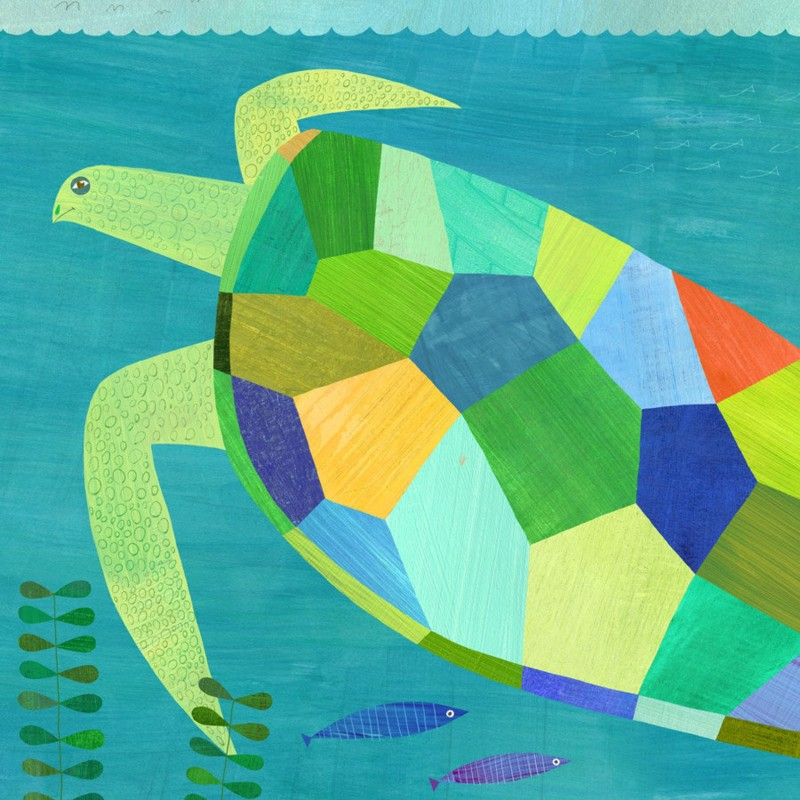
Just like England, Costa Rica coastlines are home to endangered sea turtles. But there, the seagrass habitats are protected (not destroyed with anchors) and turtles are not subject to being disturbed by light pollution which can confuse them to leave beaches and try to give birth near 24-hour lit buildings, thinking the light is the moon.
Many sea turtles are killed by swallowing released party balloons (thinking they are their favourite food of jellyfish). Here in England, it’ still seen as being a ‘party pooper’ to ban balloon releases, though increasingly councils are acting, to save all wildlife from choking.
Costa Rica does not cage animals
Unlike England where we are told that to cage up bored animals to conserve them, in Costa Rica species are endangered species are helped with out zoos. In fact, it was one of the first nations to make it illegal to keep animals in cages.
Thanks to changing opinoins. Kivu the lion lived in a cage of cement and steel with a poor diet. He was moved to a rescue centre (the country roared with joy). And spent his final days amid trees and grass, basking in the sunshine (when not tearing apart logs).
Home to 10% of the world’s butterflies

In England, it’s rare to see butterflies due to disappearing habitats. A study by Butterfly Conservation found 90% of semi-natural lowland meadows and pastures have been lost in the last 75 years, which has had major effects on populations.
Yet in Costa Rica, butterflies are cherished, and their habitats revered. Rainforests are rewilded and national parks protected.
Costa Rica looks after its farmers
In England, there are always issues on how to look after our small farmers. From financial support to give better welfare to livestock to paying them proper money for vegetables.
In Costa Rica, farmers are given the respect they deserve. The ‘golden grain’ (responsible for much of the countrys’ income) is coffee beans, and many farmers even receive free land, if they plan to grow and sell them.
Shade-grown trees give better income, as farmers can grow other crops at the same time, which gives more income at market. And these shade trees have a knock-on effect of protecting songbirds.
Costa Rica has simple fair elections
In Costa Rica, the president is elected every four years, with people voting in their home town (postal votes are not the norm and it’s not usual for expatriates to vote either). Obviously disabled people can presumably vote by proxy, the ban on postal voting is mostly to avoid electoral fraud.
What Costa Rica does have is PR, unlike our first-past-the-post system. Which means that in England, a government can be formed by around a third of the electorate voting for it. So it means two-thirds did not vote for the government. Read more on fair voting systems.