Earn Your Stripes (how to help endangered zebras)
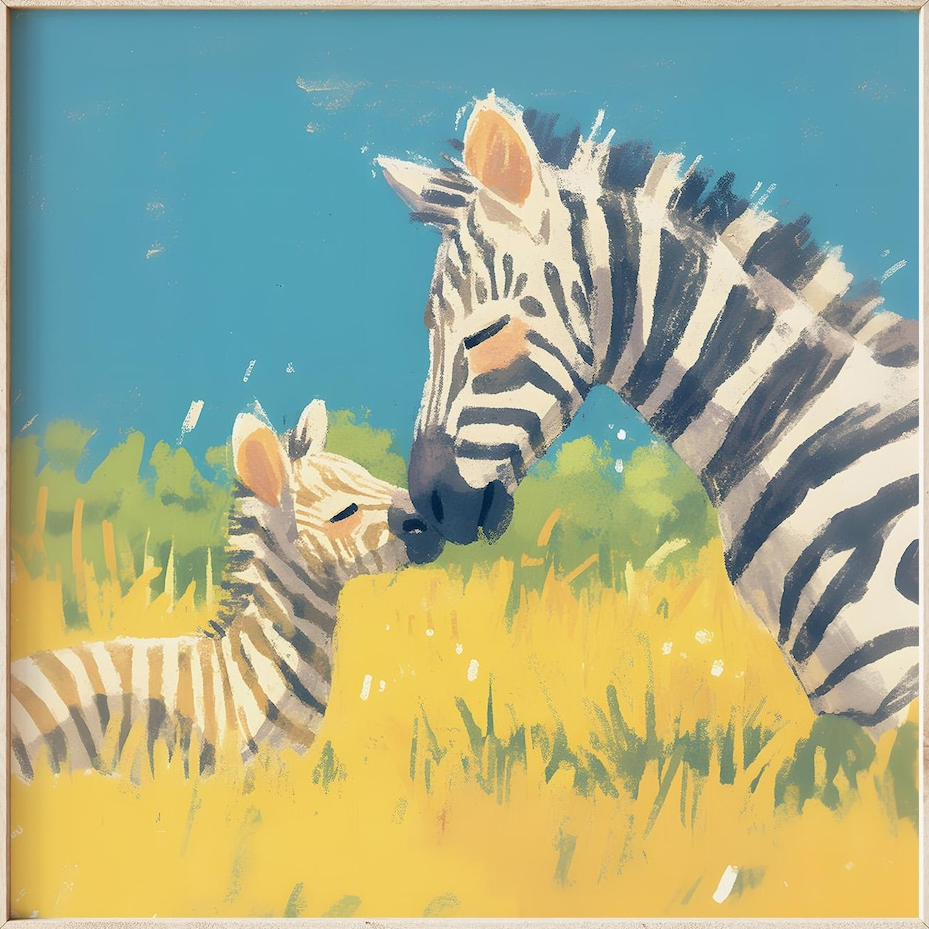
We all know and love zebras, but what do you know about them, other than they look a bit like horses, have stripes and live in Africa? In fact, all three species are endangered, yet there are wonderful organisations worldwide helping to restore numbers, without them being incarcerated and bored in zoos.
Zebras are African mammals (yes they are related to horses) known for their unique black-and-white stripes which are as individual and unique as human fingerprints. As you can imagine, the stripes are also useful to camouflage to avoid predators like wild lions (they can run up to 65 km per hour to escape). Zebras deliver powerful kicks, enough to kill or injure a predator.
Just like horses, zebras are social animals that live in small wild herds (or larger herds when migrating), with new born foals able to run within an hour, and able to stand up at just six minutes of being born.
Like horses, zebras can lock their knee joints to sleep while standing up, and make similar noises to horses and donkeys (braying etc).
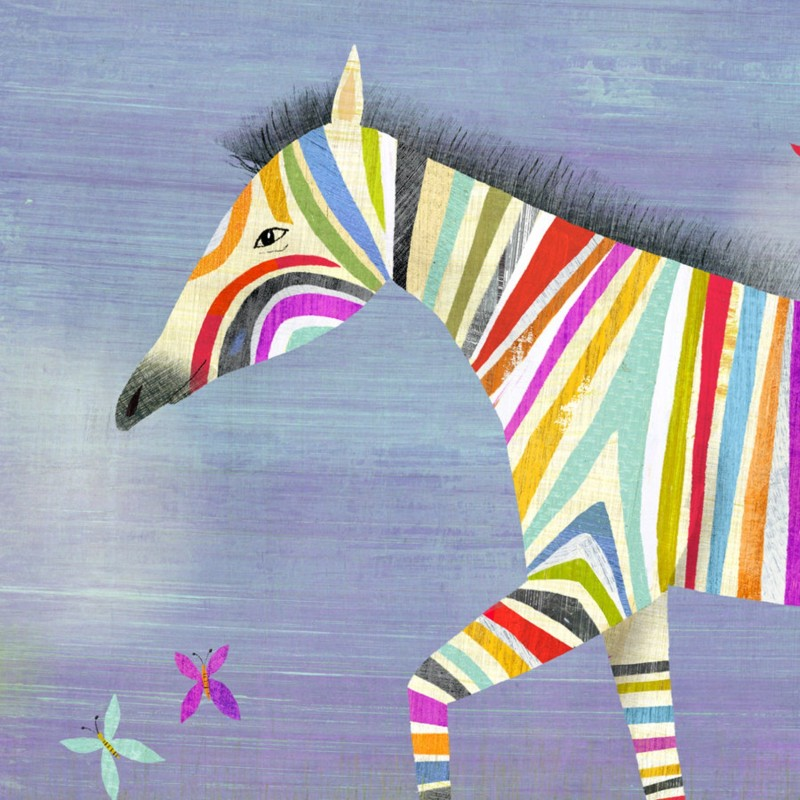
There are three species of wild zebras:
- Plains zebras are the most common species, found in savanna habitats in eastern and southern Africa.
- Mountain zebras are found in mountainous regions of Namibia and South Africa, they have vertical stripes on their necks.
- Grévy’s zebras are found in arid grasslands of Ethiopia and Kenya. The largest species, they have larger ears and very thin stripes that do not join up on their bellies.
What wild zebras eat depends on their natural habitats. In the wild, they eat a variety of tough long grasses, and this can prepare habitats for other grazers who only eat short grasses. This helps to keep species diverse, something that does not happen when zebras are in zoos.
The main threats to wild zebras are:
- Habitat loss
- Poaching (illegal hunting)
- Legal hunting
Born Free is working to protect natural habitats, and work with teams to remove snares and combat poaching. It also opposes keeping wild zebras in zoos or using them as ‘entertainment’ for circuses (now illegal in the UK).
If you see a zebra in a zoo or abroad with concerns on their welfare, contact Born Free’s Red Flag Alert (also tell the local police and tour operator). Their team can investigate.
How to help African wild zebras
- Live a simple sustainable life. The more we do this, the less their habitats are destroyed to buy wood, palm oil and other imported goods.
- Never visit zoos. Zebras are not in the right climate and usually don’t have enough company as they would in the wild. There are plenty of African conservationists helping to save species, in their native lands.
- If you travel abroad, don’t visit animal-based circuses. Enough said.
- Don’t poach or hunt zebras. There is fury in parliament that the Labour government’s animal welfare plan is dropping the ban on trophy hunting (and the sale of foie gras). Due to vested interests in the House of Lords (some delayed the pending Bill) and pressure from President Trump.
Actors Peter Egan and Joanna Lumley are joining the campaign to bring a ban on imports of trophy hunts. After British hunters shot dead dozens of endangered elephants, bears, baboons and cheetahs – all within the law.
Since the death of Cecil the lion by a US dentist (with a bow and arrow that took hours for him to die), he went on to shoot an endangered sheep, once the fuss had died down. And since then, over 60 more lions (and over 100 zebras) have been killed for trophy hunting – by British hunters.
Trophy hunting affects all African species. A lion kills a zebra – that’s nature. But humans don’t. As wildlife campaigner Hamza Yassin says ‘If hunting is a sport, give the other creature a rifle and then see who wins’.