How to Rent an Allotment Plot in England
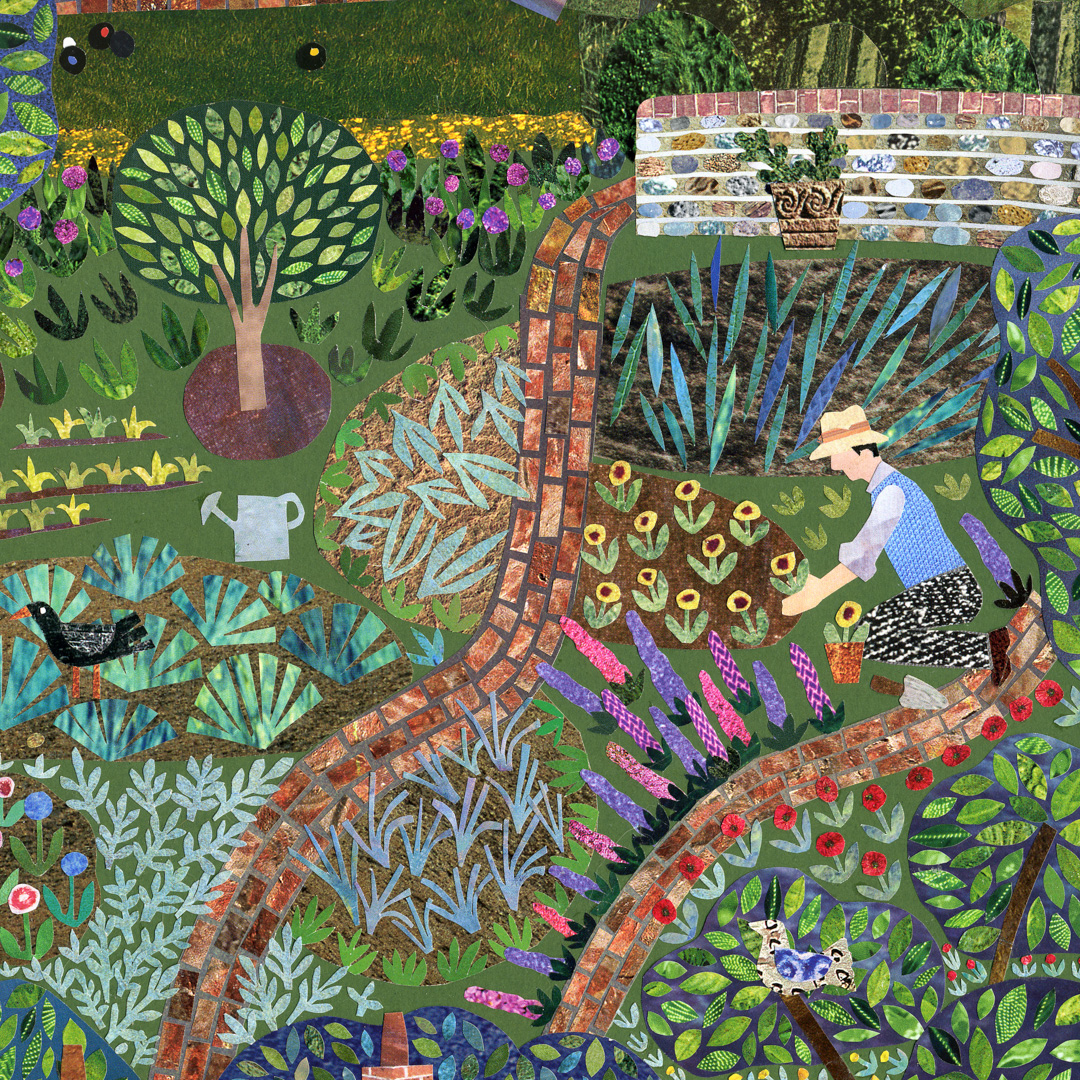
Allotments stay popular in England for good reason. They can cut food bills, give you fresher produce, and get you outside more often. They also bring a bit of routine, plus the quiet company of other plot holders nearby.
Most allotment plots are rented through local councils or local associations. That sounds simple, but spaces can be tight and waiting lists are common. Still, the process is fairly clear once you know where to look. This guide walks through it step by step, so you can find a site, apply properly, and choose a plot you can actually manage.
Read more on no-dig gardening and humane slug/snail deterrents. If you live with animal friends, read up on pet-friendly gardens (some recommended flowers and fruit trees are not safe). Also avoid netting to protect food (just leave some for wildlife!)
Acids can harm compost creatures, so bin citrus, tomato, rhubarb and allium scraps (onion, garlic, leeks, shallots and chives). Same with tea/coffee grounds (due to caffeine). Read more on making garden compost.
If growing indoors (including greenhouses), avoid facing indoor plants to outside spaces (to help stop birds flying into windows).
Find out who runs allotments in your area
The first step is finding out who manages sites near you. In many towns, the local council handles allotment plot rental. In other places, a parish council, a self-managed association, or a community group runs the site instead. Also find small plots at AllotMe.
Because of that, prices and rules can differ a lot. One site may have low annual rent but a long queue. Another may have plots available sooner, but stricter rules on sheds, bonfires, or livestock. Some sites offer full plots only, while others also rent half plots for beginners.
So, cast the net a bit wider at the start. Check more than one site if you can. Waiting times vary, even within the same borough. A nearby site might have a five-year list, while another a little farther away has space this season.
Check your council website and local allotment associations
Start with your council website. Search for terms like allotments, plot rental, garden plots, or waiting list. If nothing obvious comes up, look under parks, environment, or community services.
When the website is thin or out of date, call or email the relevant team. A short message often works better than endless clicking. Ask who manages council sites, whether applications are open, and where current waiting list details are posted.
Also check for local allotment associations. Some groups manage sites on behalf of the council, so the council page may only give a basic contact. A quick web search with your town name and “allotment association” often turns up the right place.
Ask about waiting lists, plot sizes, and current rent
Before you apply, ask a few practical questions. That saves time later, and it helps you compare sites properly.
Find out how long the waiting list is, whether the list moves quickly, and if any plots are likely soon. Ask if half plots are available, because they can suit first-time growers much better.
Then ask about money. Check the annual rent, any water charge, any deposit, and whether there is a joining fee. Some sites also offer reduced rent for pensioners or local residents. Those details matter, especially if you’re joining more than one waiting list.
Apply for a plot and understand the tenancy rules
Once you’ve found a suitable site, the next step is the application. On some sites, this means an online form. On others, you print a form, email the secretary, or add your name to a waiting list by phone.
The process is usually simple, but it still helps to take it seriously. A few councils give priority to people who live within a set boundary. Some ask for proof of address before they offer a plot. Others charge a small fee to join the list, though many don’t.
If a plot becomes free, the site manager or council will usually contact the next person on the list. At that point, you may be offered a viewing before you accept. Read every email carefully, because offers can expire if you don’t reply on time.
What details you usually need to apply
Most applications ask for basic contact details, not much more. Usually you will need:
- Name and address
- Postcode
- Phone number and email
- Preferred site or sites
- Full plot or half plot preference
Some forms also ask if you already live in the parish, borough, or ward. That matters because local residents may move up the list faster on council-run sites.
Read the allotment agreement before you accept
If you get offered a plot, you will usually sign a tenancy agreement or licence. Read it slowly. It sets out what you can do, what you must do, and what could lead to eviction.
Most agreements cover the rent due date and the standard of cultivation expected. In plain terms, you must keep the plot in use and stop it becoming badly overgrown. There are often rules on bonfires, water use, sheds, greenhouses, hens, dogs, and how to get rid of waste.
Some sites allow small structures, but only within set sizes. Others ban carpet, fixed paths, or certain fencing. A few allow hens, while most do not allow cockerels.
Breaking site rules, or leaving the plot untended, can lead to warnings and then loss of the tenancy.
That sounds stern, but it keeps shared sites workable for everyone.
Get ready to take on your allotment plot
Getting offered a plot feels exciting, and it should. Still, this is the point to pause and be honest. A plot is not just cheap vegetables. It’s regular work, regular travel, and a steady pull on your weekends, at least in spring and summer.
That doesn’t mean you need huge amounts of time. In fact, small steady visits usually beat long bursts of effort. But you do need a plot size, location, and starting condition that fit real life.
View the plot before you commit
If you can, always view the plot first. Photos help, but standing on the plot tells you much more. Look at the weeds, the soil surface, and how much has been left behind by the last tenant.
Check whether there is water nearby, and how far you’ll need to carry cans. Notice the sun and shade across the site. Also look at access, paths, parking, security, and whether the plot feels exposed or sheltered.
Try to picture yourself working there in November, not just in June. A large, overgrown plot can still be a good choice if the rent is fair and the size suits you. But if it already feels too much on day one, it probably is.
Know the starter costs and time involved
Rent is only the start. In the first few months, you may also need gloves, a spade, a fork, a watering can, compost, seeds, string, and netting. If the site allows sheds or lockers, there may be extra fees or rules attached.
None of this has to be expensive. Second-hand tools, shared buys, and a half plot can keep costs down. Still, it helps to budget before you say yes.
Time matters just as much. Two or three short visits a week often work better than one long day each month. Weeds don’t wait, and neither do dry spells. So pick a plot you can reach without turning every visit into a big trip.
A simple way to get started
To rent an allotment plot in England, start local. Find the sites near you, join the waiting list, ask clear questions, and read the agreement before accepting anything. Then choose a plot that fits your time, budget, and energy, not the version of you that suddenly has endless free weekends.
For beginners, the best advice is simple: start small and keep going. A modest, manageable plot often grows into something much better than a grand plan that never quite gets off the ground.