Keep Owls & Bats Safe Near Roads (tips for councils)
Town planners have a lot of responsibility, as both owls and bats are low-flying creatures, and thousands are killed at dusk and night, due to poor design. But there is expert help for these two endangered species.
Also read how farmers can protect wild owls.
The following resources are quite interchangeable, as the advice to help bats and owls will likely also protect the other species too, as all is designed to prevent them flying close to road traffic.
- Read how to manage land for barn owls (Barn Owl Trust).
- It’s a worthwhile £300 for planners to take their training course (includes the Barn Owl Conservation Handbook. Chris Packham says every council should have a copy, so one staff member can become a ‘barn owl agent’.
- Report dead owls, using six-figure grid references.
Barn owls are protected by law from disturbance during nesting (from when the egg is laid until the last dependent stops returning to the nest). Penalties include fines up to £5000 or 6 months imprisonment (per bird, nest or egg).
Keep Owls Safe By Roads
- This needs good town planning with ‘tree screens’ at certain measurements, which helps to force owls (and bats) to fly higher .
- The Barn Owl Trust also has info to help reduce electrocution, by burying cables and insulating droppers that connect to transformers.
- A good idea is Bird diverters (invented to help swans avoid pylons). Make wind turbines safer by placing further apart, painting one blade (and the towers) black and use bladeless turbines (owls are not as affected by wind turbines, as they fly lower).
- Ground-level solar panels don’t appear to be as harmful as tall solar towers (which can incinerate birds).
Installing Owl Boxes
These are good, but know what you’re doing. Owls don’t build nests like other birds, and owls also sit on pellets (not straw), so nest boxes could become waterlogged.
- Barn Owl Trust has advice on how to choose, build, buy and site owl boxes, whether you do this indoors (like a barn) or on a tree. It says the nest box is only as good as the land surrounding it.
- These barn owl nestboxes are designed with Barn Owl Trust, to stop owlets falling out, and protect from bad weather.
- Safe cleaning is important to stop pellets building up, or owlets could climb out too early.
Only clean nest boxes after the breeding season. Remove debris and potential parasites (wear gloves). And use boiling water only to clean, then air-dry.
You can’t disturb owls or owlets, unless a licensed wildlife worker.
It sometimes takes a year or two for owls to move in, but patience pays off. If you work with neighbours or your local school, several boxes across your area can really boost local numbers.
How to Help Orphaned or Injured Owls
- Barn Owl Trust has info. Monitor closely first, as parents are usually nearby. The site shows how to pick up a live owl, and check for injuries.
- Barn owls on the ground need help, so call local wildlife rescue, Raptor Rescue or Suffolk Owl Sanctuary’s emergency helpline.
- The Owls Trust also advice if you find baby owls (not always orphaned, just testing their wings). If tawny owls are okay but no parents are nearby, place safely in a high tree branch). Place ‘little owls’ back in nests, or near where you found them, if safe.
- Wear gloves to place in ventilated boxes (avoid towels with tassels).
- Grasp gently (feet are more likely to get you than beaks!)
- Keep in a quiet area at room temperature, until help arrives.
More About England’s Wild Owls
Owls are mysterious birds with eyes that face forward, and can turn their heads 270 degrees to hunt prey. Owls have three eyelids (one to blink, one to sleep and one to wash the eye). Most have one wing higher, so they can fly silently (the feathers breaking turbulence into smaller sound currents).
In order to eat around 4 voles, shrews, rabbits and rats each night. Owls catch prey with their sharp talons (their toes face different directions for better hunting).
And if anyone knows anything about anything – it’s Owl who knows something about something. Owl is the grand and rather clever old man of the forest. He can also spell Tuesday. A A Milne (Winnie-the-Pooh)
England’s countryside is home to five main wild owl species:
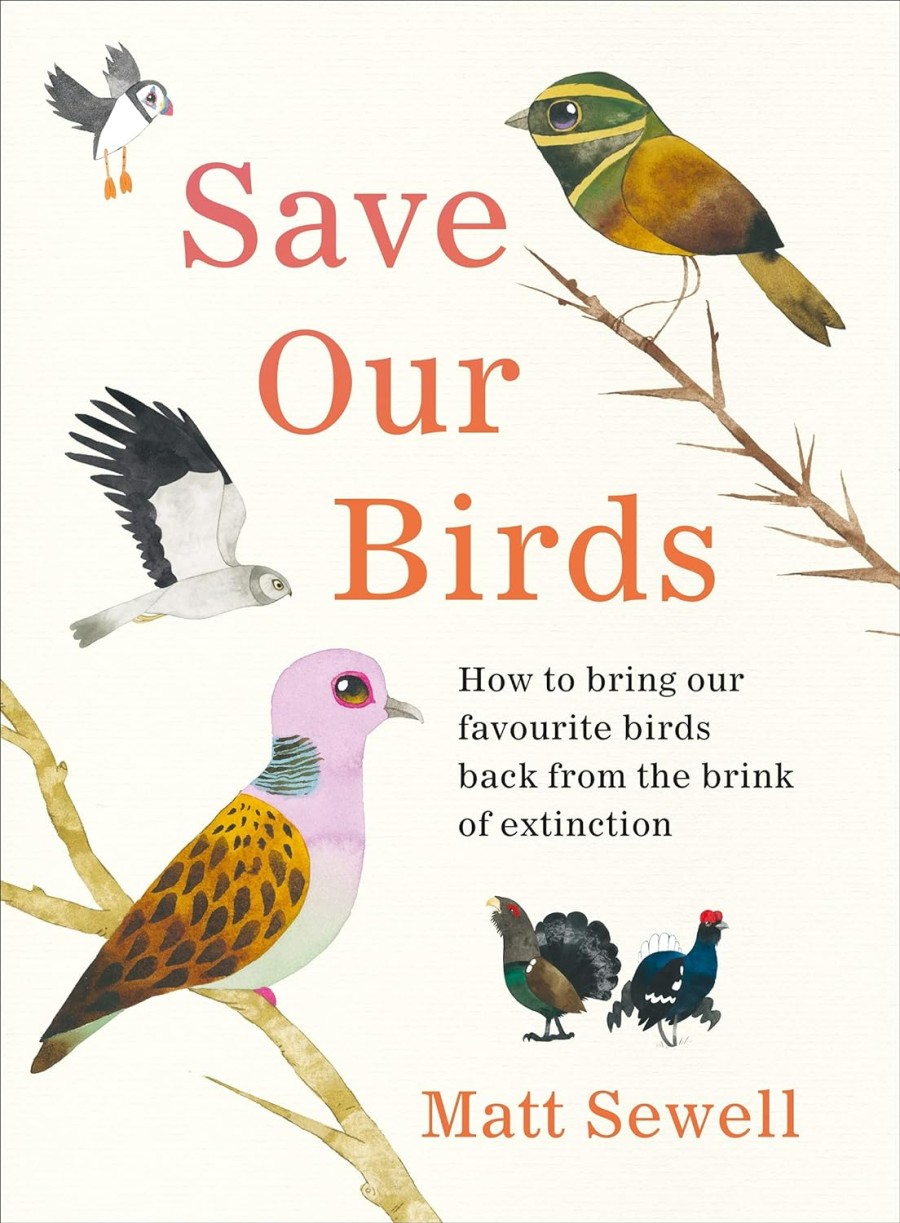
- Barn Owl: These pale, heart-faced owls glide over grass fields at dusk and rely on rough grassland, wild roadside verges, and open fields for hunting voles and mice. Barn owls nest in old barns, tree hollows or nest boxes. They have a screech that ornithologist Matt Sewell says can strip your fingernails!
- Tawny Owl: They have round faces and deep ‘twit-twoo’ calls, and love old woodlands, parks and even large gardens. They need tree cavities for nesting and hunt at night for small mammals and birds. Pairs often stay together for life and defend their patch fiercely.
- Little Owl: These live on farm fields, hedgerows and orchards and often use holes in trees, old barns, or stone walls for roosting and breeding. They eat insects, worms, and sometimes small birds. Their call is like a dog barking!
- Long-eared Owl: These have tall ear tufts and roose in dense hedges and thick woodland, hunting at dusk over farm land. They gather in small groups in winter and call ‘hoo hoo hoo!’
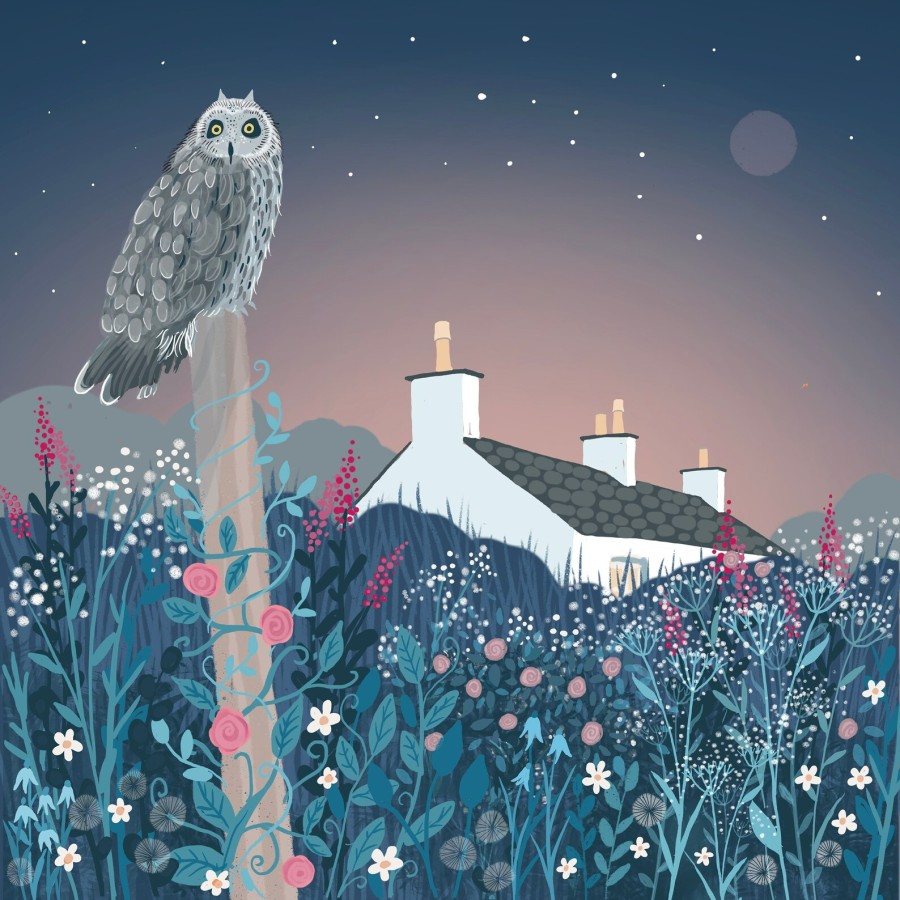
- Short-eared owls are also mottled brown. They call ‘boo boo boo!’