Endangered Big Cats (and how to save them)
Not just tigers, but there are many more endangered big cats around the world. All are at risk, again due to trophy hunting, poaching and loss of habitat.
Less than 6000 wild tigers remain – learn why we must save them (and how).
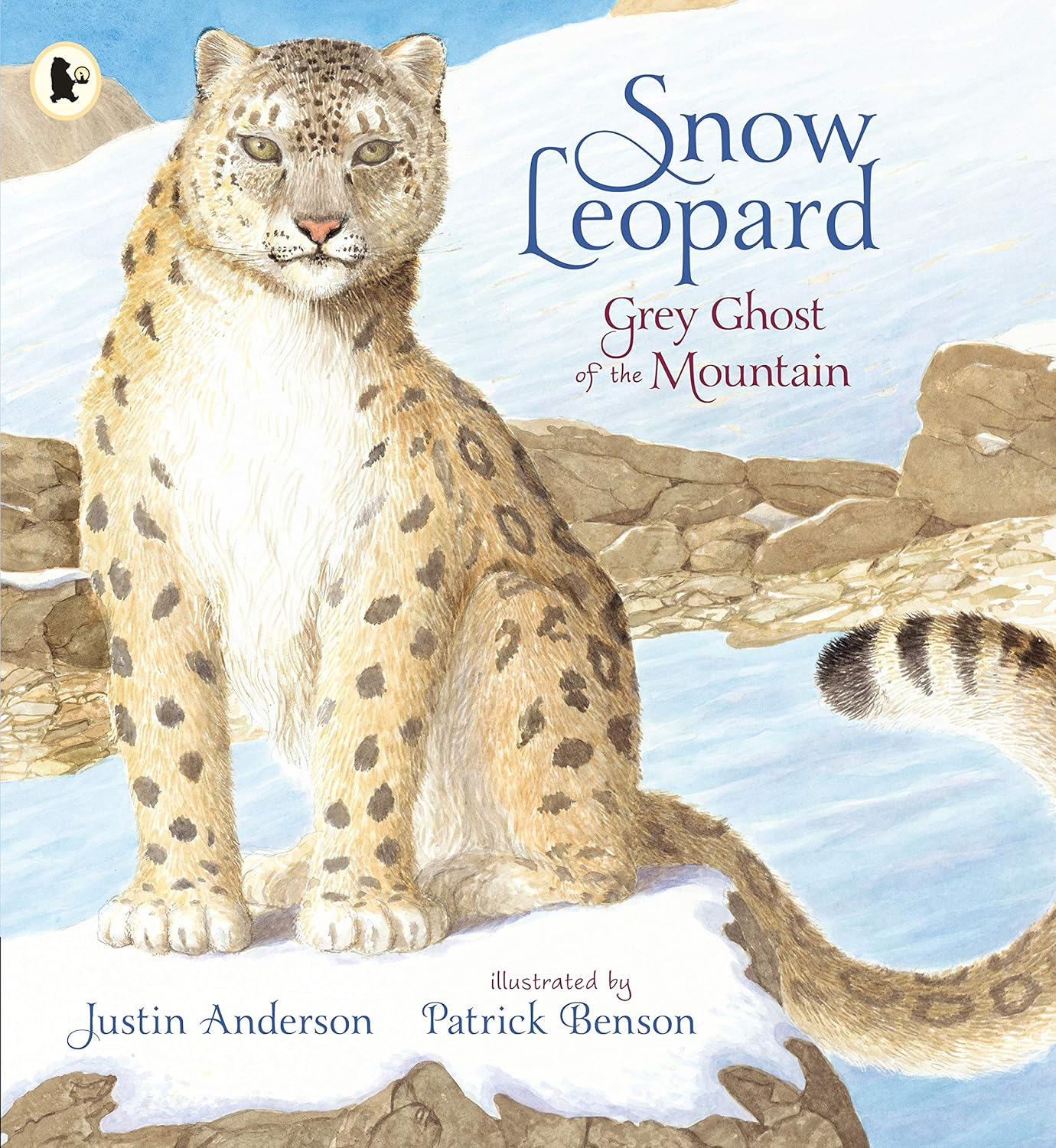
Reclusive Snow Leopards
These beautiful creatures roam the remote mountains of Central Asia, blending into the rocky slopes with their smoky-grey fur, with black spots sand rosettes. Their thick coats and natural snow-shoes, make them ideal for these cold temperatures.
They tend to hunt on steep terrain for sheep and goats, but are rarely seen, earning them the name ‘ghost of the mountains’. But poaching and loss of natural prey means they are very endangered.
Majestic Lions
Lions are very social cats that live in prides, family groups led by females, and males with their unmistakable manes. Lions roam mostly on grasslands and open woodlands in Africa and Indian forests, and hunt in teams to eat large animals like buffalo and zebra.
Lion Lights are helping farmers and lions to peacefully co-exist, jaguars, cheetahs and wildcats.
British hunters have killed over 60 lions since Cecil, yet the import ban is being debated). Ornithologist Hamza Yassin says ‘If hunting is a sport, let the animal have a rifle as well, and let it fire back at you’.
Rainforest Jaguars
Jaguars live in the rainforests of South and Central America, beautiful big cats with gold coats and bold black ‘rosettes’. Their powerful jaws can even crush turtle shells, they also hunt in rivers for fish and capybaras, due to being excellent swimmers.
Their main risk is deforestation, so avoid palm oil and rainforest beef. And only buy sustainable soy.
Spotted Leopards
These very clever and adaptable big cats live on savannas and in mountains in Africa and Asia, where their spotted coats offer camouflage in many landscapes, to hide from trouble and sneak up on prey.
Leopards can climb trees, so they often hunt birds to antelope, then haul the dead creatures up trees to eat. Their main threats are habitat loss and hunting.
Asian Clouded Leopards
Clouded leopards are smaller, using their cloud-shaped markings to help them hide in southeast Asian forests. They have flexible ankles and sharp claws, to help them move through the canopy.
These leopards mostly eat birds, small mammals and monkeys. Again their habitats are shrinking, due to logging and farming. So protecting their wild homes is key.
Super-Fast Cheetahs

Cheetahs are able to sprint faster than any land animal, due to their slender bodies. They have spotted coats and unique tear-shaped markings under their eyes, so are easy to recognise.
These creatures need open plains to chase gazelles and other small prey, so loss of habitat is their main risk. Unlike lions and leopards, they don’t climb well nor fight over food, so rely on speed and eyesight.
Cougars (mountain lions)
Also known as pumas or panthers, cougars roam the mountains of North America (and sometimes South America). Mostly hunting deer, their main threats are habitat loss and motor cars (the world’s biggest wildlife crossing being built in California is hoping to help).
Meet the Cats (an around the world adventure)
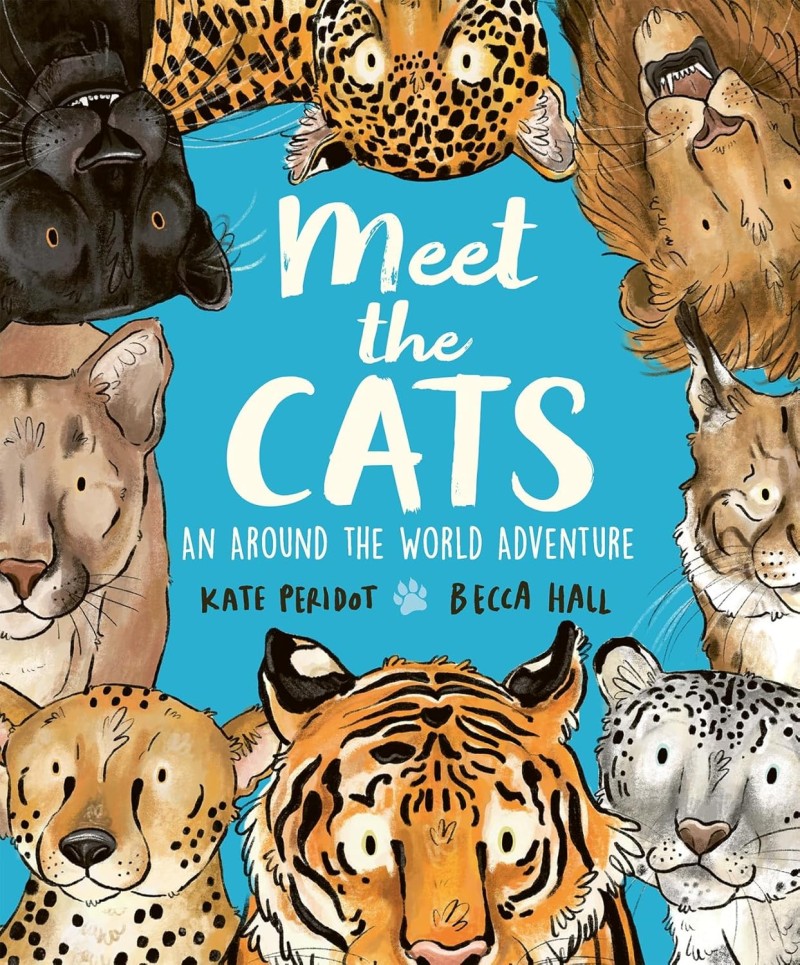
Meet the Cats is a fun around the world adventure, to meet eight of our endangered big cat friends. You’ll meet big cats that roar from high mountains, some who live on hot savannahs, and others that live in tall trees!
Explore the stunning landscapes where big cats live, and find a comparison chart to see how they compare, and a world map filled with big cat hotspots. You’ll even pick up tips on how to draw these clawesome creatures!
Big cats featured include:
- Tigers (less than 5000 left in the wild)
- Lions (brilliant parents, he’s king of the jungle!)
- Cheetahs (the fastest land mammal)
- Snow leopards (reclusive in the mountains)
- Panthers (big cats from the Americas)
Kate Peridot writes children’s books from her home in the south of France. She studied creative writing at The London School of Journalism and when not writing, likes to hike, swim and explore the world.
Illustrator Becca Hall lives in Cornwall, and graduated from Manchester School of Art with a first class honours degree. When not painting, she can be found surfing, walking with her dogs or enjoying a cuppa and slice of cake in one of the many local tea rooms.
How to Help Our Big Cat Friends
All eight species of big cats are now endangered, with less than 5000 wild tigers left. Here are ways to help:
- Avoid palm oil (to keep forest homes intact for big cats).
- Write to your MP to demand the ban on trophy hunting imports becomes law (presently, some peers in the House of Lord are delaying the Bill by waffling on, due to vested interests).
- If you have TCM (traditional Chinese medicine), ask for written guarantees that no body parts of animals are used (tiger or rhino horn etc). It’s illegal, but some still get through.
- Never visit animal zoos. Wild animals are bored and miserable. There are plenty of organisations doing conservation world in their natural habitats. If you have any concerns at zoos here or abroad, report to Born Free’s Raise the Red Flag program.