
The Abundance Network: legally rescue surplus fruit
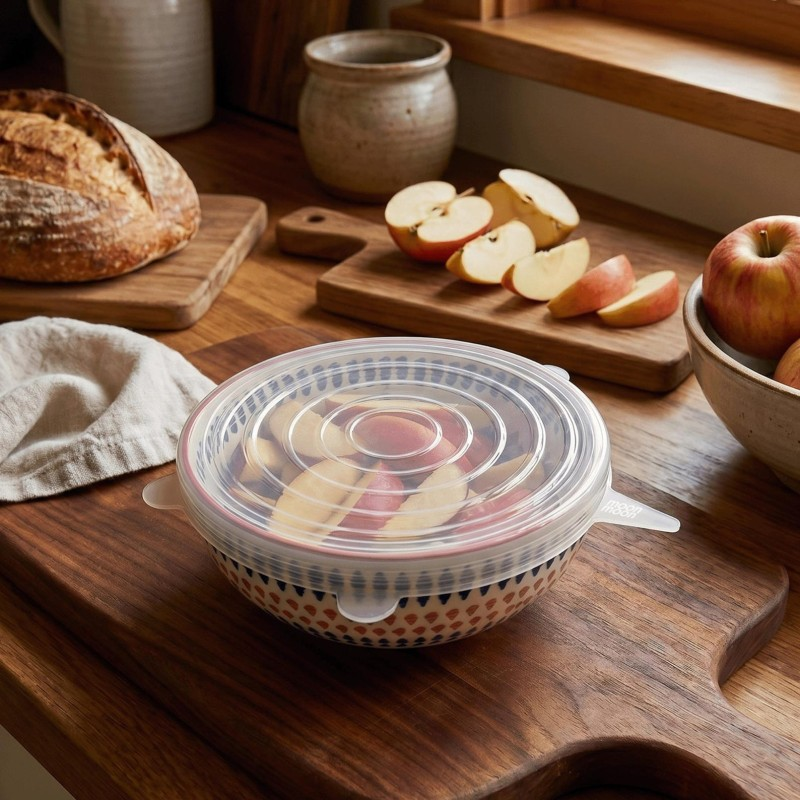
Each autumn, streets, gardens, parks and orchards can become filled with fruit. Apples hang from branches, pears ripen faster than people can eat them, and plums fall onto lawns and pavements.
Some fruit is eaten by wildlife. But the idea of ‘legal scrumping’ is to rescue surplus fruit to feed local people, rather than leave it going to waste.
Years ago people in poverty would ‘scrump apples’ from trees. Of course this is still illegal. Sheffield’s Abundance Network has created a free handbook to show people how to do this legally, by linking people with large gardens (but perhaps no fitness to climb the trees or harvest the windfalls) with volunteers.
Why is so much fruit in England wasted?
Fruit trees are very productive, once they get going! One person may plant an apple tree and find that when mature, it produces more fruit that can be eaten.
Fruit can also ripen in a short period. A tree can go from having little fruit to producing several boxes worth within weeks. And unless you are an expert at storing produce, it’s likely the rest will go to waste. Even commercial orchards may struggle to sell all the fruits, due to lack of labour or weather conditions. And once it drops to the forest floor, fruit very quickly goes rotten.
How the Abundance Network scheme works
After downloading the handbook, a community basically connects people who have surplus fruit, with people who can use it. A tree ‘owner’ can contact the local network, and request volunteers to rescue fruit from their garden or orchard.
This is done by fit volunteers with ladders, fruit baskets and tarpaulins to catch falling fruits. Once collected, the fruit is assessed for quality, then divided between recipients, with of course some going back to the landowner, to say thank you.
What fruits can be rescued?
Apples are obviously the main fruits, but other fruits also can be harvested: pears, plums, damons, cherries and even quinches or berries from bushes. Different fruits harvest at different times. So a local Abundance Network may have volunteers operating throughout the growing season.
Early fruits may appear in summer, while apples and pears can provide large autumn harvests. Fruits with minor blemishes are usually fine, while rotten or contaminated fruits are sadly discarded.
Once fruit has been collected, it’s divided between the volunteers and landowners. Some fruits are then used in local community kitchens to make desserts, sauces, crumbles, pies or chutneys.
How to rescue surplus fruit safely
In most cases, this involves volunteers climbing ladders with fruit baskets, so they should be fit and know what they are doing.
- Ensure good stable ladders are used, and be aware of wet branches, strong winds and slippery ground in adverse weather.
- Fruit should be collected in clean containers to avoid unnecessary bruising and contamination. And volunteers should also be aware of contamination and pesticide use issues. Rotten, mouldy and unsafe fruit should obviously not be distributed to anyone.
- Abundance Network says for it’s good to choose gardens with side gates, so you are not walking through people’s homes to get to their fruit. It’s also good to only pick fruit a few days before it’s going to be used.
- Also invest in a bit of good equipment like telescopic poles and baskets to drop the ‘shaken apples’. You’ll likely also need liability insurance. You’ll also want comfy bags to carry harvested fruit.
If making juice invest in a pasteuriser, to make it safe for people to consume (unless sterilising all the containers yourself). Avoid unpasteurised juice for pregnancy/nursing, children or weak immunity.
Heat your oven to 160°C, gas mark 3. Then place jars and lids (which have been washed, rinsed and drained in hot soapy water) in the oven for 15 minutes (remove rubber seals and simmer in water for 10 minutes). Turn off the heat and then use the jars, while warm.
- It’s best not to take dogs with you, as fruit pips and seeds contain natural cyanide, and can even cause alcohol poisoning. Apple chunks are choking hazards for babies and swallowing difficulties.
- Carrots and apples are nice treats for horses. But always ask permission, as some can’t eat them due to risk of colic (and should only be fed in moderation due to sugars).
- If given permission, slice carrots lengthwise (not into round coins) and cut apples into quarters (or slices) and remove core and seeds. Feed from a flat palm (to stop horses accidentally nipping your fingers).