Free food from leftover harvests: Gleaning Networks
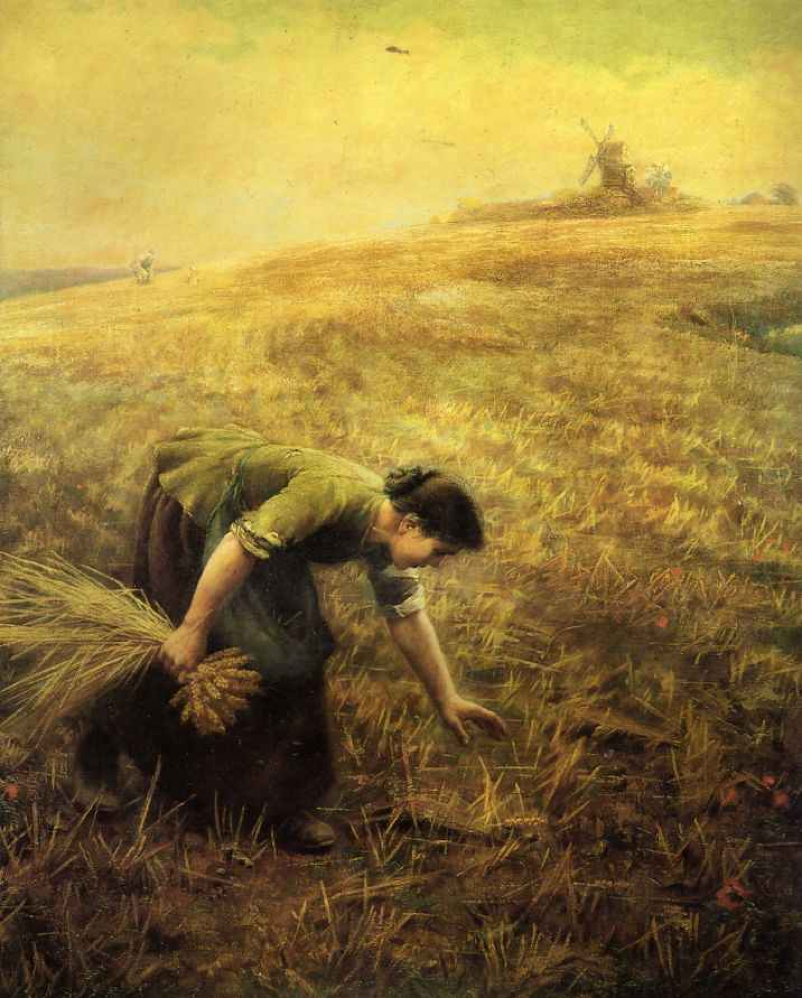
Each year, farms (and gardens) produce enormous quantities of food that never reaches a supermarket. Vegetables may be left in fields after commercial harvesting, fruit may remain on trees, and sometimes perfectly edible produce is rejected, due to being the wrong size or shape.
Gleaning simply means collecting edible crops that would otherwise be left behind or wasted. Volunteers work with farmers, growers, charities, food banks and community kitchens, to recover surplus harvests, in order to feed local people.
The tradition of gleaning goes back centuries, when often people of faith would visit farms to collect leftover crops (potatoes, carrots, onions, apples, pumpkins, cabbages and berries) to feed parishioners.
Food Recovery Network shows how to start a gleaning network, and lists branches worldwide.
Why is good food left behind on farms?
One common reason in today’s world is appearance. Commercial buyers have specifications for the size, colour, shape and appearance of fresh produce. Vegetables that don’t meet those specifications (if not rescued and sold as ‘wonky produce’) often get left behind, despite being safe to eat.
Some farmers may also grow more food than the market requires. A particularly productive season that results in a ‘bumper crop’ can result in surplus food. Sometimes it also not be financially practical for a farmer to harvest every crop, due to the cost of hiring labour.
And sometimes cancelled orders and changes in demand can result in agricultural surplus. Which is why campaigners want better deals for farmers, so supermarkets can’t cancel orders at the last minute.
How do gleaning networks work?
It basically connects farmers with volunteers and organisations, who can make use of the surplus food. For instance, a farmer may contact a gleaning organisation to say he or she has surplus produce. It is then collected by local volunteers.
The food is then inspected and sorted (rotten or unsafe produce is removed). And safe food is packed for distribution. The food is then distributed to those who need it like food banks, community kitchens, homeless shelters etc.
What types of leftover food can be gleaned?
Gleaning focuses on fresh produce from farms. So we’re talking mostly vegetables that are frequently grown in excess (potatoes, carrots, onions, pumpkins, squash, cabbages, beans and leafy vegetables). Courgettes should always be organic, as sometimes non-organic ones can contain disease.
Fruits are also gleaned from trees in farms and orchards (apples, pears, plums, cherries and berries – plus seasonal fruits).
Some gleaning projects also recover surplus crops from allotments and community gardens. The type and quantity of food available simply depends on the season, local area, weather and relationships between gleaning organisations and growers.
Is gleaned food really free?
Yes, it is! Of course it does in a way cost the farmer, as he or she is giving away some of the ‘lost crops’. But it’s better to do this, than to have it go to waste. The costs of harvesting and distribution are covered by volunteers with gleaning organisations.
In fact, gleaning can be beneficial for farmers. Local people begin to appreciate them for the hard work they do in growing local produce. And it’s rewarding to see surplus produce being eaten, rather than wasted