The brave women founders of RSPB (a history)
The RSPB was founded in 1889 by a small group of women who campaigned against feathers being used to make hats, which was sending many species (including little egrets) almost extinct. In a time when most people wore hats, this was a bit like the anti-fur movement today. With many hat-makers refusing to sell hats with feathers.
Read how to creating safe havens for garden birds, and how to stop birds flying into windows.
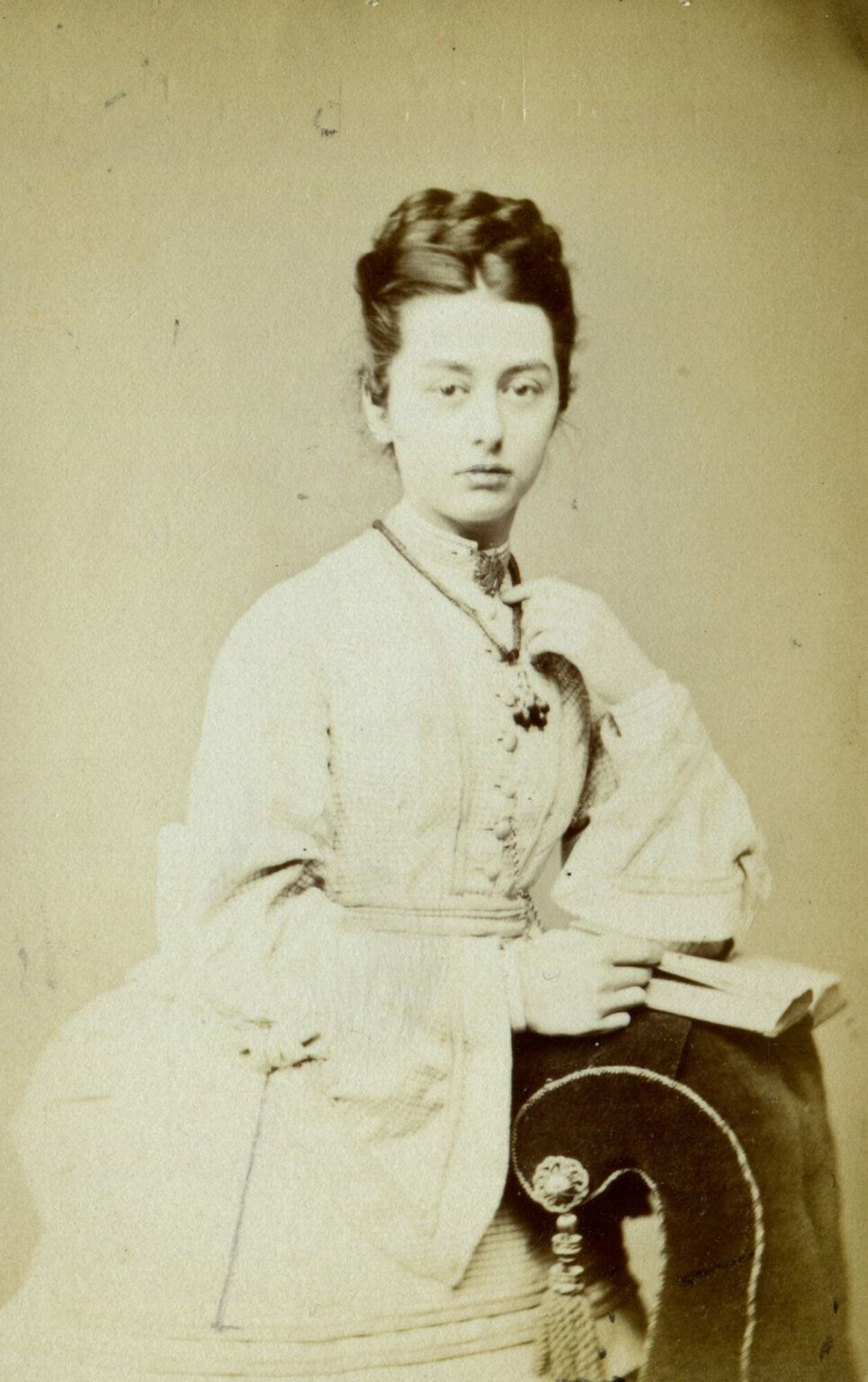
Emily Williamson (above) and others founded the society around 1903, inviting fellow female conservationists to her Manchester home to sign a pledge not to wear feathers. This was mostly to help her favourite species (the great crested grebe).She called the hat trade at the time ‘murderous millinery’.
Her letters to the British Ornithologists’ Union were ignored, so she and others founded the ‘Fur, Fin and Feather Folk of Croydon!’ And in 1921, an act was passed to ban the import of exotic bird skins.
Emily and her solicitor husband Robert Wood had no children, so put their energies into a large Alpine garden near their home, which today is Fletcher Moss Botanical Gardens, a haven for local wildlife. She also founded a training collage for midwives and other organisations to help women’s education and employment.
Dogs are allowed in some areas of the park with rules and restrictions.
Professor Melissa Bateson (a respected zoologist who specialises in the behaviour of European starlings) and her late father (Professor Sir Patrick Bateson who spend his life studying birds) researched their ancestry, and found they were related to Emily!
Etta Lemon (campaigned against ornithologists)
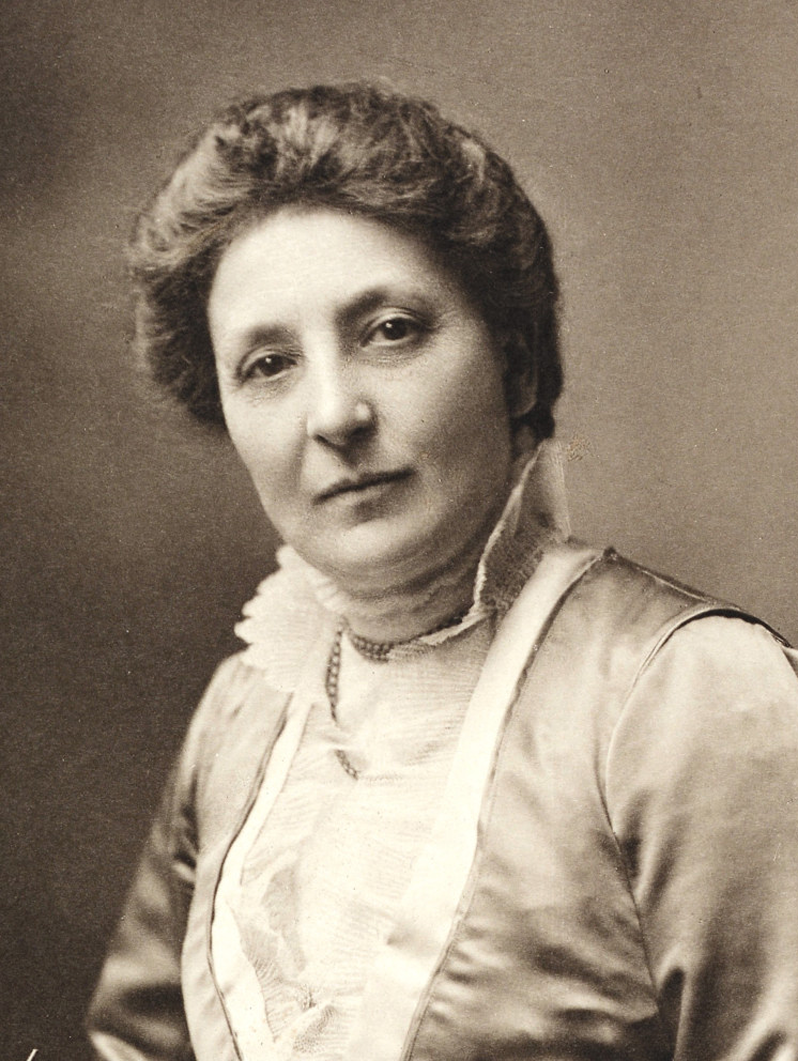
Etta Lemon also played a role in founding the RSPB. Born into an evangelical Christian family, she fell out with many ornithologists over their habits of collecting eggs and killing birds to study their skins. Seeing gthem as part of the problem that she and others were trying to solve.
Eliza Philips (campaigned for all creatures)
Eliza Philips was born in Wandsworth and began her animal welfare campaigning, after seeing cattle suffering on a sea voyage. She lived in Tunbridge Wells, and was also involved in helping to found the RSPCA.
After being widowed twice, she dedicated her life to educating (often wealthy) women on teh animal welfare and environmental damage caused by wearing feathered hats. She also campaigned against real berries used on hats, saying they should be left for the birds to eat.
Half of her estate (over £7 million today) was left ‘for the protection and relief of suffering of beasts and birds’). There appears no photo of her, so we can just honour her in spirit.
Why did hats use feathers?
In the late 1870s to 1930s, the main hat-making industry was in Luton (Bedfordshire), now more known for its airport and campaigns not to build a second runway (which will =decimate local hedgerows and wildlife).
At its peak, Luton made around 70 million hats a year, so you can imagine in an age when hats had feathers, how many birds were being killed. At one time, the town had over 500 hat-makers. Thankfully today, the few remaining hat-makers here tend to make panama hats, from straw.
Worldwide, a few hat makers still use feathers (usually as by-products of birds shot at country estates. Others make hats with feathers from factory-farmed turkeys.
There is no need, as you can create the same effect from banana tree stalks (produce quill-type feathers) and bamboo yarn. Modern makes only use them for events like Ascot (where there are separate concerns for horse racing welfare).
What does RSPB do today?
Today, RSPB is a huge conservation charity with over 1 million members. Like all big organisations, it has its critics (it controversially sometimes kills crows and foxes to ‘protect ground-nesting birds’) when there are other methods like restoring natural habitats.
Another mystery is why RSPB does not sell Feather Friendly visual markers (which are proven to work better than decals to help stop birds flying into glass windows). It could also promote FLAP programs to prevent bird strike, and promote ‘bird-friendly glass’ with etchings that birds can see.
Others are not happy that the charity supports large-scale wind turbines (modern bladeless ones have now been invented, to alleviate wildlife concerns with clean energy.
It’s a shame, as apart from that, the charity does great work. It has restored wetland reedbends, helping to bring just 11 booming male bitters back up to over 200 birds. It also lobbies for tougher laws on wildlife crime and nature-friendly farming practices.
It was the RSPB that helped ban industrial sandeel fishing to protect the primary food source for puffins (those silvery fish you see in photos), which also benefits other endangered seabirds. And campaigns for builders to use swift bricks and hedgehog highways for housing developments.
Like the National Trust, RSPB is one of England’s biggest landowners, with over 220 nature reserves, using funds to buy depleted landscapes like Roundbarrow Farm (a former intensive dairy farm in Wiltshire, that is now a chalk grassland reserve). This is helping also to restore habitats for otters to red squirrels (habitats are the main way to save them, not culling greys).
Quite a feisty charity (like Emily herself!)
In 2023, the charity clashed with then-Prime Minister Rishi Sunak (and former ministers Michael Gove and Therese Coffey) over breaking pledges to protect the environment. It accused them of weakening rules to scrap water pollution restructions for new housing developments.
It also is not afraid to call out the Countryside Alliance for not doing more to prevent floods and protecting illegal birds of prey, within the bird shooting industry.