England’s Seagulls (protect their seaside homes)
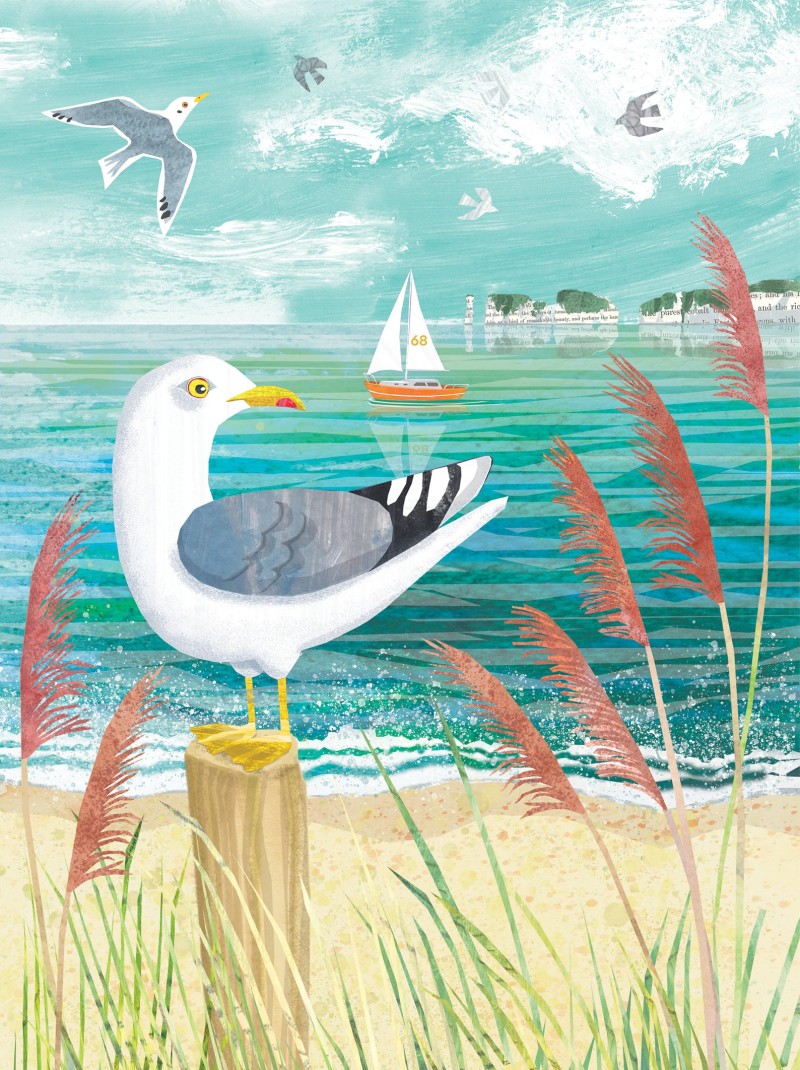
Seagulls are are large, intelligent birds and some of the best parents in the bird kingdom. They have special glands to filter salt out of seawater to drink, and of course naturally eat fish (not ice-cream or bags of chips).
Seagulls are protected creatures. You can report concerns to Crimestoppers (anonymous).
The best way to help seagulls is not to encourage them into urban areas, where they live off food that is not natural for them, and brings them into contact with dogs, cars and people who don’t like them.
Never disturb birds near the coast. This causes them to fly off (wasting energy that could be used to find food). Also disturbing birds can cause them to abandon nests. Read more info on helping seagulls.
Seagulls Keep Coastal Ecosystems Healthy
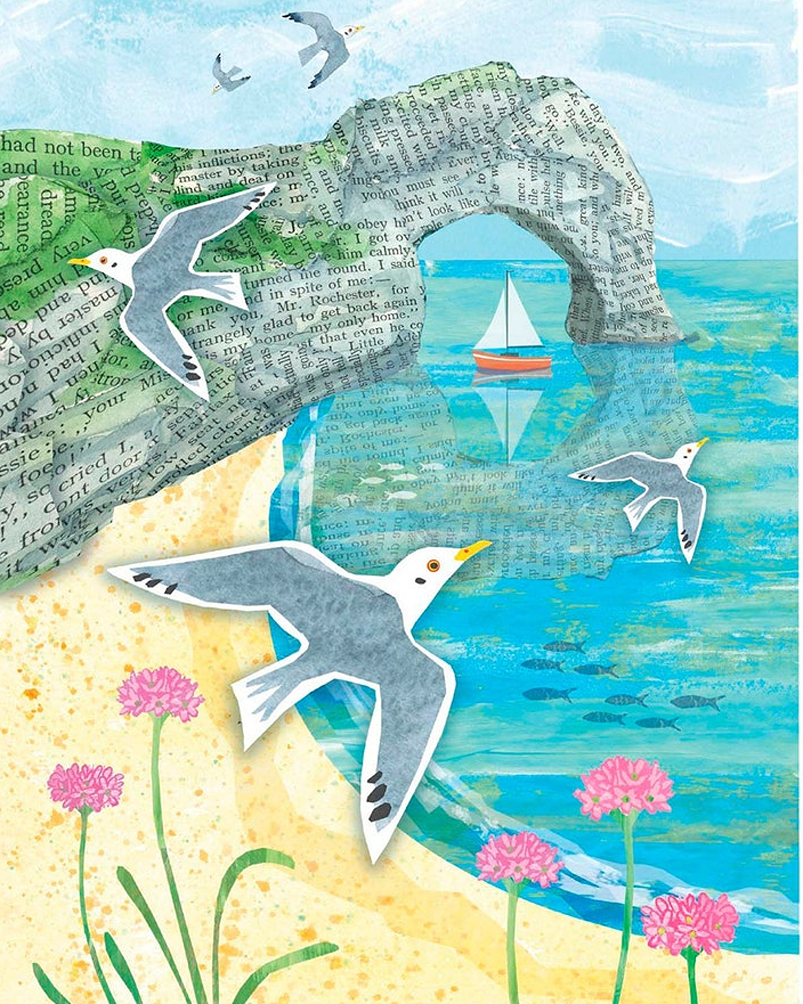
Seagulls play a key role in the food chain. By feeding on fish scraps and insects, they help to keep the coast clean. Too much building near coastal areas (like car parks) removes natural nesting spots, and that’s why gulls end up coming inland, leading to complaints and dangerous netting.
Each spring, seagulls return to the coast to breed and raise chicks. Leaving quiet places at the coast helps all coastal birds to raise the next generation.
Black-headed gulls actually have chocolate-brown heads, which turn white with dark spots, in winter. These noisy and social birds are found in flocks, with ‘laughing calls’.
Smaller than most seaside gulls, they have red legs and bills, which darken during breeding season. Some live in England year-round, and others migrate from Europe in winter, others migrate south to the Caribbean in winter. Although some live on the coast, black-headed gulls prefer wetlands habitats.
How to Humanely Deter Seagulls
Most birds that ‘divebomb’ you have eggs or hatchlings nearby, and are simply trying to feed them. If they do go for you (or your chips), wear a hat or use an umbrella.
Unless they are starving, don’t feed seagulls as it just encourages them to depend on humans (especially if you moved, went into hospital or even died). In summer (when there are plenty of scraps around), just slowly reduce food until they are back to being indpendent.
Never give any birds stale/mouldy/crusty bread, salty foods or fatty foods – this can smear on feathers, affecting waterproof and insulation).
Gull-proof sacks have mixed reviews. They are promoted as black bin bag alternatives, and can’t be ripped apart. They are made from a strong material to be emptied into dust carts, and returned to you, to fill again.
Some councils have halted trials, as gull-proof bags are really only for ‘dry waste’ to avoid wet bags that could get mouldy or attract rats. Some also report that when left outside, they fill with air and travel down the road.
PiCAS is an organisation of bird experts that offer services to offices, councils, hospitals etc. They use humane solutions to deter gulls, pigeons and doves, that work better (and are more affordable) than lethal control). Humane Wildlife Solutions Gull Helpline can also help.
If you are replacing netting (a good idea, never use this as it traps all birds and wildlife) with ‘harmless spikes’, choose a good brand that knows what it’s doing. Some brands don’t work and could harm.
Defender Seagull Control Spikes are from a quality brand that also offers spikes to deter pigeons and other birds. These are made from extra-long 304 grade stainless steel and make it difficult for birds to land, without harm.
The site has extensive info if you’re not sure what to choose, or you can call them on the phone for help and advice.
How to Help an Injured or Orphaned Gull
Seagulls are excellent (repeat, excellent) parents. So if you see an ‘abandoned gull’, nearly always the parents are watching from a roof somewhere. As they grow, seagull parents sometimes leave their young for up to a few hours, to learn to find food themselves.
If you are sure a gull needs help, call your local wildlife rescue for help (it’s illegal to disturb nests). Help Wildlife has advice. If the wildlife rescue cannot visit the scene, they can advise on what to do.
This will usually involve placing the bird in a box (with punctured air-holes – avoid tassels on towels) and taking it to them (or a vet who can rehab the creature until transfer to a wildlife rescue.
Or humanely put the creature to sleep if needed – there is no charge to you, RSPCA covers costs for wildlife usually).
Books to Learn More About Seagulls
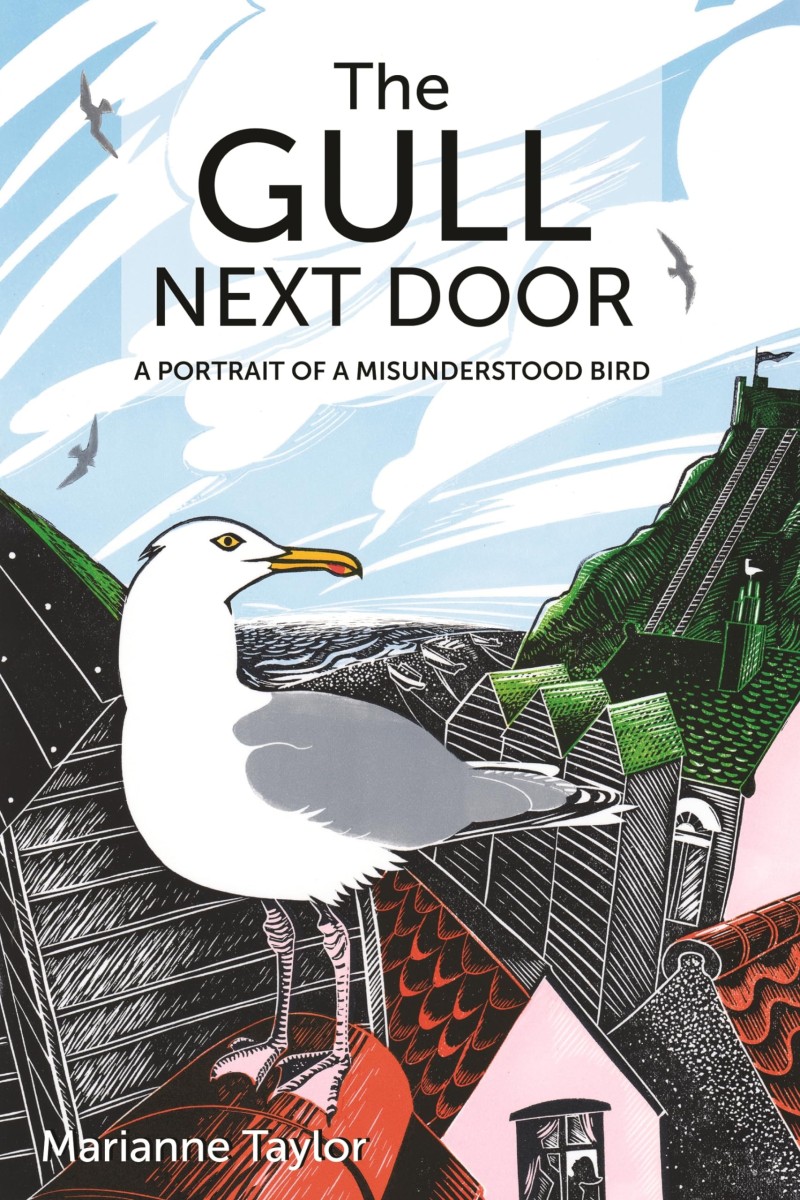
The Gull Next Door is a beautifully written portrait of a misunderstood bird. The author grew up in an English seaside town and is a passionate advocate for these underappreciated birds, and looks at how we can protect them.
We lived in a tall thin house on the West side of the Old Town, which had a thriving herring gull population.
They built their homes on the roofs of ours, scruffy nests of dead grass stuffed between the chimney pots, and they commuted to the beach for their daily diet of stolen fish and scavenged chips.
By early summer there were fluffy grey chicks hatching from eggs, and soon these youngsters were out and about, pattering across the rooftops.
If you’re a Brit, the gull you’ll know best is the herring gull – the one that steals your chips and poops on your car when you visit the seaside.
Landfill looks at how we should admire gulls (intelligent birds that have simply adapted to modern life). Seagulls are scavenging birds, but this means it’s important to avoid littering.