Peace with Pollinators: Humanely Deter Wasps
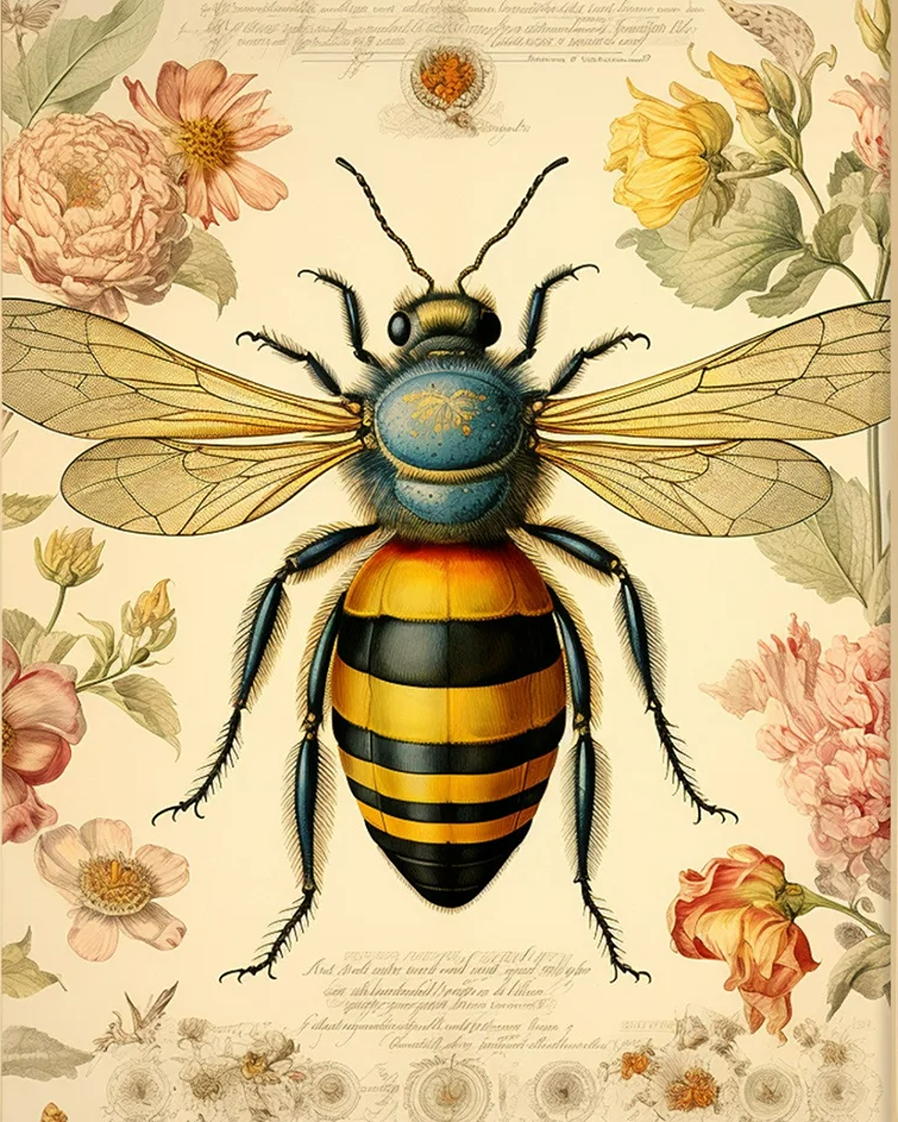
England has 7000 species of wasps (including a ruby-tailed ‘cuckoo wasp’ that lays its eggs in nests of other species). But we only really see a couple common wasps, which after their nests die, have nothing much to do but go around finding sugary treats. Which is why they go for windfallen/rotten fruit, cans of coke, ice-cream and jam sandwiches!
If you can, just leave wasps alone. Like bees, they are important pollinators, and also provide natural pest control, eating up caterpillars and aphids in the garden. Most will only sting you, if you disturb them.
But if you are bothered by them, there are a few simple tips you can take, to humanely deter wasps. Plus below is advice on how to humanely remove and move a wasp’s nest, if you need to. And what to do if you get stung.
The Waspinator (a scarecrow for wasps!)
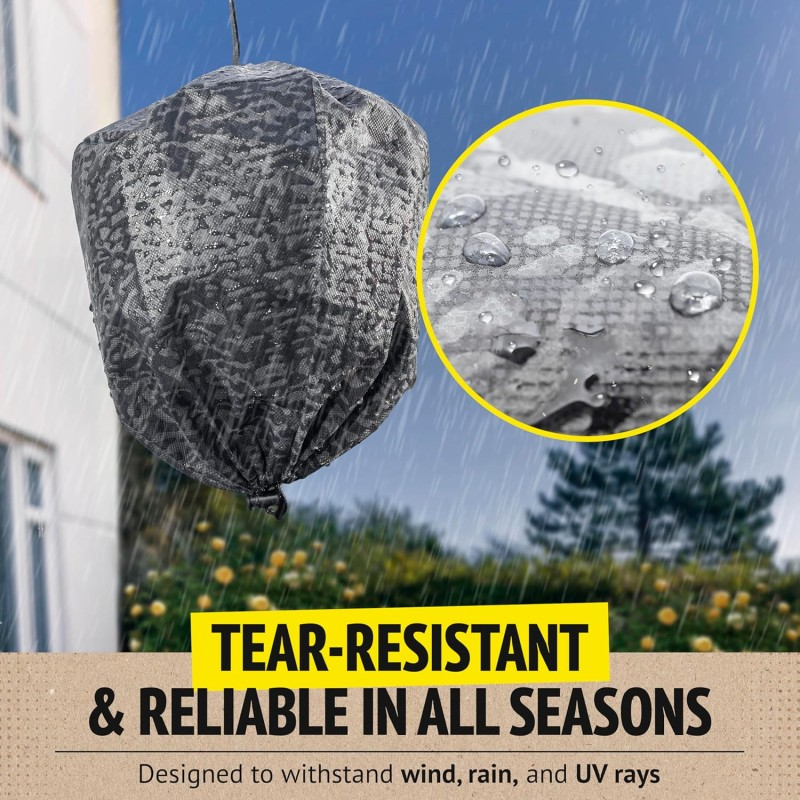
Waspinator looks like a brown paper bag, and is a ‘scarecrow for wasps’. Wasps are very territorial, so once you’ve opened it up (stuff with newspaper in windy weather) and tucked the drawstring inside – you just hang it by the loop, and wasps won’t come anywhere near.
You can use this under umbrellas. Or even take on picnics, or while camping or caravanning. This invention has super reviews, and is recommended by gardener Monty Don.
This won’t work to deter wasps if nests are already in garages and lofts. You’ll have to just wait until they leave, or manually remove the nest (below) without harm.
Other ways to deter humanely wasps
- Keep lids on sugary foods, and avoid ‘open’ foods outdoors like sugary snacks. You should always pop ring-pulls over cans of drink anyway before recycling (and step on cans to pinch rims together), to avoid wildlife getting trapped.
- Feed pets indoors, as carniverous wasps may take meat back to nests. Cover barbecues, when not in use.
- Wasps will drink from wet towels (leave out shallow non-glazed bowls for wildlife away from pets, with flat stones as landing pads).
- Some suggest leaving out a half empty jam jar, as wasps will go there, instead of bothering you. But do ensure it is a shallow jar so wasps can easily escape to fly off.
- Don’t wear perfume, scented deodorants or bright coloured clothes. Also avoid walking barefoot and wear long sleeves and trousers.
- Never block entrance ways, as wasps may chew through walls or plasterboard. Never use fire or physical force, these are not just unkind but you will also get stung badly.
- You can spray a mix of 15 drops of peppermint oil in a 250ml spray bottle of water, to deter wasps around doors, windows, eaves, patio furniture and under deck railings. Reapply every few days and after rain. Not near pets.
- If wasps are nearby, mix equal amounts of cleaning vinegar and white in a spray bottle, and use that instead (it will remove pheromene smells that entice them back).
- Wasps dislike mint and basil, so you could plant these near where you sit, to deter. Or plant things they do like (lavender or fennel) elsewhere, to entice them to other places. Avoid toxic plants like sweet peas, if you live with pets. Never face indoor foliage to face gardens, to help stop birds flying into windows.
- Although wasps don’t like cabbage, they like aphids and caterpillars that live on them. So you could plant an ‘extra patch of cabbages’ elsewhere, again to entice them there instead.
How to humanely remove a wasp’s nest
- If you can, just leave the wasps’ nest. It will die off naturally in late autumn, and wasps never return to the same nest the next year. So you can safely remove them after a long period of winter weather.
- If you have to remove one, do so at night or early morning, when wasps are dormant and lethargic (wear protective clothing including for your face).
- Use a large plastic container to place over the nest and scoop it up, using a piece of cardboad to contain the wasps. Then move to somewhere safe nearby (say near a tree or meadow). Move away quickly when you remove the cardboard to avoid getting stung!
Avoid wasp sprays, these attract more wasps (even dead wasps can sting). And they contaminate soil, and are harmful to wildlife, pets and children. Recycle empty cans at kerbside, or take half-empty containers to toxic waste at your local tip.
How to treat wasp stings (people and pets)
- If you have an allergy, wear a medical alert bracelet and carry an Epi-Pen so someone can jab it into your thigh, if you have a reaction.
- Clean the area with mild soap and water to remove bacteria and venom, and dab with a mild acid like diluted vinegar or lemon juice to alleviate alkaline pain. Keep limbs raised, if stung on the arms or legs.
- Apply a cold pack in a cloth for 10 to 15 minutes, and take painkillers if needed.
For pets, gently wipe site with pet-safe (unscented) soap and water. Unlike bees, wasps rarely leave a stinger behind (if so, scrape away with a fingernail or credit card). Add a paste of baking soda and water, then hold a cold towel against the sting for 10 to 15 minutes. Consult your vet immediately in the case of allergies, emergencies (breathing, swelling or faintness) or if the sting was multiple tipes or inside the mouth/throat.
Beauty of the Beasts (rethinking nature’s least-loved animals)
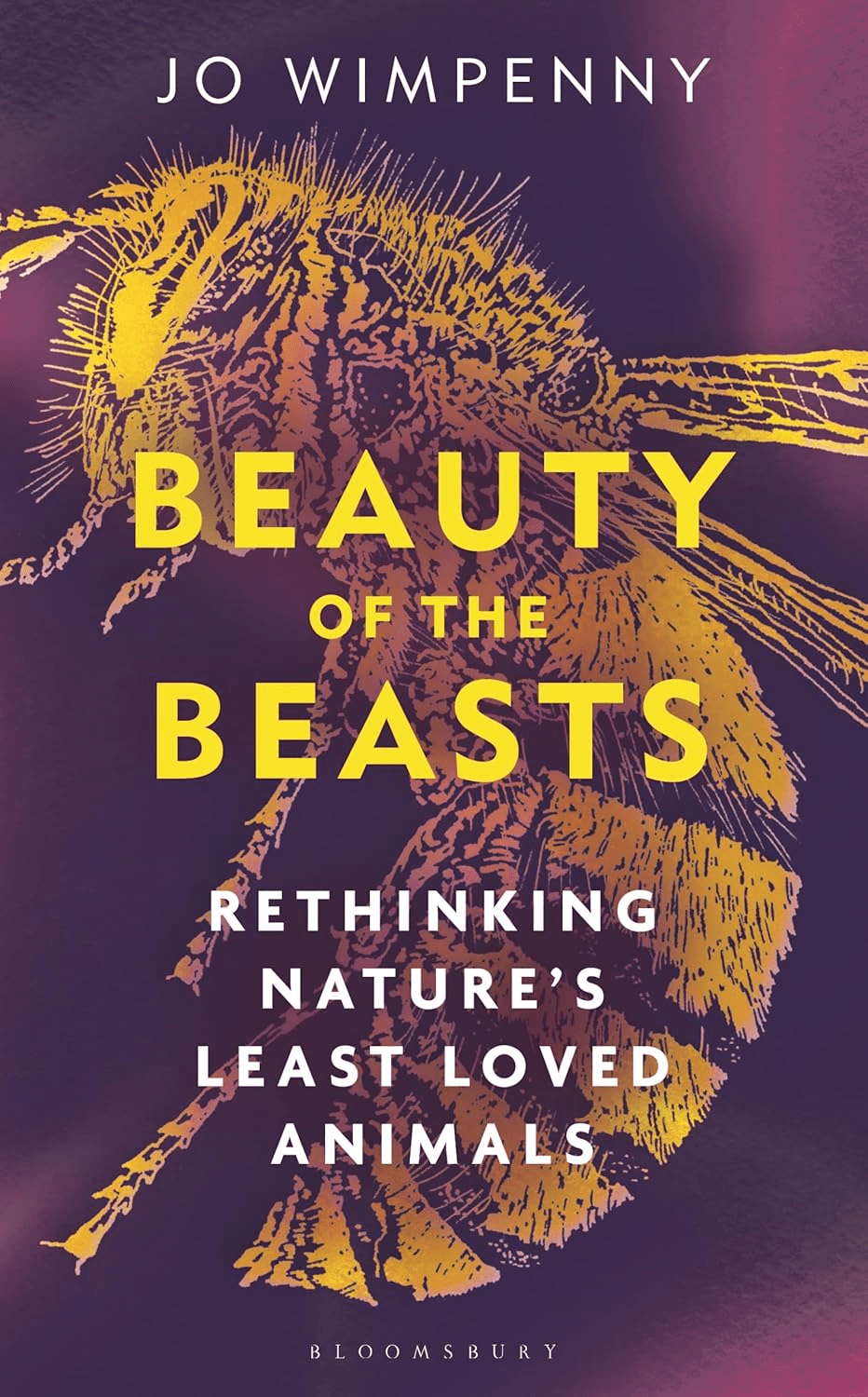
Beauty of the Beasts is an interesting book, asking us why some important creatures are not as well-love as the ‘pretty ones’. The author challenges often incorrect assumptions about ‘good species’ and sets the record straight on those that are labelled ‘pests’, ‘scavengers’ or ‘predators’.
Using the latest research, she shows how these species benefit humanity and are more sentient, than we ever thought. From wasps that provide free ‘pest control’ to snakes who are important parts of our ecosystems, to deep social bonds of crocodiles and vultures. This book will convince you to rethink our most misunderstood beasts.
While it may be tempting for some to imagine a world devoid of animals that scare us, the author explains why losing them would devastate many ecosystems. She encourages us to appreciate all creatures for what they are, and the vital roles they fulfil for all life on earth.
Another good example are endangered sharks, which are now endangered, yet remain the ‘lions of the sea’. Toasters kill more people, yet they are made out to be villains in the media. Even the man who made the film Jaws now says he regrets it, due to the negative publicity these creatures suffered.