Discover the Seas Surrounding England

As England is an island nation, our coasts face several powerful seas, which touch every part of our lives.
Read our posts for sustainable sailors (covers wildlife-friendly tips). And how to keep dogs safe by the seaside.
A Line in the World is lauded book by a writer who lives on the North Sea coast in Denmark. The coldest sea in the world stretches from the north tip of Denmark to the Netherlands, and of course is home to most of our East Coast.
The author (who says she is from ‘Denmark’s answer to Manchester’) writes how her family has lived amid storm-battered trees and wind-blasted beaches – a story of shipwrecks and storm surges, of cold-water surfers, sun-creased beach mums and sailors’ wives.
It’s a sea that in the past has been rich with fish, but issues with declining populations of puffins and kittiwakes, has led to a controversial ban on sandeel fishing, which some European fisherman are up in arms about.
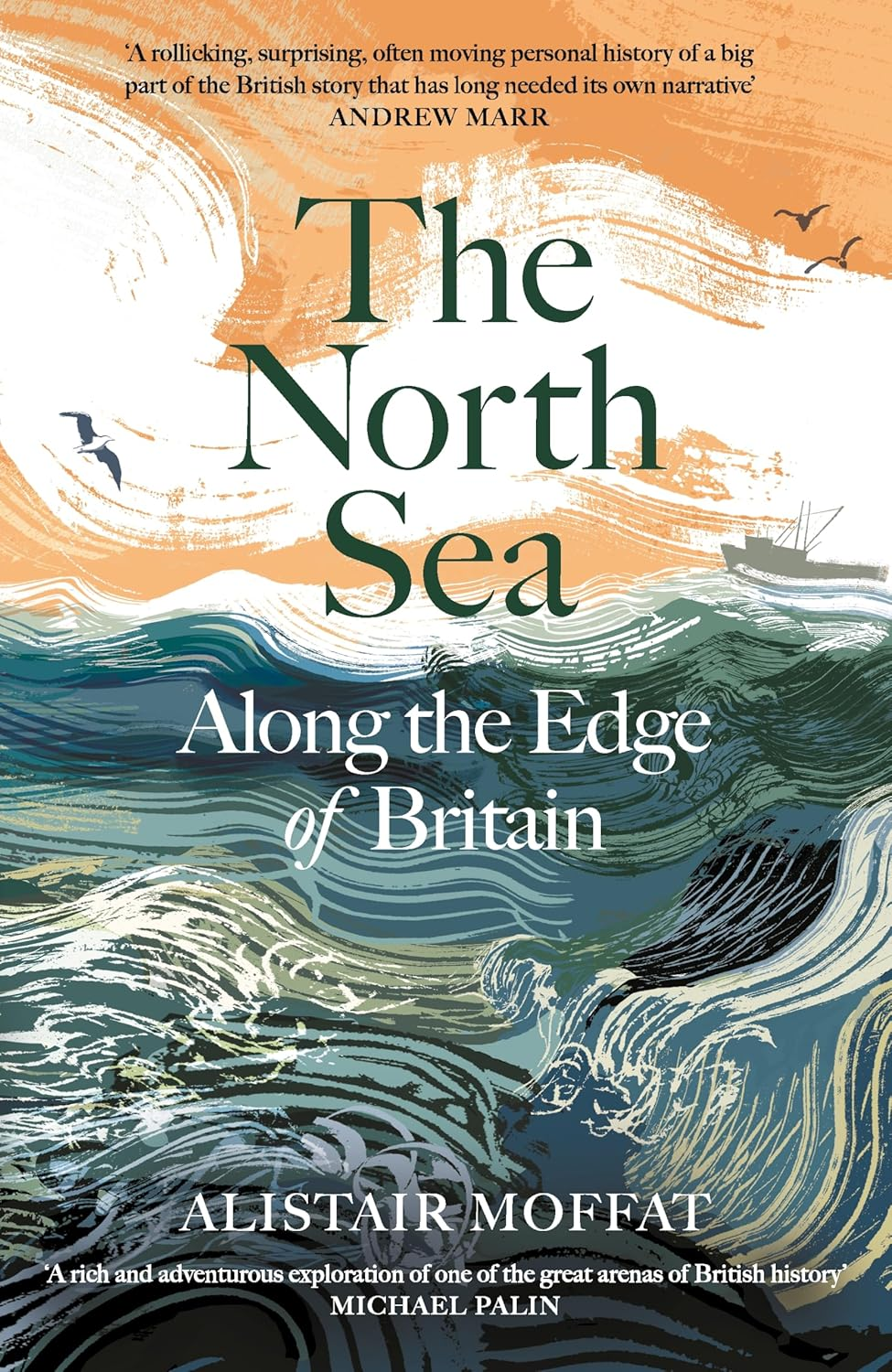
This sea (in East of England) is the world’s coldest, linking us to Belgium, The Netherlands and Scandinavia. It’s a foggy sea that also unfortunately contains busy shipping lanes, oil platforms and too many wind farms. It also includes major ports like Hull and Newcastle.
The North Sea: Along the Edge of Britain is a historical journey that traces the windswept story of the coldest sea on earth, and examines how it has shaped who we are, and how we see ourselves.
This maritime highway that faces Belgium, the Netherlands and Scandinavia, looks out from Norfolk, Suffolk, Lincolnshire and Northumberland. It runs from Kent and the Rhine estuary to the Norwegian coast and tips of the Shetland Islands (closer to Norway than London).
Popular as a resort for central England holidaymakers (Leicestershire, Derbyshire), the sea is continuing to rise, claiming land mass as the east coast crumbles and sinks.
In Norfolk, the villages of Hemsby and Happisburgh have suffered severe coastal erosion, and some villages like Eccles have literally been swallowed up, leaving ‘ghostly imprints of ancient churches’ in the sand, when the tide is out.
The author (a renowned historian) takes us on a sweeping history, from the white cliffs of Dover to flooded homes, crossing wild fenland and visiting well-worn seaside towns and windswept island monasteries.
From its sad whaling history (Whitby) to modern controversy over oil and gas drilling and offshore wind farms, this is the story of how the North Sea shaped us, and we can protect it and all the people who live near it, and creatures that live in it.
A masterful telling of the stories of the sea that has shaped our island nation. I loved it. A perfect mix of personal and historical. Gavin Esler
The North Sea also houses several islands on the Scottish coast and Danish Coast (Sylt is also known as ‘The Hamptons of Germany’, made popular in the 60s by playboy Gunter Sachs and his then-wife Brigitte Bardot).
The English Channel
This is in the south of England, the border from England to France, which is just 21 miles at one point. From many areas of Sussex and Kent, on a clear day you can see the French coast.
Of course it’s been in the news recently, as this is the controversy with the migrant boat tragedies. It’s also the world’s busiest shipping lane with cargo ships, fishing boats and ferries crossing each day, and of course under the water is the Channel Tunnel.
The Solent (seagrass meadows and chalk reefs)
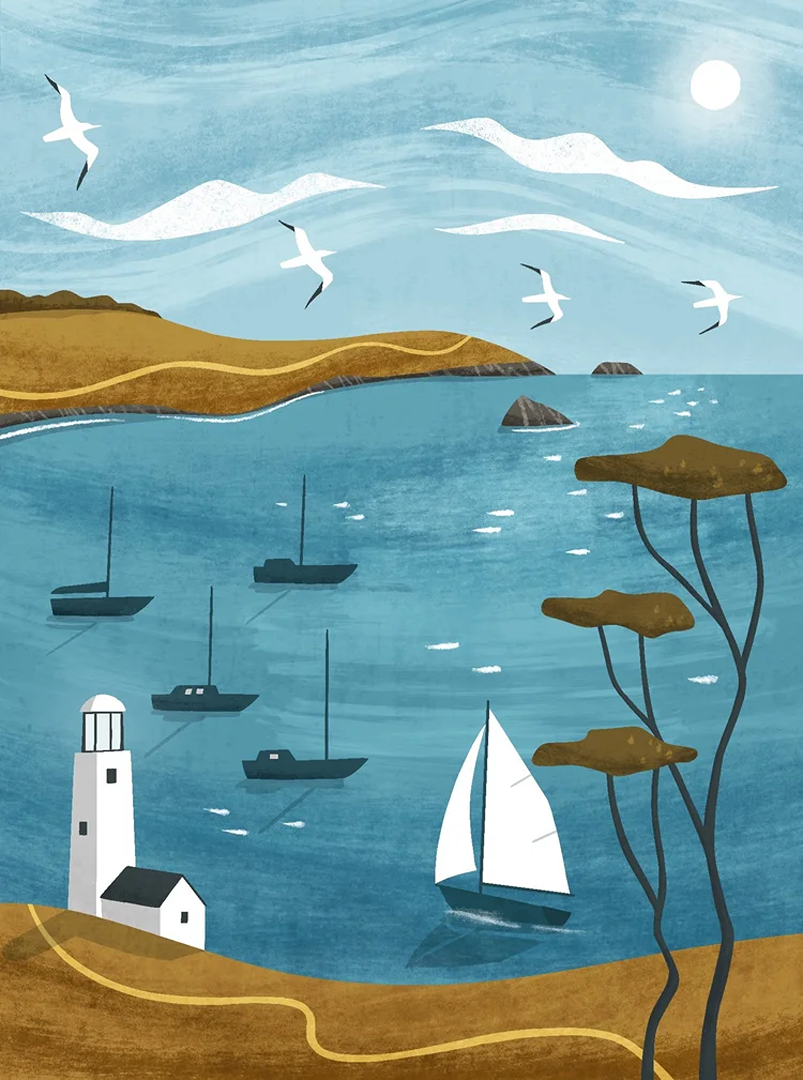
The Solent is a 7000-year old stretch of water, formed when sea levels rose during the last Ice Age, to flood the River Frome estuary, causing the Isle of Wight to separate from the mainland.
This narrow stretch of sea is a very important haven for seagrass meadows (home to endangered sea turtles and sea horses) and rare chalk reefs (like our version of coral reefs).
Hayling Island is the largest island in the Solent, with many Blue Flag beaches. The shallow waters has made it popular for water sports (windsurfing was invented here).
Never use jet skis, they harm many creatures, and cause noise pollution and accidents, and drive baby gulls and seals away from their parents. Report any wildlife crime to Crimestoppers (anonymous).
The Celtic Sea
This is a small wild sea with strong winds and rough waters, that stretches from Cornwall to the Atlantic Sea. Many seabirds and dolphins live here.
Coasts: Extraordinary Facts About Our Oceans
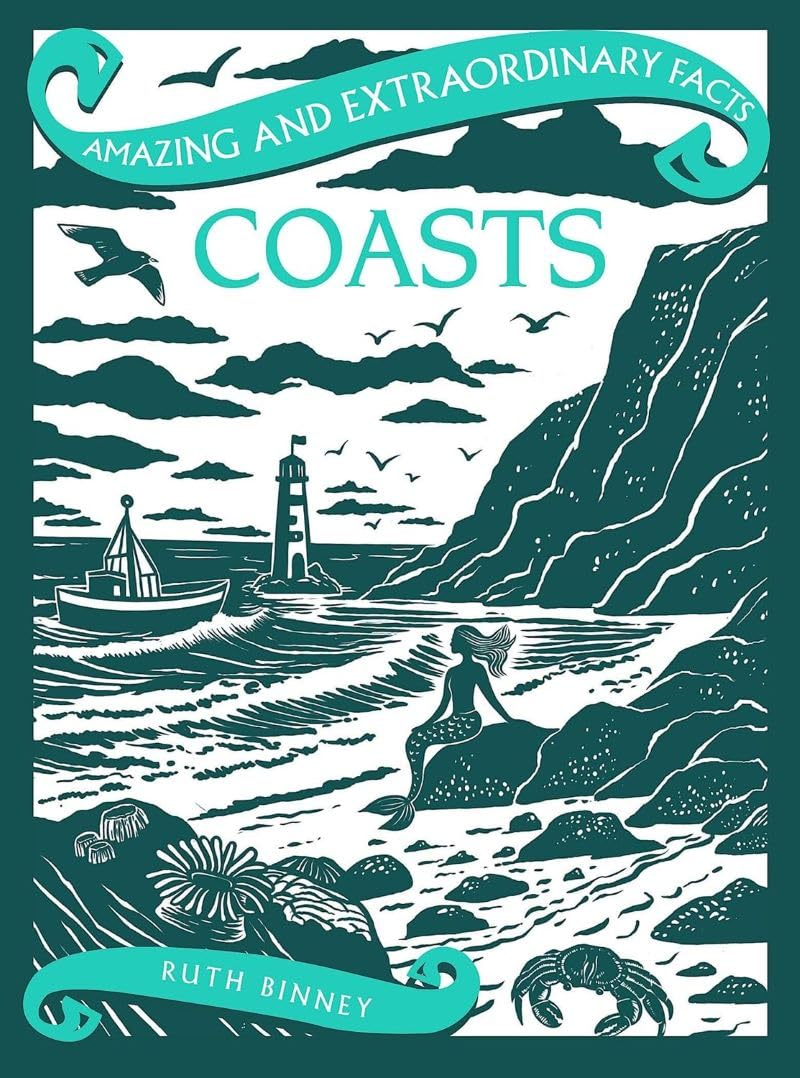
This sea is home to many marine creatures. Learn how to help native seals (keep yourself and dogs away from seals and pups).
Coasts is a book of amazing facts about the oceans, including rising sea levels, tides, puffins, sea caves and sea otters. Our coasts are home to a huge variety of wildlife from whales and dolphins to rare orchids and undersea forests.
Impress natural structures include dunes, saltmarshes along with manmade features – piers, lighthouses and holiday camps! The coast bursts with extraordinary energy from the weather.
Some of the questions answered in this book include:
- Where were human footprints found (from 850,000 years ago?)
- Where do minke whales return to the coast, each year?
- Where is the coast’s largest gannet colony?
- Where can you see the remains of a famous shipwreck, at low tide?
- Do you know sand dunes can sing? Where can you hear them?
- Where can you find a mermaid carved in a church? And why?
Ruth Binney has been studying plants and gardening all her life, and holds a degree in Natural Sciences from Cambridge University. She lives in Cardiff (Wales).
The High Seas is a book to uncover the truth behind exploitative fishing practices, the devastating impact of deep-sea mining and Silicon-Valley interventionists whose solutions to climate change are often radically irresponsible. The author is currently reporting ocean conservation in Ireland.
The Turning Tide: A Biography of the Irish Sea

The Turning Tide is a beautifully-written biography of the Irish Sea. England is obviously not Ireland, but Cheshire and other parts of northwest England face this ocean.
Home to the rarest sea bird in Europe (which visits the coast each summer), this sea teems with life (seals, seabirds, sea turtles, whales and basking sharks).
Alas the Irish Sea is now full of oil refineries (therefore pollution), far too many wind turbines and is the most nuclear-contaminated sea in the world, no thanks to Sellafield nuclear power station (which will take several decades to decommission).
Ireland and the Isle of Man face the Irish Sea, along with a few areas of England: Birkenhead and Southport (both near Liverpool), Blackpool and a small stretch of the Cheshire coast and Barrow Island (in Cumbria).
Parts of Wales (including the Isle of Anglesey) also face the Irish Sea. Also found here are harmless basking sharks and the seabed is a rich habitats for crabs and lobsters.
The book equivalent of being hosted by a travelling storyteller, around a fire. Gwenno
The Irish Sea has found her bard. This is a dazzle of storytelling, an enthralling trove of history and a joyful work of travel and reportage, singing with the love of the sea. Horatio Clare
Jon Gower grew up in Wales and studied English at Cambridge University. A former BBC Wales Arts and Media correspondent, he has over 30 books to his name (in both Welsh and English). His other book The Story of Wales was published to accompany a landmark BBC series. He lives in Wales.
Birdland is a journey around Britain on the wing, charting the decline of birdlife over the last 50 years due to climate change and loss of habitat.
Where are the World’s Major Oceans?
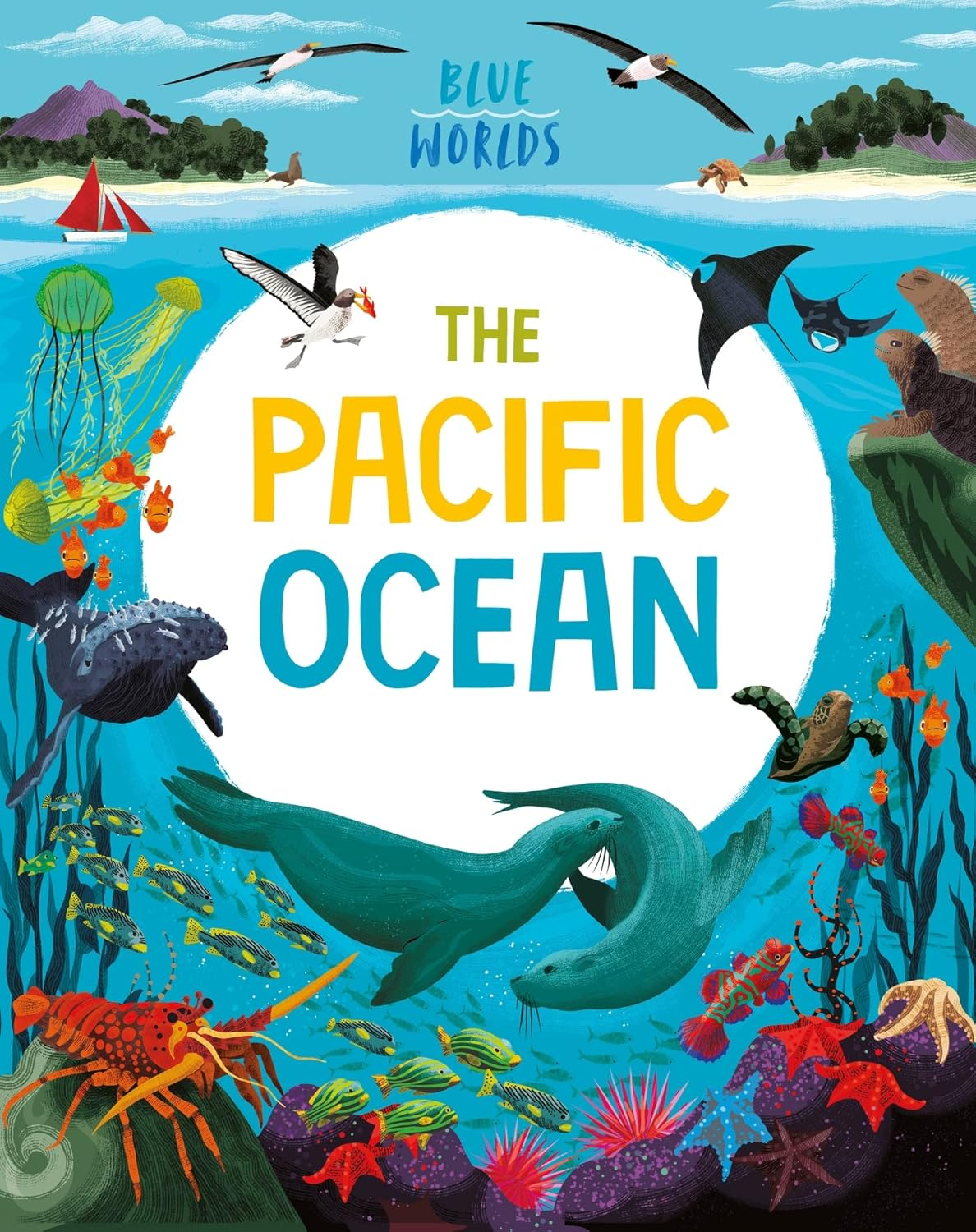
The oceans make up around 70% of our planet (a good reason for never releasing anything from balloons to fire lanterns, as most land in the sea, harming marine creatures).
The Pacific Ocean is the world’s deepest ocean, covering a third of the earth’s surface. It has over 25,000 islands and is home to the Great Barrier Reef in Australia, and thousands of volcanoes.
The Atlantic Ocean straddles the Equator, linking both Americas, Europe and Africa. It has icy Baltic sea to warm Caribbean waters. The Mid-Atlantic Ridge helped form volcanic islands including Iceland and Azores. It faces major struggles, due to climate change and pollution.
The Indian Ocean connects Africa with Asia and Australia. The warmer waters are home to unique wildlife, colourful coral reefs and dense mangrove forests. Due to major cities operating in the ocean, again it’s at risk from pollution, and rising sea levels.
The Southern Ocean is an icy sea across the bottom of the globe, surrounding Antarctica. With harsh winds and towering waves, often only explorers sailed the stormy seas. Today tourists flock to see penguins, seabirds and blue whales, but this brings pollution.
The Arctic Ocean is the smallest ocean, on the northern most tip of the world, with temperatures rarely above freezing, packed with thick ice and icebergs.
This ocean is home to polar bears, who need the thick ice to survive, so they can hunt for seals, without becoming exhausted from swimming.
Seas, Gulfs and Bays covers other big bodies of water including warm tropical seas, cold and icy seas (like the North Sea) and salty inland seas. Other seas include:
- The Mediterranean
- Gulf of Mexico
- South China Sea
- The Bering Sea
- Hudson Bay
- The Caribbean
- The Red Sea
- Weddell Sea