English Counties with More Sheep Than People!
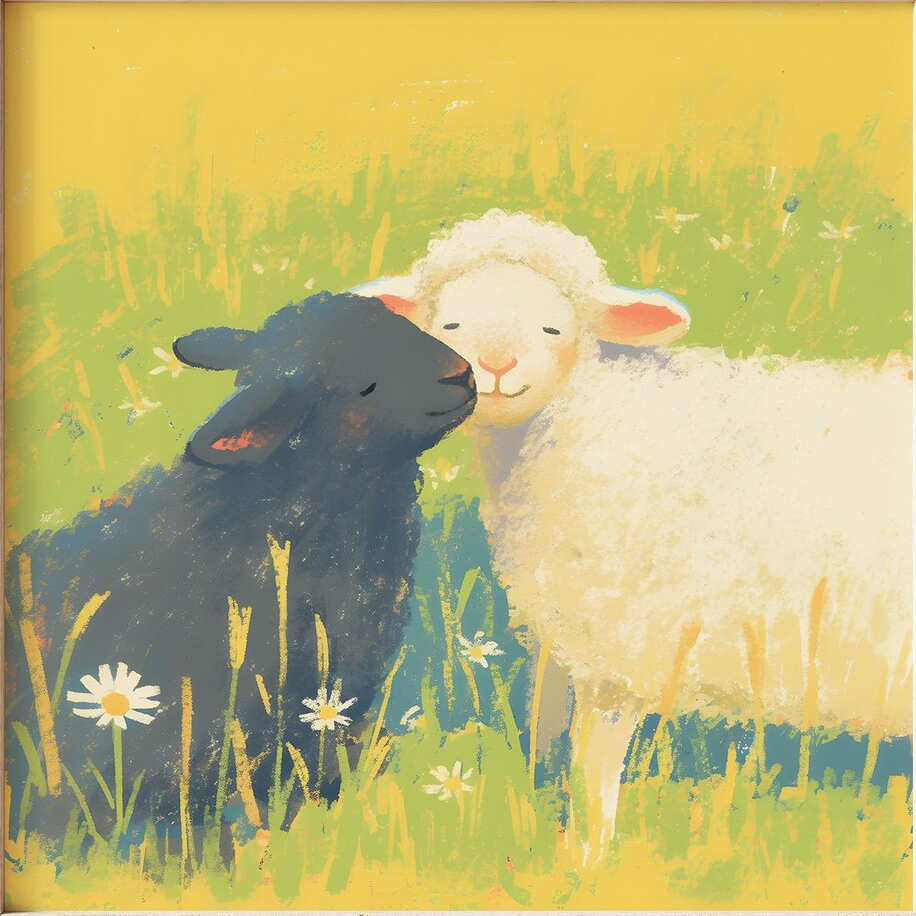
A few counties in England have more sheep than people (outside of tourist seasons). This is on the one hand nice (free-range sheep that graze the land). But also sometimes due to so many people eating them (not good, we don’t think, as sheep are fabulous creatures).
Sheep are not stupid, they can recognise up to 50 faces, and even know if you are smiling at them. But always leave them alone, as they spook easily and could miscarry.
Follow the Countryside Code, to keep dogs & livestock safe.
Pregnant sheep (and sometimes due to wool waterlogged from rain) can sometimes roll over onto their backs, and can’t get back upright, due to having four stomach chambers (so will die if not turned back upright).
If you see a sheep on its back, just firmly right it back, then stay with it, until rain has drained off, so it won’t happen again. Then inform your local farmer.
Sheepeasy was invented by an engineer, it’s a seat to let farmers treat feet of sheep, goats and alpacas, while keeping them secure but docile.
Meet Cumbria’s Hardy Herdwick Sheep!
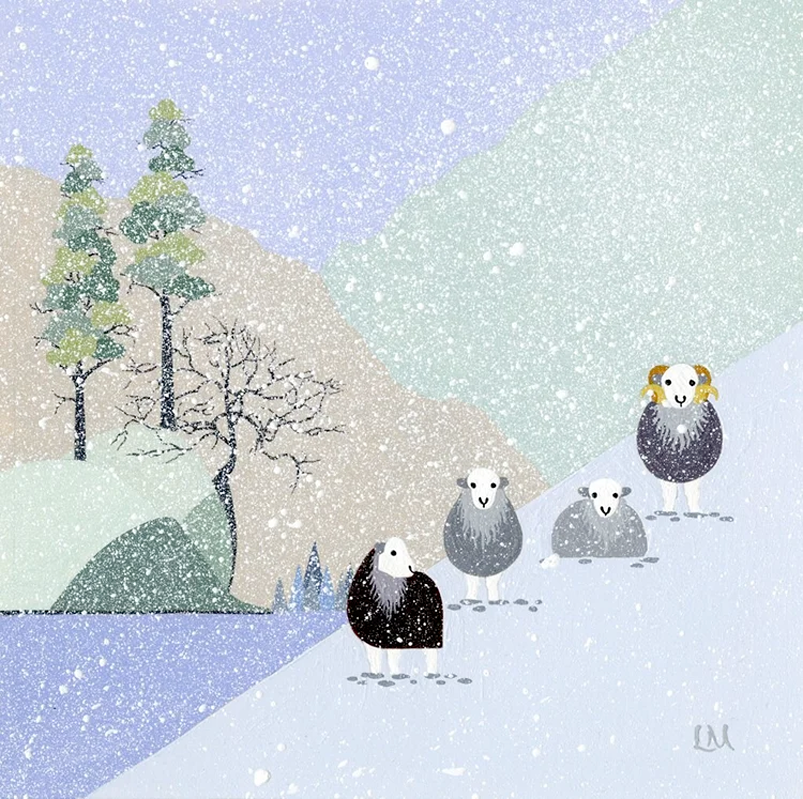
Although they look super-cute, Herdwick sheep are some of England’s toughest (kind of like the sheep equivalent of Shetland or Icelandic horses!) They live on the pastures and slopes of England’s highest mountains (all in the Lake District) so can cope with the elements pretty well.
Sheepeasy is a device invented by an engineer, that makes it easy and quick to treat the feet of sheep, goats and alpacas. Regular footcare is of utmost important, especially in the Lakes, due to all the rain.
Always give Herdwick sheep right-of-way on roads, just slow down and wait for them to pass.
Herdwick sheep have very good memories and sense of direction, so if they do get lost, they usually find their way home pretty quickly. Their name derives from the old Norse word for sheep pasture ‘herdvyck’.
Herdwick lambs are born black, but turn grey (just like humans!) when they get old! They have wiry wool that insulated against the wind and rain.
Children’s author Beatrix Potter helped to save them from extinction, during her lifetime (by bequeathing her estate to the National Trust, on the condition that they were allowed land for breeding).
Around since the 12th century, today nearly all Herdwick sheep live within a short distance of the lakeside village of Coniston (below the Old Man of Coniston mountain). You can easily recognise the females, as unlike the rams, they don’t have big curly horns!
Known as ‘the gardeners of the Lake District’, their grazing of grass, heather, bilberry and young trees, is responsible for the unique treeless mountainsides in the Lakes.
Shropshire Sheep (gentle grazers)
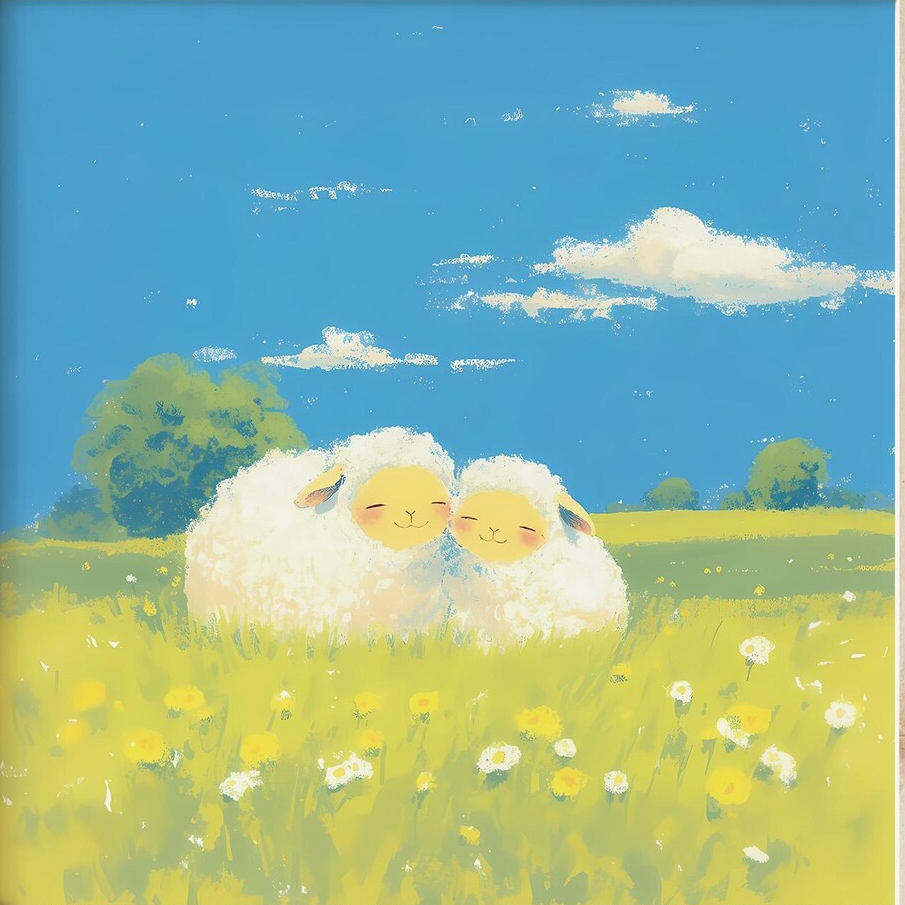
Known for its ‘blue-remembered hills’, one journalist was once sent around England, to discover his favourite county. Northumberland almost won (but he didn’t like the cold and wind!) So he pipped for Shropshire!
Shropshire sheep are medium-sized and known for being ‘tree-friendly’ grazers in orchards and forests. They have dark faces and white wool, and are excellent mothers, with lambs quickly maturing on pasture.
Often used to control grass and weeds in orchards, they also graze young woodlands, without harming trees. They are also gentle and calm in personality.
Northumberland (black-nose sheep)
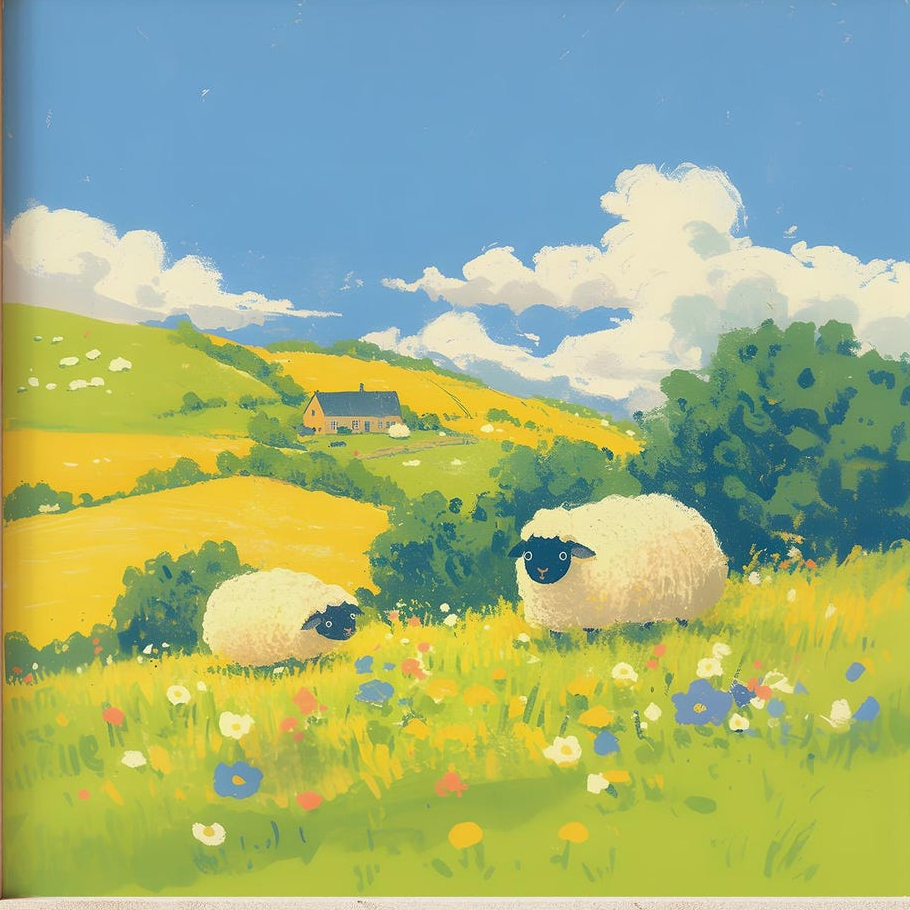
Again, more sheep than people! This cold windy county is ideal for sheep, as they keep warm with their woolly coats, and they are left alone in a county that’s a National Park in itself.
This county has several breeds of sheep, including Cheviots (named after the hills in North Northumberland and the Scottish borders) which have white faces and no horns (they are very hardy and can forage on steep heather-covered terrain in wet, windy and cold weather).
North Country Cheviot sheep are related and again graze on high hills.
Bluefaced Leicester has a ‘Roman nose’, and blue skin under white hair and curly light wool. Another local hornless breed is the Border Leicester (with upright ears). And the Scottish Blackface is a rugged sheep with soft wool. Valais Blacknose is a ‘cute breed’ from Switzerland.
In 1800, two sheep were rescued alive after being buried in snowdrifts for over 30 days.