Pastures of Peace: Better Welfare for Sheep and Lambs
Whether used for grazing land or meat, England has over 20 million sheep, and thankfully unlike most barn animals, they are mostly free-range. Whether you eat lamb or not, here are ways to make life better for sheep and their shepherds.
Sheep Are Not Stupid!
Somewhere along the line (whether it’s history or the media), there has become this terrible myth that sheep are stupid. Far from it.
Sheep are intelligent creatures that simply like to follow their flock. But they can recognise up to 50 human faces, and even know if you are smiling at them! That’s why it’s so important not to spook sheep, as they could even miscarry, if in shock.
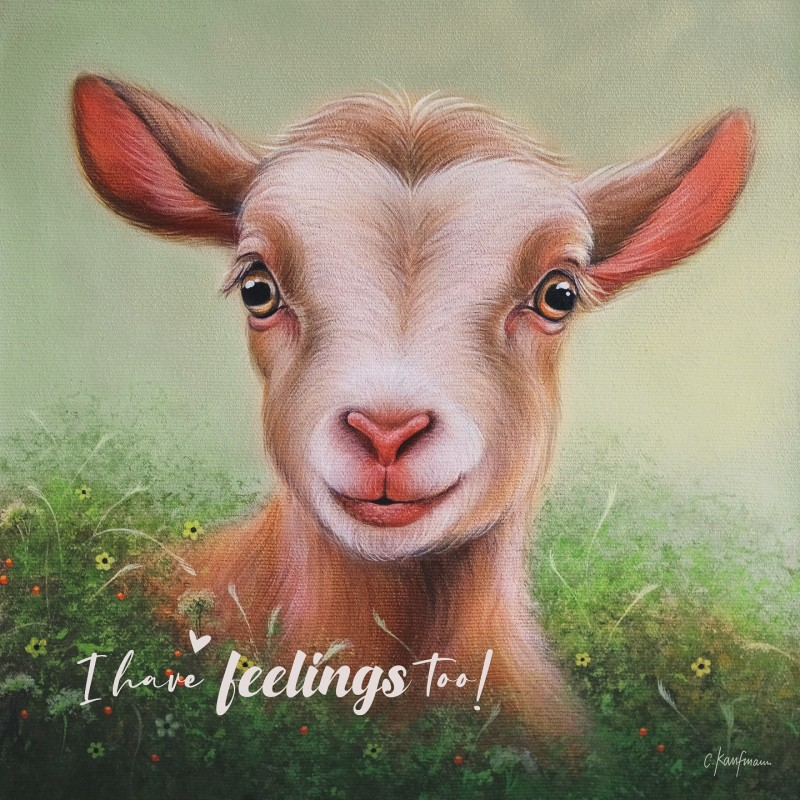
Sheep (and goats) spook easily, which is why they have rectangular eyes to see predators from all angles. So never approach them (ewes can miscarry from shock).
- Follow the Countryside Code to help dogs and livestock safe. Read our post on humane dog training, to keep dogs under control near sheep (if in doubt, don’t walk nearby).
- Keep dogs away from steep banks, mushrooms (and toxic plants/trees) and on leads near birds, barnyard friends and wild ponies.
- Put dogs on leads on Open Access land (a legal requirement between 1 March and 31 July). This is for your dog’s safety too, as farmers can legally shoot dogs that worry sheep.
- Report farm animal concerns first to farmers with a friendly word. If no joy, call RSPCA (or Crimestoppers (anonymous).
How to Upright an Overturned Sheep (to save its life)
If you are out walking in the countryside, sometimes you may come across a sheep on its back. Sheep fall over either due to being heavily pregnant, or sometimes due to rain-soaked wool. Either way, it’s important to know how to quickly upright the creature, or else it will die.
Sheep stomachs ferment grass even when upside down, and this puts pressure on the lungs and heart. So they will die from suffocation or bloat, if nobody helps them get upright.
If there is no farmer nearby, here’s what to do:
- Approach the sheep from behind, brace against its back, grip the wool between the shoulder blades and lower back (never pull the wool) and gently roll the creature away from you, slowly tipping it upright.
- Hold the sheep upright on its rear legs to keep it steady for a minute, as it will have wobbly limbs, and blood circulation needs to normalise. Keep it secured to let excess rain drain off, to prevent the same happening again.
- Once the sheep can stand alone, let it return to its flock. Keep an eye on the sheep for a while, to ensure it’s okay. Inform the farmer if possible.
- Here’s a short simple video to show you what to do.
Keep sheep safe while out walking
- Follow the Countryside Code to keep all creatures safe. Keep dogs away from steep banks, mushrooms, toxic flowers and trees.
- Read our post on humane dog training, to keep dogs under control near sheep (if in doubt, don’t walk nearby).
- Put dogs on leads on Open Access land (a legal requirement between 1 March and 31 July). This is for your dog’s safety too, as farmers can legally shoot dogs that worry sheep.
- Report farm animal concerns first to farmers with a friendly word. If no joy, call RSPCA (or Crimestoppers (anonymous).
Issues with Sheep and Lamb Welfare
Although sheep in England tend to all be farmed outdoors (so no factory farms), there are still many welfare issues. The demand for Easter Lamb leads to many being bred to produce two or more lambs (if left to nature, multiple births are rare for sheep). Farmers have a non-stop battle with scald and foot-rot, as the grass never dries out, due to constant rain.
Many ewes miscarry, and many lambs die due to disease and exposure. This is because simply that there are often too many sheep in a field at one time, to keep an eye on foot scald (inflammation from droppings and soil bacteria) or foot rot (the hoof starts to die). These diseases are common in northern England, due to more rain.
Most sheep farmers carry a spray, in an never-ending battle to prevent disease. The other main issue is fly strike (maggots laying eggs in the fleece, caused by blowflies). This can leave near-fatal open wounds, if not immediately treated.
This is why some sheep farmers use a practice called mulesing (slicing away chunks of skin without painkillers) which is why ‘ethical wool companies’ have website statements that they only buy wool from farmers who do not use this practice.
Help to Treat Sheep and their Feet!
Good sheep farmers (and sanctuaries) pay shearers per hour (not by sheep). To ensure the job is done properly. Not shearing sheep properly (and too early) can lead to pneumonia.
- Mudcontrol is recommended by farmers. It helps to stop the need for sinking concrete into the ground. Safer for animals and humans, it can help turn dangerous muddy ground, into safe paths.
- Sheepeasy is an engineer-designed invention, to make it easier to look after the feet of sheep, goats and alpacas, while keeping them calm. Sold in 3 sizes – just hook on a fence, hurdle or gate.
- Sheep Veterinary Societyhas info on preventing and treating foot rot. You can also take vet-endorsed courses for farmers atHomeopathy at Wellie Level.
- The Farming Community Network is an umbrella of charities that has helplines for struggling farmers of any animals. From providing free feed, to help with finances and tenancy.
- The Transfarmation Project can help with setting animal farmers up with free feed and advice to grow oats (a very profitable growing market, due to oat milk). Cherished family farms can then thrive, with remaining animals living lives in peace.
Herdwicks (sheep equivalent of hardy Shetland ponies!)
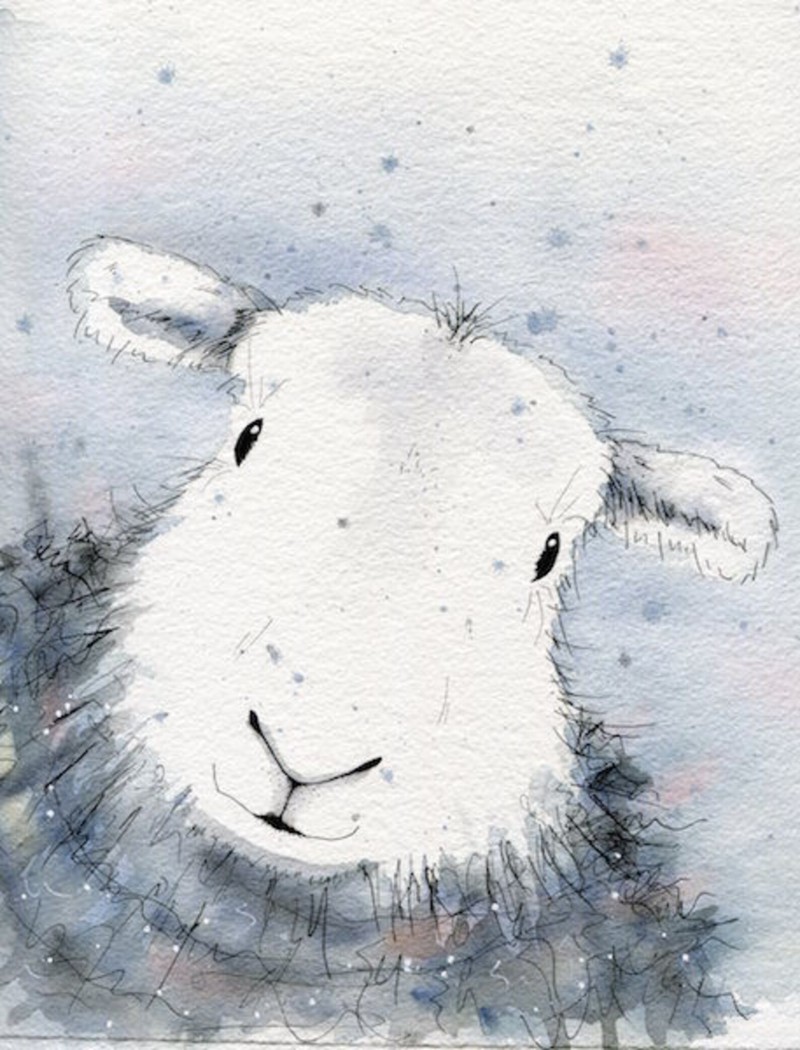
Although they look super-cute, Herdwick sheep are some of England’s toughest (kind of like the sheep equivalent of Shetland or Icelandic horses!) They live on the pastures and slopes of England’s highest mountains (all in the Lake District) so can cope with the elements pretty well.
Herdwick lambs are born black, but turn grey (just like humans!) when they get old. They have wiry wool that insulated against the wind and rain.
Around since the 12th century, today nearly all Herdwick sheep live within a short distance of the lakeside village of Coniston (below the Old Man of Coniston mountain). You can easily recognise the females, as unlike the rams, they don’t have big curly horns!
Their grazing of grass, heather, bilberry and young trees, is responsible for the unique treeless mountainsides in the Lakes.
Always give Herdwick sheep right-of-way on roads, just slow down and wait for them to pass.
Sheepeasy (invention to care for sheep feet)
Sheepeasy is a device invented by an engineer, that makes it easy and quick to treat the feet of sheep, goats and alpacas. Regular footcare is of utmost important, especially in the Lakes, due to all the rain. To help prevent footrot.
Shropshire sheep (gentle grazers)
Known for its ‘blue-remembered hills’, one journalist was once sent around England, to discover his favourite county. Northumberland almost won (but he didn’t like the cold and wind!) So he pipped for Shropshire!
Shropshire sheep are medium-sized and known for being ‘tree-friendly’ grazers in orchards and forests. They have dark faces and white wool, and are excellent mothers, with lambs quickly maturing on pasture.
Often used to control grass and weeds in orchards, they also graze young woodlands, without harming trees. They are also gentle and calm in personality.
Northumberland (black-nose sheep)
Again, more sheep than people! This cold windy county is ideal for sheep, as they keep warm with their woolly coats, and they are left alone in a county that’s a National Park in itself.
This county has several breeds of sheep, including Cheviots (named after the hills in North Northumberland and the Scottish borders) which have white faces and no horns (they are very hardy and can forage on steep heather-covered terrain in wet, windy and cold weather).
North Country Cheviot sheep are related and again graze on high hills.
Bluefaced Leicester has a ‘Roman nose’, and blue skin under white hair and curly light wool. Another local hornless breed is the Border Leicester (with upright ears). And the Scottish Blackface is a rugged sheep with soft wool. Valais Blacknose is a ‘cute breed’ from Switzerland.
In 1800, two sheep were rescued alive after being buried in snowdrifts for over 30 days.