Festive & Footprint-Free: Zero-Waste Vegan Christmas
The holiday season is a time for celebration, gratitude, and spending time with the people we love. However, it is also a time known for excess—from mountains of wrapping paper and single-use plastics to heavy food waste.
If you want to celebrate the holidays in a way that aligns with your values, a zero-waste, plant-based Christmas is a fantastic way to spread joy while protecting the planet. Whether you are hosting your first eco-friendly holiday or just looking for a few simple swaps.
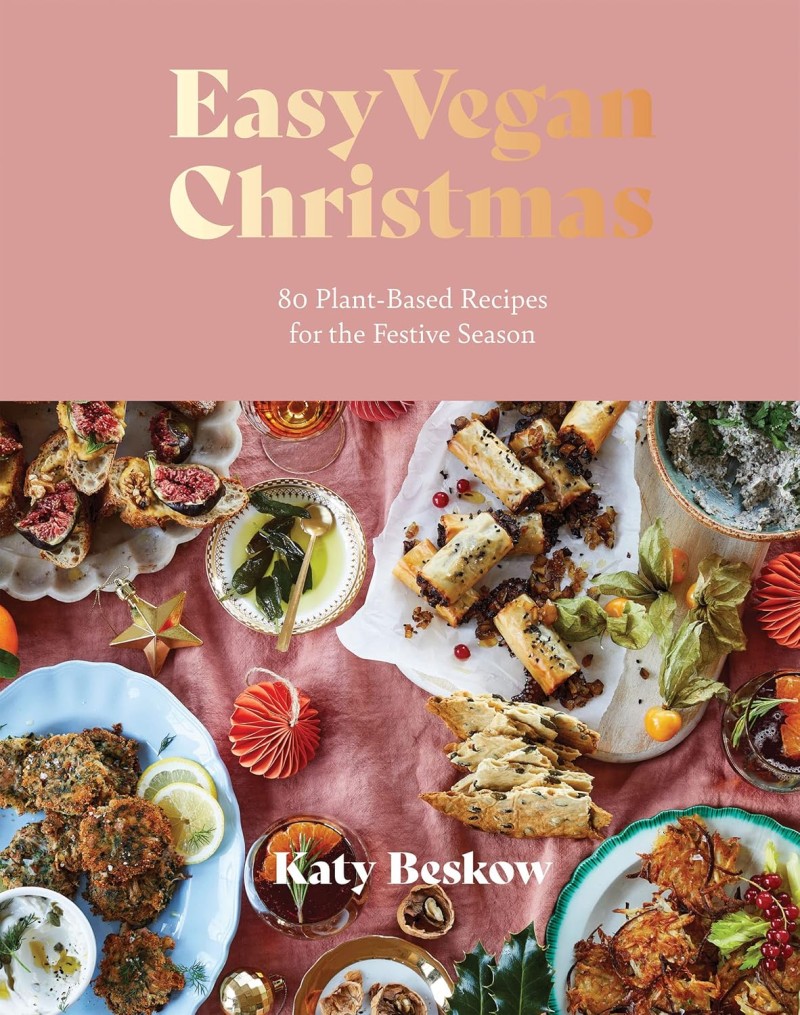
Easy Vegan Christmas is packed with simple recipes.
Unless you have a food waste bin, bin peppers and allium scraps (onion/garlic/leeks/shallot/chives) plus tomato/rhubarb/citrus scraps, as acids could harm compost creatures.
For tinned ingredients, rinse/remove lids (or pop ring-pulls over holes) then step on cans to pinch inner rims together, to avoid trapped wildlife.
Simple Swaps to Keep Pets Safe at Christmas
- Give pets a quiet place to retreat, and avoid dressing them in jumpers or antlers (could choke or over-heat).
- Wait 2 hours after long car drives (or food) before letting dogs run.
- Ensure tags and microchips are up to date. It’s good to avoid fireworks and loud crackers to help prevent lost pets.
- Rinse paws after snowy walks (with lukewarm water), to remove rock salt which can burn at warmer temperatures.
- Keep a pet first-aid kit to hand. And the nearest vet’s number.
- Ensure Christmas trees are secure (avoid tinsel, glitter, baubles). Sweep up fallen needles, and never use snow-globes (contain antifreeze).
- Ensure fireplaces have secure screens. Avoid candles near pets.
Holly, mistletoe, poinsettias, lilies, and festive wreaths can be toxic, also use pet-safe flowers for the table. Avoid sending ‘plantable cards’ to homes with pets, as most contain toxic wildflowers.
Keep Toxic Foods Away from Pets
Read more on food safety for people and pets.
Foods to keep away from pets include:
- Cooked bones (can choke)
- Chocolate (including white chocolate) & Caffeine
- Raw Eggs & Fish (salmon has a fatal parasite)
- Alliums (garlic, onion, shallots, leeks, chives)
- All Citrus Fruits & Dried Fruits
- Mushrooms & Avocado
- Fruit Pips & Seeds (contain natural cyanide)
- Faux Meats (inc. jackfruit)
- Raw Bread Dough (expands in the stomach)
- Corn-on-the-Cob (choking hazard)
- Spices (esp. nutmeg & mace)
- Most Nuts (esp. macadamia) & Seeds
- Xylitol (a sweetener, if used)
Reindeer Welfare (Santa Claus would approve!)
Reindeer are not native to England, although there is a wild herd in Scotland. These unique deer are adapted for very cold climates, so don’t worry about them shivering in the Highlands!
Unlike most deer, females also have antlers, their hooves changing shape with the seasons, to navigate different weathers. Deer are also excellent wild swimmers, and swim further than any other land mammal on earth.
Reindeer keep warm due to a special two-layered coat that traps air, and even their noses (unique for deer) are covered in air, to keep warm. Even their eye colour changes with the seasons, to see in low light.
Reindeer sometimes even click their knees as they walk, to help them find each other in blizzards. And easily survive on lichen, grass, leaves and shoots shoots.
Please don’t visit reindeer in shopping malls
Reindeer (even if tame) are semi-wild Arctic animals, who need to live in the wild cold northern hemisphere weather. They also suffer stress, over-crowding and over-heating in transport, to the shopping centres.
Reindeer are also very strong and powerful beasts. And sometimes may be castrated to calm them down, in case they could attack children.
Animal welfare charity Born Free is asking all parents not to take their children to reindeer events in shopping centres. Instead, teach them to respect and care for native wildlife, and let wild reindeer roam wild, where they belong.
Happily, many councils seem to now be on board by not allowing such events. If you know of any upcoming near you, raise the red flag, by sending a report to Born Free, who will politely educate.
Choose Zero Waste Recycled Christmas Cards
Although FSC-certified card is from ‘sustainable forests’, this still means old growth trees are cut down to make way for fast-growing plantations that use pesticides and don’t give food or shelter to birds and wildlife. Choose recycled greetings cards, buy in multi-packs to save money.
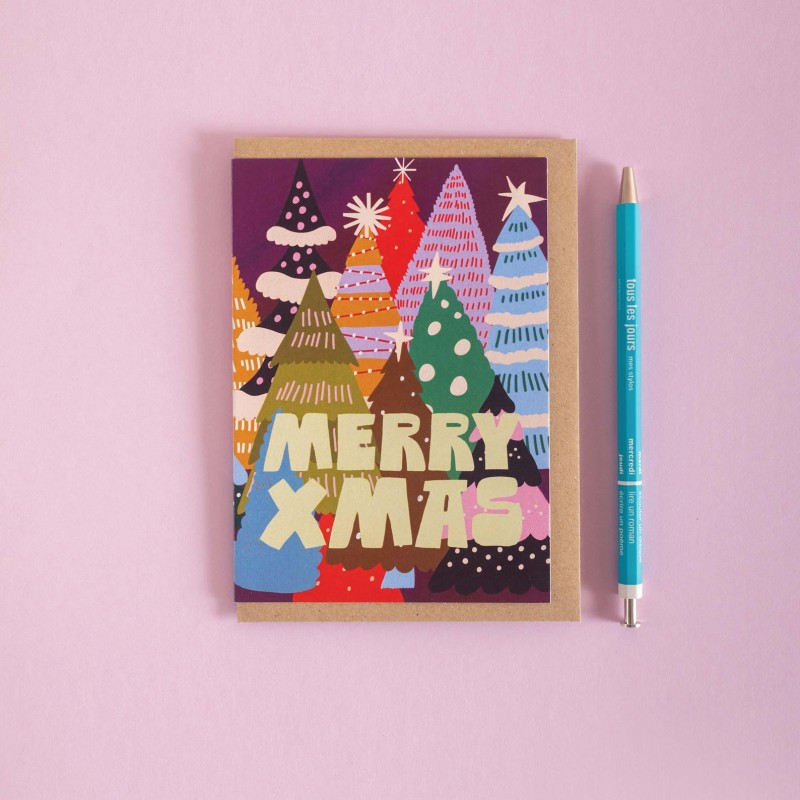
This tree-mendous Christmas card is not just featuring trees, but saves trees as it’s made from post-consumer waste. It features eye-catching trees in a burst of cheerful colours for a charming festive card.
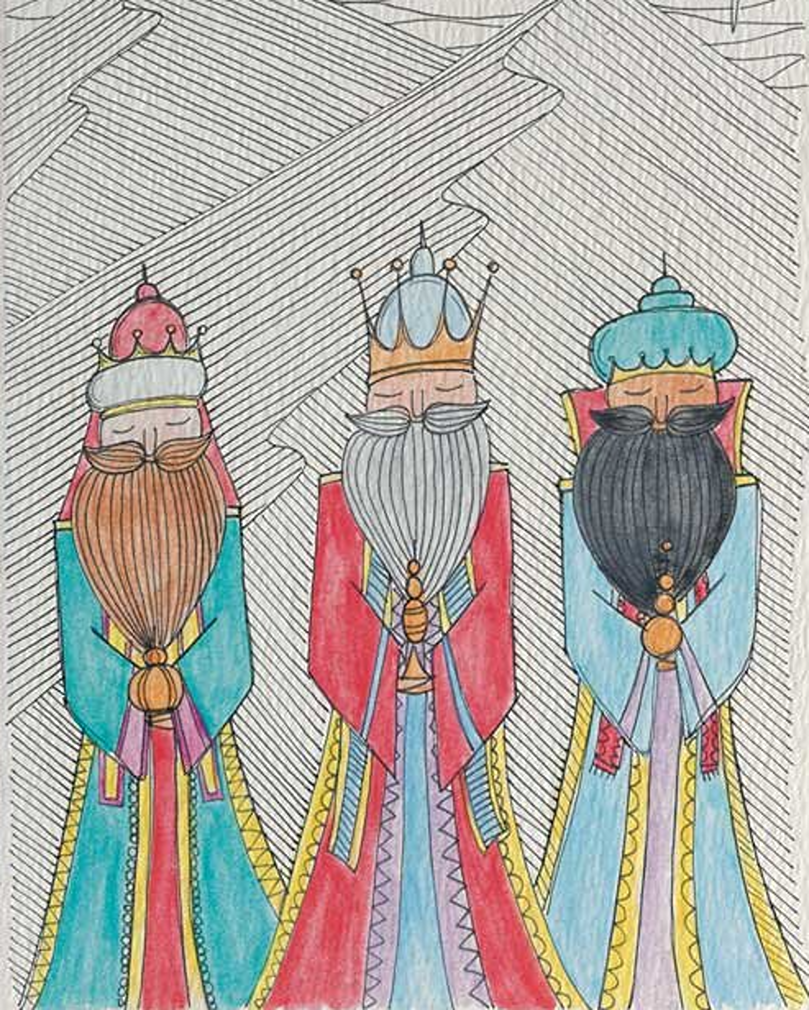
Little Difference is a fantastic company that produces greetings cards on recycled card (the company is co-founded by an artist from Isle of Wight). Although now based in New Zealand, the cards for UK shipping addresses are printed in Kent, to save on air miles.
Instead, this company uses profits to help fund tree-planting projects in deforestation-risk countries like Madagascar, home to more unique species than anywhere else on earth.
Greentings (reusable cards from post-consumer waste)
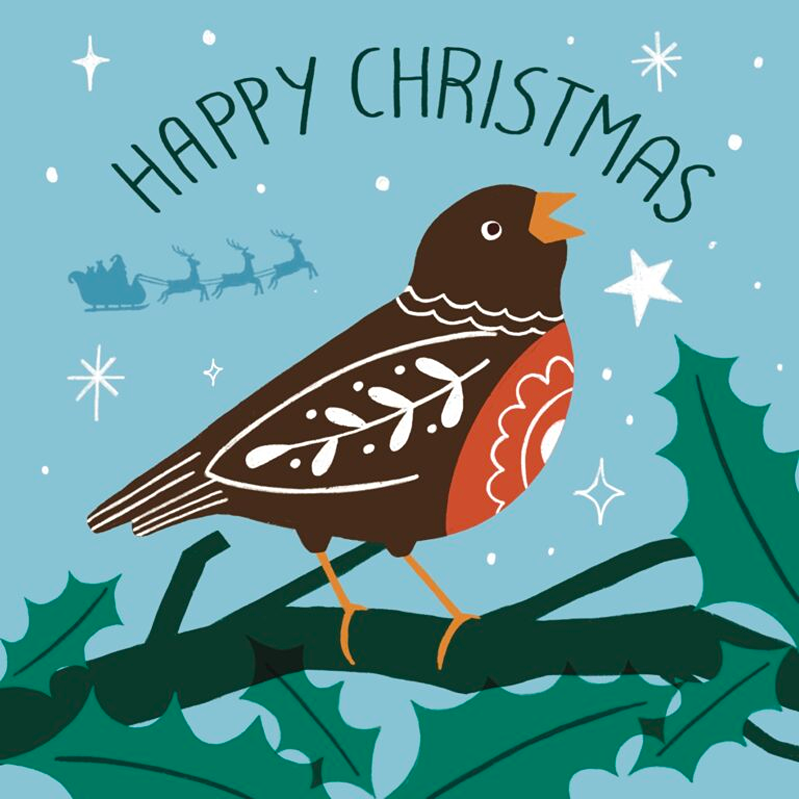
Greentings makes cards on post-consumer waste, but also has removable inserts and envelopes, so the cards can be reused to send again! Just pop in a new insert and send to someone else. You can even use the card passport to follow the card’s journey around the world!
Made in England, a tree is planted for each card bought. Run by a small family business, postage is just 50p (no matter how many cards you buy). Corporate accounts are available.
Switch to Zero Waste Christmas Crackers
Most Christmas crackers contain small plastic choking hazards and are impossible to recycle, due to different materials (millions are thrown out on Boxing Day), they also scare babies and pets, with their loud cracker bangs. You can fill up these crackers with your own zero waste gifts.
Christmas crackers were invented by British confectioner Thomas Smith, back in 1846. While visiting Paris, he came across a sugared almond wrapped in tissue paper, and thought this would be a nice festive way of eating sweets.
By 1860, he had added chemically impregnated paper to the crackers, to make a loud bang. Originally called ‘bangs of expectation’, he was not to know that his invention would become an environmental nightmare.
Keep Christmas crackers (and ribbons) away from small children and pets, due to choking hazards.
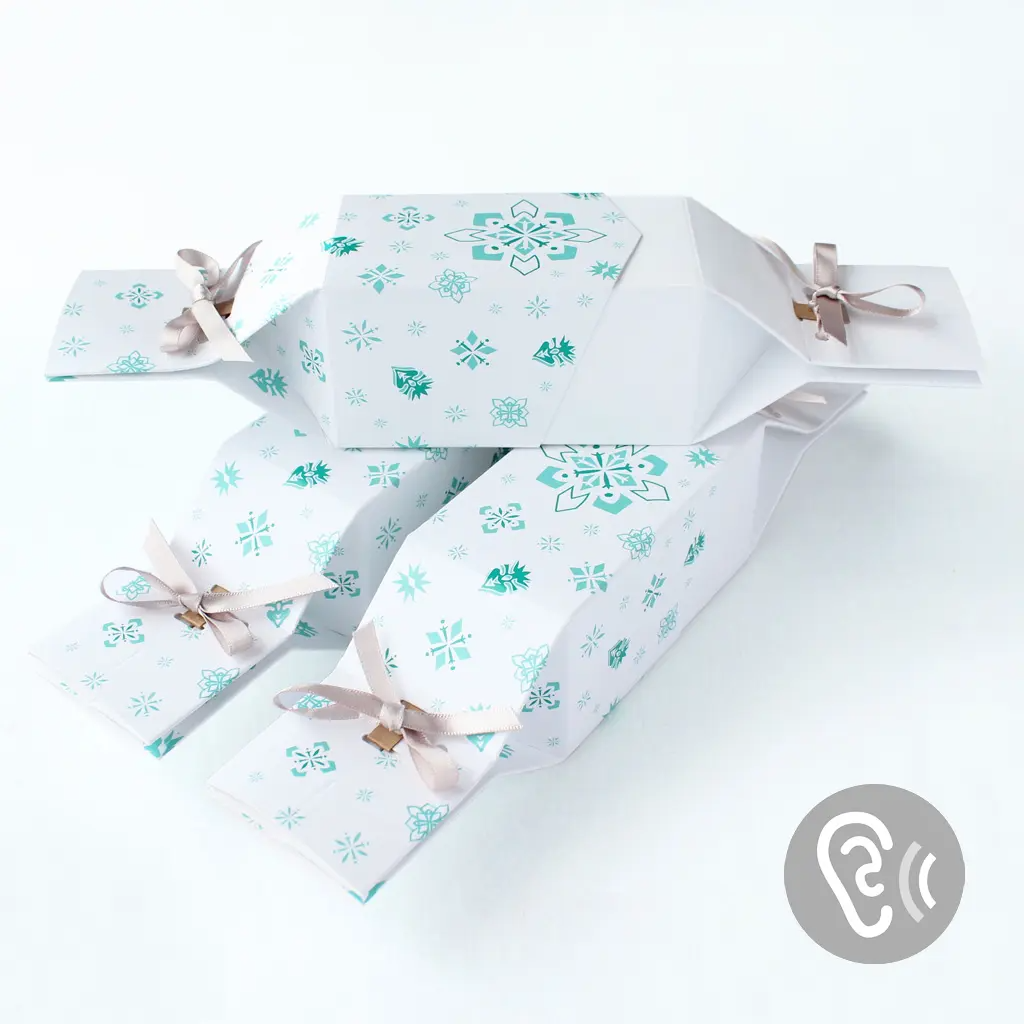
Keep This Cracker is a wonderful brand of Christmas crackers. Made with pet-friendly, low-noise snaps (so don’t terrify animal friends or children), they can then be reused the next time.
These crackers work like ‘normal crackers’ in that you pull them apart. But rather than binning them, you just use another eco-snap, to use next time.
Flat-packed in sets of six, just fold into shape, to use. And everything is made in the UK. Sold in many colours and designs.
Sustainable Christmas Trees (real or artificial?)

Real Christmas trees are biodegradable and can be composted if you plan ahead. Sourcing from a local tree farm cuts down transport emissions and supports nearby growers.
Many farms plant a new tree for each one cut. After the holidays, check if your council collects trees for chipping into mulch. Avoid trees sprayed with heavy chemicals, which can harm pets and soil.
Rent a Christmas tree
Renting a Christmas tree allows you to enjoy the beauty and scent of a real tree without commitment. One manager of a Christmas tree rental company says that he has up to 300 families renting the same trees each year – one family has even named their tree Colin (?)
It’s important to water daily and use the right stand and keep it away from heat sources like fire, radiators and direct sunlight. Also keep an eye out for shedding needles, you may need to water more or change position.
Renting a live potted tree keeps roots intact, so the tree can go back to grow another year. Local businesses deliver and collect potted Christmas trees in December. You get a living, healthy tree, then return it to the nursery.
Eco-Friendly Artificial Christmas Trees
Most artificial trees are made from polyvinyl chloride (PVC) and metals. The production process for these materials creates significant carbon emissions. Plus, once they’re past their prime, these trees often end up in landfills where they don’t biodegrade.
Oncor Christmas trees are made with recycled PVC. Designed to last 30 years, they include a metal stand, sent in recycled boxes.
Find Zero Waste Christmas Decorations
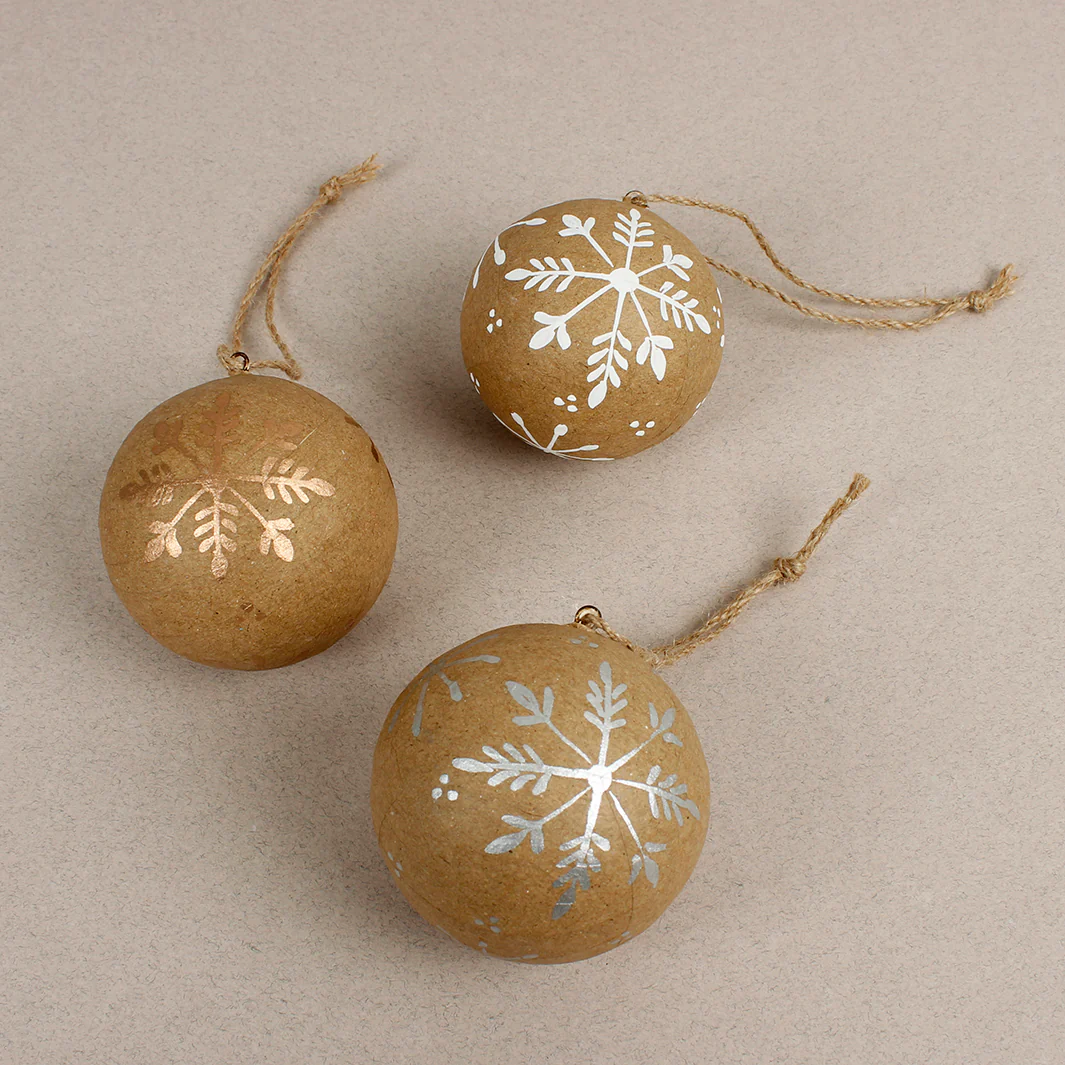
These recycled paper Christmas baubles are handmade in India (providing secure employment), are lightweight and easy to hang.
Keep paper decorations away from flammables.
Never use snow globes near pets or young children, as they contain antifreeze, which can be lethal if they smash.
East End Press is a one-woman empire in Glasgow, which makes lovely creative garlands and decorations made from layers of upcycled paper.
Eco Tinsel offers garlands from recycled paper over PVC tinsel. Handmade with precision cuts, each garland has wide strips in various colours, with rings for hanging.
Safer Christmas lights
- Throw away dodgy Christmas fairy lights.
- Check smoke alarms (have a fire blanket and extinguisher nearby).
- Choose low-voltage LED lights that are cool to touch, last longer and save up to 90% on energy use.
- Ensure air circulates around transformers, keep away from carpets/furnishings.
- Never overload sockets, turn lights off when you leave house or sleep.
- Outside, use an RCD to switch lights off, in case of faults.
- Switch off to avoid light pollution to wildlife (and avoid string). Mass displays can cause circuit cut-offs to neighbouring houses.