The Ultimate Guide to Sustainable Tourism

Barcelona Ava Lily

Ava Lily

Barcelona is a beautiful city, but suffers dreadfully these days from overtourism. Like many English areas (the Lake District, Bath and Stratford-upon-Avon – due to the Shakespeare connection), this is when masses of people arrive at the same time, take selfies then disappear.

Often leaving rubbish, not supporting local economies (all big coach trips and big hotels) and leaving locals without being able to call their place home.

The Cotswolds village of Bourton-on-the-Water has residents concerned over ‘TikTok visitors’ who descend to take selfies with beautiful backdrops. But leave litter behind, having no appreciation of local nature and heritage.

The same is happening abroad. Many popular tourist cities (Venice, Rome, Paris) are all taking action, fed up of tourists descending on their homes to buy junk. Then taking tours operated by outside companies, so not even supporting local jobs.

Barcelona (a beautiful coastal city in Spain) was okay until it hosted the Olympics. Then when people realised what a lovely place it was (with a traffic-free main street and stunning cathedral), it all went a big wrong.

At first, tourists were good. But while in 1990, fewer than 2 million people visited, by 2017 it was almost 9 million. And as a popular stop-off place for cruise ships, tens of thousands of people will descend onto the streets to buy tat, then return to ship.

It is doing nothing to help Barcelona’s small businesses, and makes it noisy and crowded to live in .

So now there are some cruise ship bans, and limits on airbnb properties (to discourage empty holiday homes, and make homes more affordable for local people that live there).

Tourist tax is to double in 2029, and even pub crawls are banned!

Spaniards like a drink like anywhere else, but now they enjoy their sangria and siesta in peace, without tourists from abroad disturbing them with late-night binge-drinking and public disorder.

Most Spaniards are not cruel to animals. It’s tourism income from the UK and North America that supports the bullfighting industry. Bullfights are banned in Barcelona, so at least that’s one thing they don’t have to get upset about in their city anymore. 

Your holidays, my misery, their greed brings us ruin (from a banner held up by locals protesting overtourism in Barcelona)

Consider a Tourist Tax?

Venice has banned loud speakers, and is bringing a ‘tourist tax’ to fund litter clean-ups. Barcelona is planning the same (council workers have to empty dustbins 14 times daily). And in Tuscany, action is being taken on cigarette litter that has led to wildfires.

Ban Short-Term Letting?

The mayor of Florence has banned short-term lets, to bring down property rental prices for residents. The same is happening in St Ives (Cornwall), where second-homes lay empty for most of the year, while locals are priced out of the housing market.

the responsible traveller

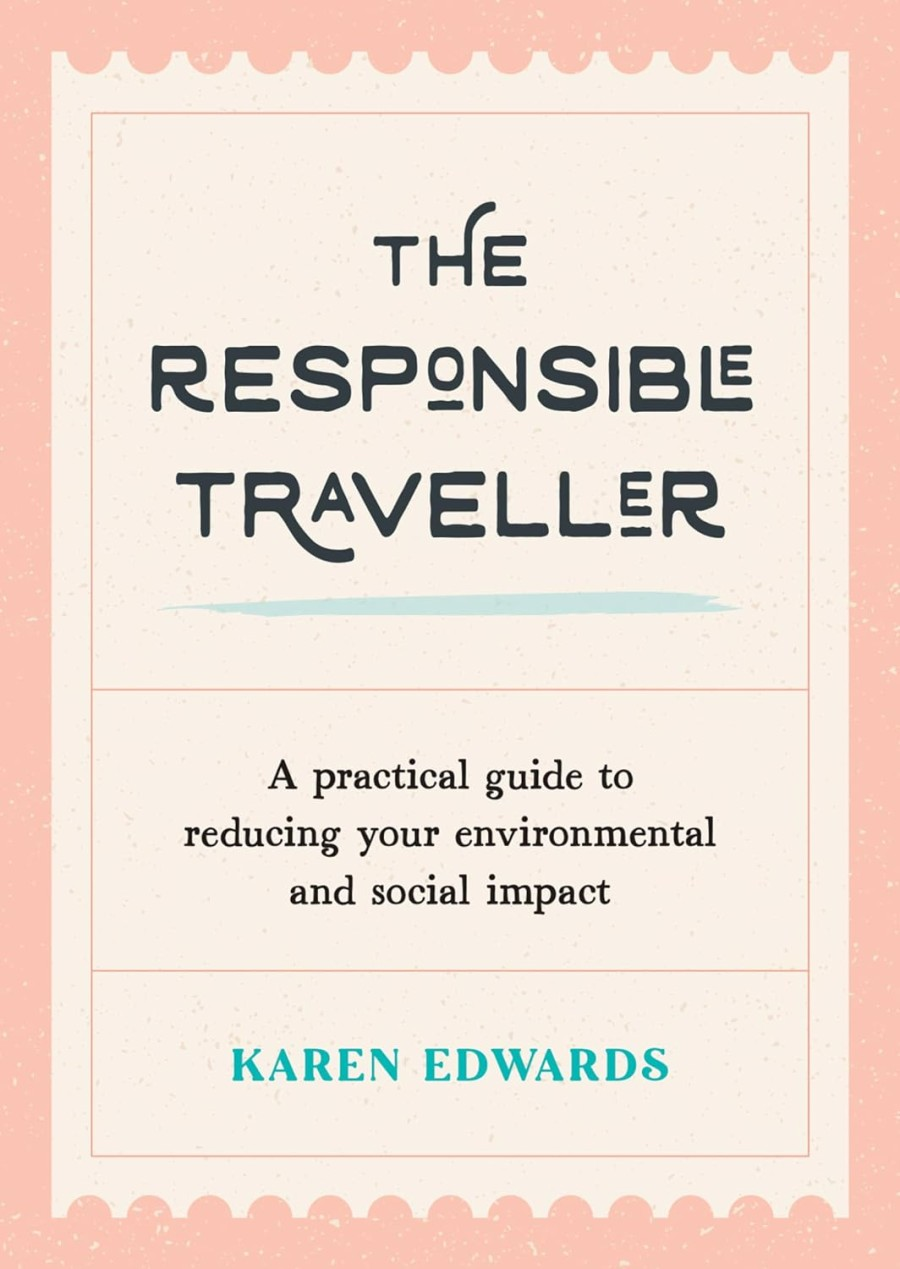
The Responsible Traveller is a book to help you navigate travel, while being kind to the planet, ecosystems, wildlife and people. And also respecting local cultures. Learn about the environmental and social effects of tourism and gain a deeper understanding of cultural sensitivity. Learn simple tips and lifestyle changes to make a difference to reduce your impact.

Never accept rides anywhere. Report animal abuse abroad to tour operators, police and submit reports to Born Free Red Flag. Read how to keep dogs safe by the seaside.

The Green Edit (Travel) is another super little guide, from knowing which plane to take to avoiding the mini-toiletries trap. If you wish to still travel abroad, this is the book for you. It doesn’t mean never taking another flight or spending holidays camping in your back garden.

Simple Swaps for Responsible Travellers

  • Don’t Drop Litter. Always follow the Countryside Code. You wouldn’t want someone dropping litter in your house and garden, so don’t do it on someone else’s patch. Avoid use of single-use plastic.
  • Travel Off-Season. Encourage staggered off-season travel, so hotels and guest houses receive income year-round. Rather than in a short season, which creates too much traffic and noise.
  • Avoid Tourist Hotspots. Consider booking in less touristy areas with small independent guesthouses. These are quieter, and likely more relaxing to rest explore.
  • Stay a bit longer to know somewhere, instead of whizzing in and out.
  • Use Public Transport. This avoid clogging roads with traffic (many big hotels also charge a fortune for parking, so you’ll also save money).
  • Treat and Pay Hotel Staff Well. Top hotels (that charge thousands for just one night) often pay minimum wage to staff, with shoddy accommodation. Clean for Good pays staff the higher voluntary London Real Living wage (and uses Delphis Eco cleaning products.
  • Donate to local animal shelters, to help with spay/neuter programs, to prevent overpopulation. Never touch or feed wild animals, and avoid buying dodgy souvenirs.
  • Learn of local cultures and customs (language, greetings, respectful dress). Ask before taking photos, especially in religious buildings.

Illustrated lap maps

lap maps

Do you get confused when trying to read perfect but boring map guides? Lap Maps are a breath of fresh air! They are not completely to scale, but each one is super-interesting and sometimes funny, offering an array of walking maps and guides for the Lake District, Northumberland, the Peak District and the Yorkshire Dales.

There are also some for Wales, if you are holidaying over the border.

Printed locally with sustainable-sourced paper, the guides make visiting somewhere interesting and fun, with a friendly illustrated guide alongside, if you’re not good at reading normal maps!

Always follow the Countryside Code to keep all creatures safe. Keep dogs away from steep banks, mushrooms (and toxic plants/trees) and on leads near birds, barnyard friends and wild ponies.

As an example, the Lake District map is hand-drawn by artist Colin Shelbourne, with individual walk route maps on one site, and descriptions and useful information on the other. It also folds down to fit in a jacket pocket.

For this map, you’ll find walks including:

  • Buttermere
  • Grasmere
  • Ullswater
  • Stockghyll Force
  • Ambleside
  • High Sweden Bridge
  • Ambleside
  • Bowness
  • Hill Top (home of Beatrix Potter)
  • Orrest Head (Windermere)

Each walk includes an easy to use map with distance and numbered written directions, and information on points of interest, views and alternative routes.

These maps are in the spirit of English humour! For instance, if there is a route that is not for the faint-hearted, the description reads ‘a bit hairy!’

Plus you have little men and numbered walking boots, to help you get around!

You’ll discover notes like ‘wettest place in England’ (Seathwaite). And if you’re attempting to climb a mountain, you’ll find a little man with a flag to inspire you (please don’t really plant flags at the top, they just create more litter).

Similar Posts