England’s Silver Birch Trees (grey and blue)
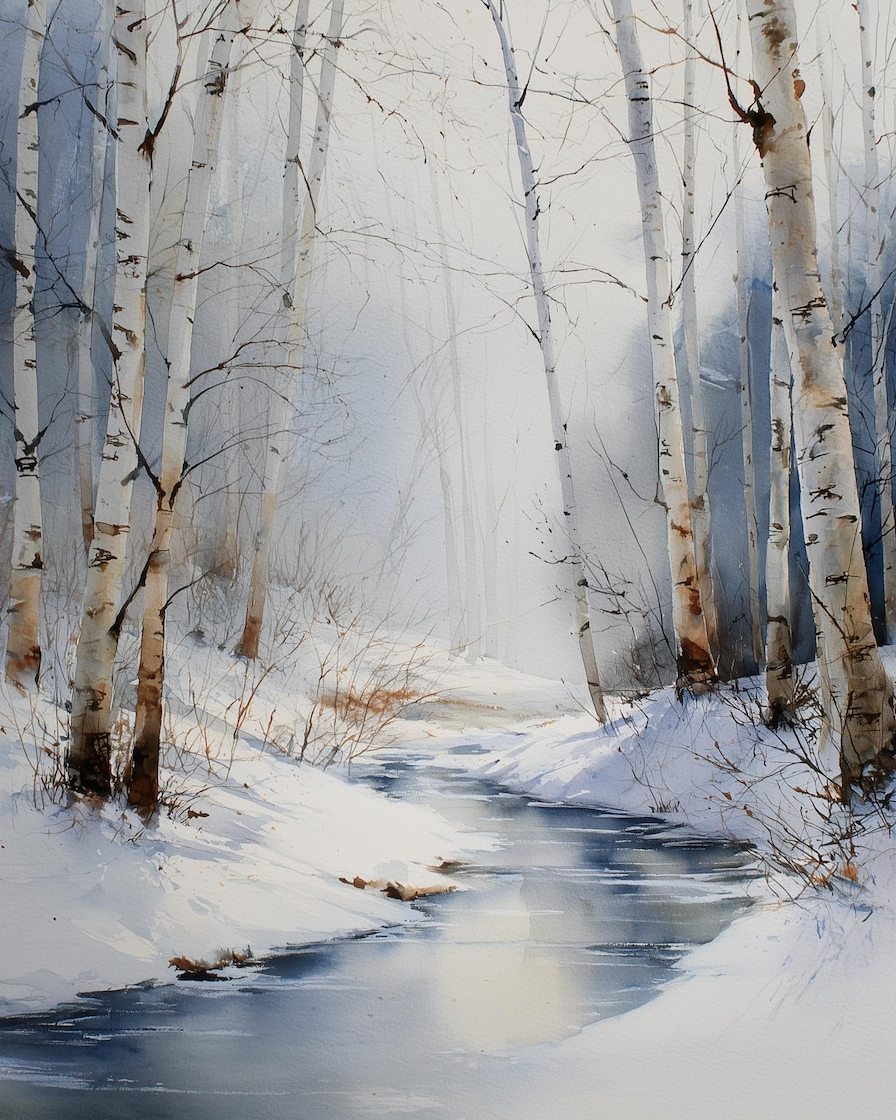
Silver birch trees are one of England’s most beautiful trees, although in reality they are not silver, but a mix of grey and blue.
Did you know that silver birch tree sap contains xylitol (the same lethal sap found in some chocolate, chewing gum and toothpaste?) So if have a a tree-licking dog, keep well away! Read how to make your garden safe for pets.
This fast-growing deciduous tree has a white papery bark that develops black, diamond-shaped fissures with age. Native to Europe and Asia, it thrives in dry soils and is often used to establish new woodlands.
The trees grow up to 30 metres tall, offer with triangular toothed leaves and slender, drooping twigs. They support crucial habitats for many insects and birds. Catkins appear from April to May, and the leaves turn a vibrant yellow in autumn. It’s commonly found in gardens, parks and woodlands.
The Stunning Grey Colours of Nature
Grey is everywhere in nature. While it may seem understated, it holds a quiet power to shape landscapes, and is present in birds, native wildlife and marine mammals.
Grey may not be the first colour that springs to mind when thinking of natural colours, but it deserves as much attention. This soothing and grounding colour is found throughout the natural world, making it one of nature’s unsung elegant heroes.
Think of towering mountains with granite peaks, rugged cliffs and boulders shaped over centuries, a misty grey morning or a stormy night sky. Even wet sand glistens in greyish tones, while pebbles and driftwood add texture.
Grey is a palette of hues, caused where light is absorbed (rather than reflected). Grey pigments in nature can stem from compounds like graphite and silicates (which make up the earth’s crust).
Geological activity like weathering and erosion can break down rocks, revealing minerals that have grey tones.
Grey Creatures Around the World
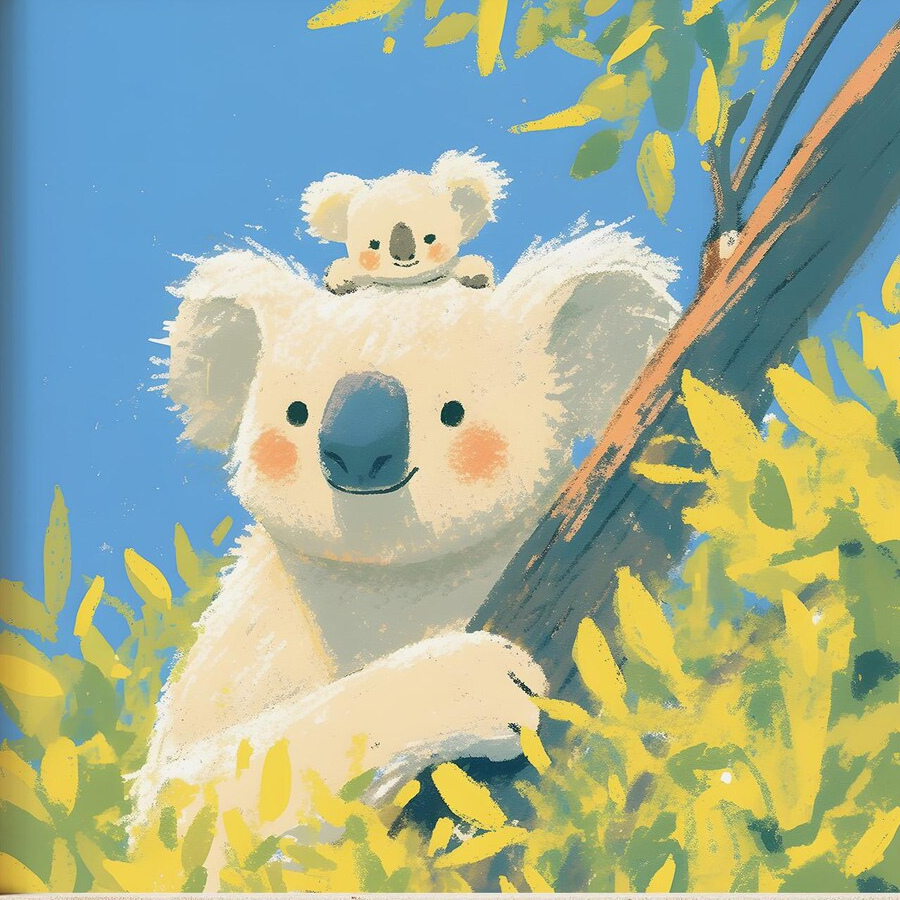
As wells as grey seals, there are grey elephants, rhinos, koala bears and herons. For many species, grey acts as an invisible cloak. The common nightjar bird uses mottled grey feathers, to ‘vanish’ against a backdrop of twigs and leaves.
Grey wolves use their blended coats to stalk prey undetected, across snowy and rocky terrains. Similarly, certain amphibians have developed mottled grey skin to hide on riverbeds or in foliage, evading predators with ease.
An unfairly maligned grey native creature is the pigeon. This highly intelligent bird does not ‘spread disease’ and is important to our ecosystems. Another maligned grey creature is the mouse!
Grey squirrels have also been unfairly maligned in England, as they spread squirrelpox (to which they are immune) to our endangered red squirrels.
But there are far better avenues than culling, including rewilding pine martens (natural predators), vaccination and moving red squirrels to islands, where they would be safe from the disease. Read more on how to help both grey & red squirrels.