St Valentine Did Not Equate Love with Consumerism
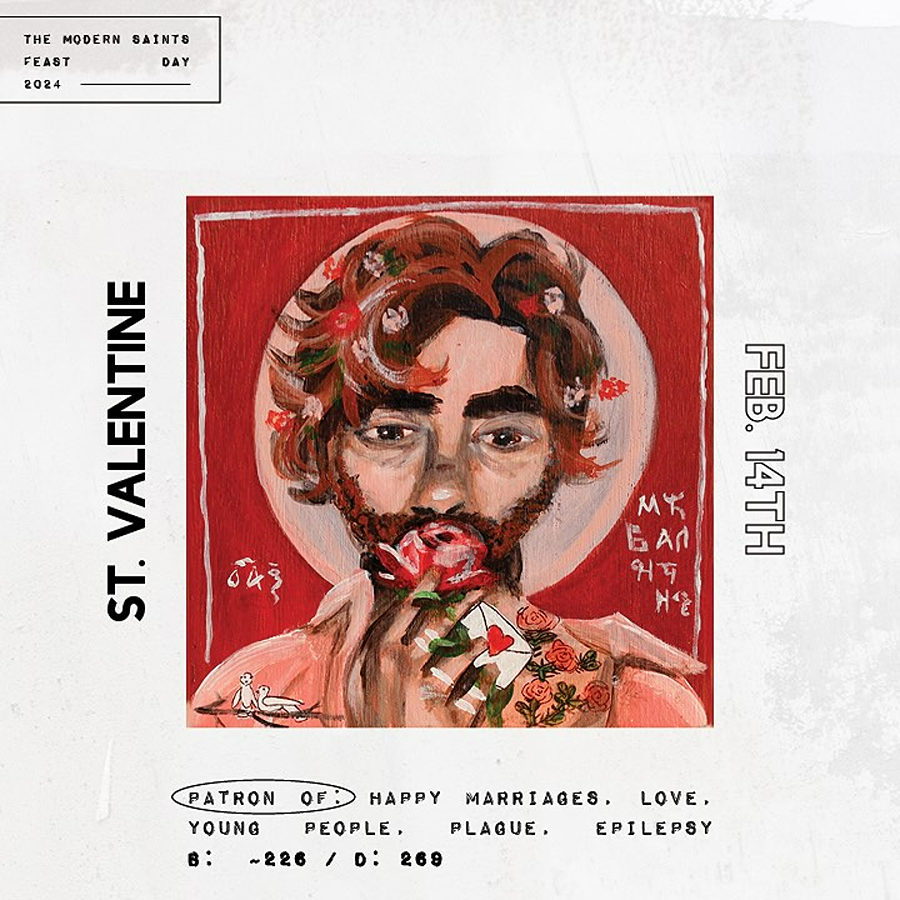
St Valentine was of course a saint (read more below). But the massive consumerist binge that 14 February has become is nothing to do with his beliefs, nor is it good to equate money with love. It’s fine to buy a nice gift, but not to pressure people on low incomes into consumerism, just to ‘prove’ they love someone.
It leads to pressure that there is ‘an amount of money’ that must be spent on romantic partners. Linking love with money, means that if your friend spends £200 a gift for a loved one, does that mean that if you spend £10, you love your partner less?
Of course not, it likely means you are less consumerist, and will spend the rest of the money on something else – perhaps something practical like a comfortable bed for you both to sleep in – a firm mattress for a partner with a bad back, is more a symbol of love through caring!
And of course, excessive consumption leads to more plastic waste (flower bouquets and chocolate boxes), more factory farming (dairy chocolate boxes), and more mining (jewellery made from non-recycled metals).
Choose these eco-friendly cards for St. Valentine’s Day.
Who Was St Valentine?
He was a priest who (like Jesus) could heal people, by laying his hands on them.
But when he defended the Christians at Rome (and refused to deny Christ), has was stoned and beheaded, back in the 3rd century. Not just for love, he is also the patron stain for epileptics and bee-keepers.
Some scholars believe there was more than one St Valentine, others say he had no connection to romance (this was due to Chaucer linking him with ‘courtly love traditions’ in a poem).
Love as action: courage, care, and commitment
The clearest idea tied to St Valentine is simple: love is something you do. It’s care with sleeves rolled up.
In the legends, love looks like helping others keep their promises, supporting people under strain, and standing by convictions when it brings trouble. Even if the details blur, the shape of the story stays the same. Love costs something, yet not in the “add to basket” way.
That action-first view still lands in everyday life. It’s turning up when someone’s anxious. It’s listening without trying to fix everything. It’s protecting time for your relationship when work wants to spill into every evening. It’s doing the boring task your partner dreads because you noticed they’re tired.
Consumerism tells us love is best shown in one dramatic moment. The Valentine tradition suggests something quieter and more demanding: steady care, given on purpose.
Cards for St. Valentine’s Day (on recycled paper)
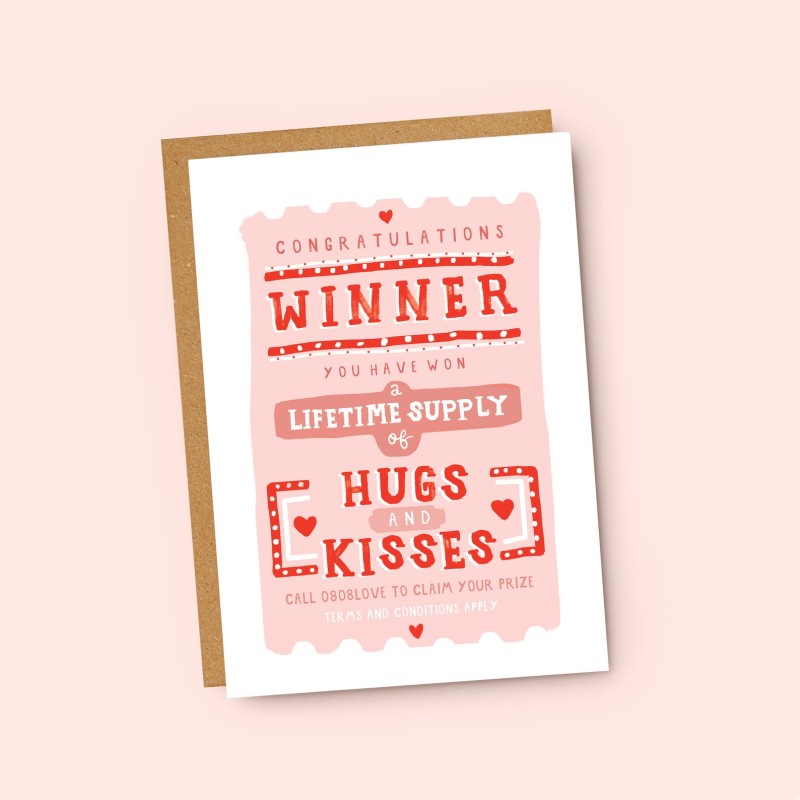
Jade Fisher makes lovely unique Valentine greetings cards, all printed on recycled or waste paper, sent in recycled envelopes.
After Christmas Day, more cards are sent on Valentine’s Day than any other, leading to a huge waste of trees. Even FSC-certified cards require mono-plantations of trees covered in pesticides, and don’t support homes for wildlife. Buy cards printed on post-consumer waste paper, there are tons of them around.
Most cards bought will just end up in landfill, emitting methane gas (anything with glitter can’t be recycled. Although plastic packaging can be recycled at supermarket bag bins, it’s better not to buy it at all.
If sending greetings cards, don’t send ‘plantable’ ones to homes with pets, as many grow into toxic wildflowers).
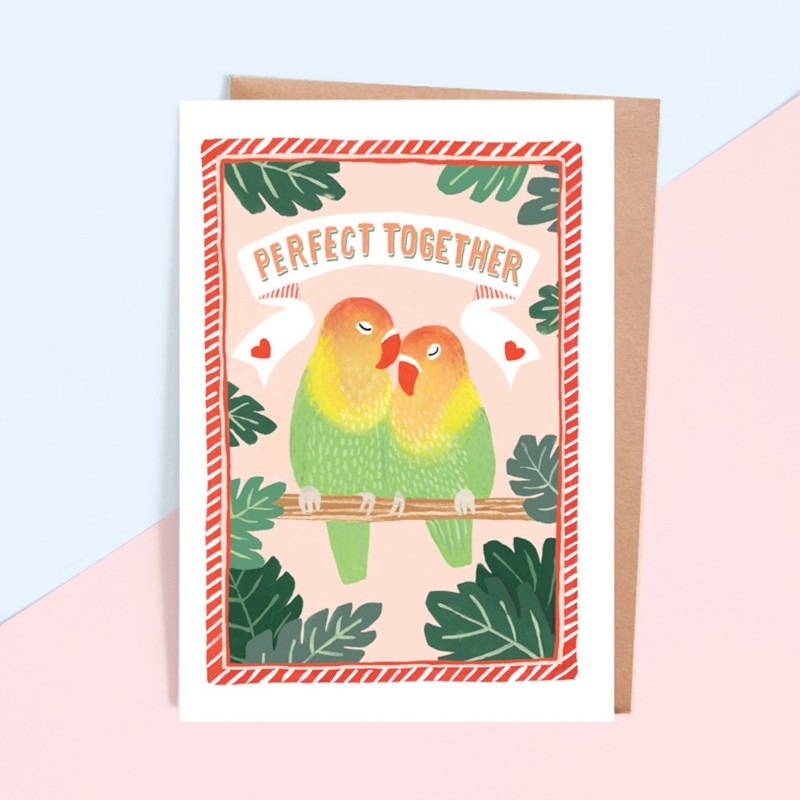
These cards are hand-painted in Wales and made in England.
More Unique Eco St. Valentine Cards
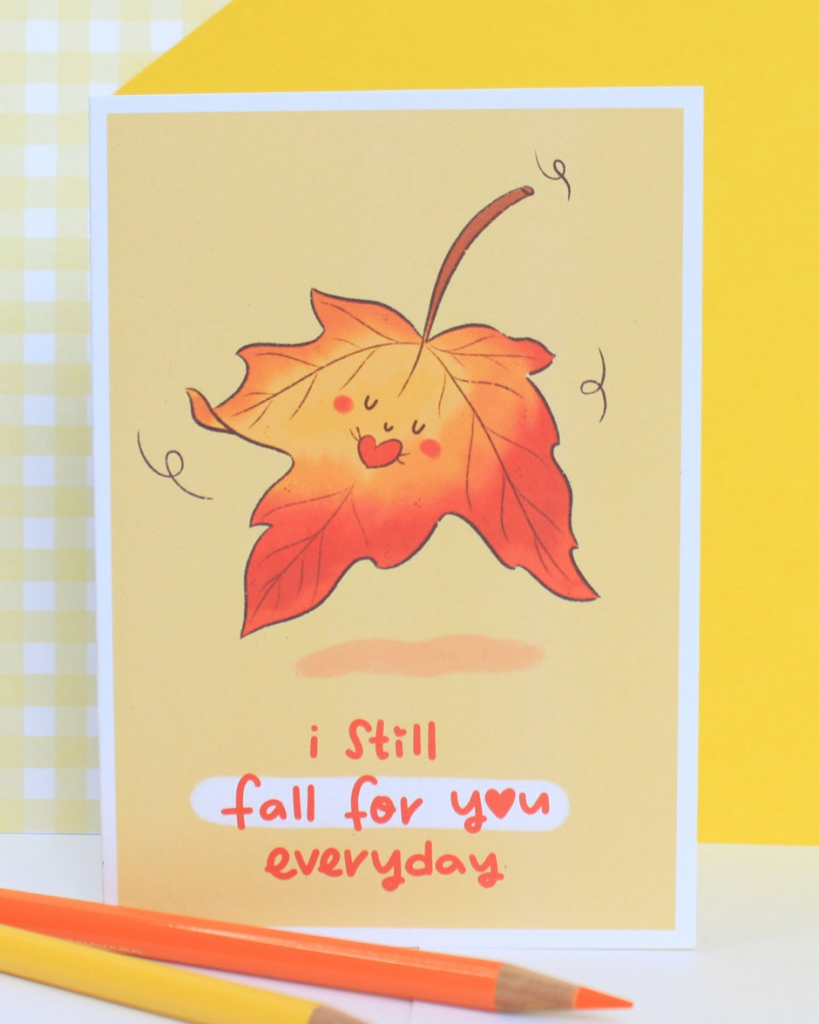
Or instead, consider these unique Valentine Cards, lovingly made in Oxfordshire and sent in plastic-free packaging. Also as a friendly octopus or sweet berry thank you card!:

The Regency Guide to Love & Romance

The Regency Guide to Romance is a beautiful little book, for anyone navigating the world of love and courtship. This charming and whimsical guide to modern dating, is inspired by Regency-era etiquette. A must for people who wished they lived in the times of Jane Austen.
If you’re looking to attract a suitor (without enduring the arduous task of swiping through dating apps), this pocket book can guide you.
Perhaps you have a broken heart that needs nursing, and don’t know what to do? Or maybe someone has suddenly appeared in your Direct Messages, and you are unsure how to proceed?
The Regency era is remembered as a time of refinement and culture, and this means it’s the perfect inspiration for dealing with modern dating, and knowing when not to proceed.
In those days, no woman would allow herself to fall for someone unsuitable, she would have just enjoyed life alone. Until the right suitor came along. Or stand out as the best-dressed at the costume ball!
There’s nothing like an elegant afternoon tea, to help you forget your romantic woes. This book has perfect tips for dealing with all kinds of romantic scenarios, along with quotes from Regency-era figures like Jane Austen and Lord Byron.
Romance can be a tricky business. But now you can proceed with confidence with your Regency friends, and allow your heart to swoon on every page!