Built to last: the case for stainless steel washing up bowls
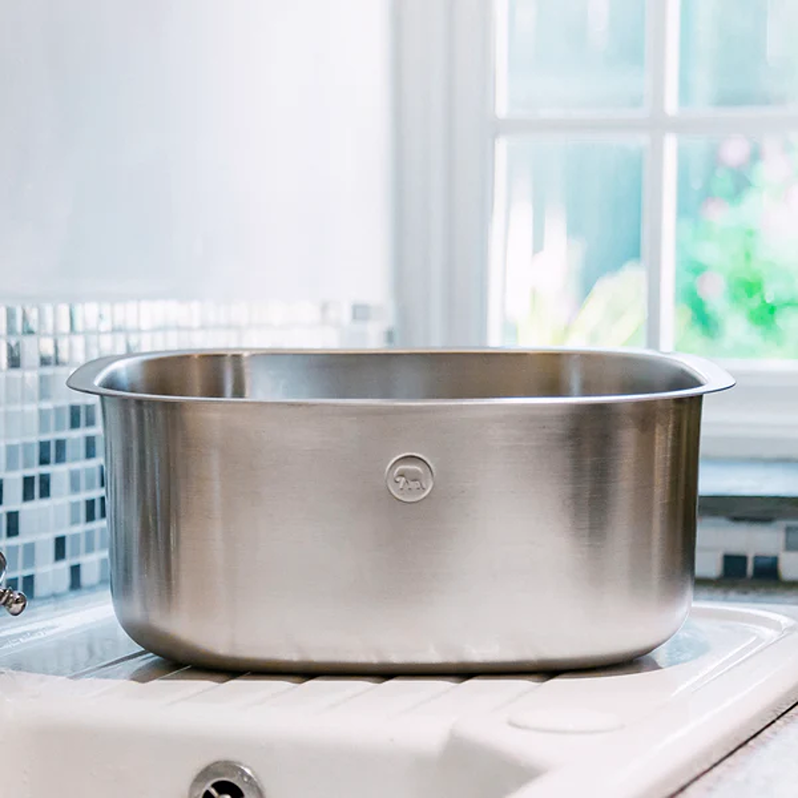
This stainless steel washing up bowl is designed to last for years, an end to soggy and mouldy plastic washing up bowls. In neutral or bright orange. Sold with a 15-year warranty!
Wash with hot soapy water by hand (you can brighten the steel with cleaning vinegar). Avoid bleach (avoid bleach anyway, it’s toxic).
Avoid for ceramic or butler sinks, as they scratch. This bowl is a bit bigger so not for smaller sinks, measure according to instructions before ordering.
Use with natural dishwash liquid or dishwasher powder (unscented for pregnancy/nursing and baby/pet bowls – citrus is toxic to animals). And fair trade rubber gloves.
Don’t pour plant-based liqueurs down the drain. They should be treated like oil (wrap and bin small amounts or use an oil recycling bin for larger amounts. Or better yet, just drink them up!
Made for everyday use
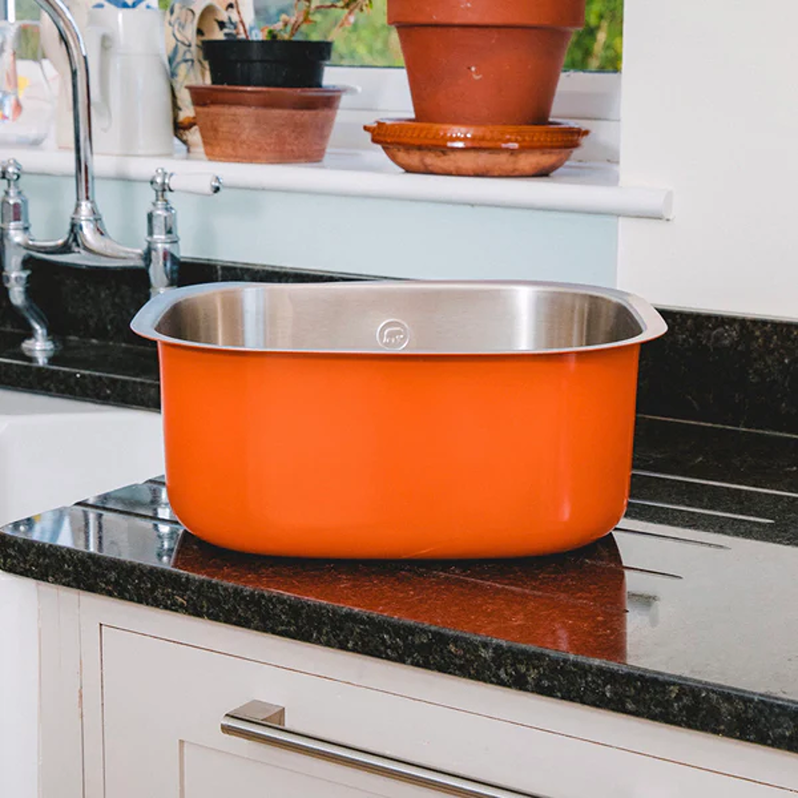
When it comes to everyday kitchen essentials, it can be tempting to choose the cheapest option available. But products that are used every day need to be able to stand up to regular use. A stainless steel washing-up bowl is a simple, durable alternative to plastic bowls, offering years of practical use in the kitchen.
Made for Everyday Use
A washing-up bowl has a surprisingly important job. It needs to cope with hot water, heavy dishes, cutlery and regular cleaning, day after day. Stainless steel is naturally strong and hard-wearing.
Unlike some plastic bowls that can become scratched, stained or brittle over time, a quality stainless steel bowl is designed to remain useful for years.
A simple way to reduce plastic
Rather than buying another bowl every few years, you can choose one designed to stay in your kitchen for the long term. Sometimes, the most sustainable choice is simply buying fewer things and choosing products that are made to last.
Easy to clean and maintain
Kitchen products need to be easy to keep clean, and stainless steel makes this simple. Its smooth surface can be wiped and washed easily after use, helping you keep your washing-up area fresh and tidy.
For everyday maintenance, simply rinse the bowl after washing up and allow it to dry. For more thorough cleaning, warm water and a suitable washing-up liquid are generally all that’s needed.
More than just for washing up
Depending on its size and design, you might use it for soaking laundry, cleaning vegetables, carrying water or tackling other household jobs. A durable bowl that can serve multiple purposes is another way to avoid accumulating unnecessary household items.
Choose once, use for years
A stainless steel washing-up bowl may not be the most exciting item on your shopping list, but it’s a purchase that can make a real difference to your everyday routine. Durable, reusable, easy to clean and versatile, it’s a straightforward alternative to short-lived plastic products.