Squeeze the Day ( Sustainably): Zero Waste Juice Brands
Many people like a glass of fruit juice in the morning, but many brands on sale are not very ethical (Tropicana even sneaks fish and gelatine into some flavours – why on earth do you need to check for these ingredients in a bottle of fruit juice?!)
Check medication before consuming grapefruit or rhubarb. Always use pasteurised juices for pregnancy/nursing, children or people with weak immunity.
Before recycling cans, rinse then pop ring-pulls over holes. Then step on uppers cans, to ‘pinch’ inner rims together, to avoid wildlife getting trapped.
Flawsome! Juices Made with Wonky Fruits
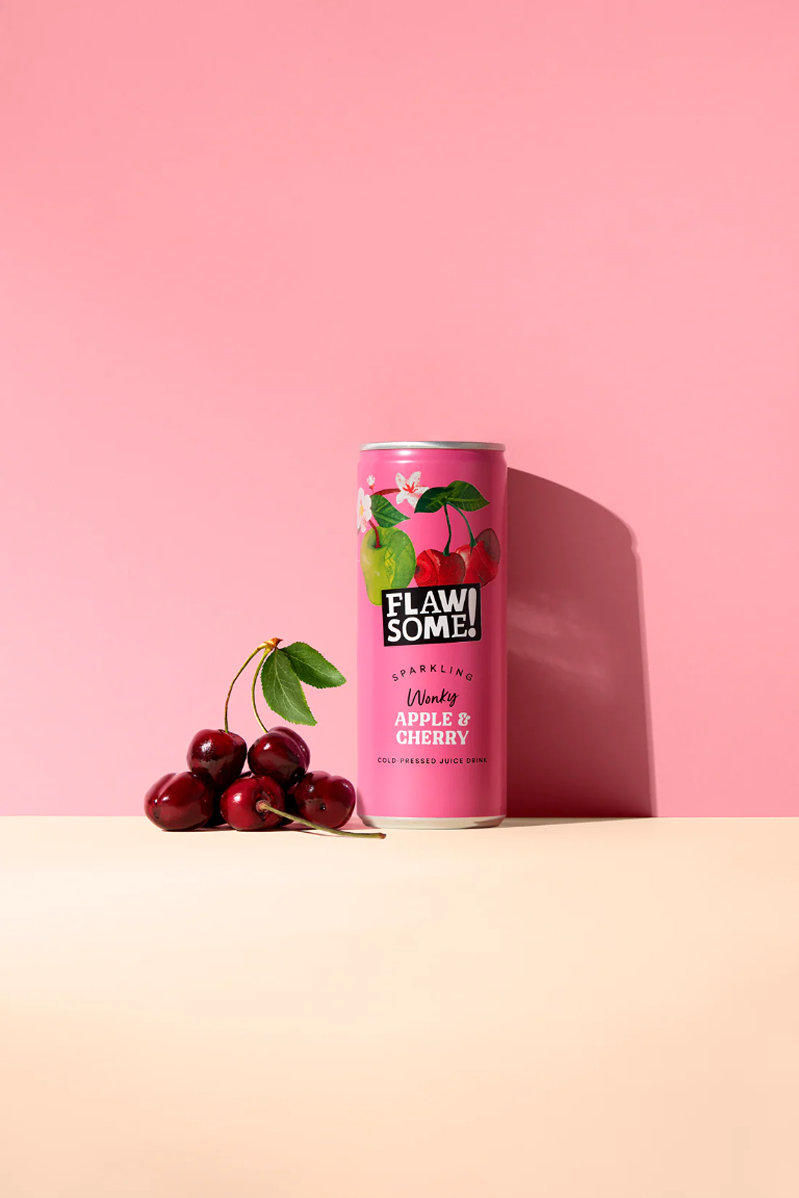
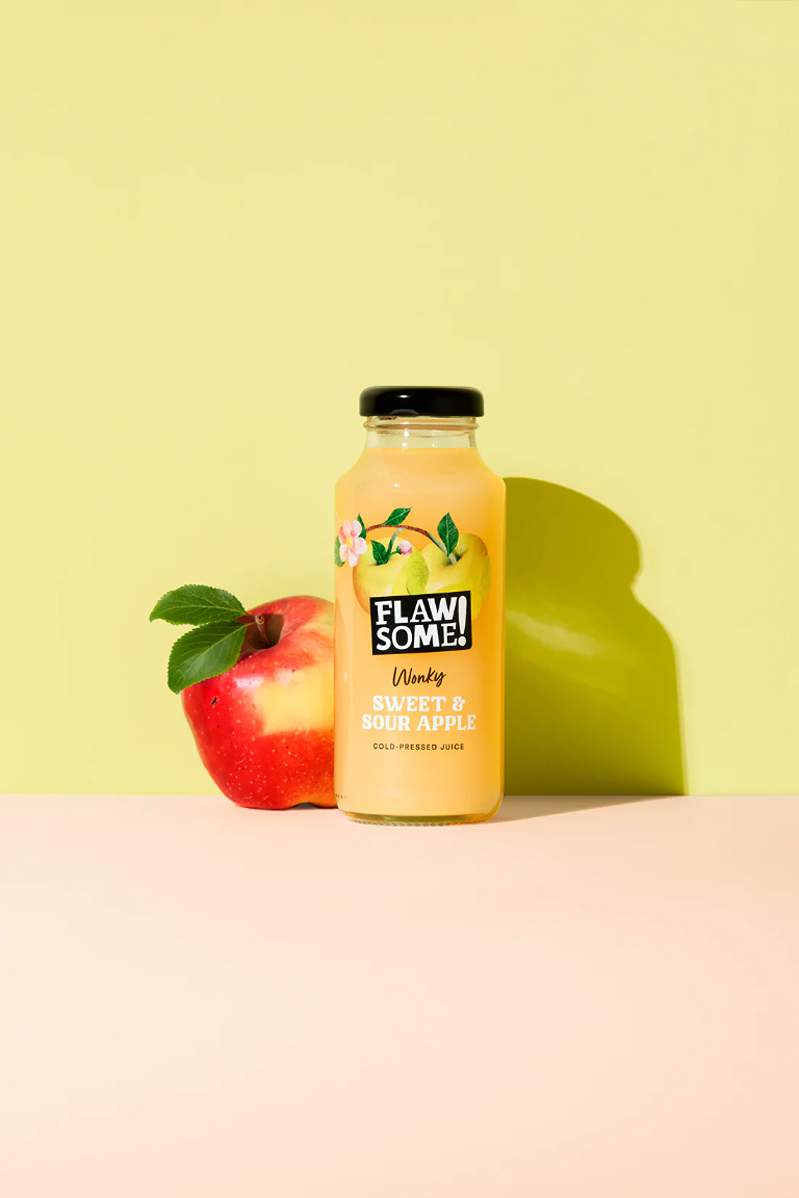
Flawsome! is a drinks brand which makes cold-pressed healthy drinks, all made from wonky surplus fruit, that would otherwise go to landfill. The cold-pressed juices are sold in glass bottles and cans.
The company was founded by a married couple, who used to help out at their respective grandmothers’ orchards, so had a real appreciation of fresh fruit. After visiting a local farm and seeing fresh produce go to waste, it sparked a business idea.
So with twins on the way, they used £800 savings to start this drinks brand, that is now sold nationwide, to help hydrate the nation, and use up wonky fruit at the same time.
So far the company has rescued over 77 million fruits from landfill, and support local farmers by paying fair prices for wonky surplus fruit.
The range includes:
- A range of apple drinks (apples are one of the most wasted fruits in England). Flavours include sweet and sour apple, apple-cherry, apple-strawberry and apple-rhubarb.
- Orange juice (each bottle save 3 oranges from landfill). Oranges only came to England during the 17th century, eaten by those with access to orangeries (big greenhouses). Before that, Queen Eleanor (from Spain) would order oranges to dock at Portsmouth.
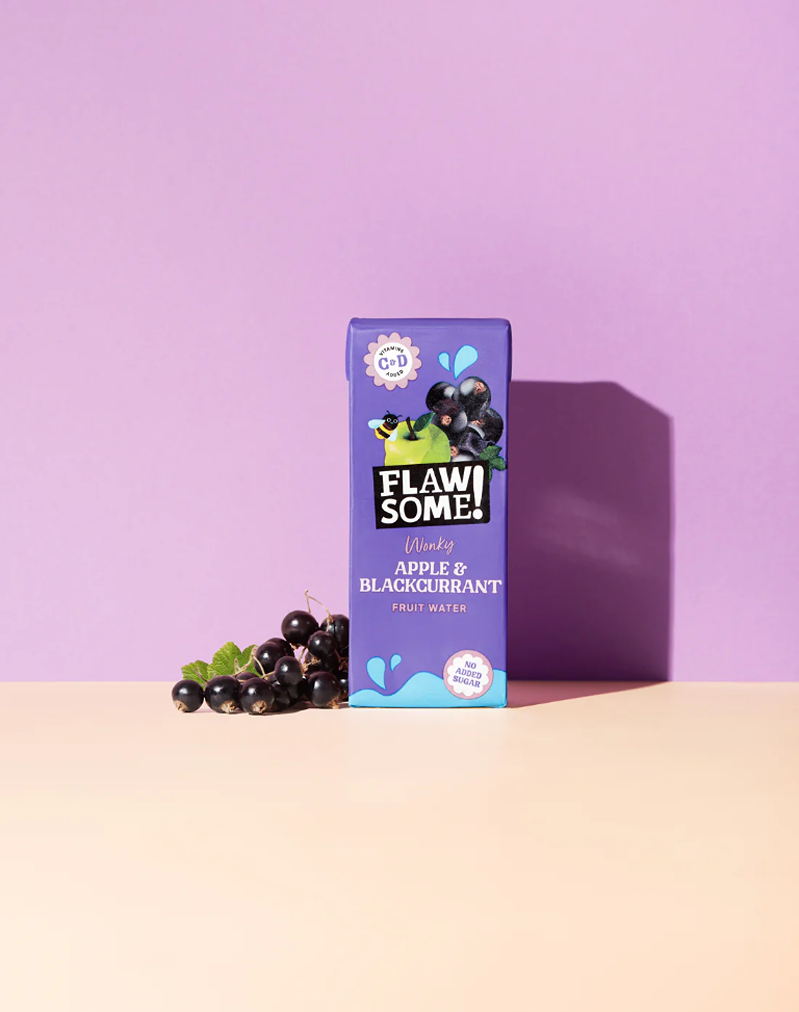
- Fruit Waters are packed in paper wrappers (with paper straws) and blend still water with wonky fruit, for a hydrating alternative to water, without the plastic waste. Ideal for office or child lunchboxes.
Food Waste Issues in England
One third of all food in the world goes to waste, with the UK throwing away enough food each year to feed over 30 million people. Yet 8.5 million people cannot afford to eat properly. There is enough food thrown away each year, to feed everyone on earth.
Food waste at landfill also contributes to methane gas, which contributes to the 10% of greenhouse gas emissions caused from food waste (contributing more emissions than plastic waste).
Why do we have so much food waste? Unlike most European countries (where people still buy food from greengrocers and bakers), we are ruled by giant supermarkets that often reject fresh produce if it’s not the right shape, size or colour).
Biona Cherry Juice (insomnia cure!)
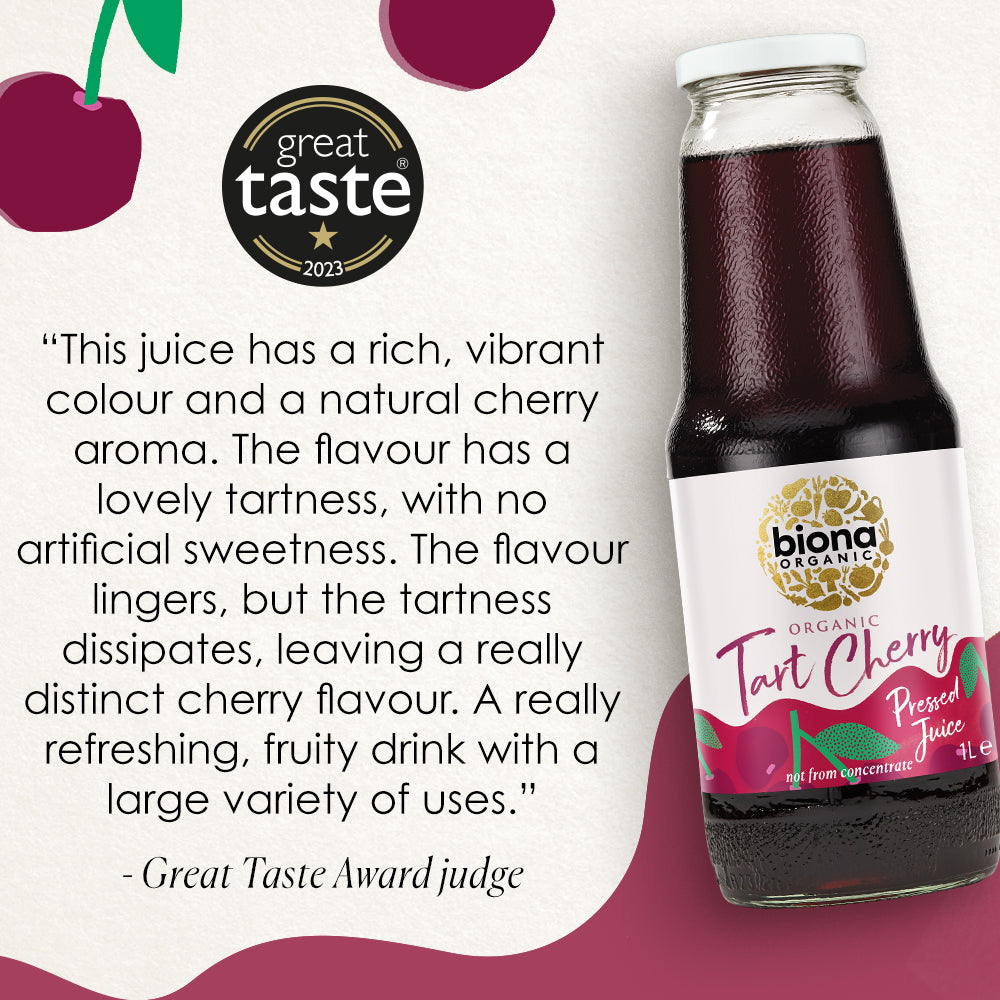
Biona Organic offers a nice line of organic fruit juices. Including grape, blueberry and cherry (full of melatonin, this makes for a wonderful ‘natural sleeping pill’ if you drink it a couple of hours before bedtime).
The brand also makes beetroot juice, from one of nature’s sweetest vegetables.
Many people like a glass of fruit juice in the morning, but many brands on sale are not very ethical (Tropicana even sneaks fish and gelatine into some flavours – why on earth do you need to check for these ingredients in a bottle of fruit juice?!)
Rejuice (sparkling fruit juice from wonky produce)
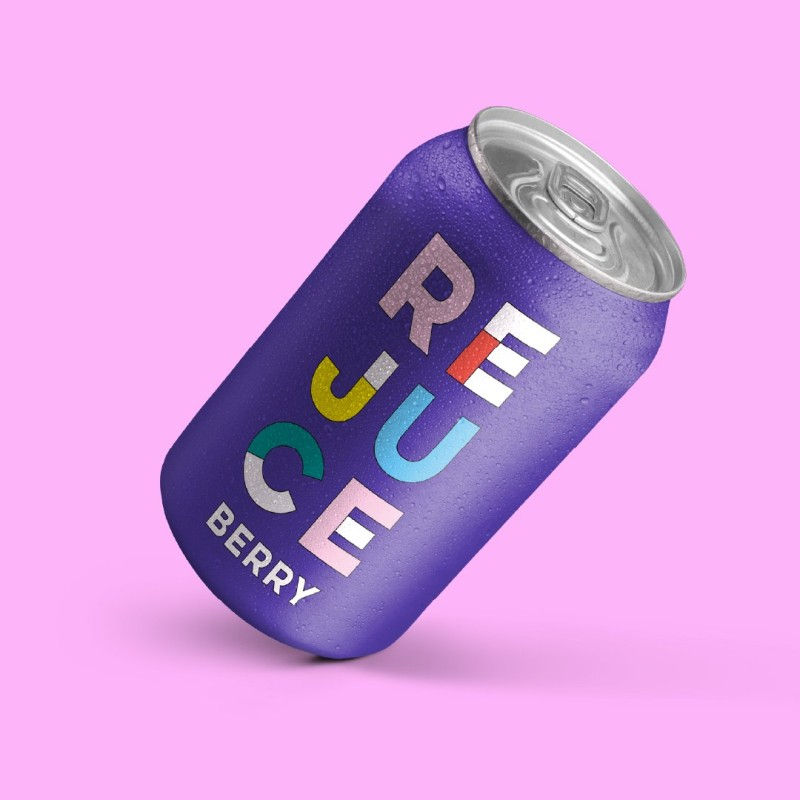
REJUCE is a London drinks brand that produces tasty carbonated juices, made from wonky (yet still edible) fruit and veg, to stop it going to landfill. Chef Tom had worked for 10 years seeing food needlessly being thrown away, so decided to study more about food waste, and find solutions.
Many people like a glass of fruit juice in the morning, but many brands on sale are not very ethical (Tropicana even sneaks fish and gelatine into some flavours – why on earth do you need to check for these ingredients in a bottle of fruit juice?!)
The cold-pressed juices are sold in glass bottles, and the carbonated juices are sold in cans. The range of juices includes:
- Berry (a refreshing summer drink). Each saves 30 berries.
- Apple (a refreshing drink that’s ideal with dips, chips and veggie pakoras). Each can saves 4 apples.
- Orange (a combination of sweet and tart fruits). Each can saves 4 oranges.
REJUCE’s founder has big ambitions, hoping this juice is soon stocked nationwide (it’s presently sold in hundreds of retailers). With plans to launch a cider, and even a toilet paper made from juice pulp!
Interested in placing an order? Just contact REJUCE Sales and Account Manager to find out more!
Pip Organic Sparkling Juices
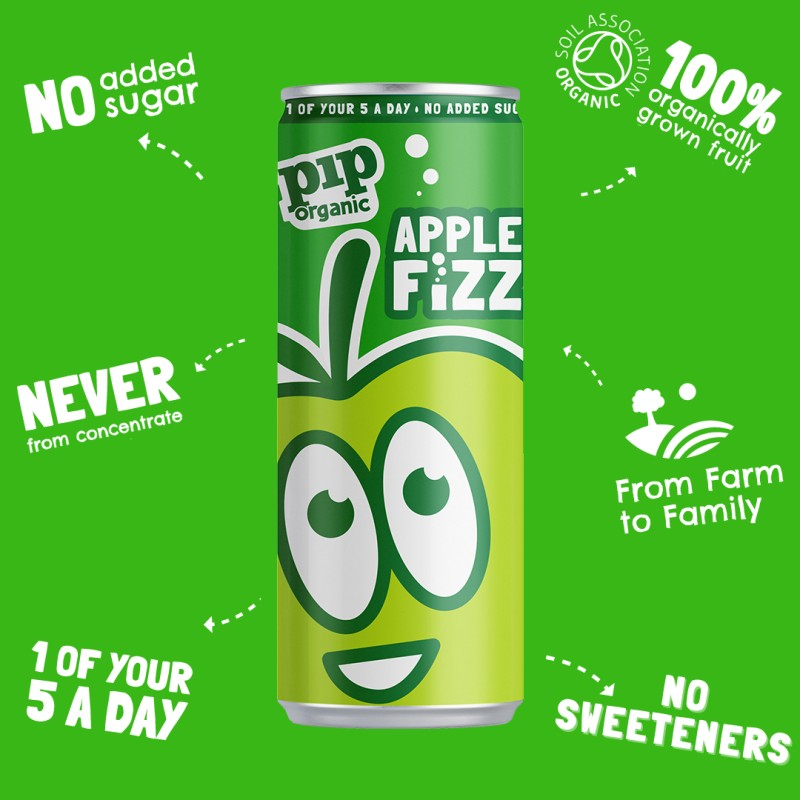
Pip Organic Apple Fizz (also in apple cherry grape flavour) is like the a homegrown artisan version of Appletiser, made with organic apples (non-organic ones are often sprayed with dead insects, to make them look shiny). Sold in easy-to-recycle cans, you can find this brand in stores or order in packs of 24 online.
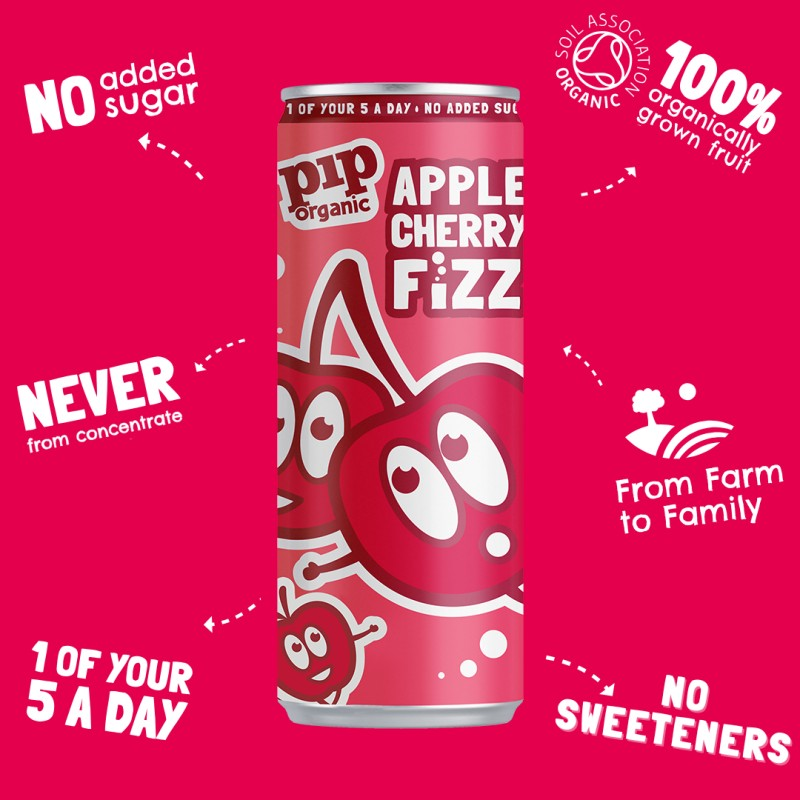
Both drinks count as one of your ‘five-a-day’ due to the healthy organic fruit, and of course they are refreshing drinks as alternatives to sodas and drinks made with artificial sweeteners.
Organic apple juice is rich in antioxidants to boost immunity, and also a source of natural electrolytes, for good hydration. Consume in moderation, due to natural sugars.
This brand was founded by a husband and wife, who began making pure organic juice, to sell at a stall in London’s Borough Market. The juice was so popular, there was obviously a market to sell organic juice nationwide.
Wholesale accounts are available, if you would love to bring PIP organic sparkling juices to your small shop, bar, hotel or restaurant.
Why Choose This Over Appletize?
Simply because this is a small local artisan company, rather than a big major multi-national brand. Just imagine the money that would flow into local communities, if pubs and restaurants chose these smaller brands, instead of always going for the big names?
Homemade Juice (avoid food poisoning)
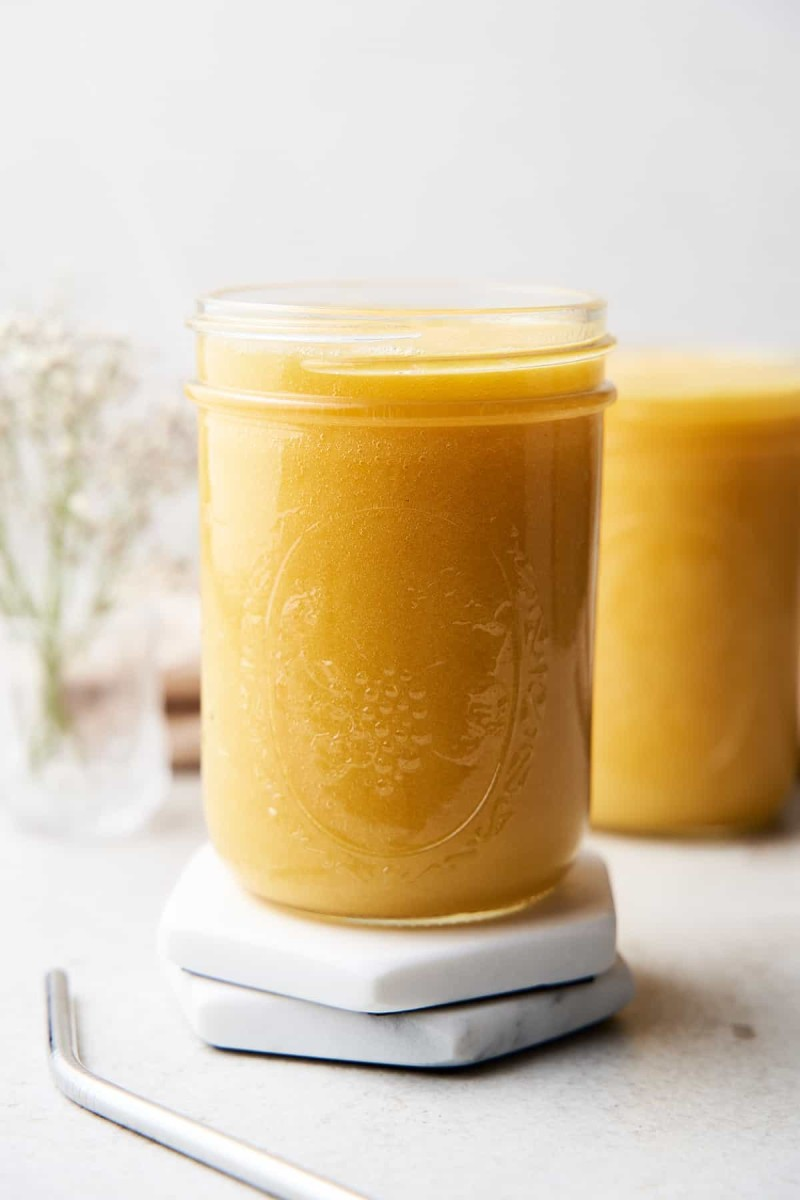
Try these two recipes for homemade strawberry juice and homemade peach juice (both by Broke Bank Vegan).
Homemade fruit juice is easy to make. But there are a few safety caveats, as store-bought versions are obviously sterilised and pasteurised.
- Wash produce under running water (even if peeling) and discard bruised areas.
- Wash and sanitise juicers, knives and cutting boards with hot soapy water, before and after use.
- Keep juice chilled at the right temperature and consume within a day or so, to minimise bacteria growth.
- Avoid unpasteurised juice for children, pregnancy/nursing and weak immune systems.
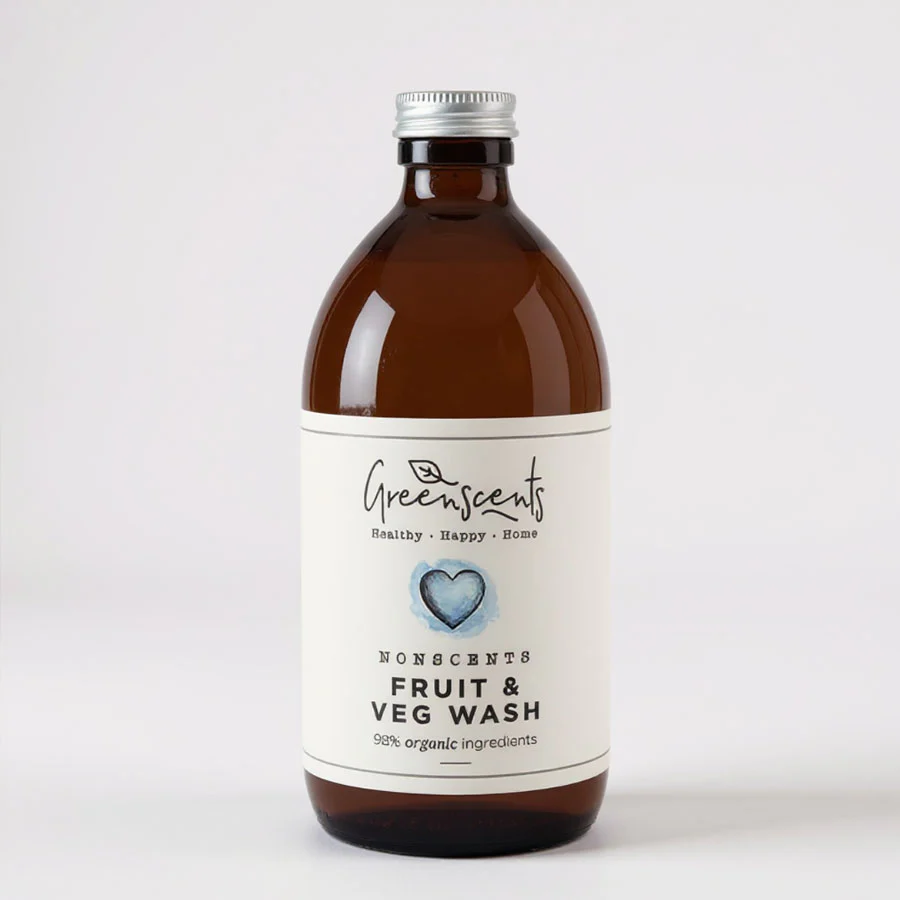
Greenscents Organic Fruit and Veg Wash is made with 97% organic ingredients, to help reduce exposure to potential threats like listeria, E.coli and salmonella, for cleaner food and peace of mind. Even organic fruits and vegetables can pick up bacteria in transport.
Use code GSENGLANDNATURALLY for 15% off entire order (minimum purchase £20)
Cantaloupe melon carries a slightly risk of salmonella poisoning, due to the netted ring. Keep cut melons in the fridge away from other foods, use a clean knife and wash the melon thoroughly underneath the rind, using up within a few days
Rocks Organic Fruit Cordials
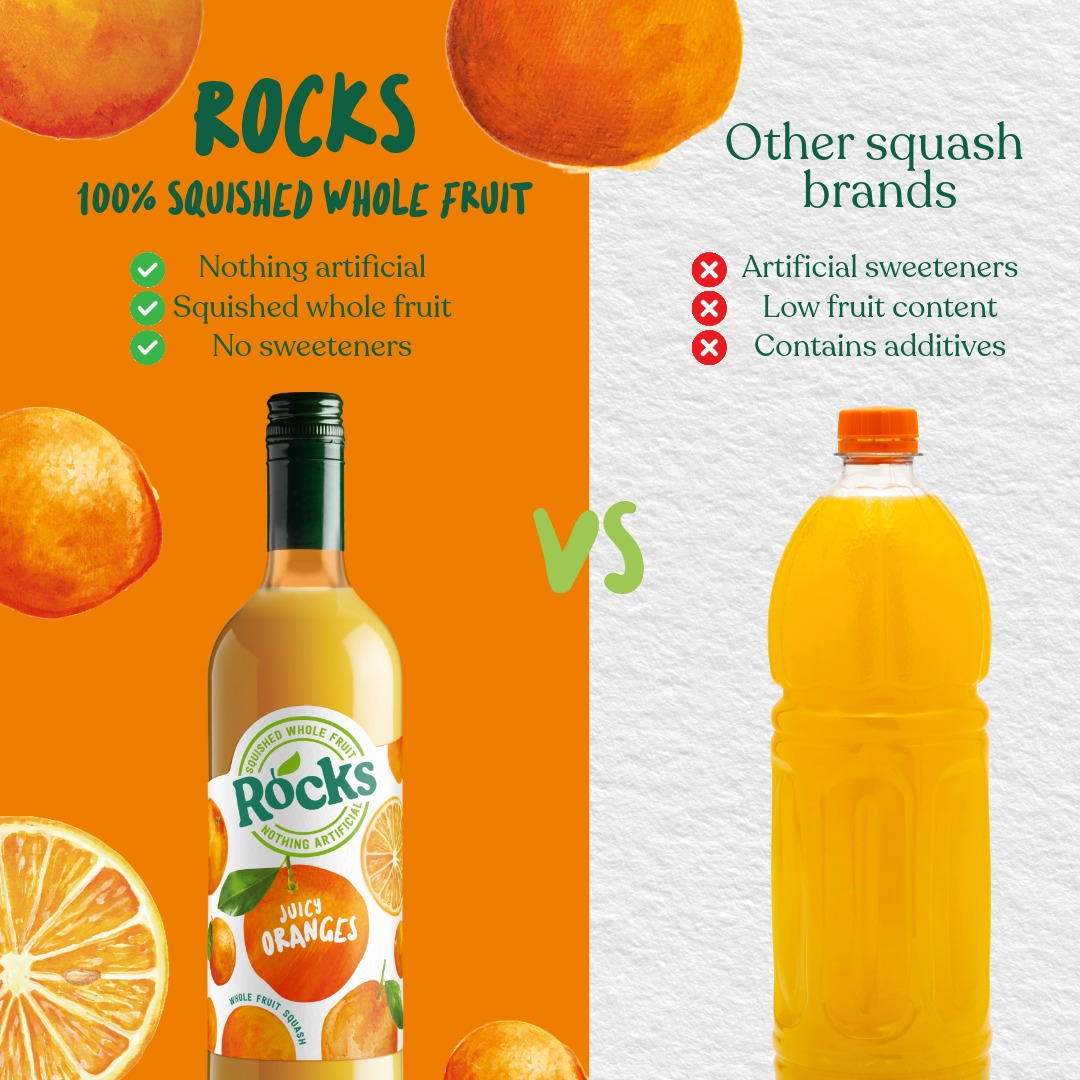
Rocks is a good brand of organic fruit cordials (rather than juice), founded by three dads. It blends local fruits with Devonshire water, and is sold in glass bottles (they’re easy to find in most stores, including supermarkets). Choose from:
- Blackcurrant
- Orange
- Summer Fruits (strawberry, cherry, apple, blackcurrant)
Rocks Organic cordials aren’t just for cold drinks. Mix with still or sparkling water for a refreshing soft drink, warm it up on a chilly day, or splash into cocktails for something special.
Store in the fridge after opening, and drink within 3 weeks. Due to be sweetened with natural sugar, brush teeth not long after drinking. And don’t leave tops open, or you’ll have wasps and ants visiting.
Due to the proposed sugar tax, most brands (even Robinson’s) now add artificial sweetener (dodgy for your health, tested on animals and leaves a funny aftertaste). And xylitol-sweetened drinks are lethal to pets, if left around.
Before the invention of Coca-Cola and Red Bull, cordials were the beverage of choice after water (homemade lemonade was popular, but had no fizz). Cordials are a bit sweetener than conventional squash, but likely better for you.
Rocks Organic Blackcurrant (natural Ribena!)
Ribena is a drink created (by a biochemist and scientist combined at Bristol University) back in 1938, to help people get vitamin C during World War II, when citrus fruits were not available. The government encouraged people to grow blackcurrants, and children were given the drink for free.
The name is from the botanical name for blackcurrants (‘ribes nigrum).
Now owned by a Japanese corporate food brand, modern versions are (like all squash – even Robinson’s Barley Waters) adding artificial sweetener to reduce the sugar level, preparing for impending sugar taxes. Today around 90% of all our blackcurrant harvests, goes to make Ribena (profits moving out of England).
The company recently spent £7 million on a TV ad campaign, to have people hark back to the days of nostalgia, when drinking Ribena. However, the sugar tax has now changed the recipe completely.
There is now less blackcurrant juice, and ‘blackcurrant flavour’ has been added. This reduces the sugar content, to make more profits. One user said it now just tastes of ‘summer fruits’, and it’s like the makers have filled the bottle with a completely different drink.
One user who found that Ribena now adds artificial sweetener to her favourite drink wrote online ‘‘Adding sweeteners to Ribena was intended to reduce our sugar intake. This has worked, as I no longer buy Ribena’.