How to heal acne and blemished skin (naturally)
Acne is simply when hair follicles become clogged with oil and dead skin cells. This can lead to pimples, blackheads and cysts. Genetics sometimes plays a role, more common is foods high in sugar and dairy.
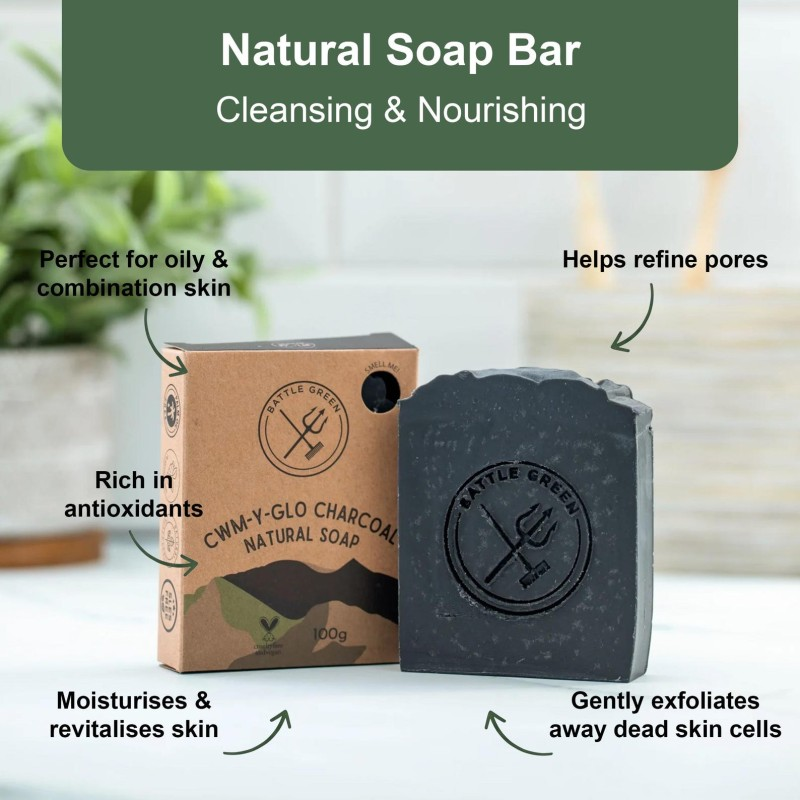
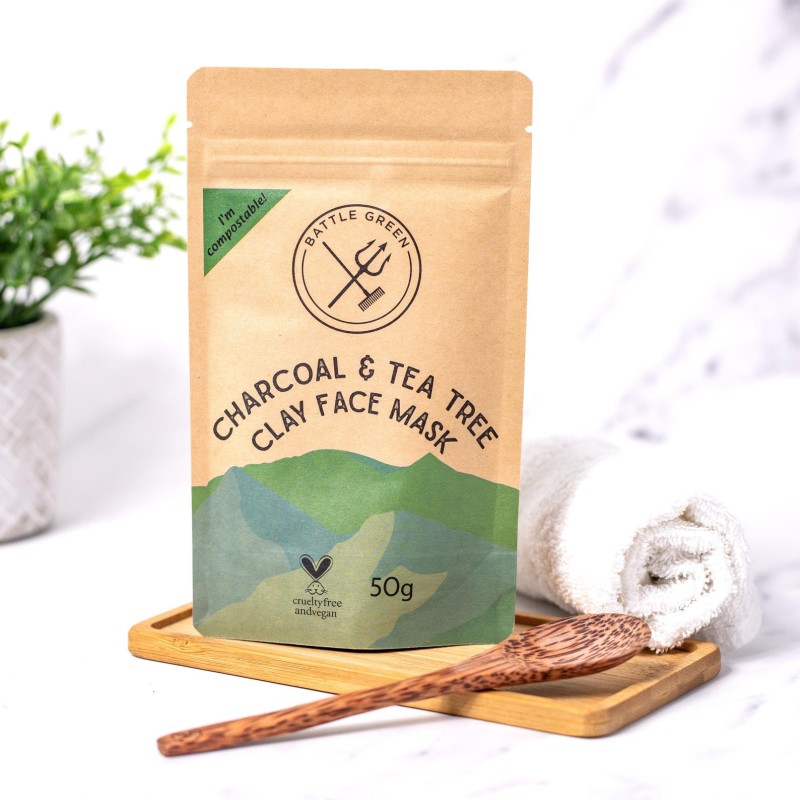
Cleanse skin using charcoal soap and use a charcoal face mask.
Avoid essential oils if pregnancy/nursing. Wash cocoa butter (and zinc oxide products like sunscreen, deodorants and cosmetics) off skin before letting pets kiss you.
Recycle packaging at kerbside or in Boots/Superdrug stores.
Quick tips to help reduce acne
If acne is painful, or leaving scars, see a GP or dermatologist.
- Eat healthy nutritious food. Learn to cook a few plant-based recipes!
- Get at least 150 minutes of weekly exercise and quality sleep (to reduce stress hormones).
- Stay hydrated. Six to eight glasses of water a day is a good aim for most people. Drink two glasses before each main meal, to easily achieve this.
- Let Dr Pimple Popper (a dermatologist) show you the safe way to pop a pimple, if you just have to! Doing it the wrong way could make things worse, and cause lifelong scarring.
Why avoid conventional acne products?
Most contain salicylic acid that may clean pores, but can aggravate skin, and should be avoided by people who have allergies to aspirin or are pregnant/nursing.
Overcuse can also strip the skin’s natural oils, and make things worse. It also makes skin more sensitive to sun and can interact with medicines, and even cause more break-outs by increasing cell turnover.
Oy Clear Skin Purifying Serum
The clear skin purifying serum is ideal for oily skin to keep blemishes at bay, using deep-cleansing yucca and willow bark (a gentler alternative to salicylic acid). Alcohol free.
Serums are basically blends of oils and other ingredients that have smaller molecules than skin creams, so good for acne, pigmentation etc. They are applied to skin after cleansing, but before moisturising.
How to help prevent acne scars
Scars are the skin’s way of healing. Most will heal on their own. If not, then it’s best to see your GP or a dermatologist. Pain, heat, swelling, pus, or a bad smell can point to infection. A thick raised scar that keeps growing may be a keloid or another overgrown scar type. Also, if itching won’t stop, or a mark changes fast in colour or shape, don’t leave it to chance.
Dermplaners (to remove ‘acne scars and peach fuzz hair’)
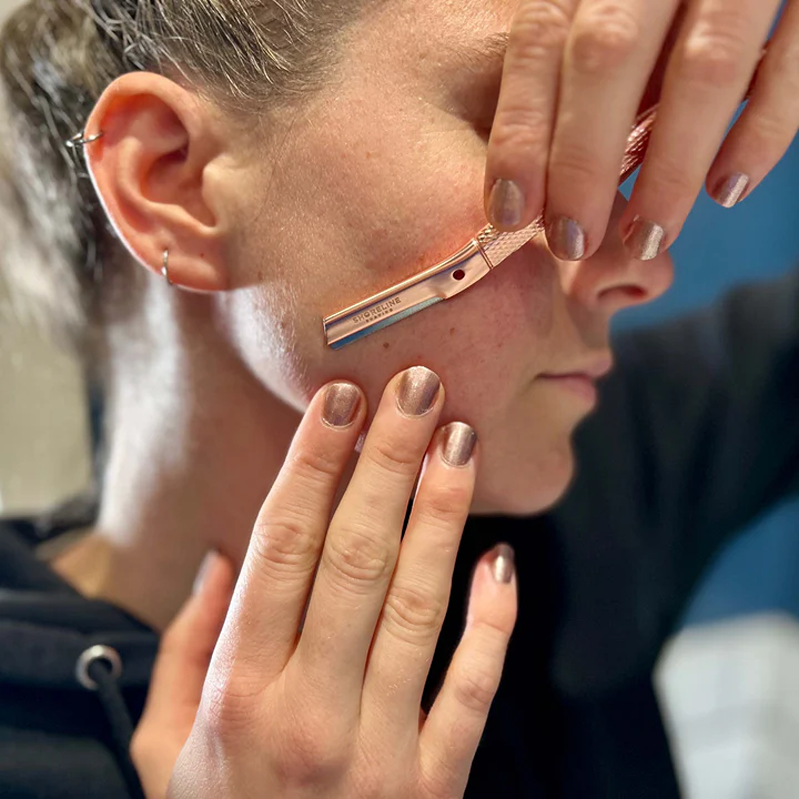
Shoreline Shaving’s stainless steel dermaplaners are used to exfoliate skin on the face, and remove ‘peach fuzz’ like on upper lips. The set includes a silicone blade cover and three replacement blades (also in rose gold). Then just buy refill blades.
Only use the tool every four weeks or so. Hold at a 45-degree angle, then use short gentle strokes to shave in downward motions. Be extra cautious around the nose and upper lip. Clean with rubbing alcohol.
Using a blade to scrape skin off your face may sound alarming, but if done properly with good tools, it’s a good way to scrape off dead skin and ‘fuzzy hairs’ without trips to the beautician or leaving stubble.
Although it should not be used on active acne, eczema or sensitive skin), dermaplaning is one of the best ways to safely soften the look of shallow acne scars, by removing the top layer of skin. Which is far safer than a harsh acid peel!
If you find that dermaplaners are not allowed for your particiular skin condition, an alternative is ‘threading’. This is where a trained technical uses twisted cotton threat to pluck hairs cleanly from the root. Unlike dermplaners, this method does not scrape the skin barrier, but you’ll need to find a qualified technician.
This method originated in India, and is also popular for hair removal, such as on the upper lip. And to shape eyebrows, as an alternative to tweezing.