Helpful Tips for More Sustainable Schools

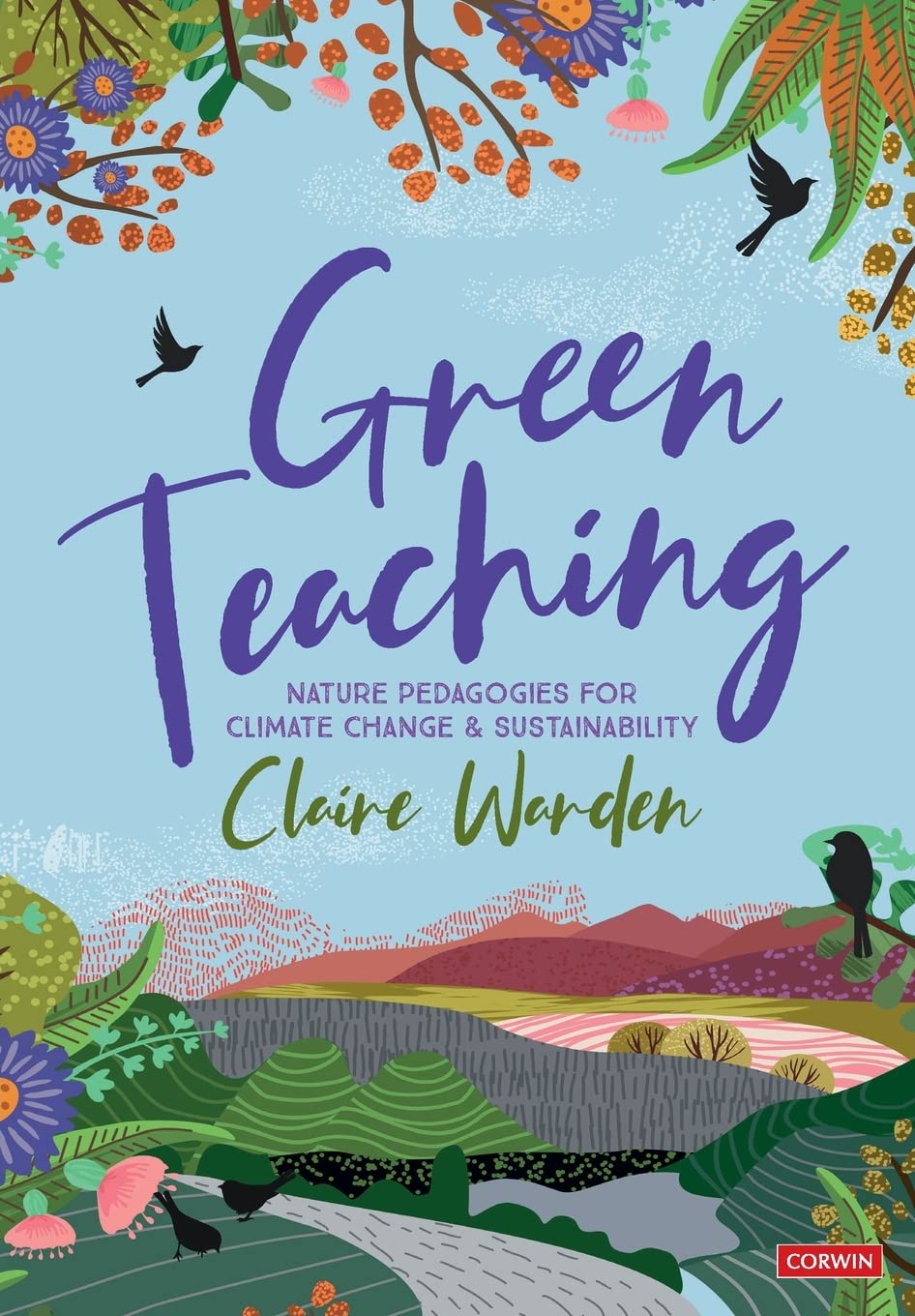
Green Teaching is a book on helping teaches to embrace ecological choices and to use nature as the location for learning, to help transform how children are taught.
The author draws on international research and case studies to offer ways to transform how children are taught about environment and nature.
For planting outdoor spaces, read our posts on pet-friendly and wildlife-friendly gardens (also avoid facing indoor plants to outside gardens, to help stop birds flying into windows).
Schools are signing up to qualify for Eco Schools Green Flag, which is good financially too. Teachers can also take online courses at the Institute for Humane Education, to teach children on compassion for other species and the natural world.
Design Ideas for Eco Schoolyard Transformation

Asphalt to Ecosystems (only now as an e-book) is a wonderful resource for schools that wish to transform ugly unused spaces into green outdoor spaces for schools, including green parks and playgrounds, to spaces for growing organic food. It includes case studies and 500 photos.
Schools are usually large buildings, so just one inspired headteacher can make a huge difference. For example, most people can’t afford to put a solar panel on their roof (and if they did, it would take years to break even). But a big school can not only get grants, but end up powering their school for nothing, and even funding projects, by selling excess energy back to the grid.
Switching to recycled paper products is good for any of us. But with the amount of notebooks that schools use, this would likely save hundreds of trees each year. Same with using natural house paint on walls and ceilings. And switching to green energy like Ecotricity.
Sharon Gamson Danks is on the board of Green Schoolyards America (which she founded), where you can find lots more ideas, case studies and resources. She is an environmental city planner who has helped to shape the green schoolyard field for over 20 years.
She holds master’s degrees in landscape architecture and city planning, and a Professional Certificate in Natural Resource Management. She is the mother of two expert playground testers, who are now off on adventures of their own.
Downe House, Berkshire (England’s Greenest School?)
Downe House (Berkshire) is working to become one of the most environmentally-friendly schools in England. It has won the top eco school award and has its own eco student committee. It has no plastic bottles, a crisp packet recycling scheme and only uses free-range eggs (and holds Meat Free Mondays for everyone).
Food waste is collected to make into biogas, all lighting is LED, cups are made from bamboo and they plant trees and flowers for bees. Even old uniforms are gifted to help others.
Originally founded in Charles Darwin’s former home in Kent by the 3o-year old ‘Miss Olive Willis’ who had strong ideas on how girls should be educated, today the school focuses on compassion and even helps out at local allotments.
Well-known graduates are comedienne Miranda Hart, TV presenter Clare Balding and actress Geraldine James.
Froebel, Montessori & Steiner Schools

Although independently-run, there are a few alternative schooling methods, which some parents choose, and state schools can be inspired by.
Froebel Schools
Friedrich Froebel started the first kindergarten in Germany in the 19th century. His main belief was that children learn best through play. In Froebel schools, children are encouraged to explore through activities that use simple materials. Wooden blocks, shapes, and natural items feature in every classroom.
Froebel’s approach values freedom within structure. Children decide how to use the toys, but teachers guide activities to spark curiosity. Froebel teachers see play as a serious way for kids to learn skills, science, and art. Music, movement, and storytelling are part of the daily routine.
Children in Froebel schools get lots of time outdoors. Nature is seen as a teacher. The goal is to help children build confidence, social skills, and an early love for learning.
Montessori Schools
Dr Maria Montessori developed her method after studying children with special needs in Italy. Her schools work from the idea that children are naturally eager to learn. Classrooms have special materials designed for hands-on activities, like counting beads and sandpaper letters.
Montessori schools teach in a very different way. Classes have children of different ages who choose what to study (overseen by teachers) rather than regimented rows of desks. ‘Play’ is real (so you would help with a broom to clean, not just pretend).
And it’s interesting that children only begin to use computers at a much later age, yet have the same or better academic records when they graduate. It also saves a fortune on energy bills, and stops children going googly-eyed from computer and phone addiction at a very young age.
Steiner (Waldorf) Schools
Rudolf Steiner opened the first Steiner school in Germany after the First World War. These schools are known as Waldorf in some places. Steiner thought children go through three clear stages from birth to adulthood, and each stage needs its own teaching style.
In the early years, Steiner schools focus on play, art, music, and practical tasks like baking or gardening. Stories, puppets, and songs fill the classroom, with little formal teaching or testing before age seven. Steiner teachers try to build a sense of routine and wonder.
As children get older, lessons include drawing, painting, handwork, and movement. They encourage imagination and clear thinking, with teachers usually staying with the same class for years. There’s a strong sense of community, and digital screens are kept away from young children.
Our Lady of Sion Schools (an inspiring case study)

Our Lady of Sion School in Worthing (West Sussex) is one of a worldwide network of schools (they are private, but not as expensive as many and offer concessions) that could inspire state schools, in the way they are run and how they teach. Founded by two extremely wealthy Jewish brothers who later were baptised into a Jesuit Catholic order, the schools accept people of all faiths, and their religious education promotes respect for all beliefs.
The school’s motto is ‘Consideration always’.
The brothers’ history is interesting. One became a Catholic priest and was rejected by his family, including his brother. But as the second brother was visiting Rome just before marriage, he had a vision of the Virgin Mary, and fell on his knees:
In the presence of the Blessed Virgin Mary, although she did not utter a word, I understood the horror of the state of my soul, the hideousness of sin, the beauty of the Catholic religion. In a word, I understood everything.
On his return home, his fiancée rejected his newfound faith, and he also became ordained as a priest. Together they used their wealth to found an education movement based on love and respect for God and each other. They helped to found a ‘Convent of the Sisters of Sion’, and it was these sisters who arrived in Worthing, which led to the founding of the school. Back in the day, there was also an adjacent free school for local orphans and children in poverty.
What makes these schools special is that all focus on serving up nutritious organic food (often from their own gardens). Worthing’s school (the only one presently in England, most of the others are in the USA, Costa Rica, France, Turkey or Australia) is completely plant-based (everything is also free from palm oil and the 14 major allergens).
As well as becoming the first school in the UK to serve fully vegan food (a decision made in consultation with students and parents), it has consistent excellent ratings for education and happiness. Typical meals served include:
- Fillet Fisch Burger with tartare sauce and chips
- Butternut squash and sweet potato tikka masala with rice
- Tofu tacos with Asian slaw
Previous alumni include:
- Nuala Quinn-Barton (the Irish film producer of Goodbye Christopher Robin, the biopic of A A Milne, who wrote the Winnie the Pooh books).
- Actor Noah Huntley (who grew up on a nearby Sussex farm). He embraced the veggie lifestyle as an adult, saying he loves whizzing up a smoothie for breakfast, snacking on hummus and salad, and wished the world had more vegan shoes!
Choose Biodegradable School Cleaning Supplies

All schools use cleaning supplies in bulk. So switch your school over to biodegradable brands like Bio-D (all their items are available unscented in bulk bottles) or Delphis Eco (which offers more industrial products like drain cleaners and urinal blocks).
Both do far less harm to the planet, and are also safer around children and teachers. Choose unscented where possible, to avoid essential oils near pregnant teachers/parents and allergies/pets/babies.
Also switch to:
- Forest-friendly bathroom tissue
- Forest-friendly facial tissues
- Forest-friendly kitchen towels
- Recycled paper notebooks
Plant-Based Food for School Caterers

School food is a lot better than it used to be, but it still leaves a lot to be desired.
Read info by dietitians on food allergens (they say the top 8 allergens of milk, eggs, soy, shellfish, fish, peanuts, tree nuts and wheat account for around 90% of all allergens, the others being mustard or sesame seeds).
Before cooking, read up on food safety for people and pets. Just bin allium scraps (onion, leeks, garlic, shallots, chives) along with rhubarb, tomato and citrus scraps, as acids may harm compost creatures.
Forest Green Kitchen offers plant-based foods for schools, caterers and football clubs (the company was founded by the owner of England’s first vegan football club!)
Made in Gloucestershire, the food is free from all major food allergens (and soy) and sold in compostable and recyclable packs. And contains no air-freighted ingredients. Offerings are all high in protein and include:
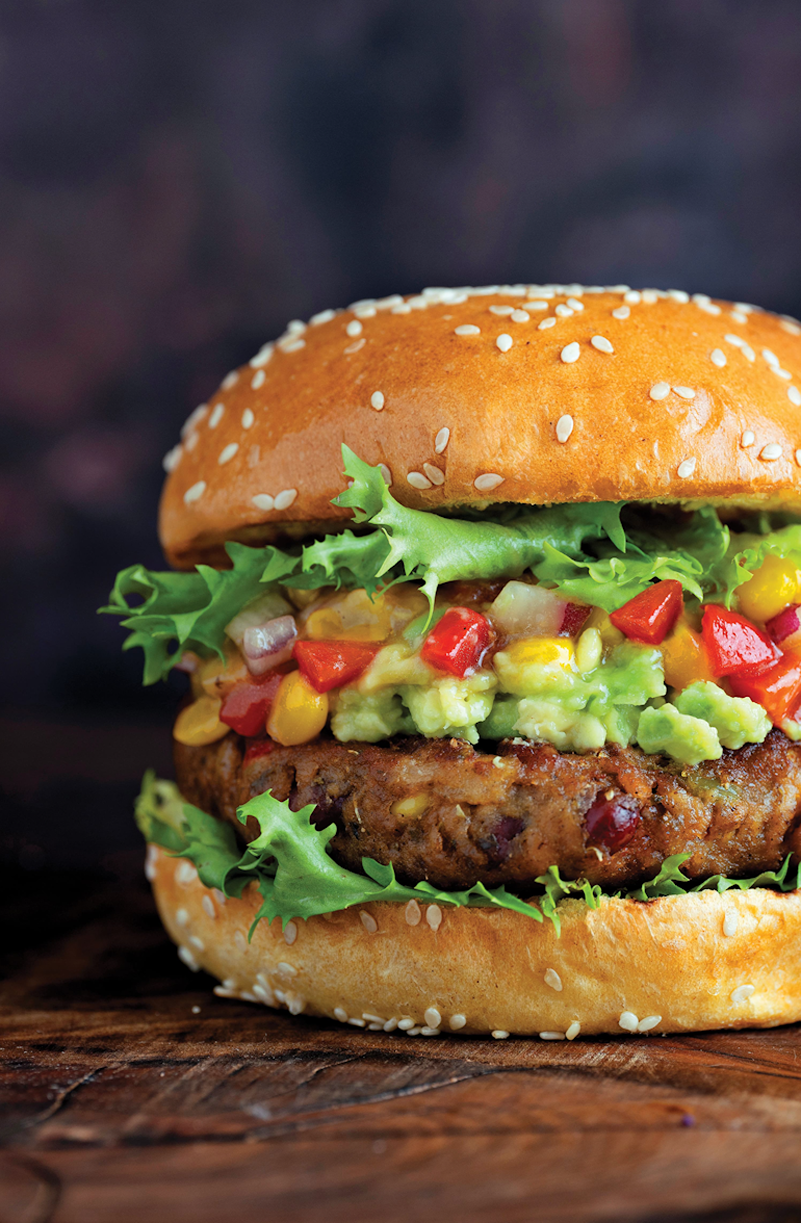
- Shiitake mushroom burgers
- Jamaican jerk burgers
- Spicy vegan balls
Choking Hazards for Children
Choking hazards should be avoided for children and people with swallowing difficulties (and allergies). Also keep small toys off the kitchen floor where toddlers and pets could find them.
Learn how to help someone who is choking. Foods to avoid include:
- Nuts, Seeds & Nut/Seed Butters (avoid for under 5)
- Chia seeds (soak in liquid first, if used)
- Dry Bread, Crackers & Croutons
- Crumbly Foods (pies & biscuits)
- Peas, Grapes, Cherry Tomatoes, Cherries (even sliced)
- Carrot Sticks
- Sausages (slice lengthwise & again, for older children)
- Foods with Seeds (raspberries etc)
- Boiled Sweets
- Sticky Foods (some cheese, marshmallow, mochi)
- Tough Foods (steak, bacon, skin/bone/gristle)
- Stringy Foods ((beans, rhubarb)
- Floppy Foods (lettuce, cucumber, spinach)
- Chia seeds (mix with water first, if using for others)

The Nut-Free Lunch Box Book is written by two American plant-based dietitians, which not only has 30 easy recipes, but information for navigating nut-free schools and playgrounds.
What’s Happening with School Food in England?
It’s the law for schools to offer plant-based meals to those who ask. Some MPs have complained that offering plant-based meals is harming the livelihoods of farmers. But most ‘junk school food’ comes from big factory-farming brands.
Across the pond, California’s MUSE Global School serves plant-based food to children, often grown in raised beds, via a Seed to Table program.
A worrying survey by British Nutrition Foundation found the following disturbing answers amid primary school pupils:
- A third thought cheese was made from plants
- 25% thought fish fingers were from chicken or pigs
- A third of younger children thought pasta & bread were made from meat
- Almost 20% of younger children did not know potatoes grew underground. 10% thought potatoes grew on trees!
Yet nearly all children know that we’re supposed to eat at least ‘five-a-day’ showing that information does get through, if campaigns are run well. But (wrongly), 20% of children thought canned versions don’t count (they do – a can of peas is fine if you can’t find fresh).
Many children also skipped breakfast, often due to poverty. This not only is bad for health, but also means less ‘brain fuel’ as studying.
Years ago, all schools offered cookery classes, but these have fallen by the wayside for state schools. Yet just like first aid and swimming, learning to cook (and budget) are essential skills that should be up there with maths and English.
Learning how to make a meal with fresh ingredients (and knowing how to balance a tiny income) is far more important, than using a protractor to estimate the angle that a triangle goes up against a wall.
Helping Children Who Cannot Afford to Eat
If your child qualifies for free school meals, this kicks in other goodies like the Holiday Activity & Food Program (clubs arts, sports, drama and music) and food vouchers from councils.
If you receive Universal Credit, apply for Healthy Start Vouchers which can be used to buy fresh, frozen or tinned fruits and veggies (or fresh, dried or tinned pulses).
One worrying concern is that the government appears to off-load responsibility to private business. It consults with a fast food restaurant on school meals, and leaves Greggs (that makes tasteless vegan sausage rolls with palm oil) to run many free breakfast clubs.
Did you know that after Jamie Oliver’s campaign, Turkey Twizzlers are back? The Children’s Food Campaign says that the new versions (which are still made with factory-farmed processed meat) are still not good enough.
One former teacher found a boy stealing sweets from the desk. When asked why, he said he nor his sister had eaten for three days. Jack Monroe (food poverty campaigner)
One Tory MP recently said there was ‘not a massive need for food banks, as people cannot cook properly nor budget’. The basic salary of an MP is £86K. He may be unaware that to use a food bank, you have to supply a letter from your GP or social worker. You can’t just ‘roll in’ and help yourself to donated food.
ECOOutfitters (organic cotton school uniforms)

Children spend several hours each week in school uniforms, but most brands are with Teflon coatings to make them stainproof and easy-iron. EcoOutfitters offers natural cotton alternatives that allow skin to breathe, are more comfortable in hot weather and also more suitable for children with eczema.

As they are free from polyester, they also are not supporting the fossil fuel industry. The range includes shirts, skirts, trousers and dresses (both winter pinafore and summer gingham).
For any items containing a little elastane, launder in a microfiber filter to stop fibres breaking off in machines, and reaching the sea).

With this company, you can even send your child off to school with an organic cotton backpack!

Eczema Clothing (which also makes non-itchy clothing for adults) offers children’s clothing in pure cotton, including clothing and socks for school uniforms.
Where to Buy Vegan School Shoes

As most vegan shoes are are sold online, get feet measured at a shoe shop (or measure your own feet). If you’re a half-size, it’s best to order the bigger size. Wipe clean. Or if laundering in the machine, use a microfiber filter.
Also read where to buy organic cotton school uniforms (not coated in Teflon).
Will’s Vegan Shoes offers school shoes, made from quality materials with a whopping 355-day money-back guarantee. Made ethically and sent in zero waste packaging:
- These Brogue vegan school laced shoes use bio-leathers from organic cereal crops grown in Northern Europe, to make breathable and water-resistant shoes that are kind to animals and the planet.
- Smart Black Laced Trainers have durable grippy and flexible rubber outsoles, and cushioned insoles made with recycled rubber. Also as Derby Laced School Shoes and Velcro School Shoes or Ballerina School Shoes.
ToeZone offers super-comfy vegan school shoes with memory foam in-socks, cushion padded heels, anti-odour technology and quality materials.
Fostering Good Mental Health in Schools

Schools are now facing a massive crisis with mental health. We have a separate post on preventing bullying. But indoor living, the cost of living, lack of access to natural space and media pressure, is causing huge issues from anorexia and anxiety, to depression and even suicide among young people.
What some people are unaware of is that there are experts in both school design and mental health, who are collaborating to make built environments that are conducive to good mental health. It’s all exciting stuff!
- Mentally Healthy Schools is a free website for schools, where staff can find information to help the 50% of children who presently have mental health issues by age 14. It covers everything from risk factors (the media, home problems, vulnerable children at risk of exploitation, drugs, alcohol, children excluded from school, body image and even refugees. You can download ‘targeted toolkits’ to help.
- The Schools We Need Now looks at how to transform schools into healthy places where students can learn and thrive. Based on decades of research, discover ways to improve school mental health and crisis response, with examples from educators.
- Schools That Heal is a book on how to design schools that are less like prisons (designed from fear of truancy and vandalism) and more like nurturing environments for learning and good mental health.
Small schools are a good idea (over vast ugly comprehensives) but not always possible in a country of 60 million people.
Good Books for Mental Health in Schools
- Mastering Your Mental Health in Middle School is by a psychologist (American, ‘middle school’ is for ages 11 to 14) who offers tips and tools to teach young people skills they need to manage stress, and supercharge their confidence. Ideal for any student struggling with anxiety, overwhelm, stress or low esteem.
- The School Mental Health Toolkit (written by a mental health coach for schools) lays out a practical and supportive approach to tackle the crisis in schools today. Learn how to identify needs, make referrals and offer empowering provision for young people to build resilience, foster compassion, talk of their needs and challenge stigma and prejudice.
- A to Z of Wellbeing Toolkit is a mental health resource book for both schools and churches.
- Student Mental Health: A Little Guide for Teachers (by a psychologist) shows teachers how to recognise signs that students are struggling, then offers tips on how to help.
Unschooled (the story of a home educating mother)

Unschooled is the story of one mother, who had no choice but to educate her daughters at home. Like so many families with children who don’t fit into mainstream schools, her daughters had become marginalised by an education system that is chronically underfunded. And unable to support special educational needs.
You have the legal right to educate your child at home. Order information from your local council. .
While still a school teacher, Caro had no alternative but to leave her job and take on a different role at home, as full-time educator and advocate for her wonderful girls. It was the obvious thing to do, because it was the only choice they had.
This is a searing memoir about the love and true grit, of a family forging its own path. With lyrical prose and unflinching honesty, Caro chronicles the relentless bureaucracy and isolation of being a single mother navigating a system that refuses to see her children.
Through her own story, Caro interrogates a society that nurtures conformity rather than difference, and a culture that continues to place the burden of childcare on mothers.
Being unschooled has become an ongoing act of resistance and a political statement, one that demands a more inclusive, compassionate education system that recognises and supports every child’s unique needs.
Caro Giles is a writer who won the BBC’s Countryfile New Writer Award.
People Who Never Went to School

If you think that being educated at home can’t give a good grounding in life, here is a list of some well-known people who never went to school!
- Charlie Chaplin (above)
- Albert Einstein
- Sir Isaac Newton
- Sir Patrick Moore
- Thomas Edison
- Alexander Bell
- Louise May Alcott
- Jane Austen
- Agatha Christie
- Charles Dickens
- Queen Elizabeth II