Sustainable Sodas (and fair trade cola drinks)
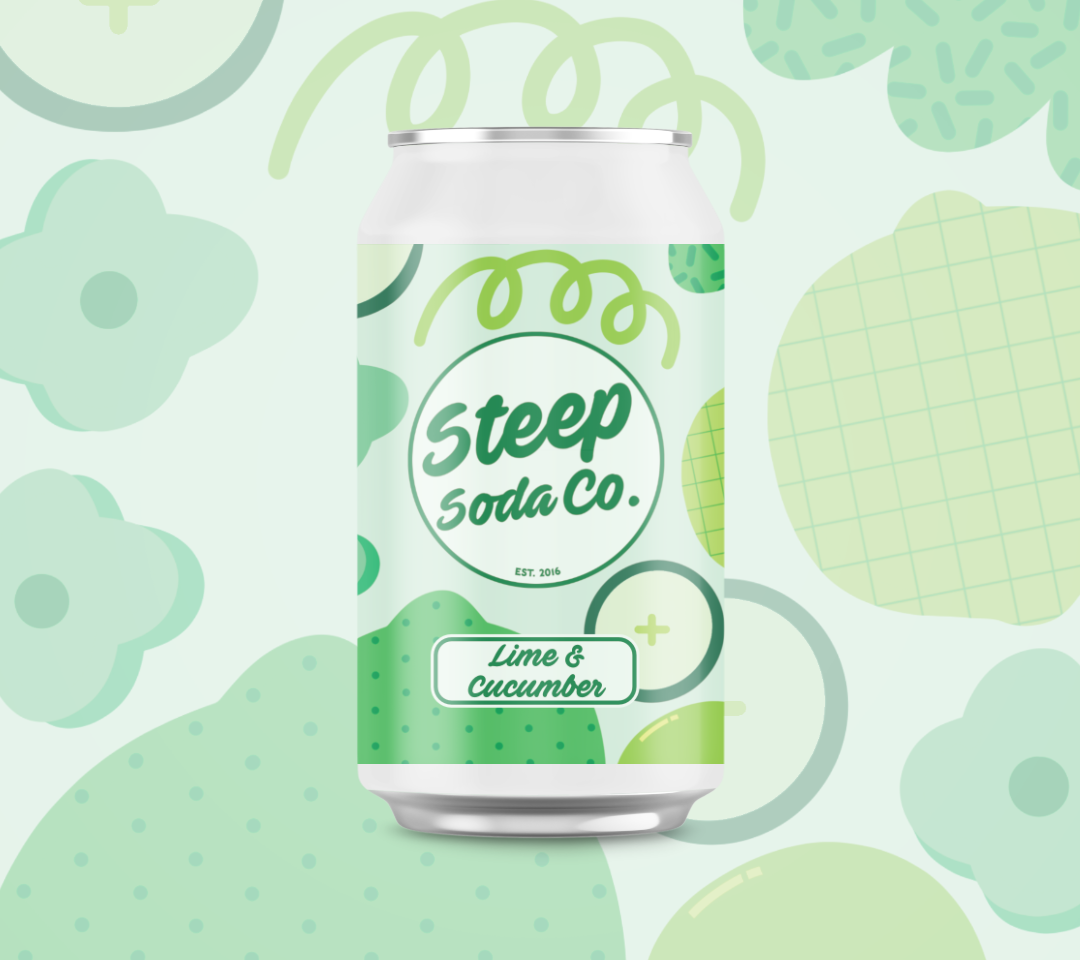
Steep Soda Co is a natural brand of fizzy pop. These drinks are made with fruits from small family farms, both in the UK and on the Mediterranean coast, to support fellow artisans and keep ‘soda miles low’.
The sodas are sold in aluminium cans, a material that is easily recycled and sold at low cost to industry, as it does not really lose quality. This also saves up to 95% water on making new aluminium (which then also does not have to be mined).
You can even set up an aluminium can and foil recycling scheme, and raise money for community projects, by selling the cans back to industry.
Before recycling, pop ring-pulls back over holes (and pinch or flatten top) to stop wildlife getting trapped. It’s also good to give cans a quick rinse to remove scents of sugary liquids (nutmeg in cola and spiced apple is toxic also to birds, wildlife and pets).
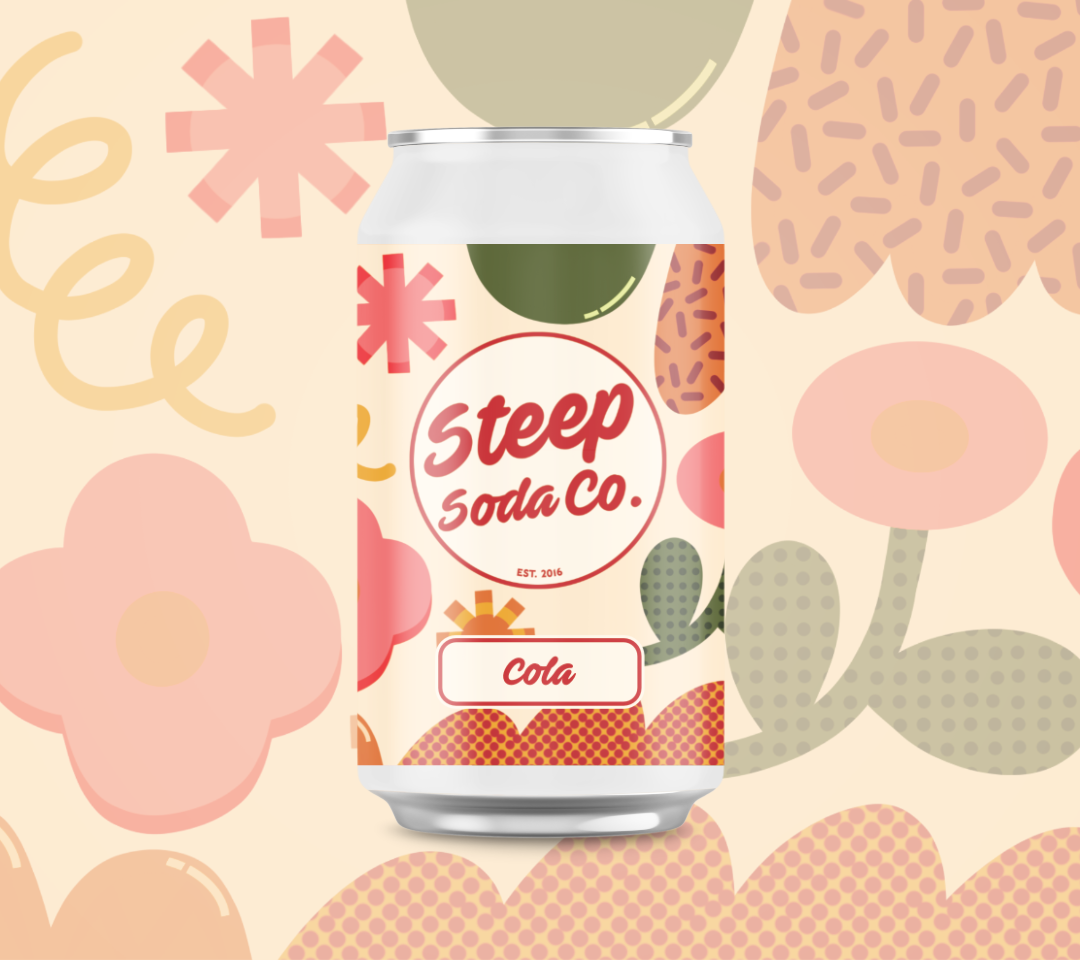
The range includes:
- Lime & cucumber (lime juice and zest, with cucumber and mint). Tastes like a no-alcohol mojito.
- Ginger Beer (made with Chinese root ginger and lemon)
- Lemonade (also in a pink hibiscus lemonade – a tangy flower that tastes a bit like cranberry or pomegranate). Avoid hibiscus for pregnancy/nursing.
- Caffeine-free cola (with fresh limes and organic essential oils of coriander, lavender and nutmeg. The brand says this flavour tastes like old-fashioned childhood cola cubes. also in a sugar-free version (sweetened with stevia).
There is also a range of seasonal sodas:
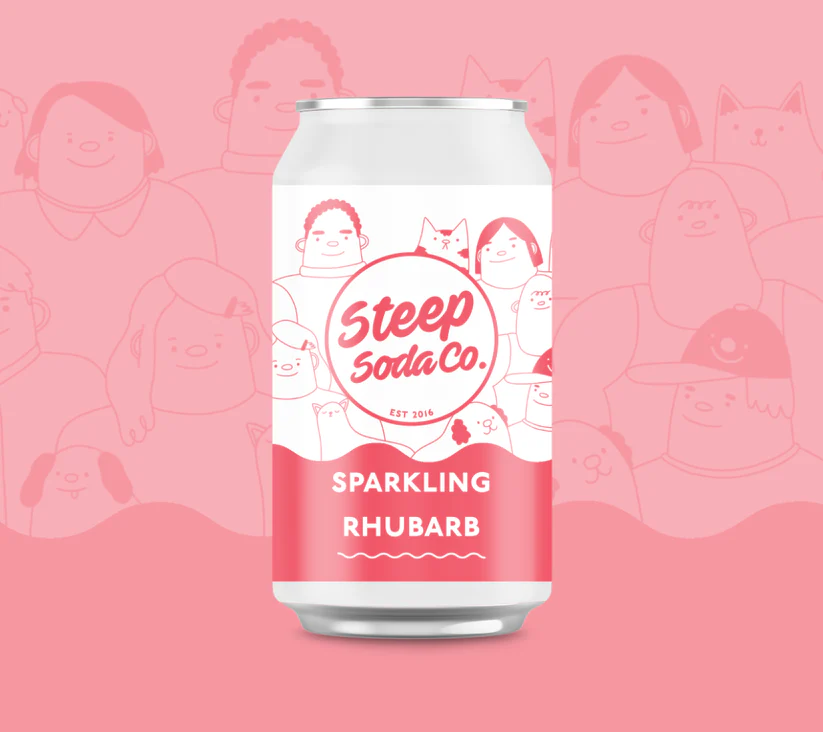
- Rhubarb (blended with lemon)
- Spiced apple (a mix of seasonal local apples, with cinnamon sticks, cloves and ground nutmeg). You can enjoy this warmed for winter nights.
- Orange and blood orange (from the finest Sicilian fruits)
Dalston’s Soda Co (sparkling drinks with bold flavours)

Dalston’s Soda Co is a brand of fizzy pop that you can find nationwide. It’s made with real natural ingredients and bold flavours, with real fruit juice in every can. This gives them an authentic and fresh taste.
The sodas are sold in aluminium cans, a material that is easily recycled and sold at low cost to industry, as it does not really lose quality. This also saves up to 95% water on making new aluminium (which then also does not have to be mined).
The brand was founded by a chef who did not like sugary soft drinks, so started experimenting in a kitchen in an East London nightclub. Each can is just 50 calories (almost 3 times less than can of full-fat cola).
At first, all ingredients were outsourced from local markets. Now there is not enough local fruit, but everything is still sustainably-sourced (the elderflowers for example are hand-picked from a farm in Ross-on-Wye). Pineapples are sourced from sustainable farms in Costa Rica.
The drinks are sweetened with fruit juice (apple or grape). This is far better than most canned drinks on sale these days which contain artificial sweetener (to increase profits, due to sugar tax concerns).
No added sugar or sweeteners, nothing artificial, nothing you can’t pronounce. Unless you can’t pronounce Rhubarb, but that’s really on your parents.
The drinks are pasteurised, to enhance shelf life.
The cans are sent to shops and your home in cardboard packs. Plastic pallets (which can be recycled) are used made from 30% recycled material. Staff also regularly volunteer in local canal clean-ups, getting on paddleboards to remove plastic in London waterways.
Find Dalston’s sodas in over 5000 outlets nationwide including cafes, restaurants, pubs and grocery stores. If not sold in shops, you can subscribe online for 15% savings (you can also buy boxes of 12, 24 or 48 cans in mixed flavours):
- Peach
- Elderflower
- Rhubarb (check medication)
- Lemon
- Ginger Beer
- Pineapple
- Cherry

Karma Drinks (organic cola to fund local farmers)
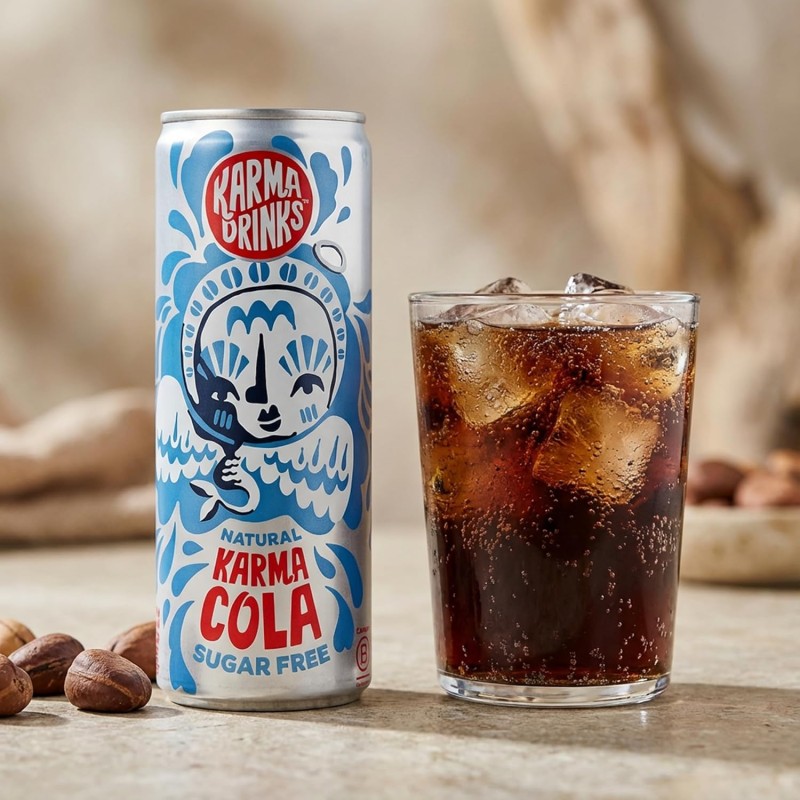
Karma Drinks sell organic cola drinks made with real cola nuts, which pays a fair price to growers in Sierra Leone (Africa) and donates 1% of every drink sold goes to kola-nut growing communities in West Africa. It’s cola with a conscience!
Avoid caffeine for pregnancy/nursing.
The sodas are sold in glass bottles (easily recycled, remove and recycle metal lids separately) or aluminium cans, a material that is easily recycled and sold at low cost to industry, as it does not really lose quality. This also saves up to 95% water on making new aluminium (which then also does not have to be mined).
By empowering the eight communities that grow this brand’s kola nuts, it’s helping to protect over 1200 hectares of rainforest, which endangered species call home (11 primates, countless birds and at least 123 plant species that thrive in the canopy).
For each case sold on the website, the company partners with One Tribe, to plant 25 trees in the Amazon rainforest, also home to many endangered plants, birds, animals and marine species.
European production has now moved from Austria to Somerset, cutting over 78,000 kilometres of travel, and providing local jobs.
Profits to Sierra Leone farmers have helped to build new classrooms (and to prepare broken pumps so villages have clean safe drinking water).
Cola’s a multi-billion dollar industry. Yet almost none use real kola nuts now. This means the West Africans, who first cultivated the kola nut, receive no benefit. We wanted to change that. Founder of Karma Drinks
All these drinks are sweetened with natural cane sugar (all are organic apart from the sugar-free cola which is sweetened with stevia and erythritol).
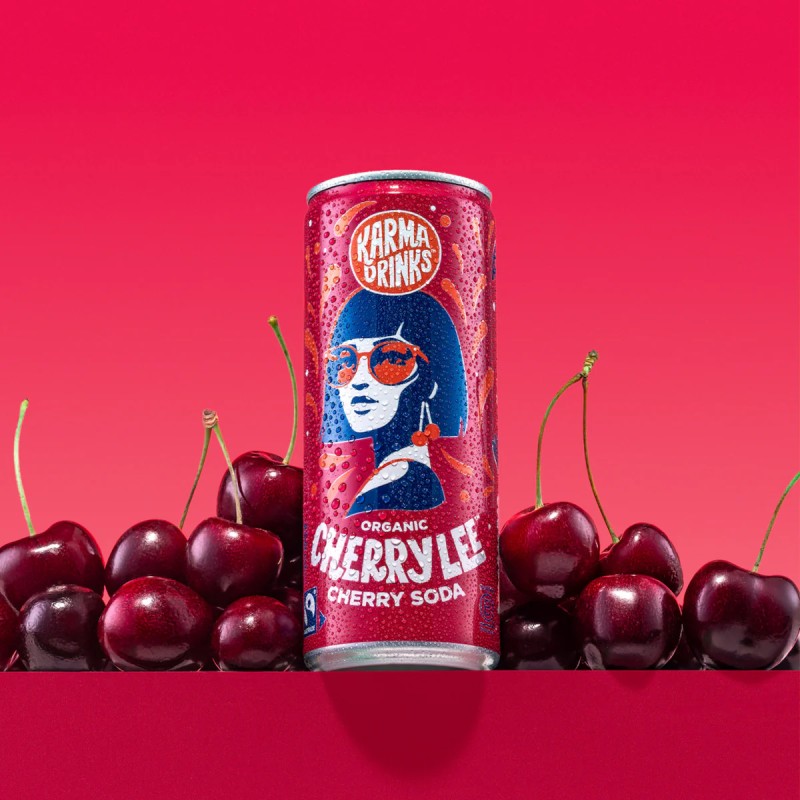
Sold nationwide, or order online for home deliver. Other flavours include:
- Cherry soda
- Gingerella Ale
- Lemonade (and raspberry lemonade)
- Orangeade
- Tropikool!