Reasons to Choose Sustainable Vegan Handbags
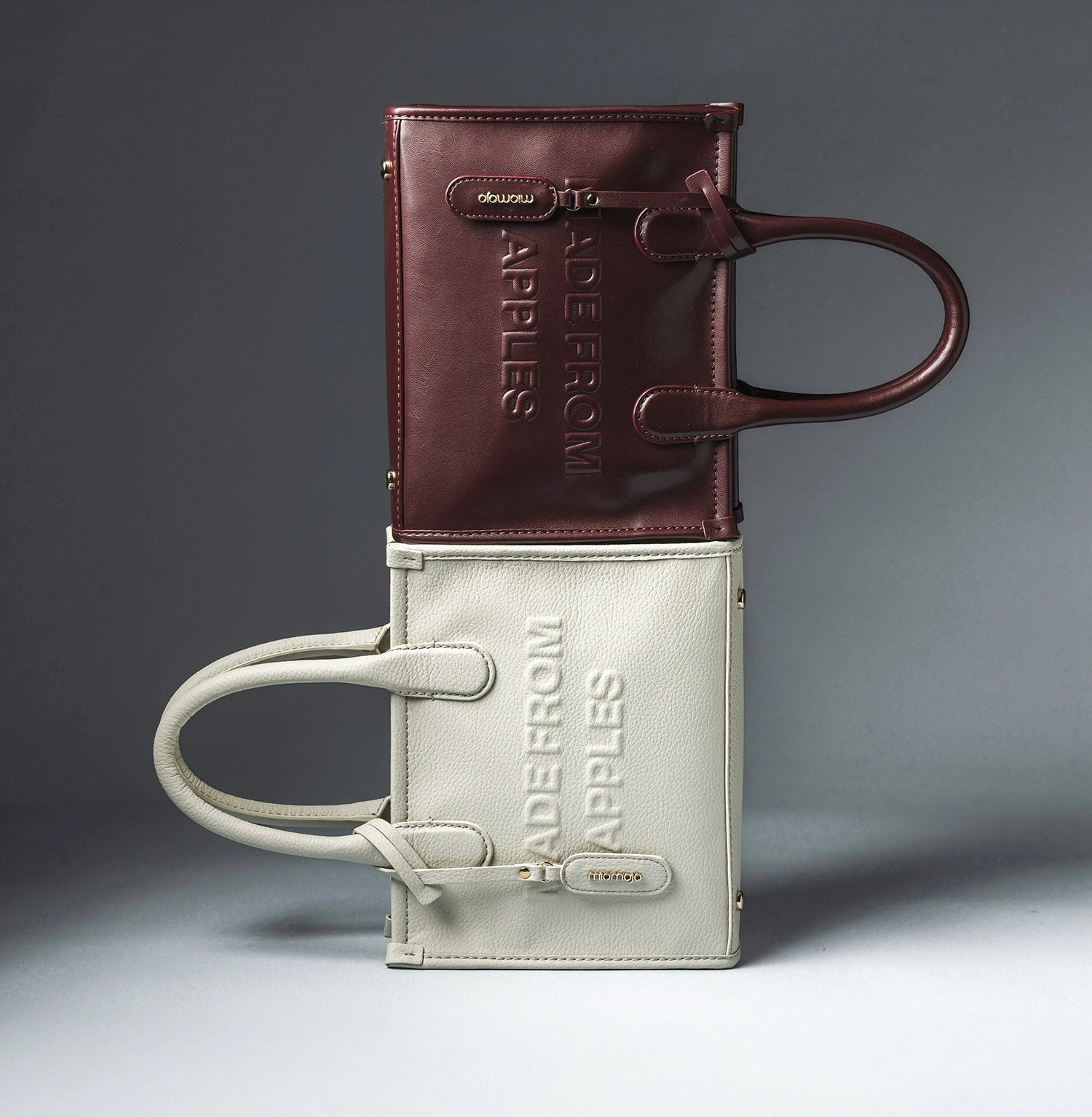
Most of us want a bag that looks good, works hard, and doesn’t come with a nasty aftertaste. Yet it’s easy to end up with something that harms animals, sheds after a season, or is sold with vague “eco” promises.
A sustainable vegan handbag tries to avoid both problems. “Vegan” means it uses no animal materials, so no leather, suede, silk, or animal-based glues. “Sustainable” is simpler than it sounds, it means lower impact where possible, and a bag built to last so you use it for longer.
Donate unwanted handbags to small charity shops (that don’t test on animals). You can place damaged or frayed handbags in textile banks. The materials are shredded to make insulation and other industrial goods.
To clean vegan handbags, wipe marks with a damp cloth (to remove oil stains, apply a little baking soda to absorb). Remove ink or make-up stains with a cotton bud dipped in rubbing alcohol. Dry wet handbags in the shade (avoid direct sun or heat).
A kinder (stylish) choice for animal welfare
Choosing vegan handbags is, first, a direct way to step away from animal skins. That matters because fashion demand shapes what gets bred, farmed, trapped, or traded. Even when you buy just one bag, you’re still voting for a system.
It also helps to remember that animal materials show up in quiet places. A bag can look “mostly” synthetic, then still include suede trim, wool felt details, or a silk lining. Some brands also use animal-based glues in linings or edging, which rarely appears in big bold letters.
Style doesn’t need to suffer, either. Plenty of vegan bags look sharp and grown-up, with clean lines and good hardware. In practice, it often comes down to proportion and finishing, not skin type. When a brand gets the pattern right, the bag feels considered, not “a substitute”.
Avoid leather, crocodile, and exotic skins

Leather is often described as a by-product, yet it still has value, and value supports demand. When a material earns money, it stays part of the supply chain. In other words, “it would exist anyway” doesn’t automatically make it harmless.
Exotic skins add a different risk. Traceability can be weak, oversight varies by region, and the trade can pass through complex routes. That makes it harder to judge welfare and legality from a tidy product page.
Also, “genuine leather” isn’t a welfare label. It’s a grade term, and it tells you little about how the animal lived. When you scan a listing, watch for animal-derived materials tucked into the details:
- Leather, suede, nubuck
- Shearling, fur
- Down
- Silk
- Wool felt trims
- Bone or horn hardware
- Shell buttons
- Animal-based glues (ask if it’s not stated)
Vegan can still feel premium, if you choose right
- “Vegan” doesn’t mean “cheap”, although some fast-fashion options are. Quality shows up in the boring parts: stitching, structure, and how the bag holds its shape after daily use.
- Look for tight, even stitches and reinforced handles. Check the base, because a sturdy base stops slumping. Hardware matters too, zips should move smoothly, magnetic closures should line up, and buckles shouldn’t feel light or rough.
- If you’re buying online, use close-up photos as your best friend. Reviews help, especially ones posted after a few months. A warranty, spare parts, or a repair option can be a quiet sign the brand expects the bag to last.
What sustainable vegan handbags are made of

You’ll see a few common material families, each with strengths:
- Recycled PU or coated textiles can cut virgin plastic use, and they often perform well in rain. Organic cotton canvas and hemp feel breathable and tough, although they can stain if left unprotected. Cork is light, naturally textured, and wipes clean, yet it can crease if folded sharply. Upcycled fabrics vary a lot, but the best versions turn waste into something properly usable.
- Fruit-based materials are popular too. You might see pineapple leaf fibre blends, apple waste blends, or cactus-based blends. They can look great, especially in matte finishes. Still, many “fruit leathers” are blends and often include a binder, so check the full composition rather than the headline.
- Certifications can help when they’re relevant. For example, GRS can support recycled content claims, and OEKO-TEX can be useful for textile safety. They’re not magic stamps, but they add detail when a brand is otherwise vague.
How to pick and care for a vegan handbag
A good handbag is a daily tool. So it should suit your routine, not an imagined lifestyle. Start with what you carry, how you travel, and what annoys you about your current bag. Then match the design to that reality.
Price matters too, but it helps to separate “expensive” from “good value”. Finally, care is what turns a decent purchase into a long-term one.
Before you buy, run through a quick reality check:
- What you carry: phone, water bottle, laptop, charger, keys
- Strap comfort: length range, width, and how it sits on a coat
- Weight: the bag should not feel heavy when empty
- Pocket layout: one secure pocket beats five awkward ones
- Closure type: zip, flap, magnetic, and what feels safe for commuting
- Hardware quality: solid feel, smooth zip, no sharp edges
- Lining and base: easy to wipe, structured enough to protect items
- Returns, warranty, repairability
- Clear vegan statement: ask about adhesives if it’s unclear
If you’re open to it, second-hand can work as well, especially for well-made synthetic bags from past seasons. Buying fewer, better pieces is still the easiest win.
Don’t pay silly prices: how to get affordable quality
A logo can be nice, but it’s not the same as quality. Often, the extra cost covers marketing, retail overheads, and status. Meanwhile, the things that make a bag last are more basic: strong materials, tidy construction, and reliable hardware.
To keep value front and centre, compare product specs across brands, not just photos. Check the strap attachment points and the type of closure. Wait for seasonal sales if you can. Smaller independent brands sometimes offer better build at a calmer price, because you’re paying for the item, not the theatre around it.
Cost-per-wear helps too. A £160 bag used four times a week for two years can be cheaper, in real terms, than two £60 bags that crack and peel.
Easy care for vegan handbags
- Most vegan bags do well with simple, gentle care. Wipe the surface with a damp cloth, then dry it with a soft towel. For marks, use mild soap and water, and spot test first.
- Keep bags away from direct radiators and strong sun, because heat can warp coatings and fade colour. Store the bag stuffed with soft fabric so it holds shape, and use a dust bag if you have one. Try not to overload straps, especially on crossbody styles, because strain shows up there first.
- If your bag is designed for it, a compatible re-waterproofing spray can help. Always check the label, because some finishes react badly. For scuffs on faux leather, use a cleaner made for synthetic leather, then follow with a light conditioner if the brand recommends it.
Miomojo (vegan handbags from fruit leathers)
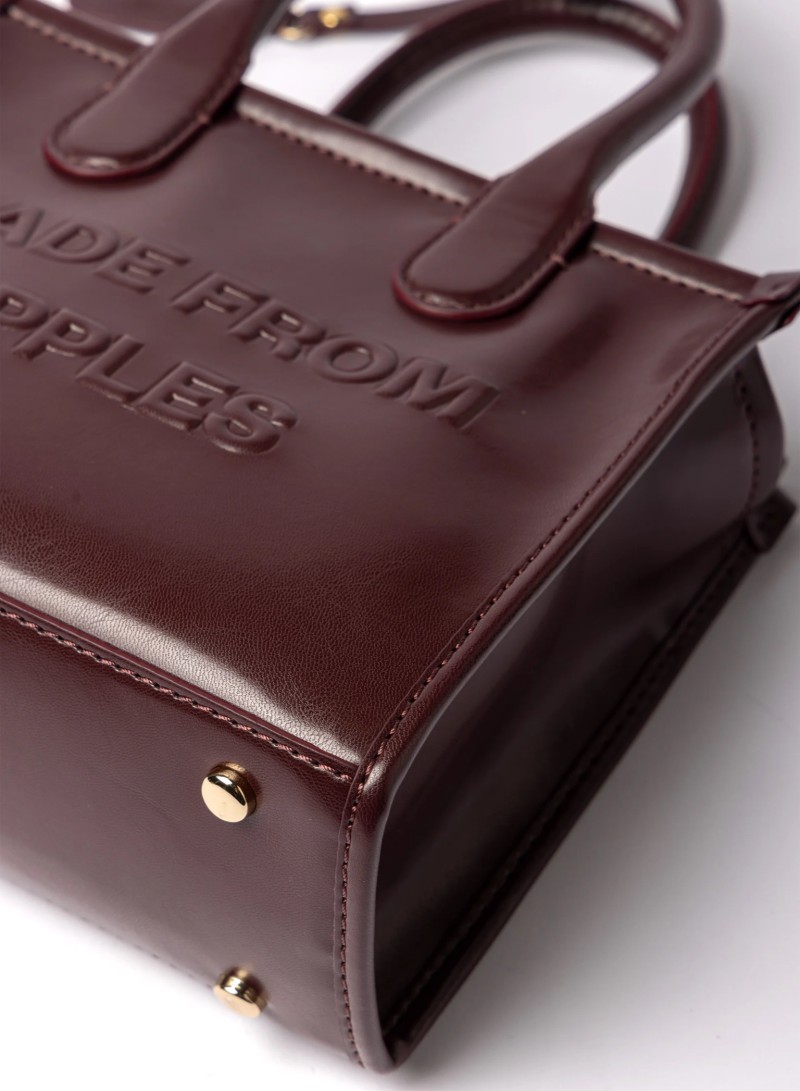
Miomojo is an award-winning vegan handbag range, founded by a fashion professional. Sent in sustainable packaging, these vegan leathers also include waste from the apple and olive industry, in north Italy. Most materials are sourced within 300km of the company’s base, to reduce ‘handbag miles’.
Made in audited factories, this brand donates 10% of the sale price of each bag to animal welfare causes worldwide (including helping moon bears in Asia). Free worldwide shipping.
It also uses profits to help small independent animal sanctuaries, including one in Rome (founded by a former farmer who ‘transfarmed‘ to rescue lambs instead of selling them). After having a change of heart, he bought them back from the factory for double the price, to live out their lives in peace. Bravo Massimo!
Votch (eco vegan handbags and totes)
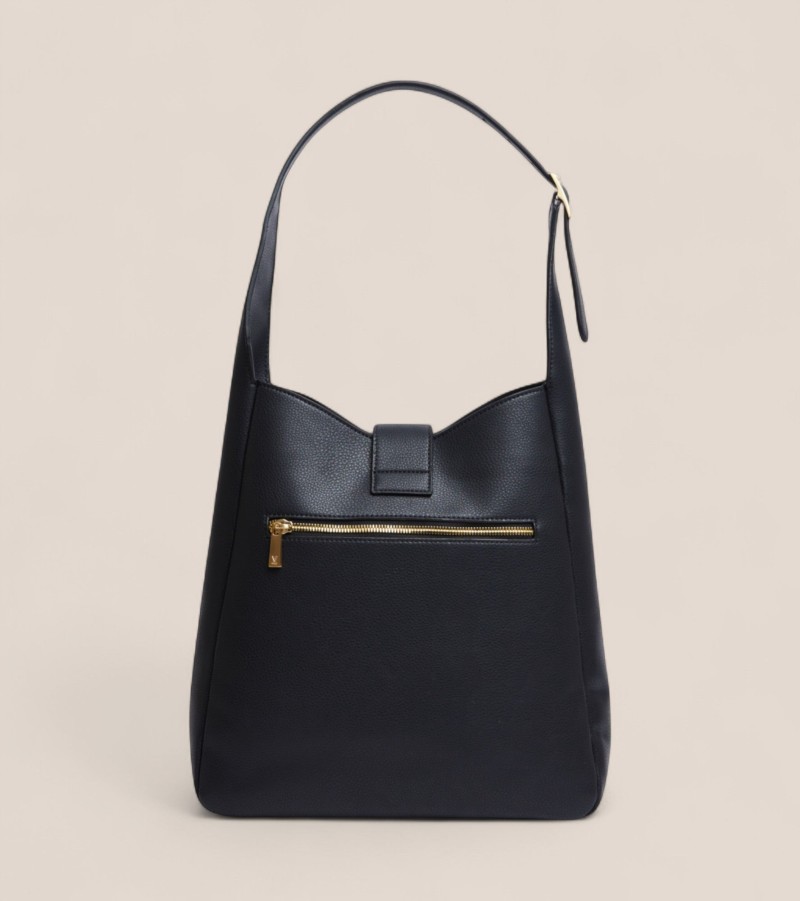
Votch is more known for its luxury vegan watches. But has now also branched out into offering vegan handbags with eco-innovative materials like recycled fabrics and bamboo. Again, this brand donates a portion of sales each month to animal welfare charities.
The brand was founded by a young woman, who was reading about the leather industry, while in hospital with a serious skin condition. She vowed that when she got better (she did!), she would create a fashion brand that let animals keep their own skins, instead of having them used for fashion.
LaBante (eco vegan handbags from London)
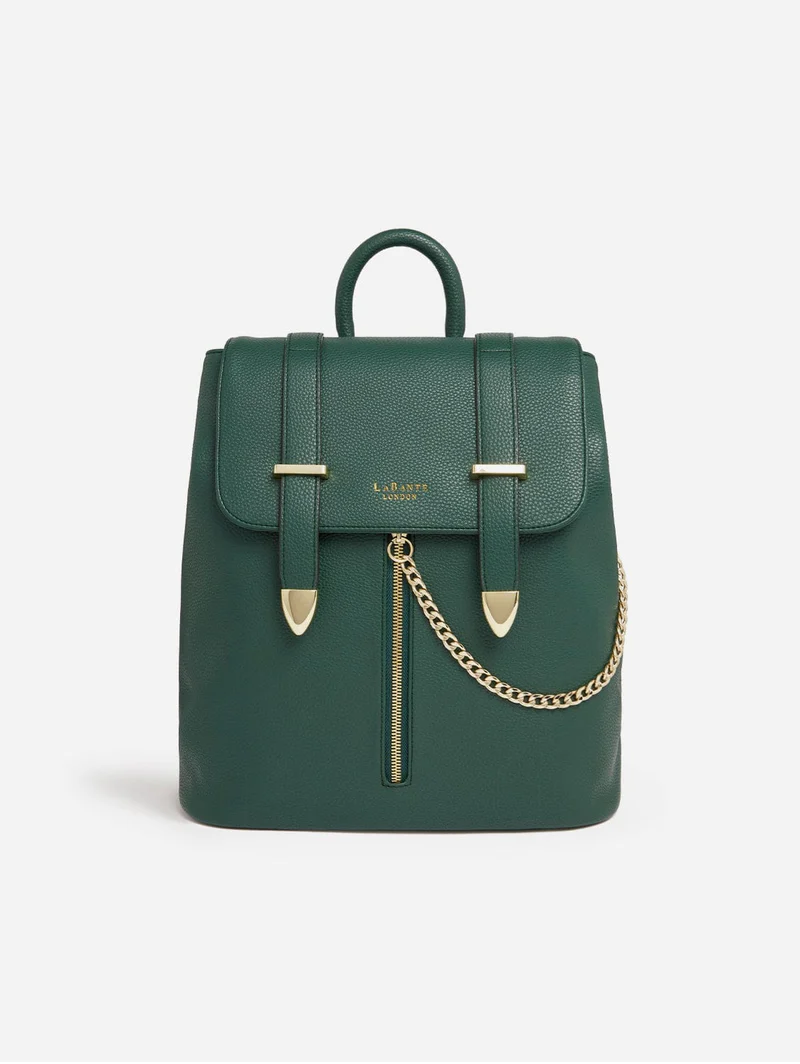
LaBante London offers a line of luxury handbags (these are expensive ,but an alternative for people who buy or gift designer handbags made from animal materials). These are ethical and animal-kind alternatives. The brand donates a portion from each sale to good causes (animal welfare and community charities).
Mashu (low-impact vegan Handbags)
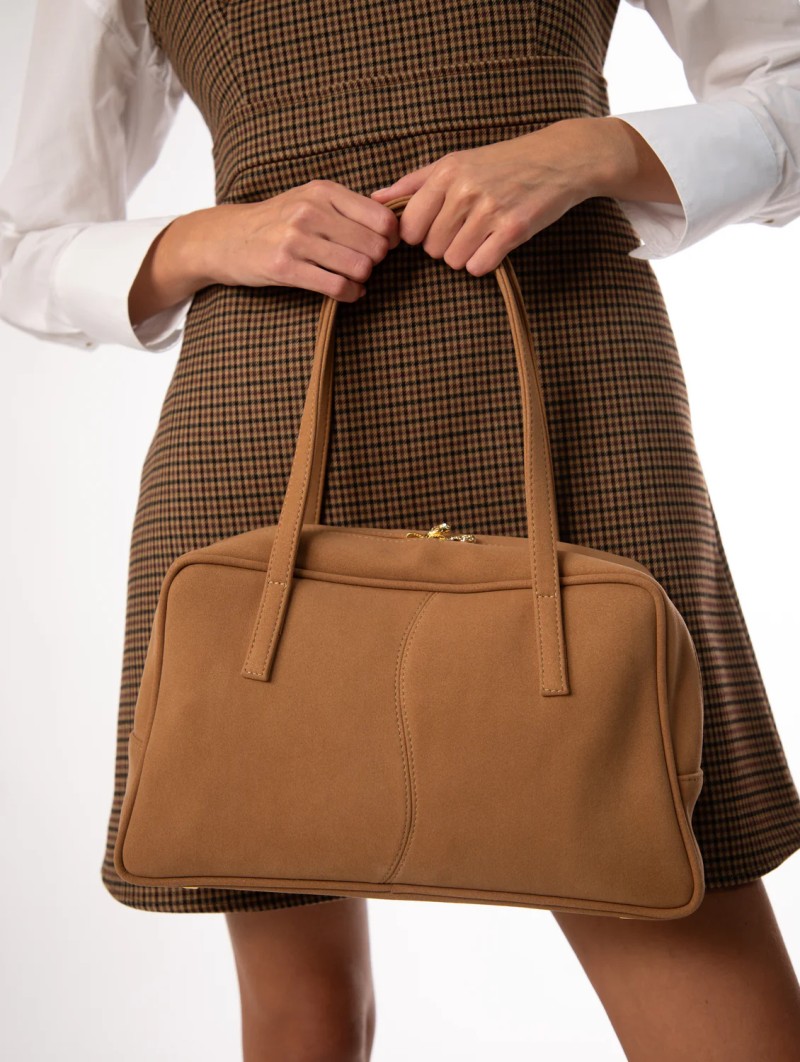
Mashu is a brand founded by a Greek fashion designer, with styles inspired by Mediterranean architecture and the natural ripples and textures of rocks on untouched beaches. These are offered with free repairs for life, and sent via via carbon-neutral shipping.
Made in Greece by family firms, again this brand uses up waste fruit to make ‘apple leather’. Each metric of ‘handbag fabric’ uses up eight apples, which would otherwise rot on landfills or be thermally destroyed.
Thamon (vegan bags made from fallen leaves!)
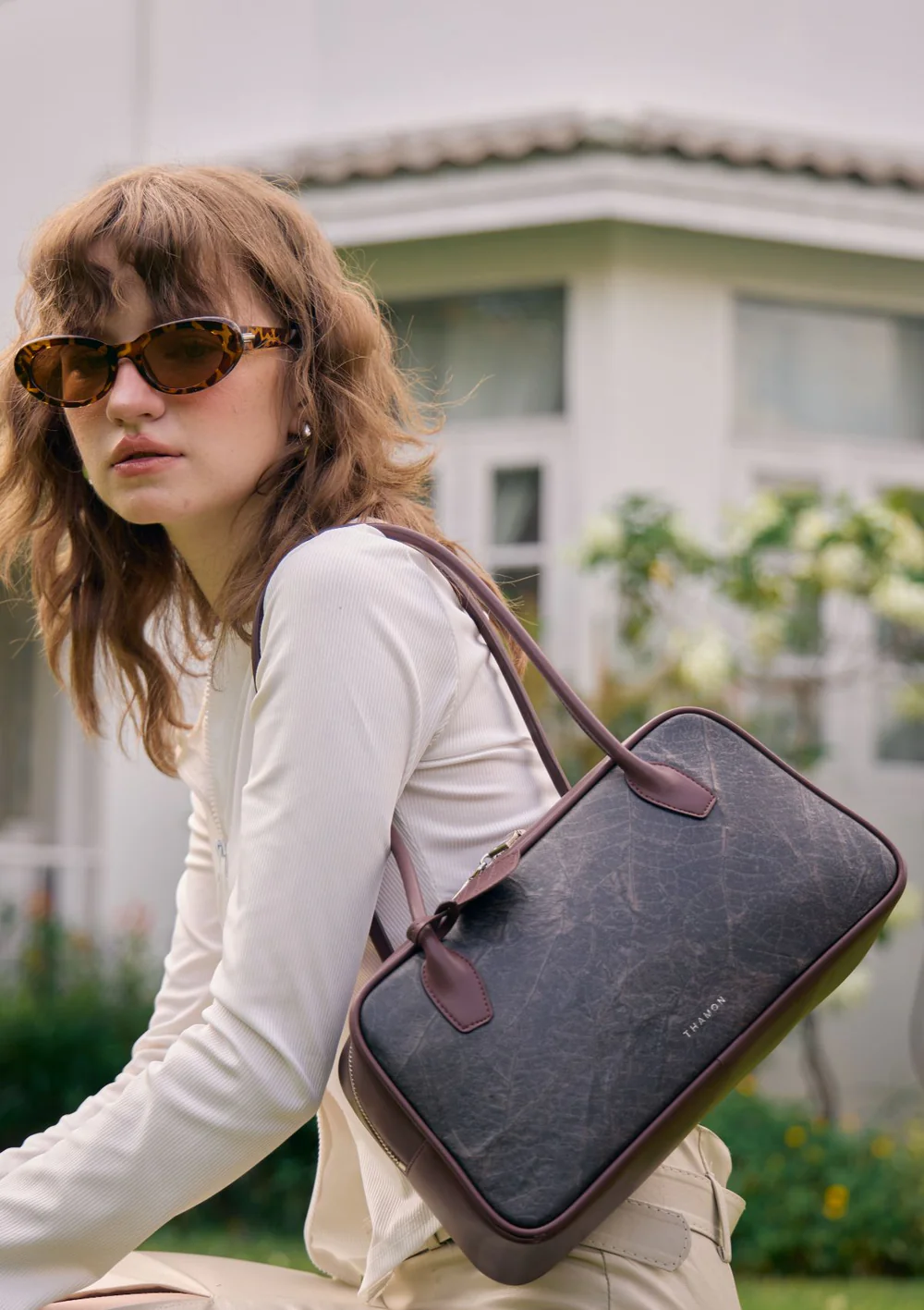
Thamon makes waterproof handbags from Leaftex, a signature material made from real fallen leaves that are naturally dried, hand-dyed and pressed onto a fabric waste, then have a protective coating applied.
Vendula London (fun and pretty vegan handbags)
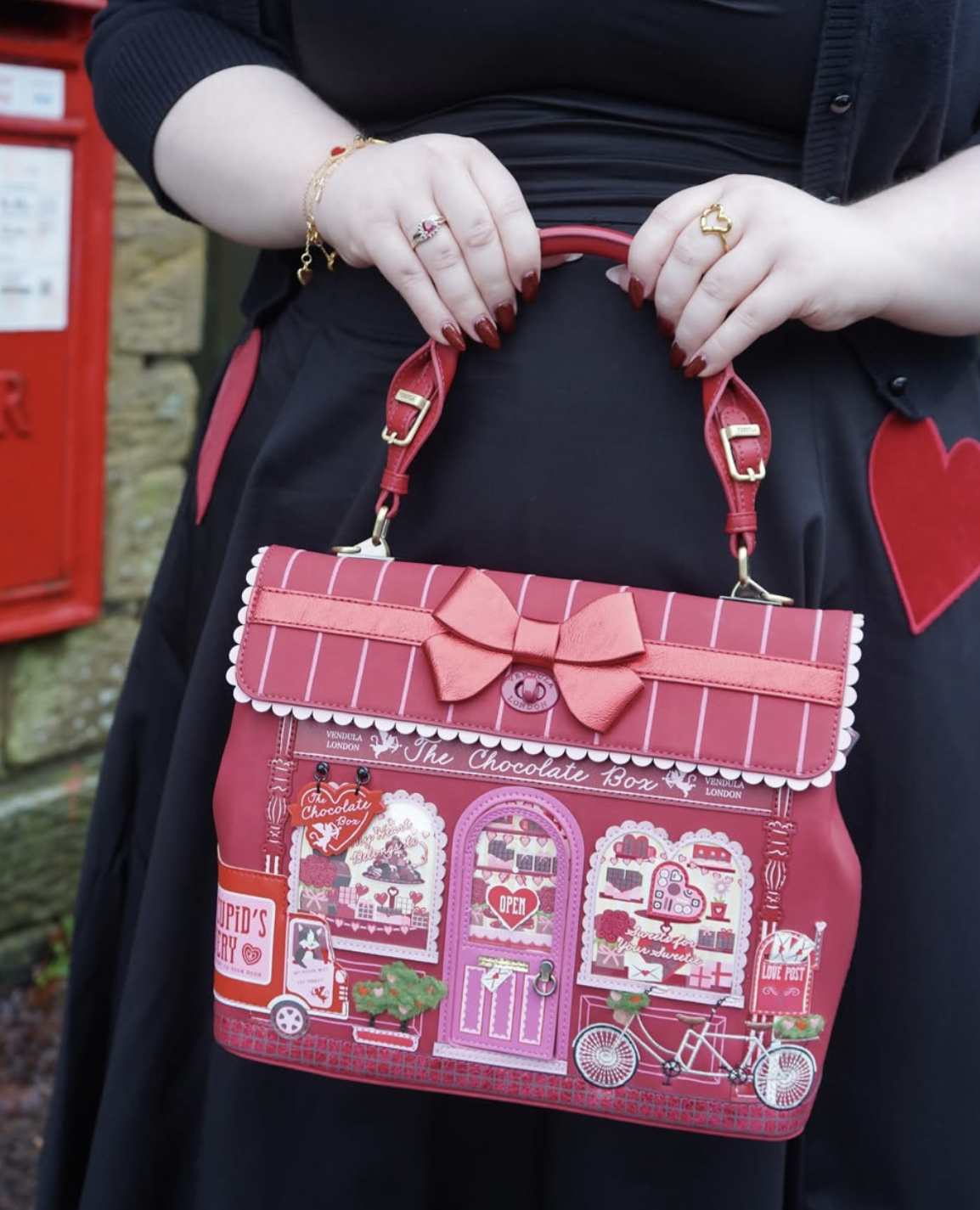
Vendula London makes unique handbags from vegan leather, if you like to stand out! They are made to look like everything from boutique shopfronts to Chesterfield sofas!