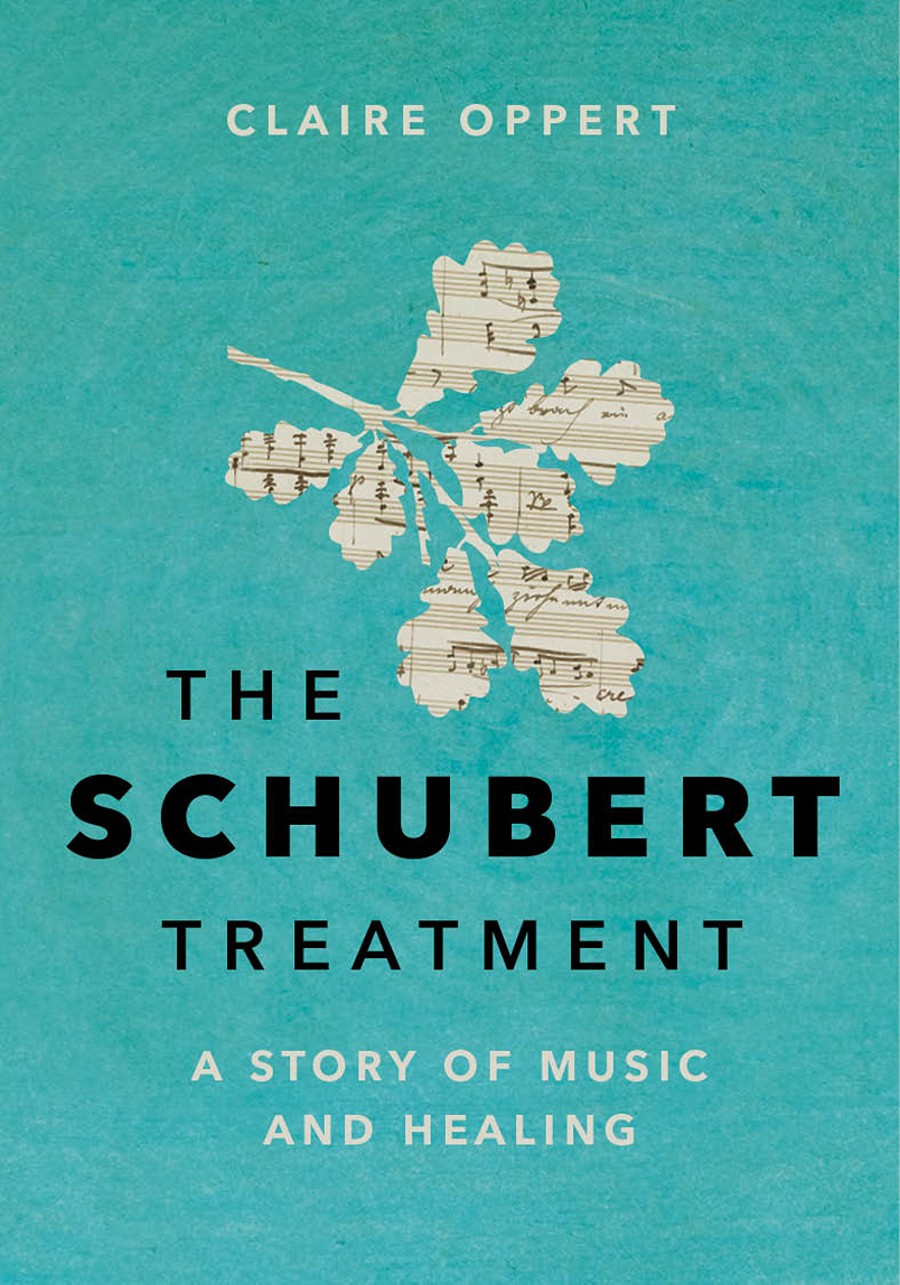
The Schubert Treatment: A Story of Music and Healing
Classical music has charmed listeners for hundreds of years. But you don’t have to attend a concert hall or know how to play a musical instrument, to enjoy its many healing benefits. From helping you to relax to lightening a mood, there is plenty of evidence that classical music can make us feel good.
The Schubert Treatment is by an artist therapist, who found that playing the cell has profound effects on children with autism, along with patients in pain or distress, even just before death. The book features lyrical vignettes of patients she’s helped.
Doctors and nurses often turn to classical music to help people recover from surgery or manage chronic pain. The music serves as a gentle distraction, taking focus away from discomfort without causing side effects.
There’s good science to back this up: patients who listen to calming music often need less pain relief medicine and report lower pain scores. The healing power comes not just from the notes themselves, but from the way they help the brain release endorphins.
Researchers first noticed in the early 1990s that students who listened to Mozart, performed better in exams. And a study at University of Edinburgh in 2021 found that people who listened to Mozart’s piano sonatas for just 20 minutes, felt calmer and could focus better on simple tasks. Cortisol levels (which rise when in stress) dropped by 15 percent. All just from playing classical music in the room.
Why? Doctors believe it’s because Mozart’s melodies in particular have a steady pace and repeating patterns. This helps the brain to line up with natural rhythms with the beat. Your nervous system ‘syncs’ with the music, making you feel less jittery, and therefore more clear-headed.
Music Therapy for Dementia Patients
Dementia strips away memories and connections, but music often reaches through this fog, in a way that nothing else does. Many patients find the familiar tempos of classical music comforting, and some even can remember old songs, when they have forgotten all else.
A nurse at a London care home recently described how one resident, who had not spoken in days, quietly hummed along to an old Haydn string quartet.
How Music Thanatologists Help Dying People
Music thanatologists are trained in harp and voice to ‘send people peacefully out of this world’ with healing music, if requested. Symptoms eased include pain, restlessness, insomnia and laboured breathing. Thanatology can also ease emotions common near death – like anger, fear, sadness and grief.
Harpists can buy harp strings free from animal gut.