Zero Waste Produce Bags (for grocery shopping)
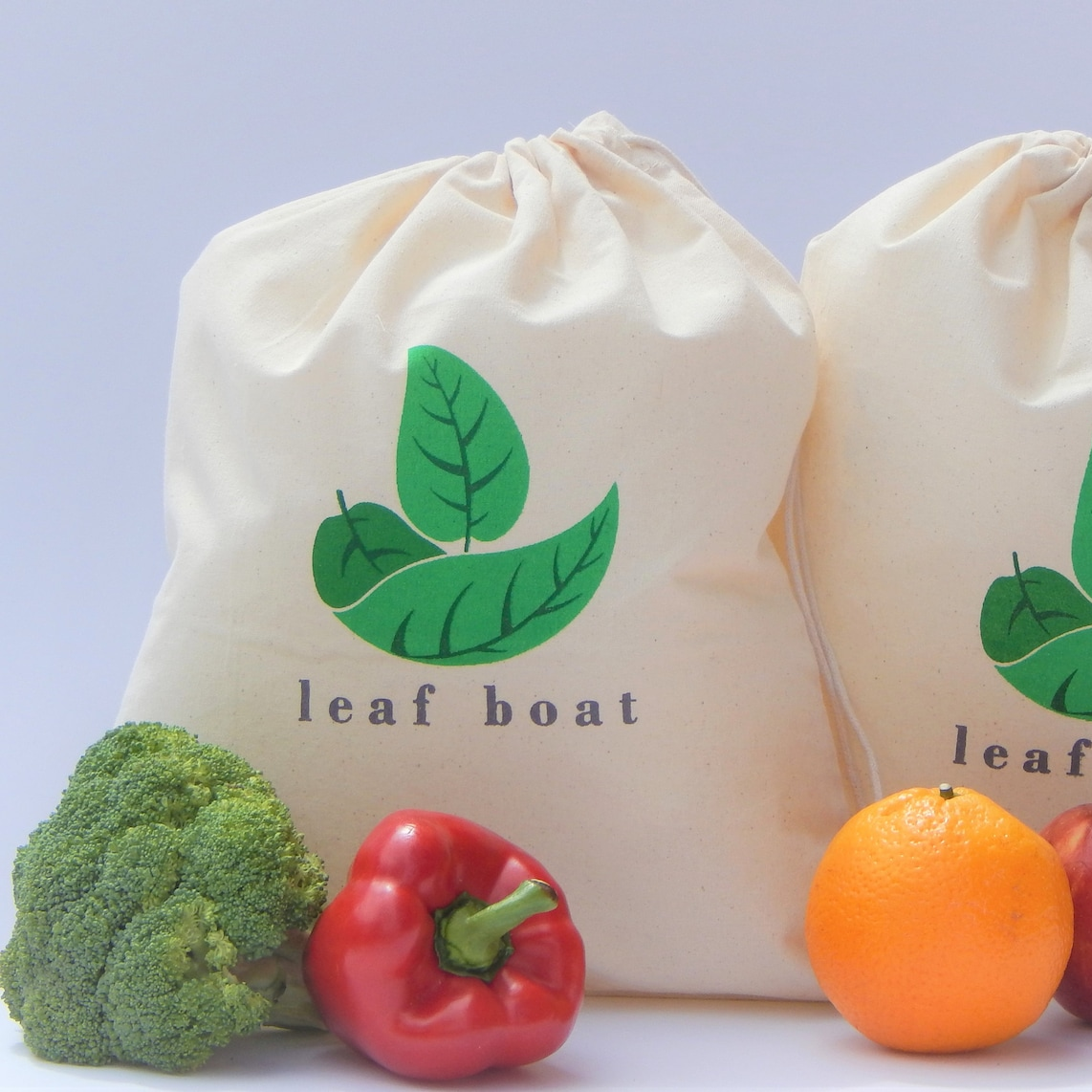
These organic cotton produce bags (Wales) weigh hardly anything. Organic cotton also helps fresh produce breathe, so it’s likely to last longer in the kitchen, once you get home. You can even use them as ‘mini-colanders’ to wash fresh produce, before serving or cooking.
Zero waste shops use a tare system, where you weigh your packaging first, then weigh the products, and it automatically deducts the packaging so you don’t pay for it.
But even if you shop in supermarkets, it won’t cost you much to take your own produce bags. These replace plastic and paper bags at the fresh produce aisle.
It also sends a message to supermarkets that you don’t want the packaging. Some people rebelliously leave it at the checkout! Or at least just recycle it at supermarket bag bins, so you don’t take it home with you.
Citrus/onion ‘mesh bags’ are plastic. So buy loose produce. To dispose of existing fruit netting, cut open holes and place inside sealed bag for disposal (tie a knot in the middle). Remove metal clips and bin (or use supermarket bag bins).
For tinned ingredients, rinse/remove lids (or pop ring-pulls over holes) then step on upper cans to pinch rims together, to stop wildlife getting trapped.
Unless you have food waste bins, just bin pepper and allium scraps (onion, leeks, garlic, shallot, chives), citrus/tomato/rhubarb scraps. To avoid acids harming compost creatures.
How to buy organic bananas (with no plastic)
We’ve all been there, buying bananas at the grocery. The Fair Trade ones are loose, but not organic. And the organic bananas are good for the earth, but in plastic. Organic produce has to be wrapped, if sat next to non-organic produce.
The simple solution is (if you have one) to seek out a local organic farm shop, that will likely also sea-freight the bananas too. Because everything else is organic, these bananas can be both Fair Trade and organic!
Linen drawstring bags (for zero waste shops)
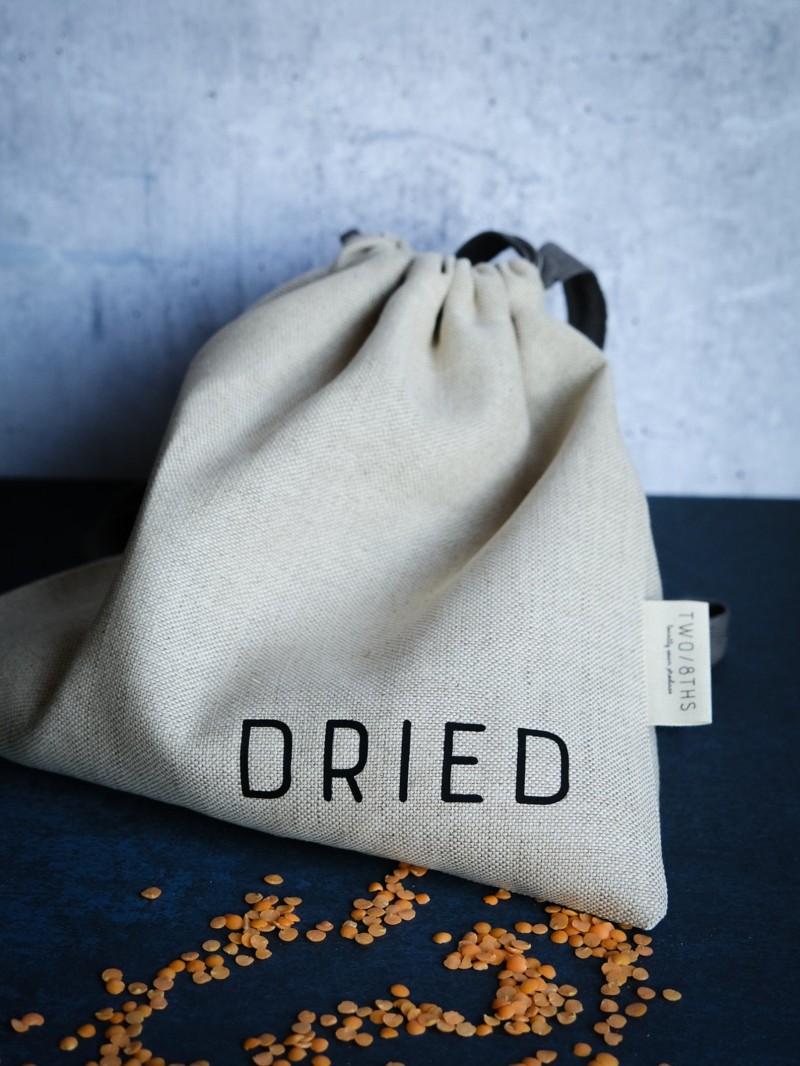
This linen drawstring bag is ideal to refill everything from lentils to pasta. Made from a linen cotton blend, sewn in a studio in beautiful Cumbria.
Just take to the local zero waste shop and fill with pantry cupboard staples, then keep the food safe and breathable in your pantry or kitchen, using the strawstring herringbone cord. Or decant into glass storage jars.
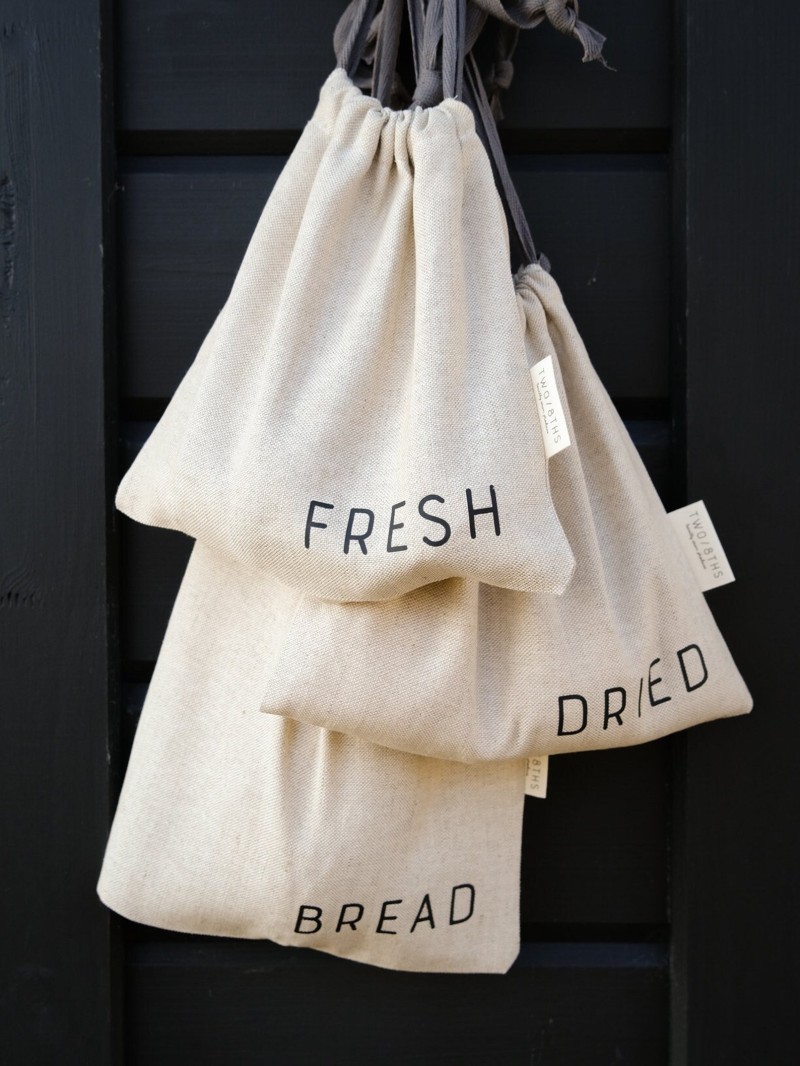
You can choose a bag for fresh, dried or bread foods, or buy one of each!
Keep fresh dough and bread away from pets due to salt, dried fruit, onion/garlic. And don’t give leftover bread to garden birds or wildfowl (due to salt, choking hazards and fat, which can smear on feathers, affecting waterproofing and insulation).
What are zero waste shops?
Most towns have a zero waste shop these days. They sell dried goods (loose with no packaging). You simply take clean dry containers and weigh the goods, so you are not paying extra.
Most operate by a tare weight system. This means that you only pay for what you are buying (not the lightweight bag). It’s a pretty nifty system!
Why choose reusable produce bags?
Small plastic bags are made from oil, and are wasteful and expensive. And can harm marine creatures if littered and go down drains and into the sea.
Most stores now offer loose produce options (a few supermarkets even sell reusable produce bags). But it’s still better to take your own to local markets and zero waste shops, if you live near any!
Where to recycle plastic produce bags
You can recycle these at supermarket bag bins, along with old plastic bags and most plastic packaging for food or other items.
Reusable linen bread bag (and bowl cover)
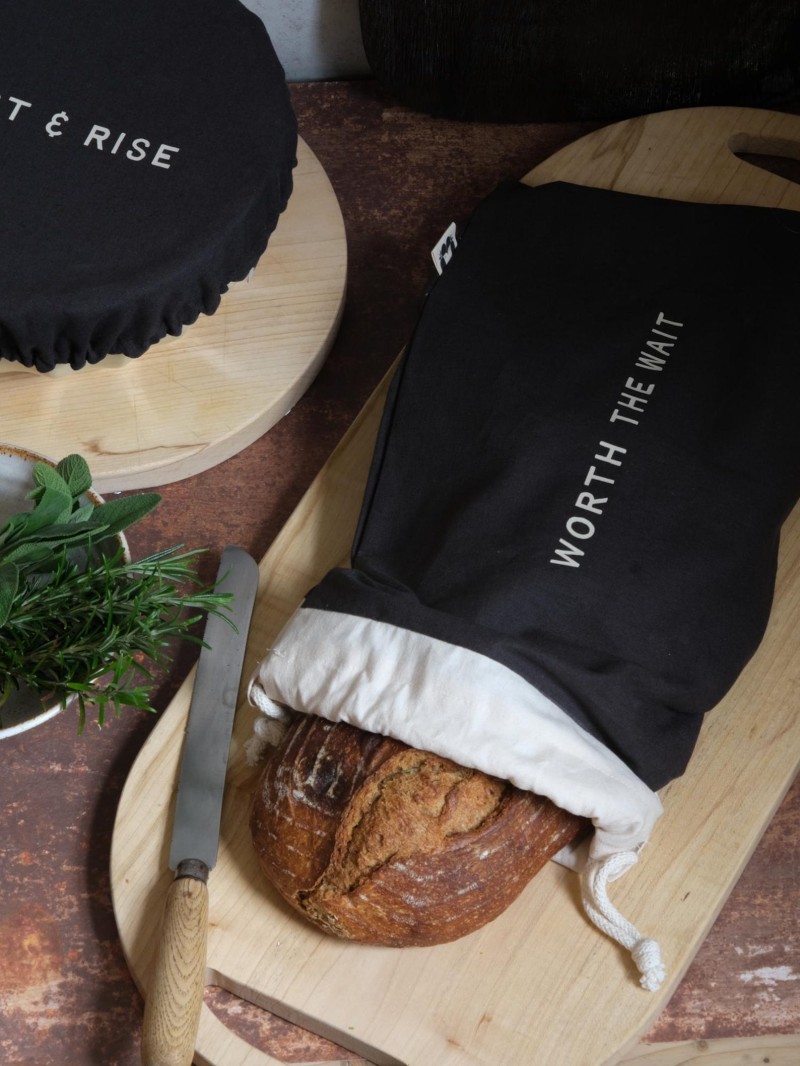
This linen bread bag is ideal to keep bread fresh. Whether you bake it yourself or treat yourself to a delicious loaf from your local independent bakery.
Made for bakers who cherish the slow delights of home baked loaves, this bag lets your bread breathe, and keeps a crisp crust, while keeping the bread inside soft and fresh. Printed with the friendly reminder ‘worth the wait’. It’s a celerbation of real bakers who get up early to knead the dough!
The linen (from flax plants) is blended with cotton, and designed in a vintage black and cream design.
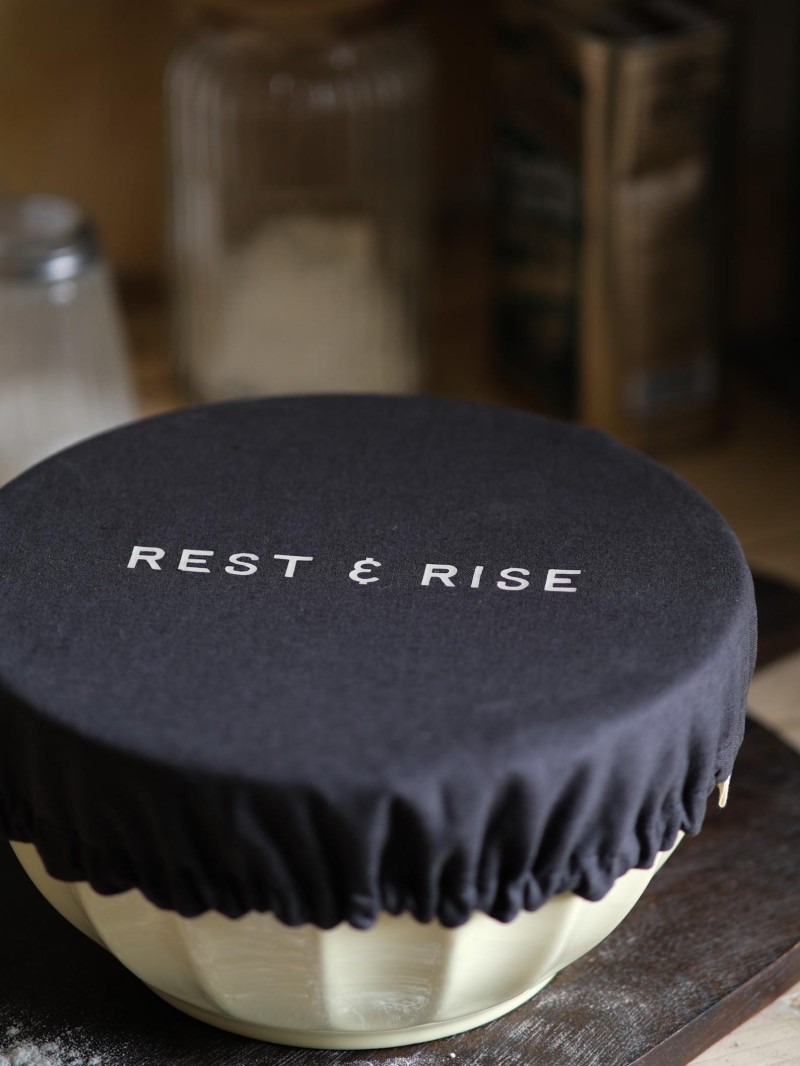
You can buy this alone or paired with the proving bowl cover if you are baking your own bread. Also sold as a set.
This is designed to fit a 25cm bowl, to let your bread rest and rise, to develop flavour and texture. It’s a reminder to slow down and wait for real bread to rise. An ideal gift for mindful bakers!