Tonbridge and Tunbridge Wells (not the same place!))

Unless you live near one of these two Kent towns, you could be forgiven for believing that they are the same. In fact, they are two separate towns, although they are near each other.
Tonbridge (above) is known for its beautiful 11th century castle, and has connections with Jane Austen, as her father was born here. Today it’s more known for being where Olympic hero Kelly Holmes and writer Victoria Hislop hail from.
Considered a ‘walled city’ back in the day, the castle remains although apparently the walls were never actually built! But the castle still has an impressive gatehouse.
Royal Tunbridge Wells
Royal Tonbridge Wells is one of only three towns in England with the prefix ‘Royal’. Can you guess the other two? They are Royal Leamington Spa (Warwickshire) and Royal Wootton Bassett (Wiltshire).
Like the city of Bath, this is a spa town with natural spring, where people would come to ‘take the waters’ for their health, back in the day.
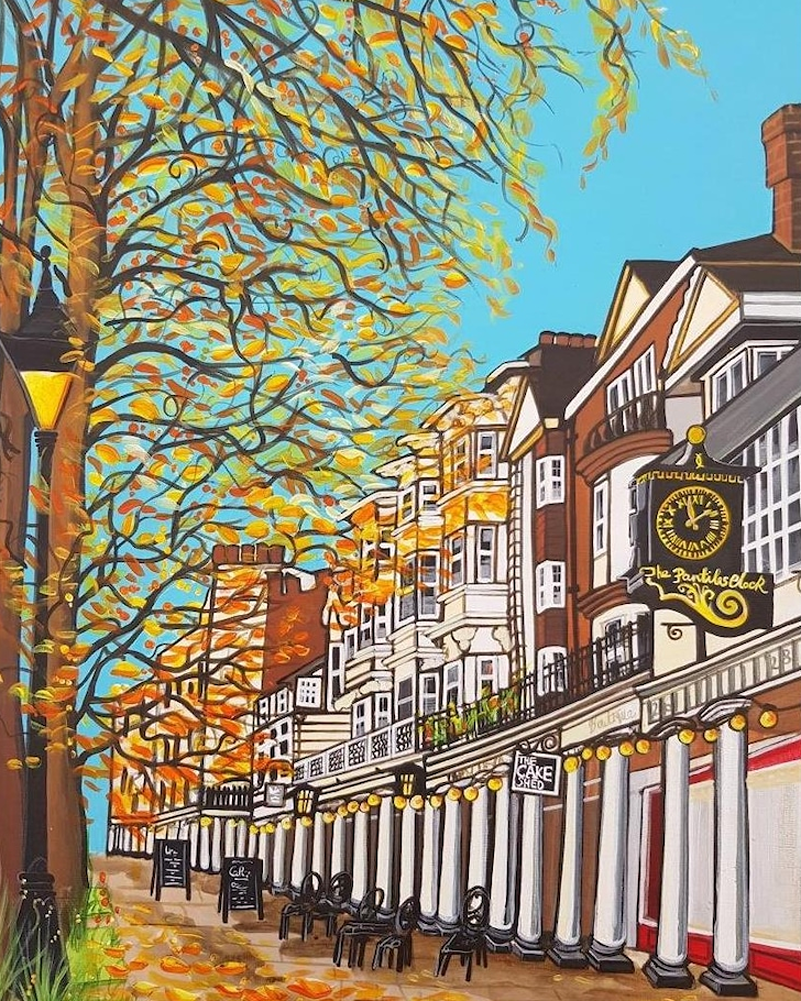
Today the town is known mostly for The Pantiles, a 17th century parade of independent shops. The goods are likely too pricey for most of us, but the beautiful architecture is free to admire.
This town began back in 1606, when Dudley Lord North discovered a mineral spring, with iron-rich water. It became ‘royal’ after Queens Anne and Victoria became frequent visitors.
Sevenoaks (just a few miles away)
Sevenoaks is indeed named after a group of ancient oak trees (which came from an ancient chapel in Knole Park).
Did you know that oak trees (despite their beauty) are toxic to horses and livestock, due to acorns (also keep dogs away from conkers from horse chestnut trees).
This town again is a main hub for commuters to London. An affluent place, it has weekly farmers’ markets and many top independent schools (one former student was Princess Diana).
One of England’s oldest independent schools is here. Originally in London, Walthamstow Hall (known as ‘Wally Hall’) was originally set up by missionaries to educate young girls.