Totally Locally (supporting local independent shops)
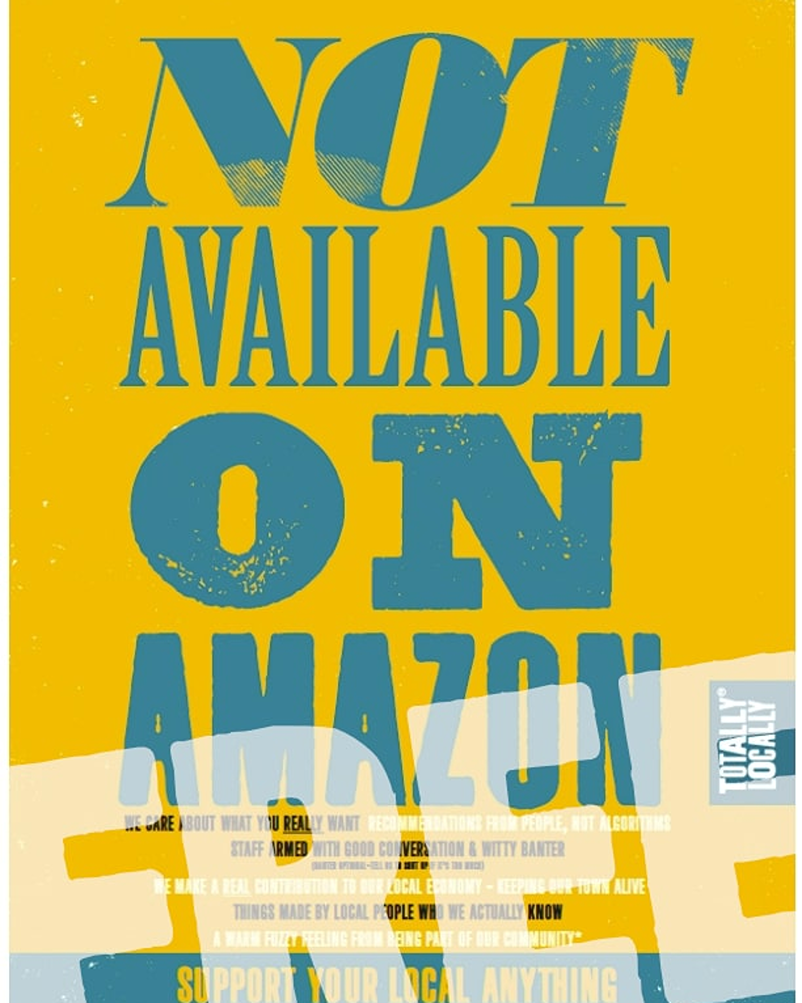
In a country of 60 million people with an ageing population, it’s likely never going to be the case again that you pop to the village baker, deli, greengrocer and indie health store (most sell pills over food).
But there are ways to support indie shops, if only for a weekly loaf of bread or a basket of organic veggies. If we all did that, they would survive. Every little helps!
Run an indie shop? Many seeds, flowers, plants (and plantable cards) are toxic to pets, so learn what not to sell to households with pets.
Totally Locally began as a ‘shop local’ campaign in northern England, and is now a worldwide movement. Volunteers use the Town Kit to make their communities more resilient from big supermarkets and chain stores, to support local economies.
Around 80p spent in local shops, stays in local communities. With big chain shops and supermarkets, it’s closer to 20p to 30p (or almost nothing, with big online retailers).
The Totally Locally Town Kit includes all you need to help reinvigorate your high street. You’ll learn how to put your first meeting together, develop posters and logos and print templates. This kit is a legal agreement, so you can’t change the logos or colours.
Anyone can download free posters (translated in many languages). You can also order organisation’s first book The Economics of Being Nice, which explains what the movement is all about, and its many benefits.
Small indie shops are not just nice for communities to avoid ‘clone towns’ (where all towns look and feel the same), but they tend to have staff who are treated better and paid more. And importantly, small indie shops stick around when things get tough.
You can usually take dogs inside, ‘borrow a bag’, put a few groceries on a tab for older children to collect and often small shops will also order in goods that you request, rather than you have to write an ignored letter to Head Office, if you really want that artisan vegan cheese brand in store.
The main reason to support independent shops is that you usually can get there by foot or bicycle. Many indie shops are in old buildings so can’t adapt for wheelchairs etc. So it pays to have a sign (or website) saying you can deliver locally for free.
Supporting indie shops also means you get to keep money within your community. A small shop owner may well bank with a local credit union, likely employs local people, has no shareholders, employs a local signwriter, and likely also eats his lunch at the local pub!
Shop Local Whenever Possible
When you shop local, you keep money in your community and help create jobs. Think about it: each time you decide to buy from a small shop, you’re investing in your neighbours and fostering local diversity.
- Create a List: Before you shop, make a list of what you need. This way, you can plan visits to local shops that might have what you need.
- Explore New Places: Dedicate time each week or month to visit shops you haven’t been to before. You might discover hidden gems.
- Consider Gift Giving: When special occasions arise, look for gifts in local shops. They often have unique items that reflect your community’s character.
- Pedddle is a site connecting shoppers with independent market stall holders.
Fiver Fest and Magic Tenners!
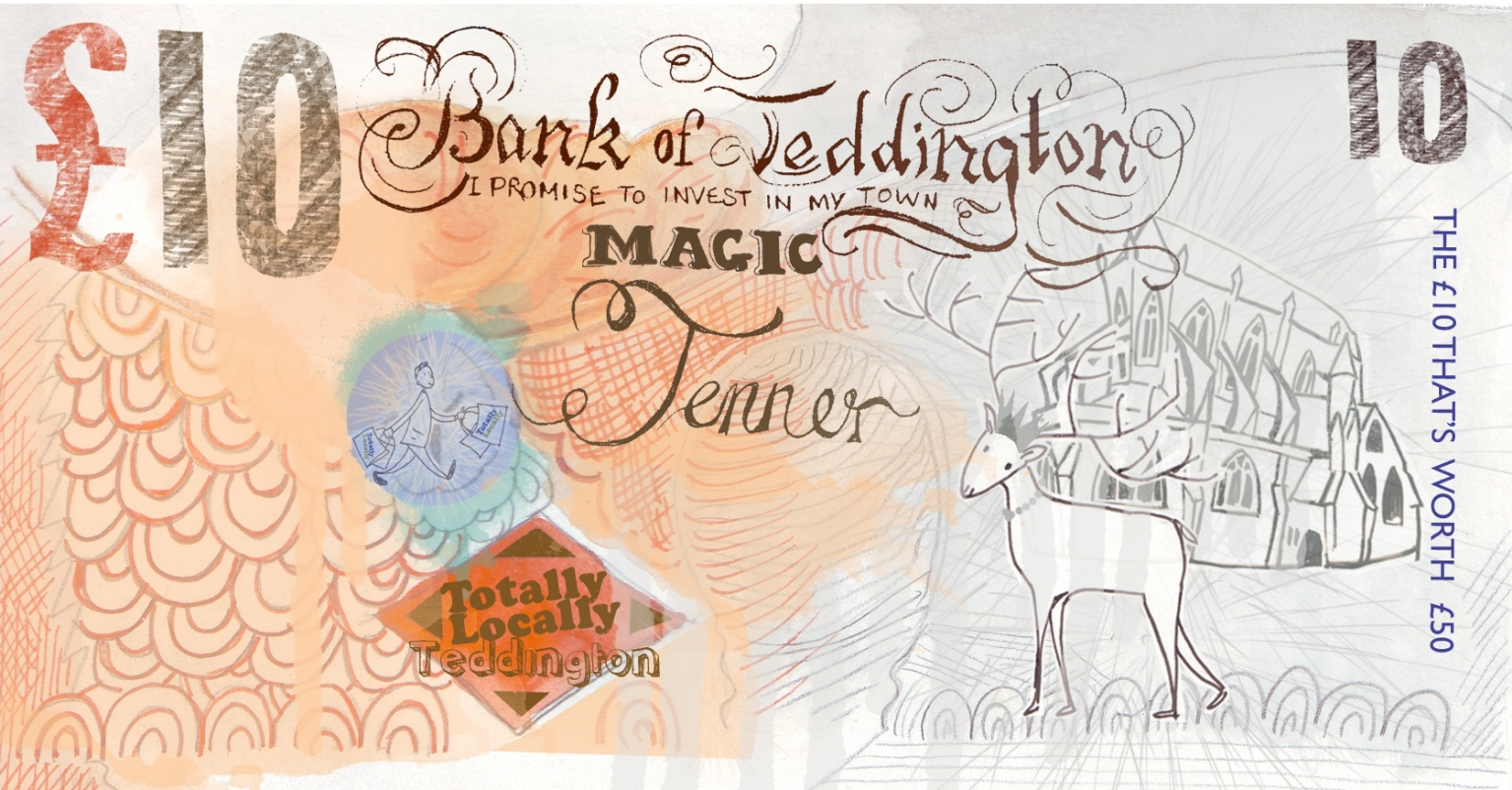
These two campaigns encourage people to spend £5 or £10 a week in independent stores in their town, to bring a collective massive amount of income to local economies.
If every adult in the UK spent just £5 per week with local shops and businesses, this would generate £13.5 billion of money to go back to your town. This is because local independent shops tend to buy food and drink at local sandwich shops and pubs, and use local signwriters, and source from local producers.
Just imagine if your own town had over £13 billion extra? What would you do with all this extra money? It’s likely that most issues (from lack of litter bins, public parks and pot holes) could all be solved. With lots of money leftover!
You can customise the bank note posters (like above) to make your own town. Penzance is holding a campaign here, asking people to spend just £5 a week in local shops, to bring and extra £4.1 million into the town.
Here’s another example from the website:
If you buy a local pie from a local shop, a big part of your money is passed to the pie maker. The shop employs a local accountant or decorator. He buys ingredients from a local farmer, who spends money at the local garage, who then buys something from someone else who is local…
As a contrast:
If you buy a pie from a big supermarket, it’s likely made with factory-farmed ingredients and palm oil, sold in plastic packaging. The supermarket has its finances done by a big accountancy firm hundreds of miles away, and all stores are decorated the same (so no local signwriter used).
The ingredients for the food sold are hardly ever local (palm oil is from Indonesia) and all delivery vans are branded, not bought from a local garage. And if one breaks down, it’s unlikely going to be the local mechanic who fixes it.
Many Totally Locally communities ask local shops to get involved, by creating special £10 offers (from gift bundles to meal deals and unique local experiences). This encourages residents and visitors to ‘spend a tenner’ in local shops, find new favourites, and return to back independent unique businesses.
Local Buyers Club is a unique discount card, for people who live and work in the city of London. Just click the borough of choice, and find local shops (often zero waste and artisan-based) that offer discounts. The £15 or so membership fee pays for itself in no time.