Truro (Cornwall’s only very small city)
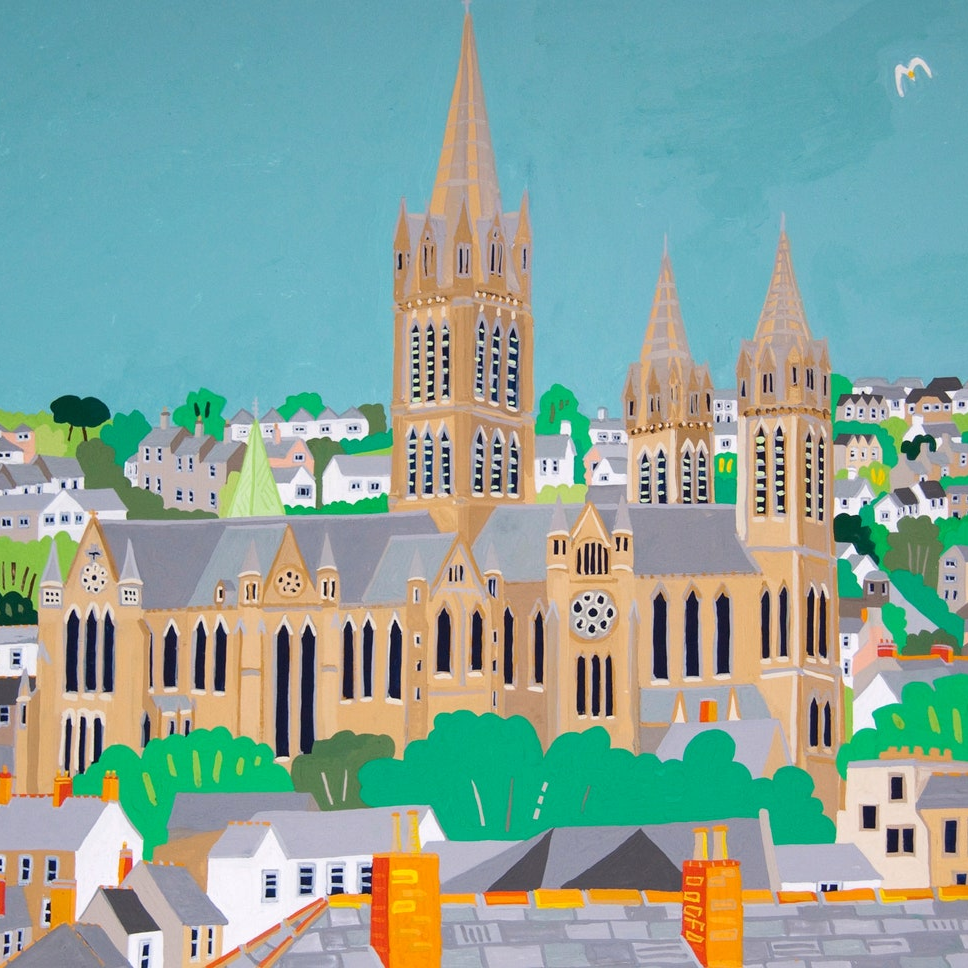
Truro is a Georgian city, just 9 miles from the sea. Its name means ‘three rivers’ (named after the rivers Truro, Kenwyn and Allen). Known back in the day as the ‘London’ of Cornwall, wealthy mine owners built grand houses here, and there was once a now-lost castle, built in the 12th century.
One local raised here was Roger Taylor (the drummer from Queen).
Out walking? Follow the Countryside Code to keep all creatures safe. Keep dogs away from steep banks, mushrooms (and other toxic plants/trees) and on leads during nesting season (and near barnyard friends and wild ponies).
At the coast, keep away from nesting birds and never walk on sand dunes. Learn how to keep dogs safe by the seaside (check beach bans before travel).
Mostly run by the Lemon family!
Many places in Truro are named after the Lemon family, who had great political clout. Sir William Lemon and his family were wealthy landowners.
This family were Cornish mining magnates and MPs who shaped the city, and you’ll find Lemon Street to Lemon Quay even today. William Lemon rose from humble beginnings to become ‘The Great Mr Lemon’, making his fortune from tin mines.
At one time, the city had ‘the richest square mile in the world’. Sir Charles Lemon (2nd baronet) was a keen botanist who even bred a rhododendron called Sir Charles Lemon.
Did you know rhododendrons are toxic to all animals (dogs, cats, rabbits, guinea pigs, horses and livestock)?
Despite their wealth, the Lemon family had great tragedy. Sir Charles’ sons both died young (one at 13 months, the other age 12 by accidentally drowning while bathing near Harrow school). And their daughter died of illness, age 10. And the family home was mostly destroyed in a fire in 1934.
Small enough to cross by foot
Truro is small enough to cross on foot in under half an hour, yet it works like a centre. It’s Cornwall’s county town, so it carries the useful stuff, council offices, courts, shops, and the kind of services that can be hard to find elsewhere in the county. As a result, it feels more practical than polished, in a good way.
The setting helps. Truro sits where two rivers meet (the Kenwyn and the Allen), then widen into the Truro River. That river thread runs down to the Fal estuary, so water is never far away, even when you’re among streets and stone buildings.
Truro also works well as a base. It sits near the middle of Cornwall, with rail and bus links that make day trips realistic without long drives. In other words, you can stay somewhere central, then choose beaches, gardens, harbour towns, or quiet creeks as the mood takes you.
People use Truro for everyday reasons. Market days bring a steady pulse, with stalls, errands, coffee stops, and bags being carried home. The shopping is a mix, including independents tucked along side streets and up short lanes. Food is a big part of it too, from quick bakes to sit-down meals.
Truro Cathedral and streets around it
Begin at Truro Cathedral for the sense of place. Even if you’re not keen on churches, it’s worth stepping inside for a short look. The space is tall and pale, with a calm that contrasts nicely with the shops outside. Light changes fast here, especially if the weather is doing its Cornish thing.
Afterwards, take a slow loop around the nearby streets. You’ll find a mix of small lanes and broader roads, with windows that reward a glance rather than a mission. If you enjoy architecture, look up. Truro has details that don’t shout, stonework, sash windows, and tidy façades that hint at trading wealth.
Walk the riverside and green spaces
After lunch, head towards the river. From the centre, you can reach riverside paths and open green space in about 10 to 20 minutes on foot, depending on where you start. The shift is quick. Streets soften into trees, and you hear water and birds instead of traffic.
Truro’s rivers shape the day more than you might expect. A short walk can feel like leaving town altogether, especially if you follow a path with views over the valley.
Accessibility is mixed. Some routes are flatter, but the city’s valley setting means you’ll meet hills sooner or later. If you have limited mobility, plan gentler loops and take breaks. Truro is compact, so you can still see a lot at a steady pace.