Uluru (a sandstone monolith in Australia)
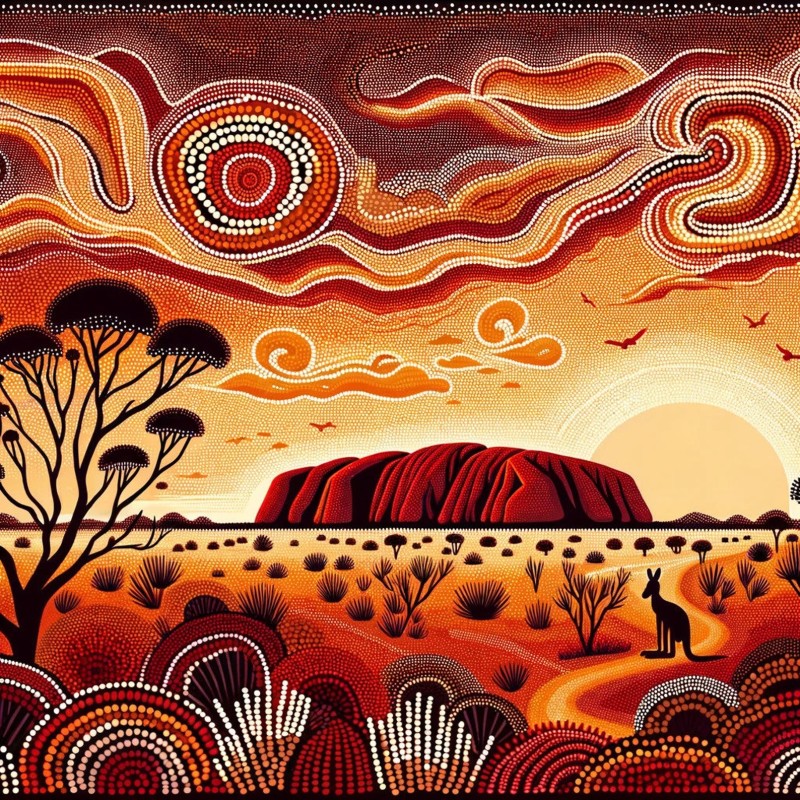
Uluru is a massive rock in Australia’s northern territory, taller than the Eiffel tower and made from sandstone , that’s over 550 million old. It’s sacred to the Anangu people, and features stunning colour changes, from red to purple.
Similar to an iceberg, you can only see a little of it, as most extends underground. The rock is red due to iron minerals and changes colour, due to the sun hitting it at different times, during the day. After heavy rain, it even has temporary waterfalls. And tiny tadpole-like crustaceans hatch in the rock pools on top, the eggs surviving for years.
Climbing has been banned since 2019 for both spiritual and safety reasons. Since the 50s, over 37 people died due to injury or dehydration.
The Stunning Red Colours of Nature
From blooming flowers to vibrant creatures, red isn’t just beautiful—it’s purposeful. Let’s take a closer look at this striking colour and its impact on the natural world and human culture. Red wavelengths are longer, making the colour easy to spot even from a distance.
In nature, red can signal many things—danger, attraction, or even survival. Its intensity makes it one of the most powerful tools of communication in the natural world. Nature also uses red to send strong messages—whether to ward off predators or to lure in the right kind of attention.
Red in Flora
From the classic crimson to the dark burgundy, red roses carry messages. A bright red rose speaks of love and passion, while a deep red one may whisper of desire or mourning. Each shade has its own story to tell, steeped in history and symbolism.
Roses don’t just charm humans; they enrich ecosystems. They provide food for insects and shelter for small animals. Their pollen supports numerous pollinators, helping maintain biodiversity. Roses, in essence, are nature’s small, yet significant, contributors.
Red in Fauna
Ladybugs flash their red as a warning to predators: “Eat me, and you’ll regret it!” Meanwhile, cardinals dazzle with their red feathers to attract mates. These natural paints serve different purposes, from deterrence to seduction, reflecting diverse ecological strategies.
In the animal kingdom, red is a colour of both attraction and survival. Take the cardinal bird, for instance. Its vibrant feathers are designed to stand out, especially to potential mates. The striking red of a red fox’s coat isn’t just captivating—it helps the animal blend into autumn leaves, offering natural camouflage.
Then there are creatures like the scarlet macaw or the poison dart frog. Sometimes red serves to dazzle and draw attention, while other times, it screams, “Stay away!”
The Role of Red in Ecosystems
For many flowers, red is like a neon sign flashing, “Come here!” Bees, birds, and butterflies are often drawn to red blooms, making them effective at pollination. Plants need this interaction to reproduce, and the eye-catching colour ensures their survival.
Hummingbirds are particularly enticed by red flowers. Their vision favours this hue, making it a clever evolutionary tool for plants that thrive on their visits.
Nature has its own “Do not touch” signs, and red plays a big role here. Poison dart frogs, for example, use their bright red skin to warn predators they’re toxic. Similarly, red is a common warning colour in insects and even snakes. It’s a clear message: approach at your own risk.
This use of red helps maintain balance in food chains. It teaches predators which species to avoid, ensuring survival for both prey and predator.