The Ultimate Vegan Sunday Roast Dinner Guide
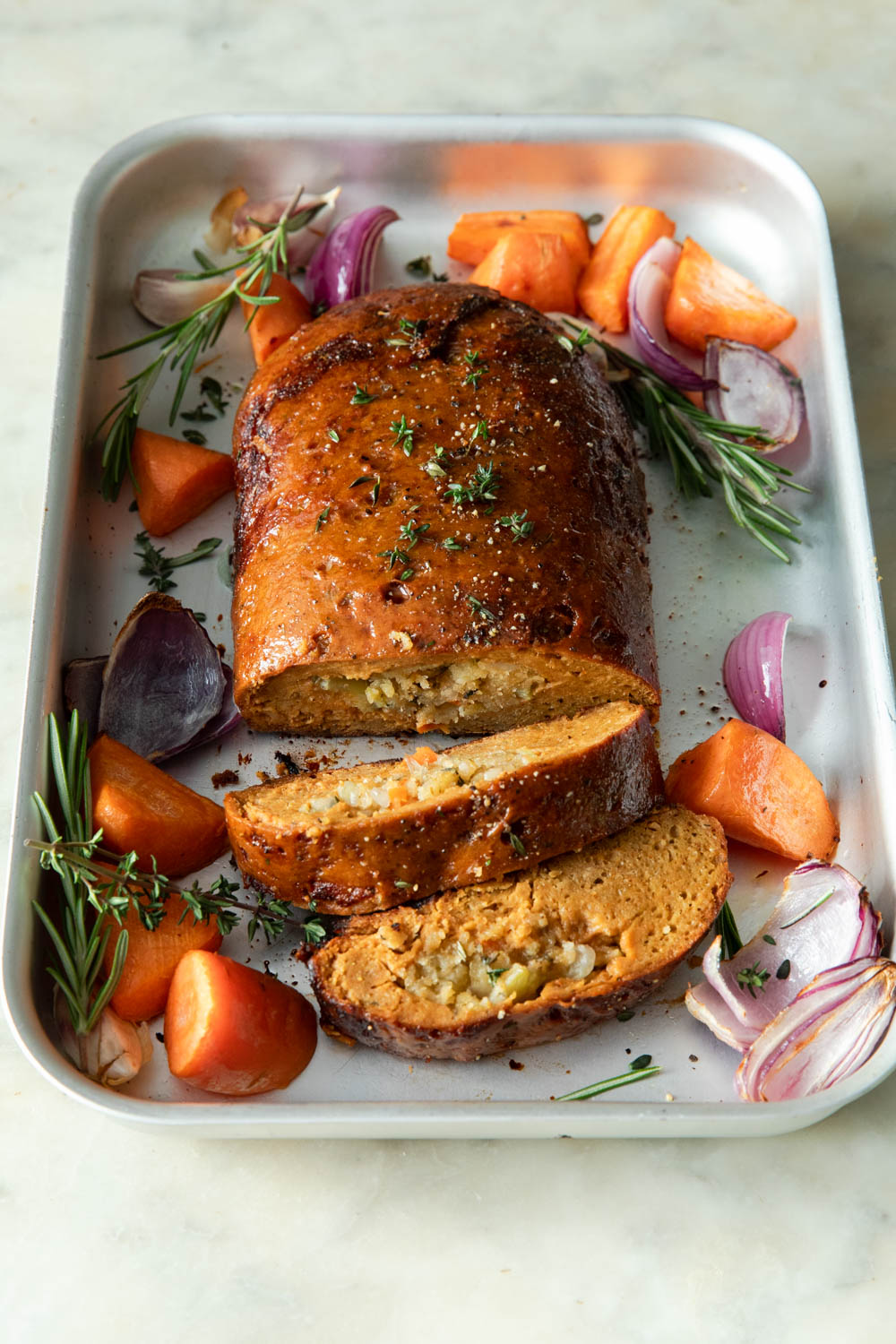
Vegan Stuffed Roast Turkey (Madeleine Olivia) uses seitan, and is served with her sage and onion stuffing.
This vegan turkey roast (School Night Vegan) is made with seitan, if you fancy getting ambitious. This is a ‘wheat meat’ that looks, smells and tastes the same as meat, when prepared right.
This Thanksgiving vegan turkey roast (Jessica in the Kitchen) is made with white beans and lots of tasty ingredients, coated in a brown sugar glaze.
Before cooking, read up on food safety for people and pets (many foods are unsafe near animal friends). Bin allium scraps (onion, leeks, garlic, shallots, chives) and citrus/tomato/rhubarb scraps, as acids could harm compost creatures. It’s okay to put them in food waste bins (made into biogas).
Before recycling cans, rinse then remove lids (pop ring-pulls over holes). Then use your fingers/thumb to ‘pinch’ inner rims together, to avoid wildlife getting trapped.
How to help England’s terrific turkeys
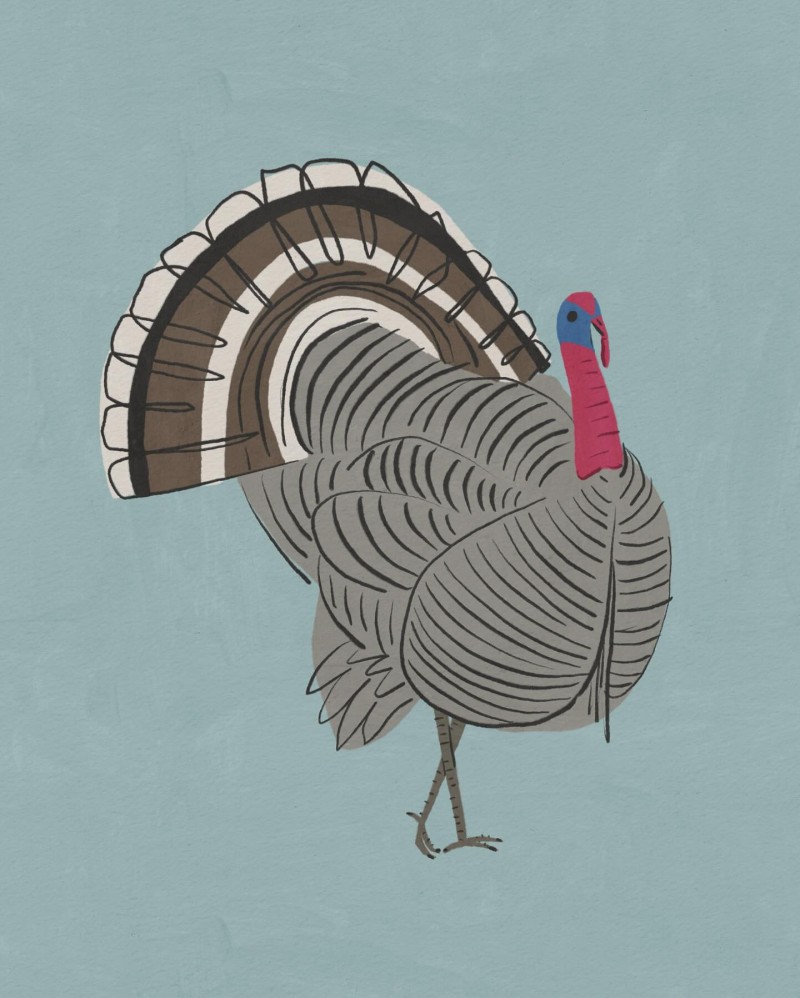
Turkeys are very large social birds. They have no ears, so ‘hear’ when sound vibrates through a hole in the side of their heads! These curious animals naturally live in trees, and despite their size, fly well.
Turkeys used for food are bred to twice their weight, so can’t fly.
Turkeys can even change the colour of their heads, depending on their emotions. You can tell the difference between sexes, as a male’s poop is shaped like the letter J and the female’s is spiral! Turkeys see very well (and in colour).
Native to America, turkeys (like chickens) will preen and dust-bathe, and live naturally on plants, insects and worms.
The plight of factory-farmed turkeys
Yet factory-farmed turkeys (around 250 million killed each year both in Europe and North America) are bred to have large chest muscles, and killed from 9 to 24 weeks.
Nearly all turkeys bred for food are reared indoors, in sheds that house up to 25,000 birds.
Most have no windows and all there is are places to eat and drink, and constant noise and light (controlled to help birds eat more and move less, so they get heavier to make more money, when sold).
Light is kept low to reduce feather-pecking, but this means go blind (as stated above, turkey vision is better than ours).
Poor ventilation and overcrowding can lead to heat stress. And risk of disease (in 2007 there was a huge outbreak of avian flu amid UK turkeys).
Many turkeys also suffer rough handling, during catching and slaughter. Not so long ago, staff at a Norfolk turkey farm were convicted, after they were filmed kicking live turkeys, as if they were footballs.
Bernard Matthews began his empire by slaughtering turkeys in his own kitchen, and today his empire is mostly factory-farmed.
Like chicken and egg farming, turkeys are de-beaked to avoid pecking and cannibalism, due to stress. Many suffer broken bones from rough handling, and others struggle and flap their wings, being electrocuted before stunning in electrical water baths.
The law allows birds to remain conscious for up to three minutes before their throats are cut. And they are then plunged into scalding tanks. All this information is sourced from Compassion in World Farming.
Even seasonal slaughterhouses may have untrained staff dislocate turkey necks, and there are exceptions to stunning, for religious slaughter. A few are even plucked, while conscious.
CIWF wants controlled atmosphere killing (CAK) to be used, which uses gas to stun birds unconscious, so they would not need to be shackled, while still alive.
Is free-range turkey farming better?
Yes. Although of course turkeys are still killed in abattoirs, so the end may not be much different. Free-range turkeys by law have to live outdoors, with access to good food and slower growth.
Organic turkeys have even more space (no more than 2500 birds kept) and are slaughtered much later (at around 5 months).
Vegans don’t go vegan because they hate flavour, and certainly because they really want to miss out on family traditions on festive holidays. When you can enjoy the flavours you miss, the textures you love and the familiar welcoming sight you grew up seeing on your table (all without involving a real turkey), everybody wins! Zachary Bird
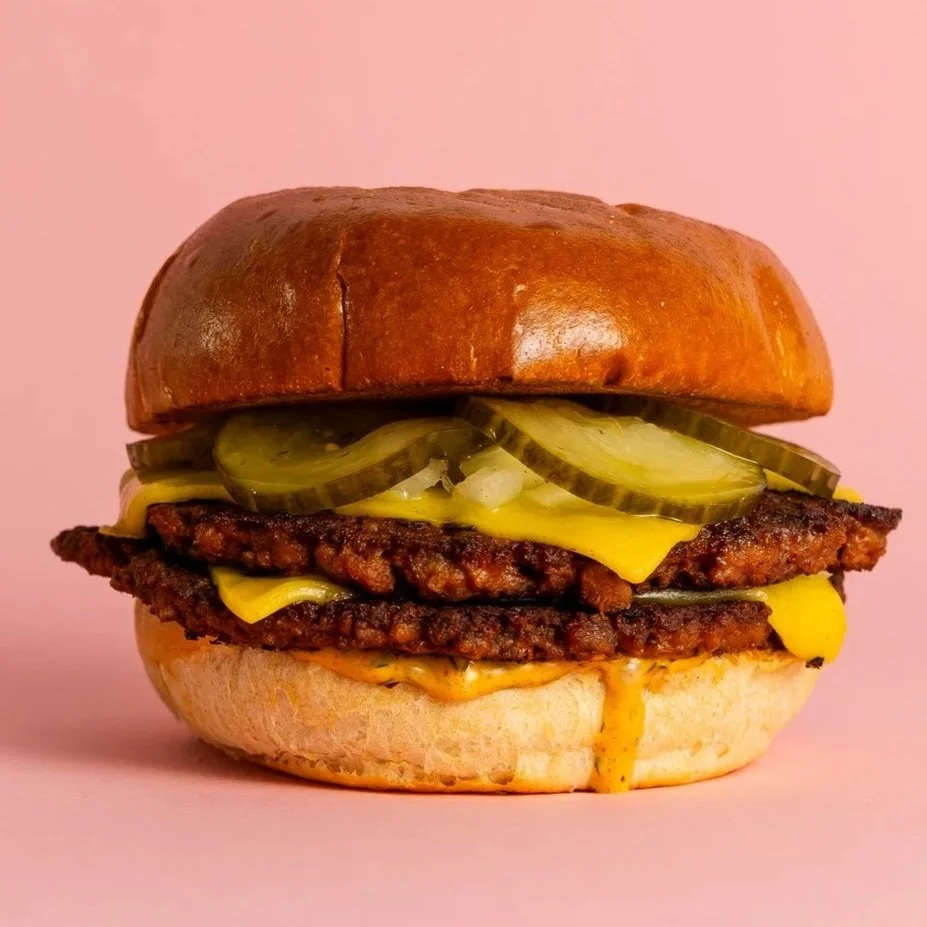
The Hogless Roast (Walthamstow, London) is a takeaway diner, set up by two young men who went vegan but ‘couldn’t take any more bean burgers!’ It offers a wide range of meaty-tasting delights, and uses profits to help build barns at Goodheart Animal Sanctuaries.
It also offers catering services, including for events weddings. As an alternative to a hog roast. Its mascot piglet Hoggles is inspiring Londoners to try something better! This duo is gradually ‘converting all the carnivores’ at events nationwide.
Order online for collection or delivery (student discounts available).
The menu includes:
- Hogless burger!
- Smash ‘cheeseburger’
- Hogless loaded fries
- Buffalo ‘chicken’
- Caesar salad or wrap
- Tater tots
- ‘Chicken’ nuggets
Why choose hogless meats?
Most pig meat is from factory farms. And in a country of 67 million people, there is not enough land for everyone to eat free-range meat. If pigs were not bred for the meat industry, fewer would be born. And remaining pigs could then live out their lives in peace (natural breeding would still occur, just not on the same as now).
Bacon and pork are also high in saturated fats, cholesterol and chemicals used to flavour them. Going hogless means you can enjoy these tasty meals, which are not just animal-kind but also far lower in fat and cholesterol-free. So you can eat more of them!
Why pigs are brilliant!
Pigs are such wonderful mothers, they sing to their piglets) are also very clean animals. They will build a nest and walk up to a mile to go to the toilet. They are so brainy, they are up there with dolphins and chimpanzees.
They have strong bonds and will sleep nose-to-nose with other pigs, and use their sensitive snouts to forage for food (as eyes are on the sides of their heads, they have poor depth perception though can see a 310 panoramic view).
Pigs can’t sweat, which is why they roll in mud. Only domestic pigs have curly tails! And in the wild, pigs can live to be up to 20 years old
Fun facts about Walthamstow
The Hogless Roast is based in the East London borough of Walthamstow. Home to Europe’s longest-serving outdoor market, it was also birthplace of the modern bicycle! Local inventor John Kemp Starley creatd the design for bikes on two wheels, which is why we are no longer riding around on Penny Farthings!
Notable people from here include England’s top footballer Harry Kane and the Brit pop band East 17 (named after their local postcode!)
Walthamstow Hall independent school started off to house and educate daughters of Christian missionaries working overseas. Set up in 1838 by Dorothea Fulger, it moved to its current location of Sevenoaks (Kent) to a larger site, due to the founder’s daughter (Mary Anne Lydia Pye-Smith) living there, offering a personal link.