Viva! Clothing (fashion to help barnyard friends)
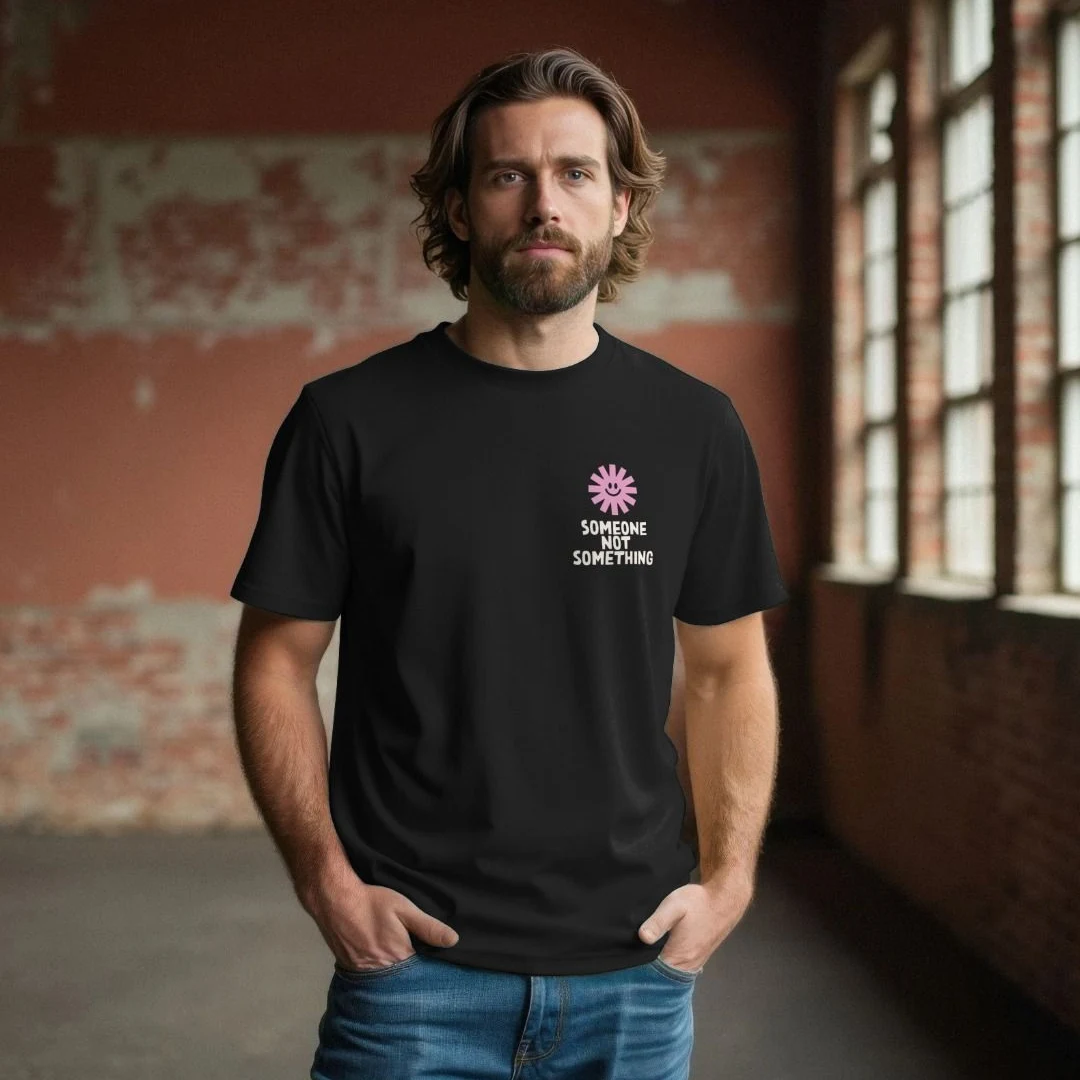
Viva! is a Teemill shop, where everything is made from organic cotton, made with green energy and sent in zero waste packaging. You can even return items at end of life, to be made into new clothing.
And this brand is owned by the charity Viva!, so uses profits to campaign for barnyard friends. Whether that’s nutritional advice, investigative work or rescue (many creatures in awful situations have been rescued by them – often with undercover investigations that led to supermarkets dropping their suppliers).
Donate unwanted clothing to small charity shops (not big ones that test on animals). Recycle damaged/stained clothing at textile banks (it’s shredded into insulation and other goods).
What is vegan clothing?
Organic cotton, hemp and linen are the best natural fabric choices. They are good for the earth and wildlife, and also for us as they last longer (as fibres are not damaged by chemicals). However, vegan clothing also avoids:
- Fur (horrific cruelty, production is banned in the UK)
- Leather (often produced in countries with few animal welfare laws, and the tanning process is also cancerous – it’s not usually a by-product of the meat industry)
- Sheepskin & shearling (the latter is from the skins of lambs)
- Shahtoosh (banned) is from a Tibetan antelope. Pashmina is from a Tibetan mountain goat.
- Silk (usually boils silkworms, even ‘peace silk’ has issues)
- Feathers or down (choose vegan bedding – most ‘eider down’ is from factory-farmed ducks or real eider down is only collected from fallen feathers in Iceland in tiny numbers)
- Animal-based jewellery (no bones, feathers, pearls, oysters, leather)
Read Vegan Style to learn about alternatives to conventional fabrics, and how to create a sustainable capsule wardrobe. It recommends watching the film Slay, from a former fur-wearing fashionista who now campaigns for animal welfare.
Curious why vegan don’t wear wool?
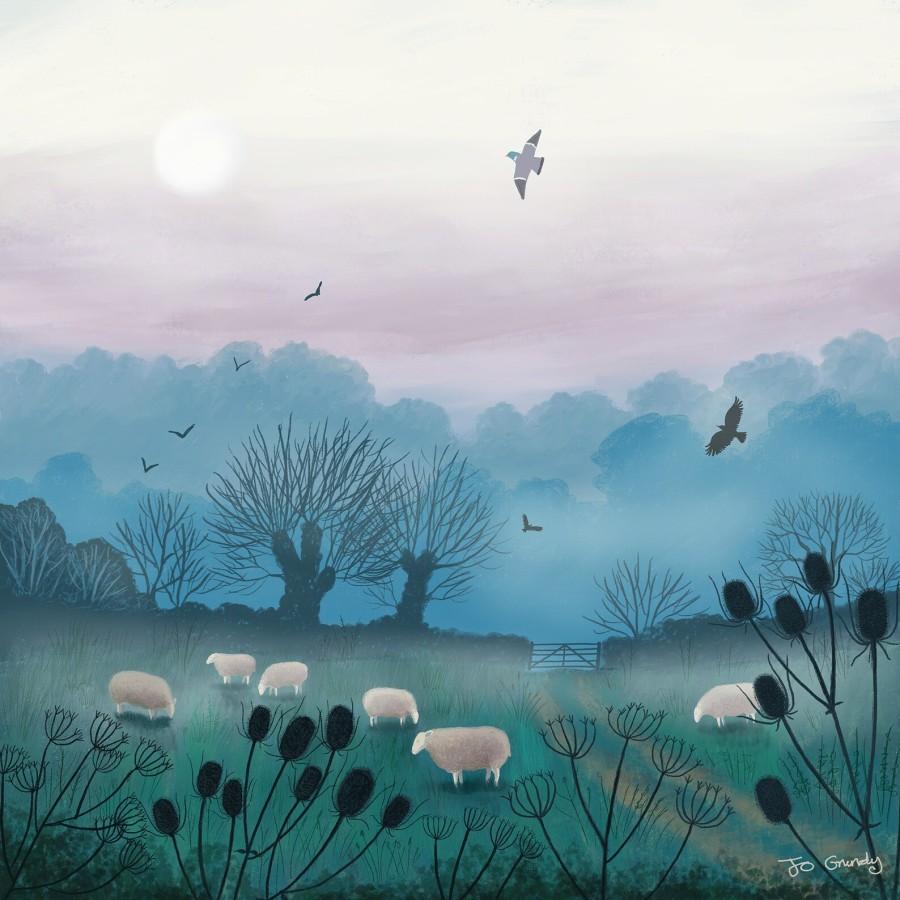
Although most sheep need shearing to avoid over-heating (and be able to see predators), the conventional wool industry has many issues.
Some sheep are sheared too early (leading to hypothermia) and others suffer ‘mulesling’ (having chunks of skin sliced away to prevent flystrike, without painkillers). And many sheep are killed, when they get older and their wool production slows down). You can even now buy vegan winter woollies (thick organic cotton jumpers, as warm as wool).
If you wear wool, choose companies that don’t kill the sheep, simply shearing the wool: like vegetarian wool or sheepskins.
Pregnant sheep can sometimes roll over onto their backs due to pregnancy or rain-soaked wool, and will die if not turned back upright. If you see one, just grab a handful of wool and firmly right it back, then stay with it, until rain has drained off.