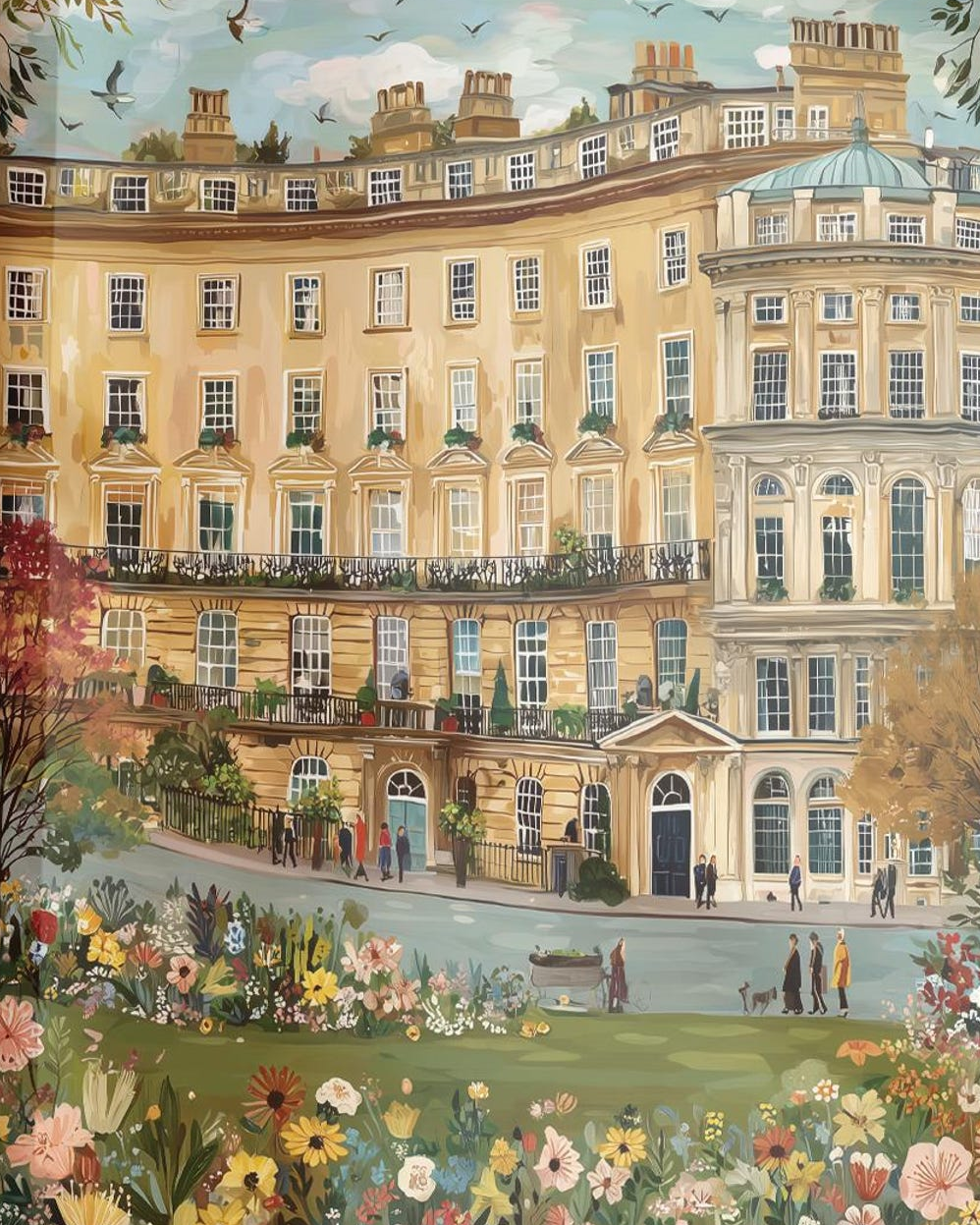
Wells (let’s visit England’s beautiful and smallest City!)
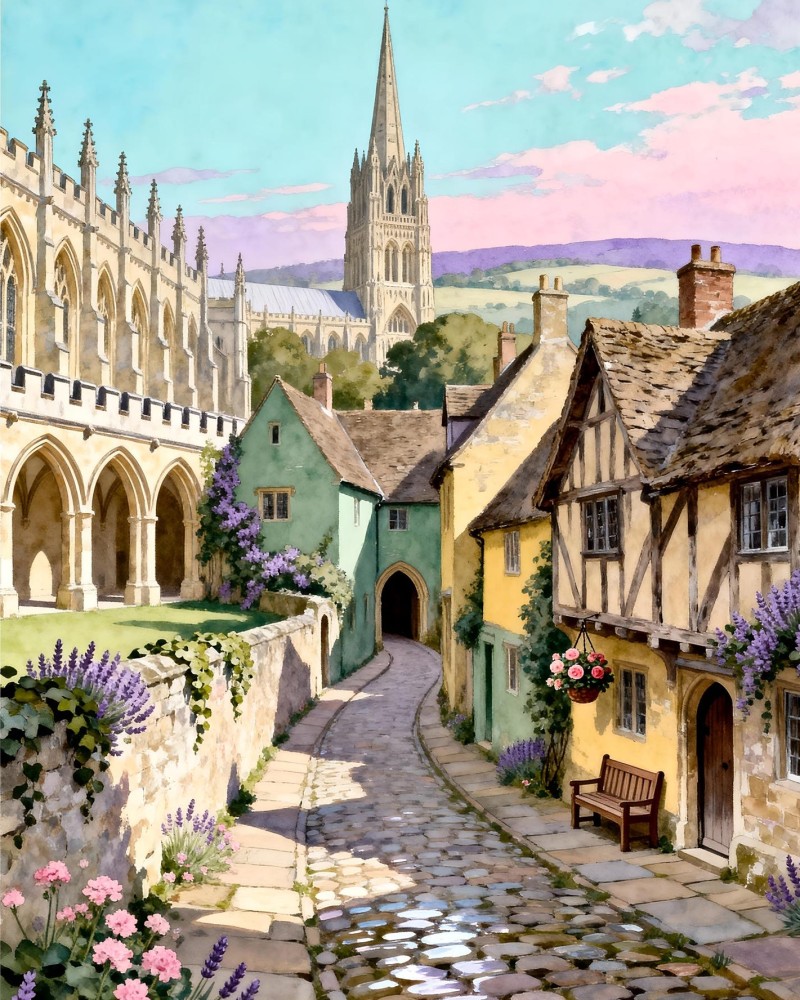
Wells is England’s smallest city (the second smallest is Ely in Cambridgeshire). Located in Somerset, it has a magnificent cathedral, historic Bishop’s Palace, medieval streets, ancient wells, and close relationship with the surrounding Mendip Hills.
The city grew around springs of water and developed into an important religious centre during the medieval period. Its cathedral became the centre of the Diocese of Bath and Wells, while the bishops established a substantial palace and other buildings around the cathedral precinct.
Unlike many English cities that expanded dramatically during the Industrial Revolution, Wells remained relatively small. This has helped preserve much of its medieval character. Visitors today can walk through streets and buildings that retain a strong sense of their historical origins.
Where Is Wells?
Wells is situated in Somerset, close to the southern edge of the Mendip Hills. It’s between Bristol and Yeovil and surrounded by rolling countryside, farmland, hills, and villages.
Its location has always influenced its development. The Mendip Hills provided natural resources and grazing land, while the surrounding countryside supported agriculture.
The city itself occupies a relatively compact area. This gives Wells an intimate character that is unusual for a place officially designated as a city.
Why is Wells a city?
In England, the traditional relationship between a city and a cathedral became extremely important. Wells became a cathedral city because it developed as the seat of the Bishop of Wells. Its status does not depend on having a large population.
This is why Wells can be a city despite being considerably smaller than many English towns.
The ancient springs of Wells
The name Wells comes from the natural springs around which the settlement developed. Water emerges naturally from the ground in the area because of the underlying geology of the Mendip Hills.
For early communities, reliable sources of fresh water were extremely valuable. Settlements often developed near springs, rivers, or other dependable water sources.
The springs at Wells became particularly important because they provided a continuing supply of water. The most famous are the springs associated with the cathedral precinct.
Wells Cathedral
Wells Cathedral is the city’s most famous landmark. It is one of the finest examples of medieval Gothic architecture in England and dominates the historic centre.
Construction began in the late twelfth century and continued over several generations. As a result, the building contains architectural features reflecting different stages of medieval development.
The cathedral is famous for its distinctive façade, elaborate sculptures, large windows, and elegant interior. Its architecture demonstrates the extraordinary skill of medieval craftsmen.
The Scissor Arches
One of the most unusual architectural features inside Wells Cathedral is the famous scissor arches. These remarkable structures were introduced in the twentieth century to strengthen the cathedral’s central tower.
Their unusual intersecting design has become one of the most recognisable features of the building. The arches demonstrate that historic buildings are not simply preserved objects. They require continuous care, engineering, and maintenance.
The Cathedral Clock
Wells Cathedral also contains one of England’s famous medieval clocks. The clock is particularly interesting because it represents the technological knowledge of medieval craftsmen.
Medieval clocks were sophisticated mechanical devices. They required an understanding of gears, weights, movement, and timekeeping.
The Chain Bridge
Another distinctive feature of Wells Cathedral is the chain bridge connecting the cathedral precinct with Vicar’s Close. The bridge provides a physical link between the cathedral and the houses occupied historically by members of the cathedral community.
It is an elegant example of medieval urban planning. The bridge and surrounding buildings help demonstrate how closely religious institutions and everyday life were connected.
Vicar’s Close
Vicar’s Close is one of Wells’s most famous historic streets. It is widely regarded as one of the most complete medieval residential streets in England.
The buildings were constructed to house members of the cathedral’s clergy and associated community. Walking through Vicar’s Close provides a remarkable sense of medieval urban life.
The narrow street, historic houses, stone buildings, and relationship with the cathedral have changed relatively little in appearance over many centuries.
The Bishop’s Palace
The Bishop’s Palace stands beside Wells Cathedral and is another major attraction. It was built as the residence of the bishops of Bath and Wells and became an important centre of ecclesiastical administration.
The palace complex includes medieval buildings, gardens, walls, a moat, and a gatehouse. Its architecture reflects the power and wealth of medieval bishops.