Wells-Next-The-Sea, Norfolk (beach huts and pine woods)
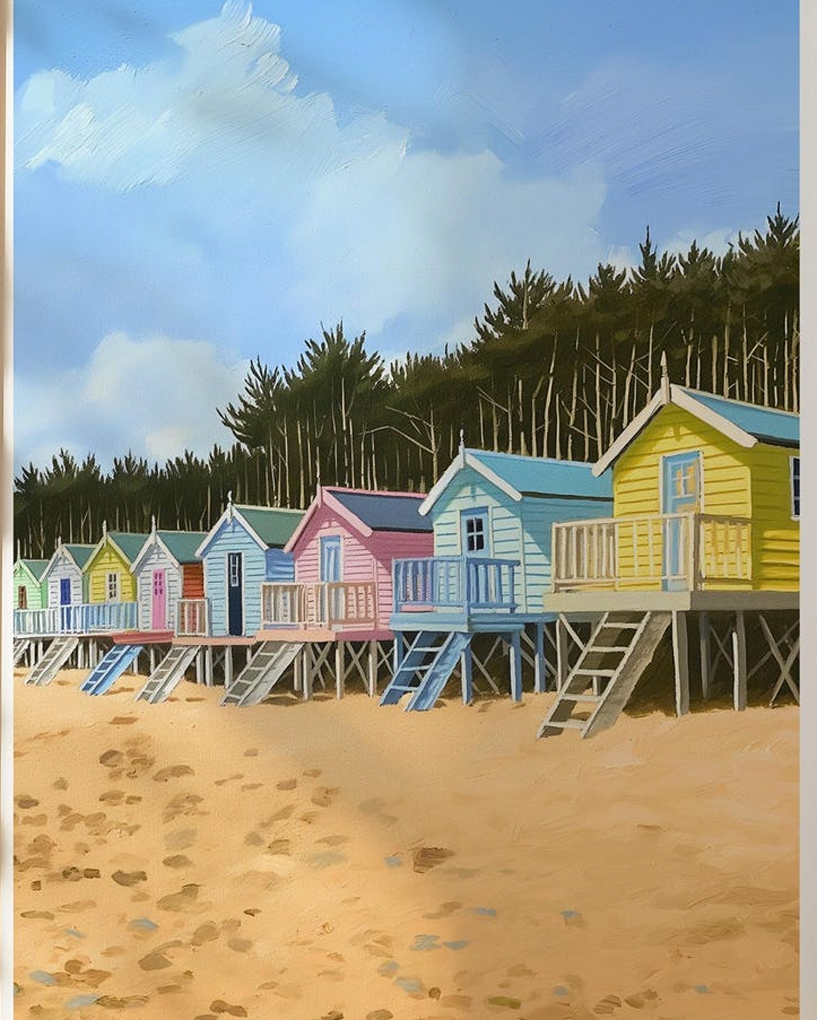
Wells-Next-The-Sea is a gorgeous little town on the North Norfolk coast. When you see holiday brochures of wide sandy beaches with pretty pastel beach huts, it’s likely the photos were taken here! It’s also surrounded by some pretty neat pine woods set back from the beach.
If at the coast, keep away from nesting birds and never walk on sand dunes. Learn how to keep dogs safe by the seaside (check beach bans before travel). Join the campaign to ban flying rings, to help local seals.
You likely can’t afford a beach hut (or a property) here. But you can dream! The town centre is brimming with independent shops and bakeries, and there are many historic independent pubs. It’s just a mile or so walk to the beautiful beach, though you may wish to avoid the tourist summer season.
Barbecues are banned on beaches and local woods.
Originally the harbour was a major grain port (ships would sail as far away as Iceland), but today it’s more for leisure (the Granary is now a series of luxury apartments). The name comes from the clear freshwater springs that rise through the local areas’ sedimentary chalk.
Runs alongside the Norfolk Coast Path
The Norfolk Coast Path runs directly alongside this beach, and it’s also a haven for birdwatchers, leading into Holkham National Nature Reserve. Alas there are a lot of airbnbs, which is giving rise to the old chestnut of ‘local people priced out of buying property’. Like so many places in England.
Why is it called Wells-Next-the-Sea?
Basically to avoid it being confused with Wells in Somerset (England’s smallest city). The same happened in Cumbria, when the local vicar at Grange had to add ‘over-sands’ as his post kept being delivered to the wrong address!
A four-mile steam train to Walsingham
Pop yourself on a steam train and take the four-mile trip to the village of Walsingham (England’s Nazareth), with a rich religious history.
Wells & Walsingham Light Railway sits on land that is home to over 300 species of wildflowers (some rare) and forms a protective wildlife corridor between the coast. The chalk soil is also important for coastal birds, birds of prey and reptiles.
The volunteers here refuse to ‘manicure the space’ on the journey, to let wildflowers and butterflies thrive in their natural habitat. They don’t ‘carbon offset’ but instead use smokeless coal and say that running the train for 9000 miles a year, still generates less carbon than one return flight to New York.
Dogs are welcome (and travel for free) on the short journey. But are requested to sit in closed carriages, as there are a few chickens outside on the route.
A local tragedy (the 1953 Great Flood)
The 1953 Great Flood killed many people on the East coast. Local police officers Charles Lewis and Leonard Deptford received George medals for heroic rescues, including a bedridden elderly couple, and a local dog.
During summer, a warning ‘hide tide’ siren sounds for four hours, to keep visitors safe.