Wheelie bin alternatives (what are the options?)
Overflowing bins on street corners, wildlife dragging food down streets and black bins caught in trees. We need better solutions. Wheelie bins are clunky and awkward and often blow over in wind.
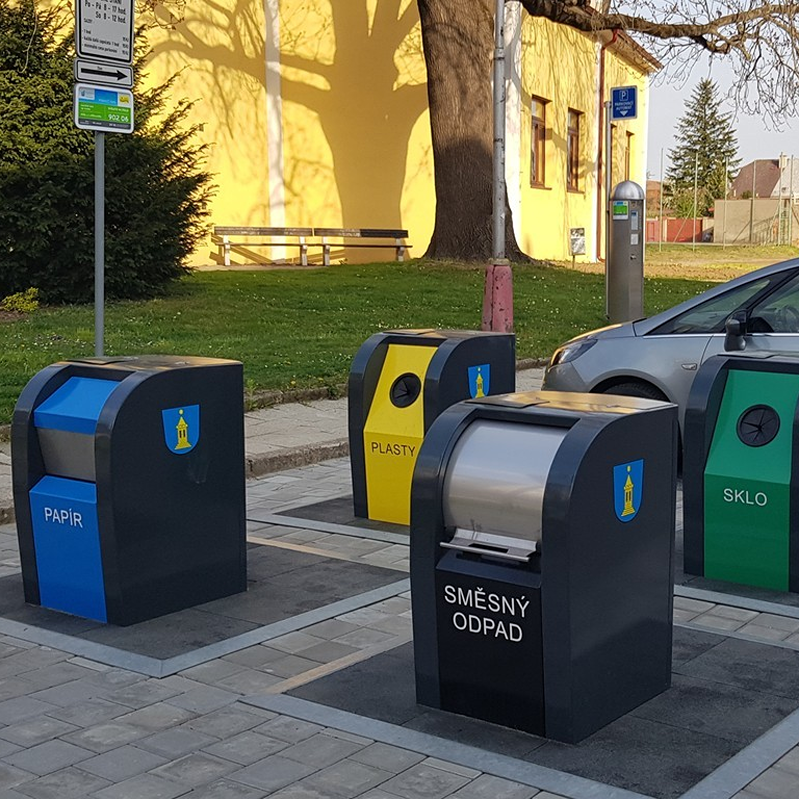
These underground communal waste bins are one idea, from Czech Republic. The waste is actually stored underneath, so can take a lot more than the upper bit suggests.
Obviously care must be taken with compacting rubbish underground. But experts say that they are designed to be safer for wildlife, due to sealed steel chutes, no plastic bags and less likelihood of falling in (unlike wheelie bins or commercial open top bins).
Care must be taken to ensure nothing is left unlatched or jammed, to prevent animals gaining access, including nesting birds.
Wheelie bins don’t deter urban wildlife
It’s not safe for them either. But wheelie bins often open up and send rubbish down roads, and animals could get caught in them. They attract rats to seagulls to foxes.
Traditional black bin bags (which can’t even be recycled as machines don’t recognise the colour) and basic wheelie bins offer little defence against persistent animals.
Zero waste bin liners are better, but they still need to go in a good bin.
How to recycle cans (to avoid trapping wildlife)
It’s important before recycling cans the right way, to avoid wildlife being tempted to get stuck inside at landfills or recycling plants.
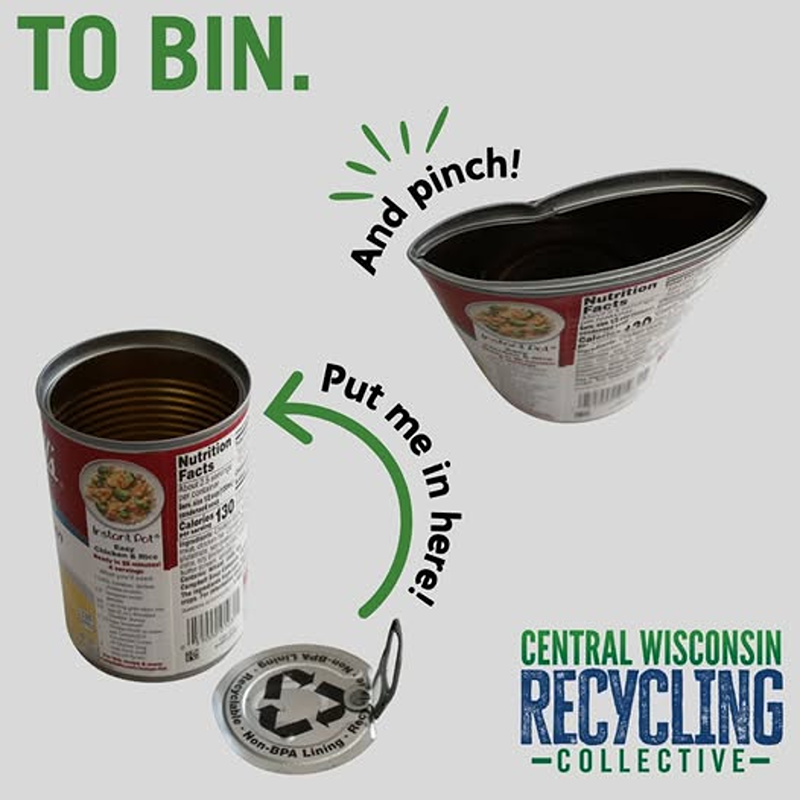
Rinse any tempting food or liquid inside, then pop the lids inside (invest in a good tin opener to avoid jagged edges). Or pop ring-pulls back over the holes of drinks cans.
Then step on upper cans to pinch rims together (above photo) to avoid birds or wildlife near recycling points or landfills getting stuck inside. Start a Cash for Cans scheme to raise money for your cause (can also take clean foil)
Keep Britain Tidy found that 80% of littered bottles and nearly 5% of littered cans, contain remains of tiny small mammals (shrews, bank voles and wood mice). Littered cans also attract snails, and can cut the feet of wildlife.
Shared underground bins
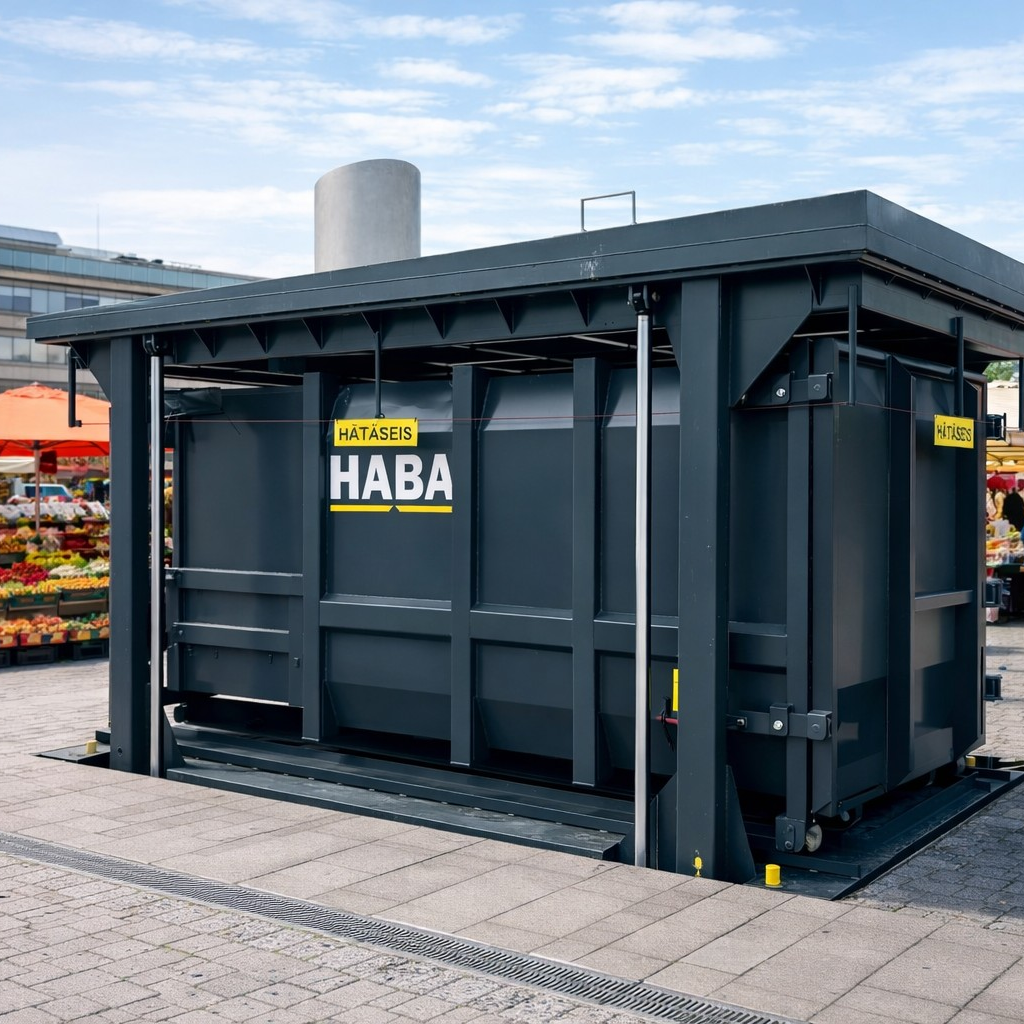
Street bins shared between homes are one good idea. Already installed in Newcastle, these are large metal wheeld bins shared by residents. People then just pop their rubbish (and recycling in them) and there is no need for people to lug heavy wheelie bins outside their doors each week or fortnight.
This underground waste communal bin compacts the rubbish underground.
Nor have festing rubbish in warm weather outside their home. If your bin is full, you just walk a short distance to find one that’s regularly emptied by coucils.
Most people have found these work well. People shred documents and metal bins have less fire risk than plastic ones.
Solar belly bins (compact waste)
Solar belly bins use the sun’s energy to compact rubbish inside, holding up to five times more waste than a normal bin. This means fewer collections, less mess, and lower costs. The brand describes how these bins deter rodents (this must be done properly to avoid trapping wildlife).
Solar bins may have less fire resistance, so ask before purchase for safety advice. The best solution is to use integrated automatic fire extinguishing systems.
Community compost bins
Community Compost Schemes encourage people to separate food waste and help reduce what goes to landfill. These efforts create fertiliser for shared gardens, cut emissions, and boost community spirit.
Read more on making garden compost (there are many things you can’t compost – also keep fresh compost away from pets, due to it containing mould – read more on pet-friendly gardens).
It’s best to just bin allium scraps (onion, garlic, shallots, leeks, chives) and citrus/rhubarb scraps, as acids may harm compost creatures. Same with tea and coffee grounds. Use a Sinkshield to avoid clogged drains.
Vulnerable people during bin strikes
Since 2025, Birmingham refuse workers have been on a strike, in a dispute between the union and city council, protesting against rules.
The result has been severe accumulation of rubbish, leading to fly-tipping, rats and even schools closing. Collections are now being done by (limited) agency staff which obviously cost more. The city council is apparently almost bankrupt, which has seen a deadlock in negotiations.
What would have been good in this case, is to hire consultants at The Clean Kilo (England’s largest zero waste shop) which is in Birmingham. Some good ideas could have massively reduced the amount of rubbish going to landfill in the first place.
Yet a quick look on the Birmingham City Council website sees an ad for a front desk office worker, paying around twice that of a bin worker (that keeps the streets clean for 1.2 million people, paid for by council tax that residents are still paying). Despite collecting and transporting rubbish themselves.