Meet Whelks (England’s beautiful sea snails!)
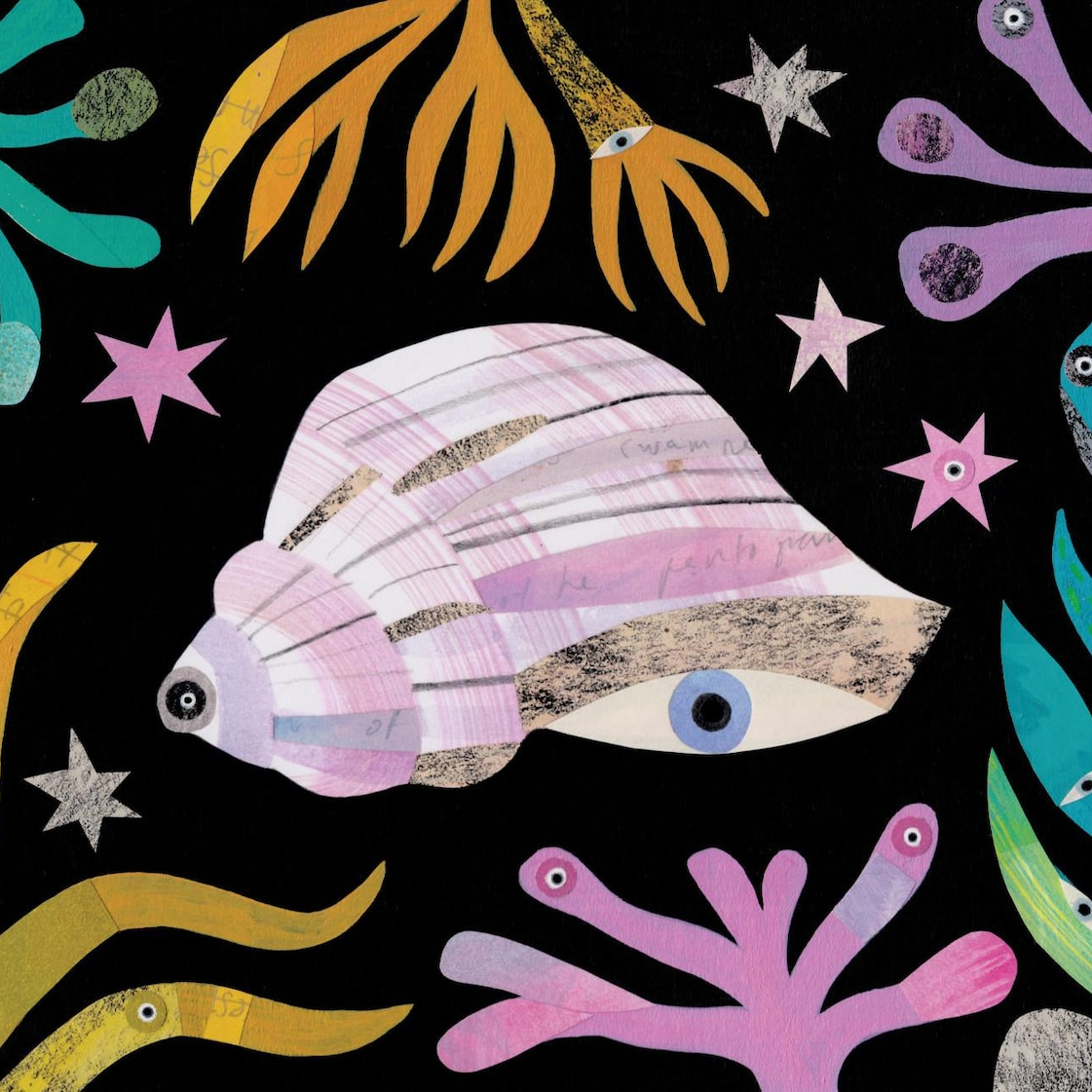
If we are to love our beautiful land, it’s also important to know what creatures live on it, and that includes under the sea!
Whelks are sea snails that have tough toothed teeth to drill open the shells of clams and other mollusks, to eat them. Those large ‘sea pearls’ you may find on beaches are their eggs, and although some are eaten by humans, the empty shells provide important habitats for hermit crabs.
Keeping beaches litter-free is important, to avoid hermit crabs making their homes in plastic containers etc.
Like the polar bears of the sea, the sense of smell is so good for whelks, they can often find dead or dying shellfish, by smell alone. They also tend to attack fish in nets, a good reason if you eat fish to avoid brands that use big nets that by-catch other creatures.
The Lightning Whelk is one of the few snails on earth that has a left-handed (sinistral) spiral, and it can change colour of its shell, depending on the food eaten.
If you were told to hold a whelk shell to your ear to ‘hear the ocean’, in fact it’s just the ambient noise around you amplified. Sorry!
Did you know that whelks are older than dinosaurs?
The importance of protecting whelk habitats
Whelks live in the UK and on nearby North Atlantic coasts, from sheltered estuaries to open shorelines. They prefer sandy and muddy seabeds, to party bury themselves for shelter. And also rocky coasts, especially tide pools where water stays cool.
In deep waters, kelp forests provide food and cover, while nearby sediment holds burrowing prey. Seagrass beds matter too, which are also important habitats for endangered sea turtles and seahorses.
The best way to help sea beds is to be a sustainable sailor, and avoid anchors, using new mooring devices instead. And to avoid harvesting seaweed, unless you’re an expert at sustainably ‘giving it a haircut (never remove from the roots).
Avoid turning stones at the beach (this can crush animals and also exposes them to sun and gulls). Also don’t disturb even egg shells, just leave everything where it is. Avoid litter on the beach and organise and join in local beach cleans.