Whitehall (a historic street in the city of London)
You may associate Whitehall with being the seat of government buildings (10 Downing Street branches off it). But this long road has a far richer history, and once was even home to a palace that was bigger than Versailles in Paris.
The palace was home to Henry VIII and once Europe’s largest residence, before a fire in 1698. Today the space is filled by the Cenotaph, the monument where people lay wreaths each year to remember veterans, on poppy day (thankfully now paper, not plastic – others choose to wear metal pins, including purple ones to remember animals lost in war).
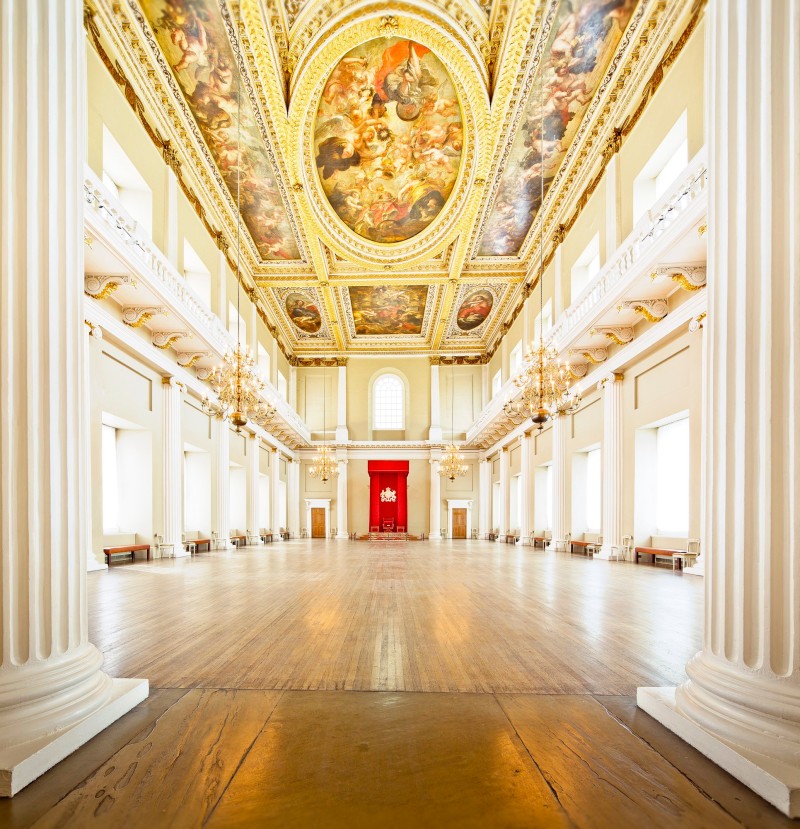
The Banqueting House is the only part of the palace that remains, with Italianate architecture, which shocked local people back in the day with the unique Palladian building and double-cube room. It also has a gruesome history, being where Charles I was executed in 1649.
Today Whitehall is the term given to government buildings, where most of the pen-pushing takes place. Here you’ll find the Treasury and Foreign Office, along with the offices for ministers, civil servants, the Commonwealth and Development Office and Ministry of Defence.
Some critics would say that in a country where people are homeless, children are going without food and winter fuel allowances are being cut, some of the jobs could be cut. A quick look at the jobs site for the Cabinet Office includes one (paying around £50K a year) for a Tik Tok social media producer, to ‘engage with millions of people with information that affects their lives’.