Yorkshire (Dales, Moors, River Wharfe & wild coast)
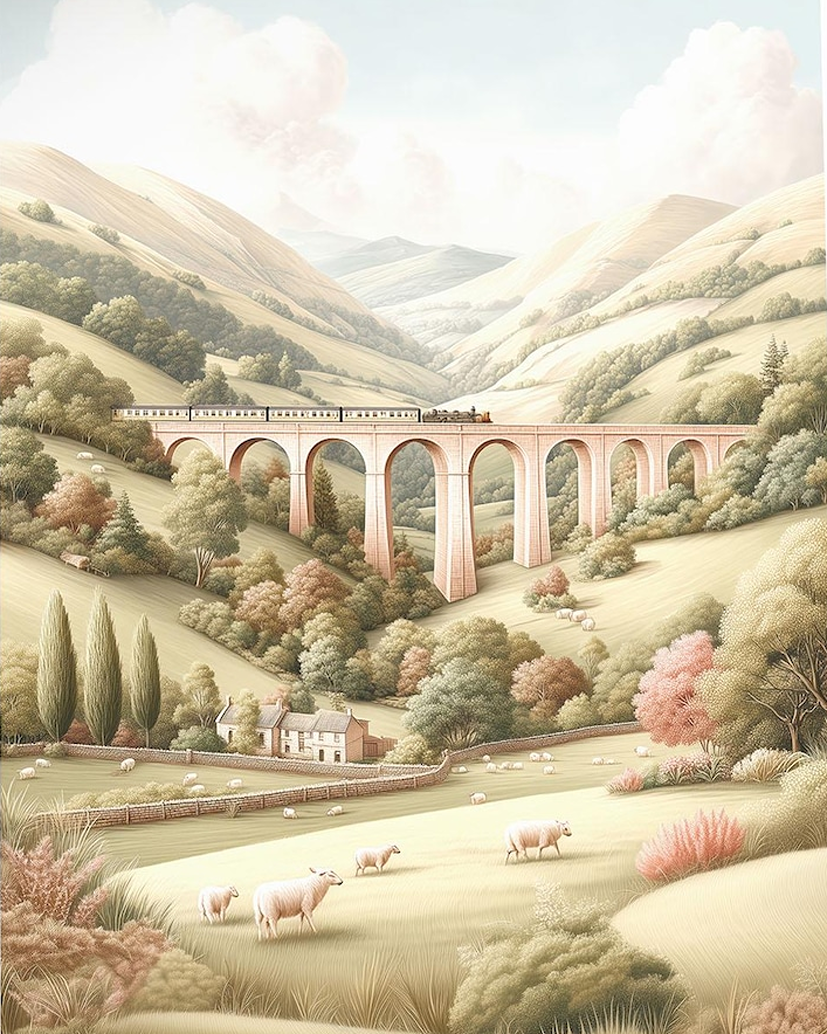
Yorkshire is England’s largest county, blessed with some of its most beautiful scenery. From the two national parks (Dales and Moors), the River Wharfe and a wild coast. As well as some beautiful cities and the quirky town of Hebden Bridge.
Always follow the Countryside Code to keep all creatures safe. Keep dogs away from steep banks, mushrooms (and toxic plants/trees) and on leads near birds, barnyard friends and wild ponies.
If at the coast, keep away from nesting birds and never walk on sand dunes. Learn how to keep dogs safe by the seaside (check beach bans before travel).
Join the campaign to ban flying rings, to help local seals.
How to upright an overturned sheep
Pregnant sheep (and sometimes due to wool waterlogged from rain) can sometimes roll over onto their backs, and can’t get back upright, due to having four stomach chambers (so will die if not turned back upright).
If you see a sheep on its back, just firmly right it back, then stay with it, until rain has drained off, so it won’t happen again. Then inform your local farmer.
The Yorkshire Dales (stone villages & waterfalls)
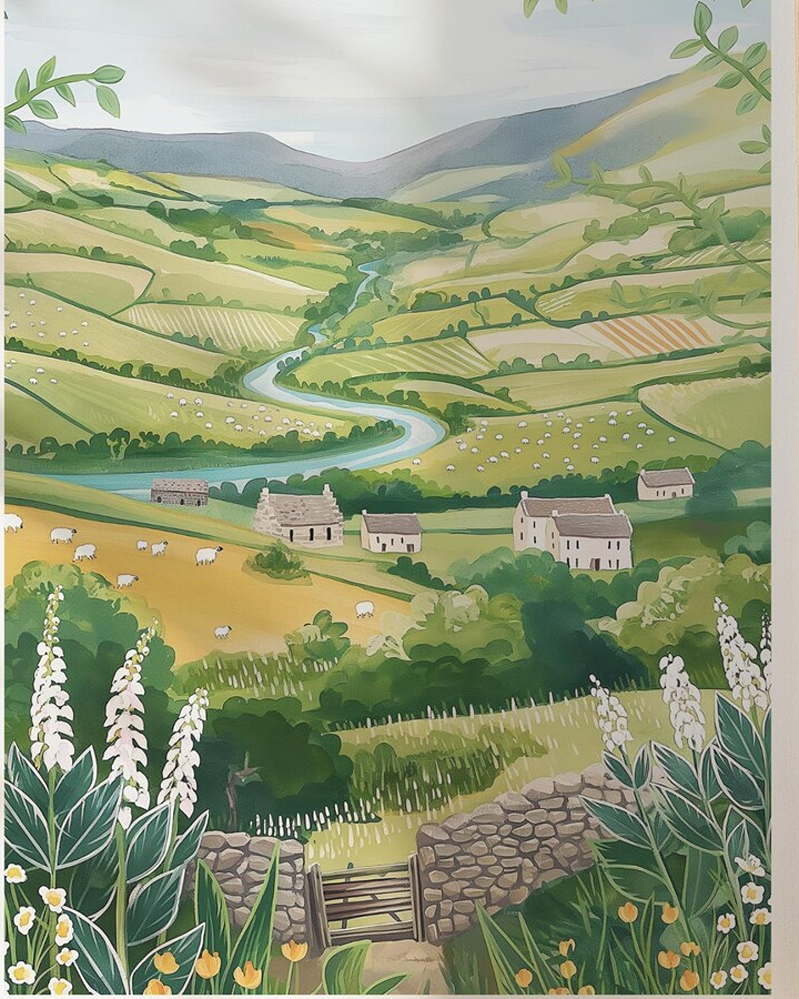
The Yorkshire Dales is home to many stone-built villages and dramatic waterfalls, amid heather moorland that stretches into Lancashire and Cumbria.
It’s home to 100 species of nesting birds, 30 species of mammals, 25 species of butterflies, 1000 species of moth and a unique moss not found elsewhere. Here also lives the brown long-eared bat (his ears much longer than his body!)
The Dales has complex cave systems including Gaping Gill, which features the highest unbroken underground waterfall. Here you’ll also find the famed Settle-to-Carlisle Railway and its 24-arch Ribblehead Viaduct.
The word ‘dale’ is from the 12th century Old English/Norse ford for ‘valley’. Alas today over 20% of the 13,000 plus buildings in the National Park are holiday homes, which prices local people out of buying their own homes, if they are on lower incomes than second home owners.
The North York Moors (heather and ancient trees)
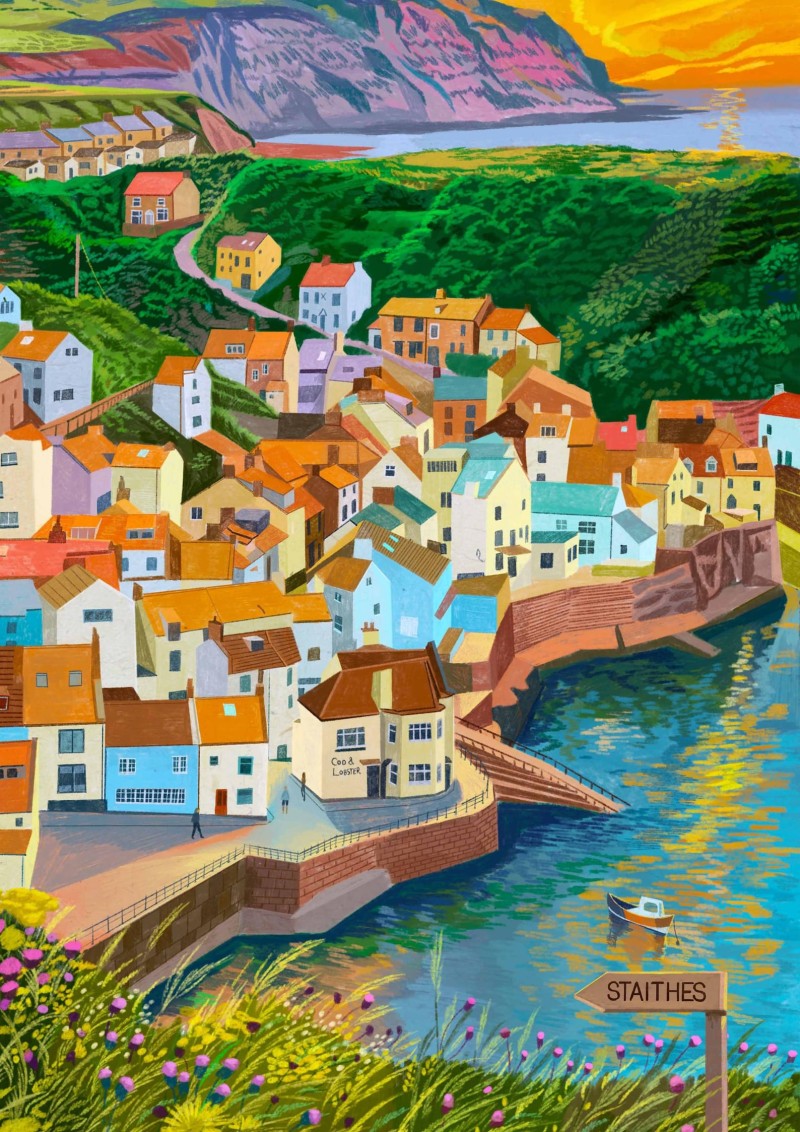
The North York Moors are wild and open, stretching from Thirsk and Helmsley to the Yorkshire coast at Whitby. Some valleys are dense with pine forest, while late summer bring purple heather that rolls over high moorland. This historic natural haven is a haven for walkers.
Covering 44,000 hectares, the North York Moors features on of England’s largest expanses of heather moorland, plus is home to many ground-nesting birds like golden plovers and merlins. It also has one of northern England’s largest concentrations of ancient trees.
Not just inland, this National Park stretches to the Jurassic cliffs of the Yorkshire coast, with ancient villages like Staithes and Robin Hood’s Bay (where you paddle your toes, at then of Wainwright’s Coast-to-Coast Walk, which begins in St Bees in Cumbria.
Hikers can follow the horseshoe-shaped Cleveland Way, which winds around the park for 109 miles. You can also take in plenty of star-gazing, as the Moors are a designated International Dark Sky Reserve.
In late summer, the open tops of the North York Moors turn purple, while the valleys below stay green and shaded. Heather runs over the high ground in broad sheets. Then, almost without warning, old woods gather in the folds of the land, with ash, oak, birch and twisted trunks catching the light.
Heather thrives on poor, acidic soils where many other plants do less well. Add wind, thin ground, and harsh winters, and the balance shifts even more in its favour. So the open tops support heath, grasses, and low shrubs rather than broad woodland.
Land use matters too. Grazing keeps young trees from taking hold in many places. In some areas, controlled cutting or burning has also shaped the heather into a patchwork of ages. That matters for wildlife as well as appearance. In short, the moors are natural, but they are also long-worked ground.
Walking the Wharfe (ode to a Yorkshire river)

Walking the Wharfe is by local boy Johno Ellison, who returns from living abroad to walk the entire length of the waterway where he grew up.
Retracing the steps of Victorian writer Edmund Bogg, he begins in the Vale of York, walking upstream to find Victorian spa towns and rare red kites that have returned, thanks to conservation initiatives.
He is seduced into wild swimming a chilly river (not the section notorious for reportedly drowning everyone who has ever tumbled into it). And seeks refuge in a candlelit pub, during a power blackout.
River Wharfe winds for 65 miles through the heart of Yorkshire. It begins in the village of Buckden, then flows through beautiful countryside, before joining the River Ouse.
The river is home to otters, kingfishers and herons, looking for fish. Rare wildflowers and mosses thrive on this river’s limestone edges.
Stay away from The Strid, a dangerous gorge where the river is forced through a gap of 12 feet. With underwater caverns, it has 100% mortality rate, for anyone who falls in. The water can rise 5 feet in minutes, and never increases in temperature, even in summer.
Hebden Bridge (a unique hill town in West Yorkshire)
Hebden Bridge is a unique hill town in West Yorkshire that (along with Whitstable in Kent) has more independent shops than anywhere in England. This hilly town used to have so many textile mills that it was called ‘trouser town!’ Many writers and artists make here their home.
Often called the ‘Glastonbury of the North’, this town was once called ‘the fourth funkiest town on earth’ by a travel magazine, and apparently has more indie shops than most other towns in England (even the cinema is independent).
As the town is built on steep valley hills, many houses are built directly into the hills, meaning that some have different street addresses, whether they are on the bottom or top floors! Some even require special flying freehold ownership.
No Starbucks or Costa Coffee here! Every coffee shop on Hebden Bridge’s high street is independently owned. It also has no major supermarkets, and no branch of McDonald’s or Dominoes Pizza.
The big supermarkets have all tried to build here, but met with fierce opposition from both local people and planners. It helps that the council here (unlike some other places) appear to have a backbone, in protecting independent shops and pubs.
The coastal resorts of East Yorkshire
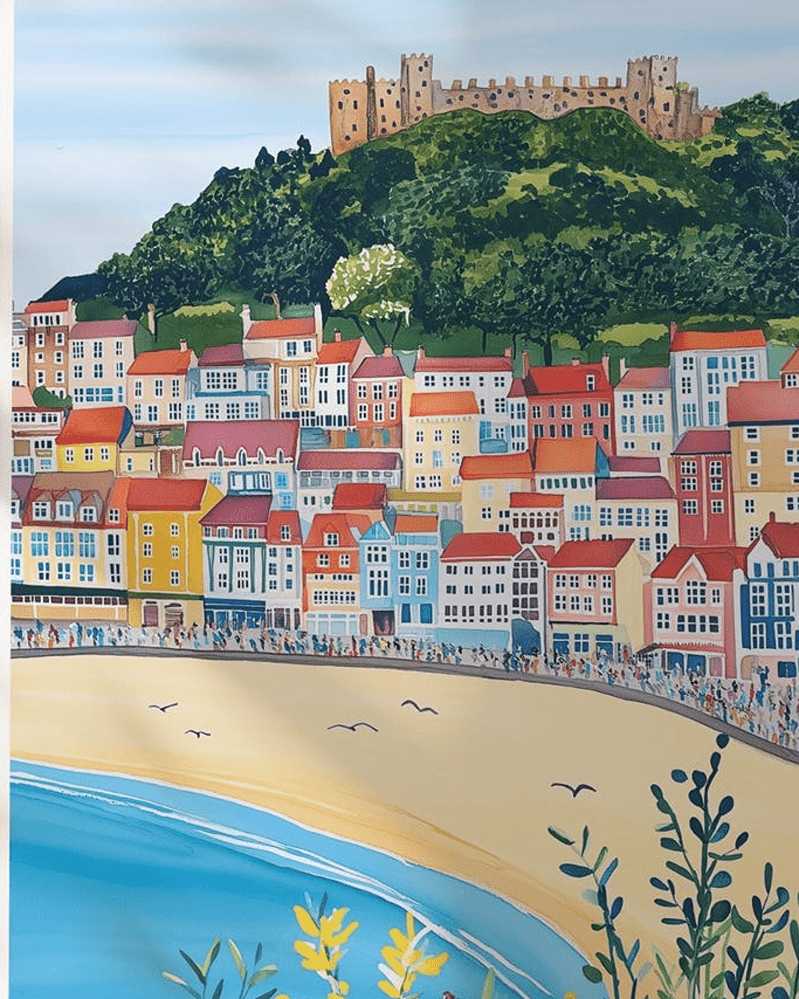
The oldest seaside resort in England is Scarborough (when local resident Elizabeth Farrow stumbled upon the healing waters of a local stream in 1626). Today it’s one of the most popular holiday destinations for people in northern England.
Scarborough remains one of the few resorts that still offers donkey rides (most parents now don’t see this as a form of ‘entertainment’ for children). The Donkey Sanctuary now oversee welfare, including weight limits for children, and ensuring the creatures have adequate shade, rest, food and water. Read more helping donkey friends (both here and abroad).
Filey is the ‘quiet alternative’ if you find Scarborough too busy. Known for its five-mile stretch of golden sand, it’s located between Scarborough and Bridlington, and has a quaint promenade and historic church. One fan was the writer Charlotte Brontë.
Saltburn-by-the-Sea is home to England’s oldest funicular railway, and the last remaining pleasure pier in Yorkshire. Founded as a resort by Quaker Henry Pease (a local pacifist Liberal MP) in 1861, it is home to many colourful beach huts.
Bridlington is popular with wild swimmers, and is split into an historic Old Town and a Quay area. It’s also home to Gypsey Race, the most easterly chalk stream in England. Bempton Cliffs just north of the town is home to one of England’s largest seabird colonies.
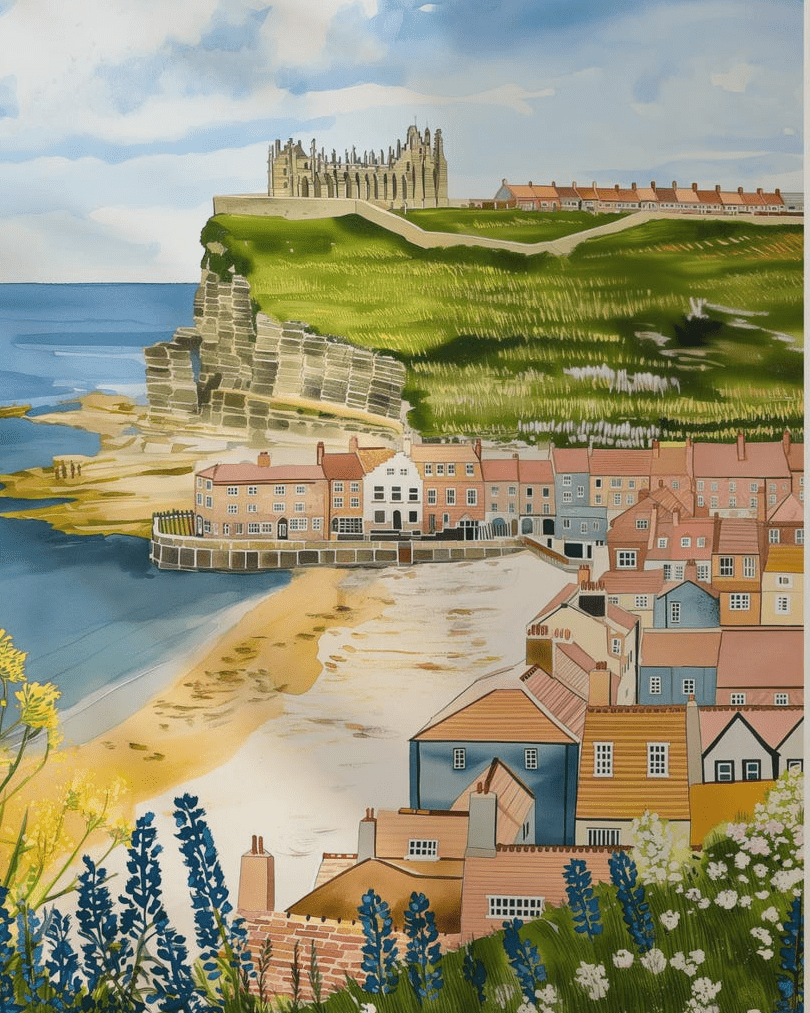
Whitby is one of the north east’s most popular holiday resorts, situated on the coast with a famous abbey and 199 steps to reach it.
Sadly it also has a history of whaling (and it’s inexplicable why the big whalebone still remains – we’ve removed slavery statues, why not this? – the town even used to hunt polar bears). Let’s celebrate the good things!
There is rare jet fossilised gemstone here, from the Jurassic period. Dinosaurs did not just live on the Isle of Wight! In Victorian times, this jet was popularised by Queen Victoria to be used as ‘mourning jewellery’.
It’s formed from fossilised Aracuaria pine wood (simple to the monkey puzzle tree) and is deep black, but unlike stone is not cold to the touch. Today in the sustainable age, it’s left where it is under the sand.
The inspiration for Count Dracula!
Bram Stoker stayed here for a while. And was so inspired by the eerie architecture, that it was what caused him to write the book Dracula. He was actually from Ireland, who studied mathematics at Trinity College, was a top athlete and worked as a civil servant at Dublin Castle, before moving to England where he managed London’s Lyceum Theatre for 27 years.
It’s said that while bedridden with a mystery illness until age 7, he would listen to his mother’s supernatural tales, which obviously stemmed his imagination for his future novel. However he never actually visited Transylvania, just Whitby!
After marrying a society beauty, he became part of London’s literary elite, friends with Sir Arthur Conan Doyle, who wrote the Sherlock Holmes books. But he died almost penniless, his grandnephew writing that he was ‘one the least known authors of one of the best known books ever written’. His death was hardly mentioned in the press, as he died just five days after the Titanic sank in 1912.
If you’ve never read the novel (and it’s not a genre for many of us who prefer Maeve Binchy novels!), the story is a Gothic horror novel about a vampire who had an aversion to garlic and sunlight, and had a heavy moustache, pointed ears and sharp teeth.
The Elegant Cities of Yorkshire
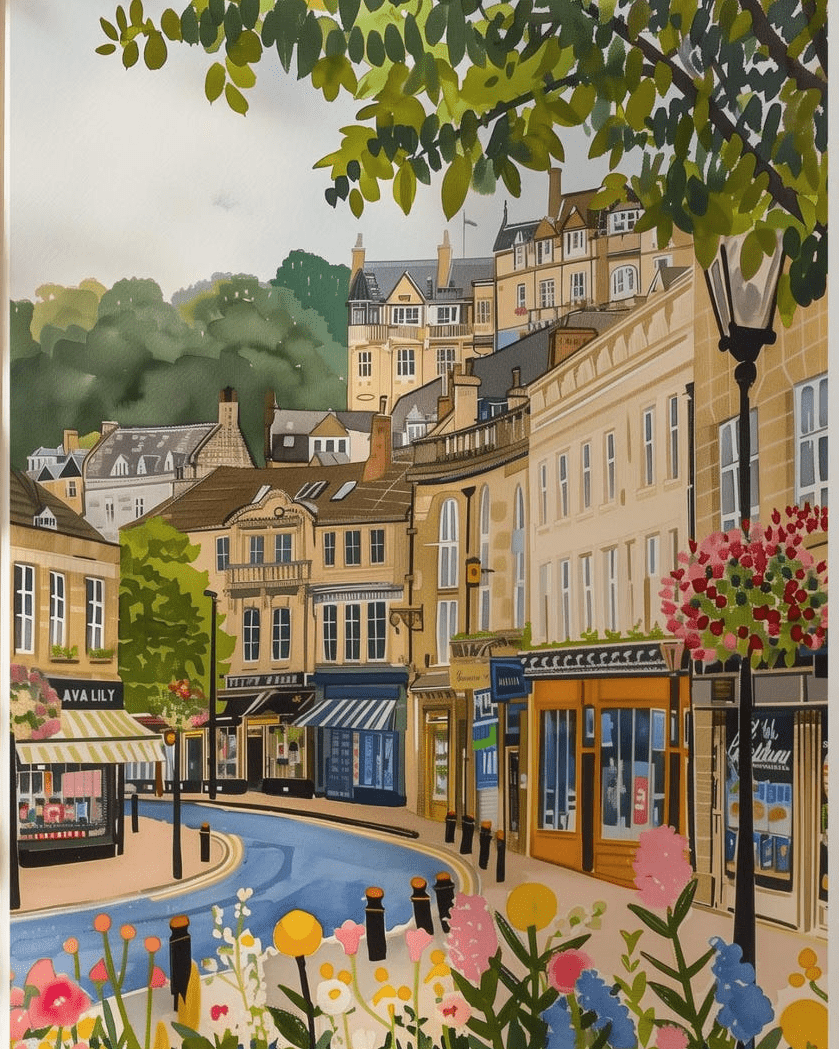
Harrogate is an elegant spa town in North Yorkshire, known for its beautiful floral displays (a bit like Cheltenham in Gloucestershire). It is also a spa town, with 88 mineral springs, developed from two villages (High and Low Harrogate).
Do you remember the story of how crime writer (likely now it’s thought in the middle of an amnesiac breakdown) went missing for a good while, with everyone looking for her? Well it was here that she was found in 1926, in the Old Swan Hotel.
Harrogate has been voted not just one of the happiest places to live (three times) but also the world’s most romantic destination, even beating Rome and Paris (mon dieu!)
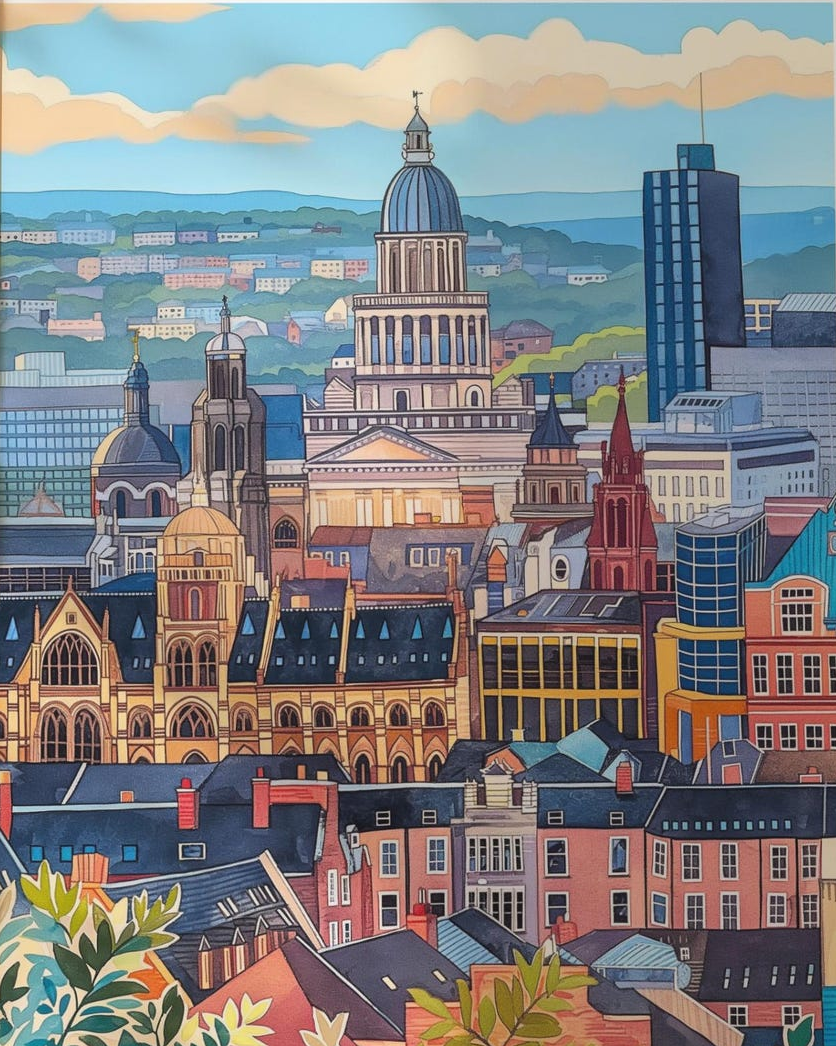
Leeds is one of England’s most busy and vibrant cities. If you like busy places, this may be a place to visit or live for you! It’s home to the world’s oldest working railway and Europe’s oldest Caribbean carnival. It also has a city clock that runs anti-clockwise!
Despite being an urban city, is home to Roundhay Park, which at over 700 acres is one of the largest in Europe. It features a replica Monet garden and two large manmade lakes.
A huge clean-up operation ensued after World War I, when weapons were dumped into the lake following an amnesty. Urban explorers also have found a series of underground tunnels. The park was formerly a hunting ground. But thankfully now the deer are safe, as are local swans and woodpeckers.
The park used to be privately owned. But in 1871, Leeds City Council bought the estate for public use. Now people are thankful, though back in the day the purchase was seen as a ‘waste of money’, due to being too far from the city centre. How times change!
Other cities of Yorkshire
- York has cobbled streets and a Gothic cathedral
- Sheffield is near the Peak District National Park.
- Bradford is ‘the curry capital of England!
- Kingston upon Hull sits on the Humber Estuary
- Wakefield is near the Pennines
- Doncaster has a lively market
- Ripon is Yorkshire’s smallest city