Zero Waste Bath (Royal Crescent and ancient Roman baths)
Bath is famous for its historic architecture and hot springs, but nature is woven throughout the city and its surrounding landscape. The River Avon runs through Bath, while wooded hills, limestone grasslands, parks, gardens and streams create a varied network of habitats.
The nearby Cotswolds and Mendip Hills add further countryside and wildlife corridors. These places support birds, bats, pollinating insects, fish, amphibians and many other species. Trees provide shade, rivers and green spaces offer places to walk and relax, and healthy soils and vegetation can help manage rainwater.
If out walking, follow the Countryside Code to keep all creatures safe. Keep dogs away from steep banks, mushrooms, cliffs and toxic plants/trees. If at the coast, read how to keep dogs safe by the seaside.
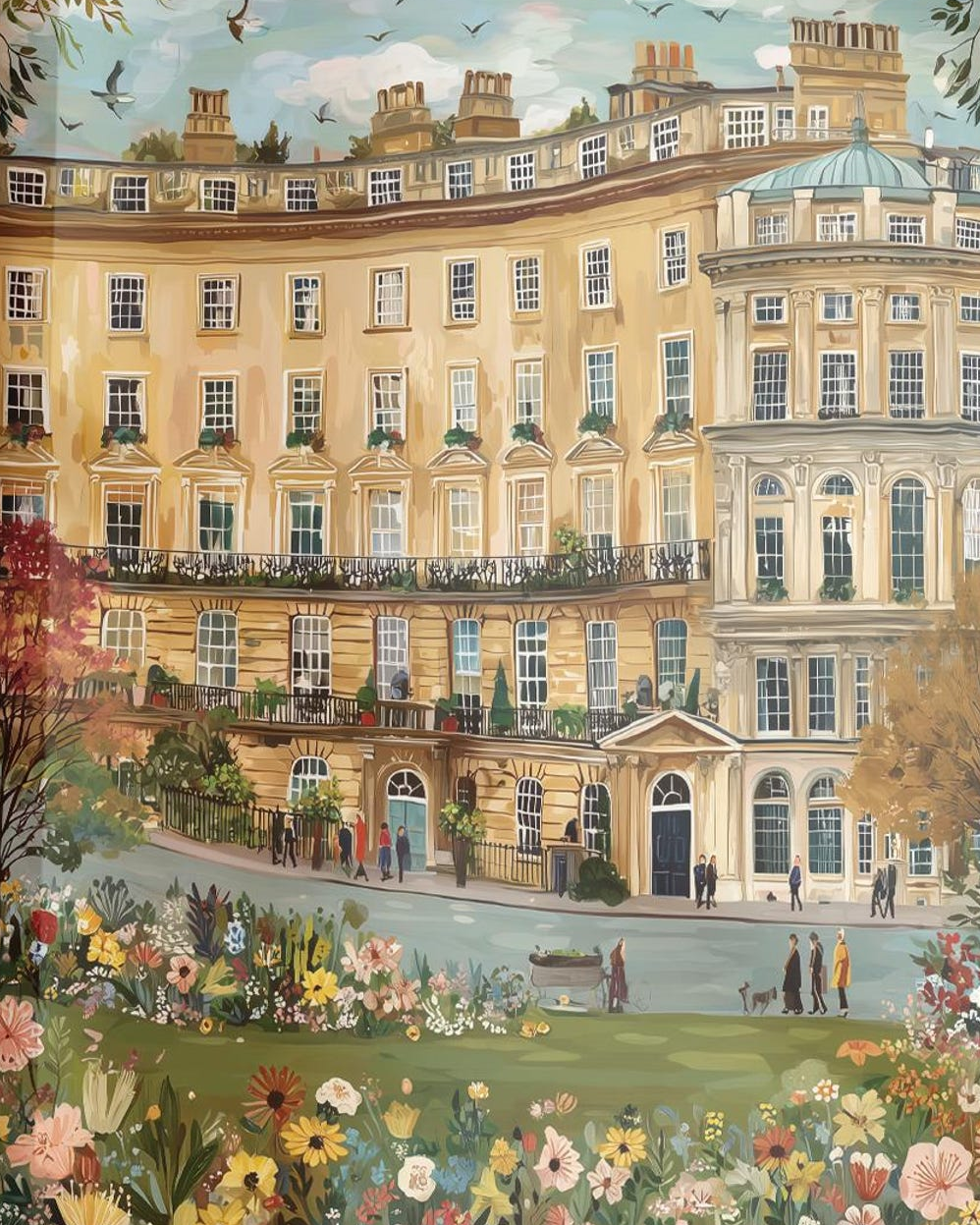
Few buildings capture the elegance of Georgian England quite like the Royal Crescent in Bath. With its sweeping curve of honey-coloured stone, grand columns and views across the surrounding parkland, it has become one of the city’s most recognisable landmarks.
Designed by the architect John Wood the Younger, the Royal Crescent was built between 1767 and 1774. Its distinctive crescent shape was an ambitious piece of architecture, creating an impressive row of thirty terraced houses overlooking what is now Royal Victoria Park.
Why protecting nature in Bath matters
Healthy habitats support wildlife and provide important benefits for people. Rivers and streams sustain aquatic life and can help hold water. Woodlands provide shelter and shade, while grasslands, hedgerows and ponds offer places for wildlife to feed, breed and move through the landscape.
Bath’s setting in a steep-sided valley makes its green spaces and waterways especially important. The River Avon and its tributaries link habitats through the city and into the surrounding countryside. Parks, gardens, allotments, churchyards and roadside verges can add further habitat, particularly when they connect larger green spaces.
These places are most valuable when they are connected. Wildlife needs safe places to feed, shelter and breed, as well as routes between them. Nature reserves are vital, but gardens, parks, field margins and hedgerows can also help create a connected landscape.
Nature areas to explore in Bath
Bath and the surrounding area have many places where people can experience nature. Access, facilities and seasonal restrictions vary, so check the relevant land manager’s guidance before visiting.
The Bath Skyline is a National Trust walking route through woodland, fields and open countryside above the city. It offers views across Bath and passes through a changing landscape of habitats.
Prior Park Landscape Garden is a historic landscape managed by the National Trust. Its gardens, woodland, paths and water features provide a place to enjoy the outdoors and can offer habitat for wildlife.
Royal Victoria Park is a large public park with lawns, trees, planted areas and paths. Urban parks can provide valuable habitat as well as recreational space, particularly where they include mature trees and less intensively managed areas.
The River Avon and Kennet Canal form important waterside corridors through Bath. Their banks and nearby green spaces can support wildlife, while towpaths and riverside routes offer opportunities for walking.
Ancient waters: the history of Bath’s Roman baths
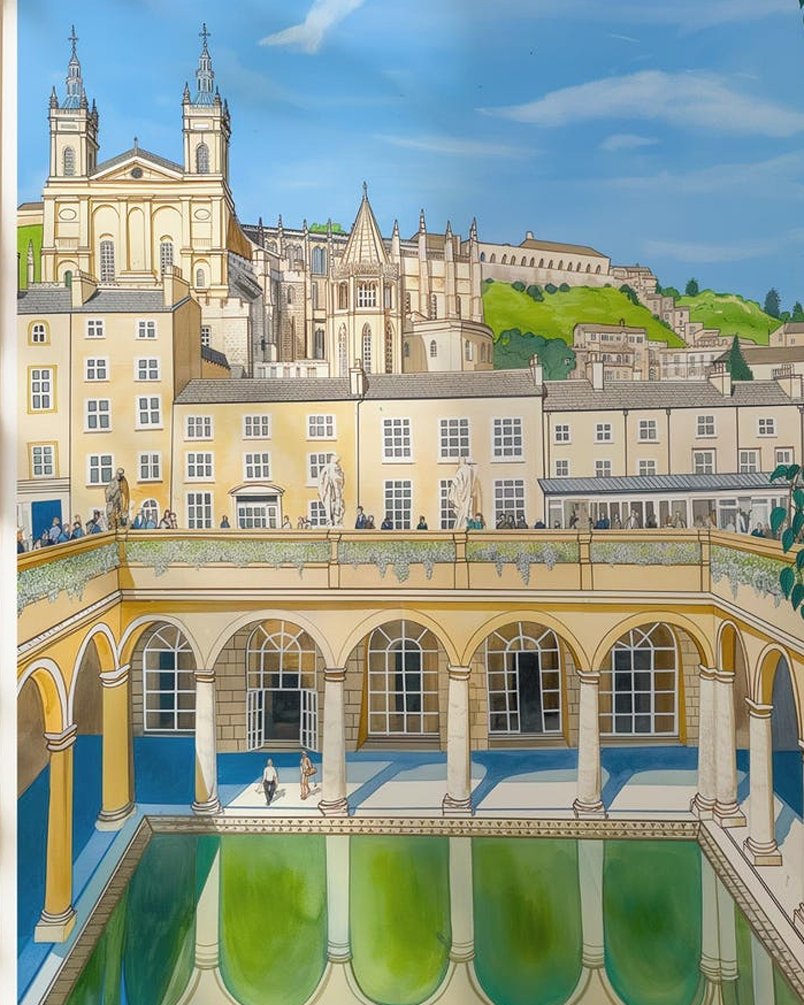
In the heart of the historic city of Bath lies one of England’s most remarkable archaeological sites: the Roman Baths. Built around Britain’s only natural thermal spa, the complex offers a fascinating glimpse into life almost 2,000 years ago.
The story begins long before the Romans arrived. The hot springs at Bath were a natural wonder, with warm water rising from deep beneath the ground. Local tradition associates the springs with the Celtic goddess Sulis.
The Great Bath is perhaps the most recognisable feature. Surrounded by large stone columns and architectural remains, it would once have been an impressive place to visit. The pool was supplied with naturally hot spring water and was an important part of the Roman bathing experience.
Not just for bathing
But the Roman Baths were about much more than simply getting clean. Roman bathing could be a social activity, providing opportunities for people to meet, talk and relax.
Bathing complexes could contain different rooms and facilities, including hot, warm and cold areas, allowing visitors to experience different temperatures.
The religious importance of the site was equally significant. A temple dedicated to Sulis Minerva stood beside the baths, and visitors could make offerings and pray to the goddess. Archaeologists have discovered thousands of objects connected with the site, including coins and jewellery.
Pulteney Bridge: inspired by Florence’s Ponte Vecchio
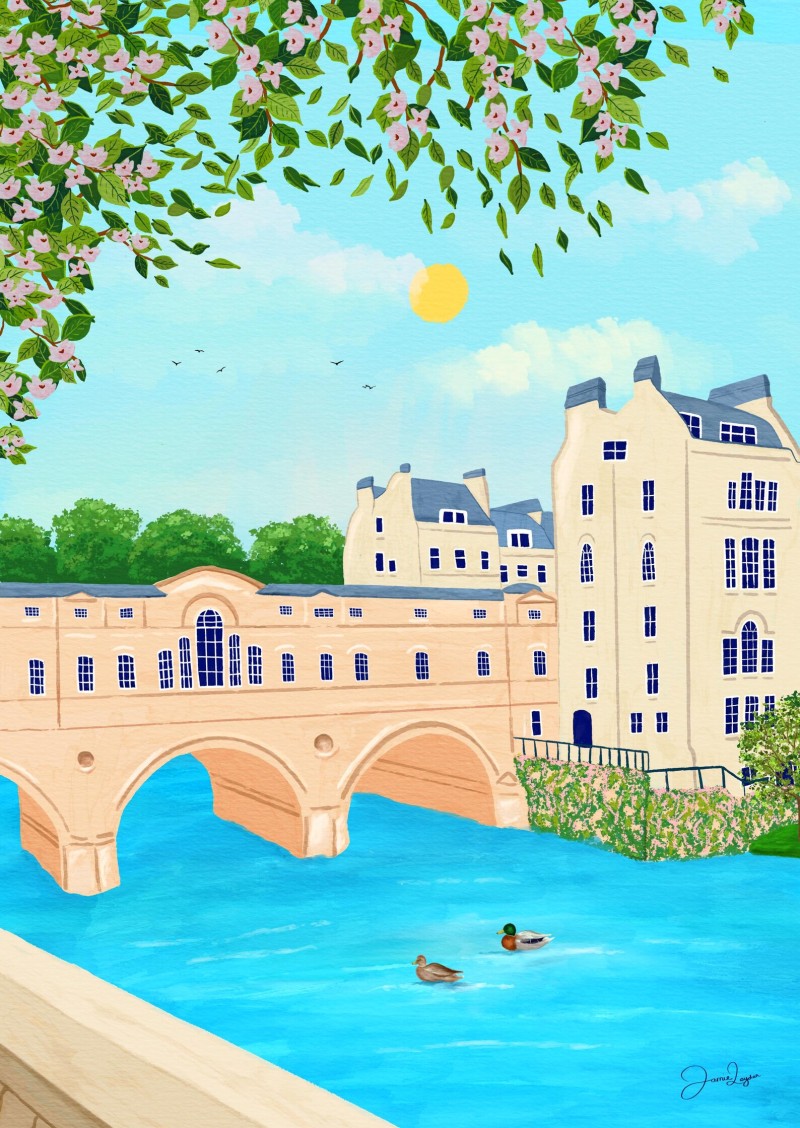
Few places in Bath capture the city’s Georgian elegance quite like Pulteney Bridge. Spanning the River Avon, this beautiful stone bridge is far more than a way to cross the water. With its distinctive shops, graceful arches and fascinating history, it has become one of Bath’s best-known landmarks.
Located close to the city centre, Pulteney Bridge was commissioned by William Johnstone Pulteney, who wanted to develop the area around Bathwick on the opposite side of the river.
The bridge was designed by the architects Robert Adam and Thomas Baldwin, and construction began in the 1770s. It was completed in 1774.
What makes Pulteney Bridge particularly unusual is that it was designed with buildings incorporated into it. Rather than being an empty crossing, it resembles a small street suspended above the river. Shops line both sides, giving the bridge a character that makes it quite different from many historic bridges.
Inspired by a bridge in Florence, Italy
The bridge was inspired in part by the Ponte Vecchio in Florence, another famous bridge known for its shops. However, Pulteney Bridge is closely associated with Bath’s Georgian architecture.
One of the best ways to appreciate the bridge is to walk across it and take time to look at the details. From the bridge, there are views towards the weir and the River Avon, while the surrounding buildings provide a wonderful sense of Bath’s historic character.
The weir itself is another attraction. The curved structure creates a dramatic cascade of water beneath the bridge and has become one of the most recognisable views in the city.
But perhaps the greatest pleasure of visiting Pulteney Bridge is simply experiencing it as part of Bath. It is not a monument that has been separated from everyday life.
The bridge also forms part of a wider historic landscape. Bath is renowned for its Georgian architecture and its Roman heritage, and walking through the city reveals layers of history around almost every corner. Pulteney Bridge fits naturally into this setting, combining practical engineering with elegant design.