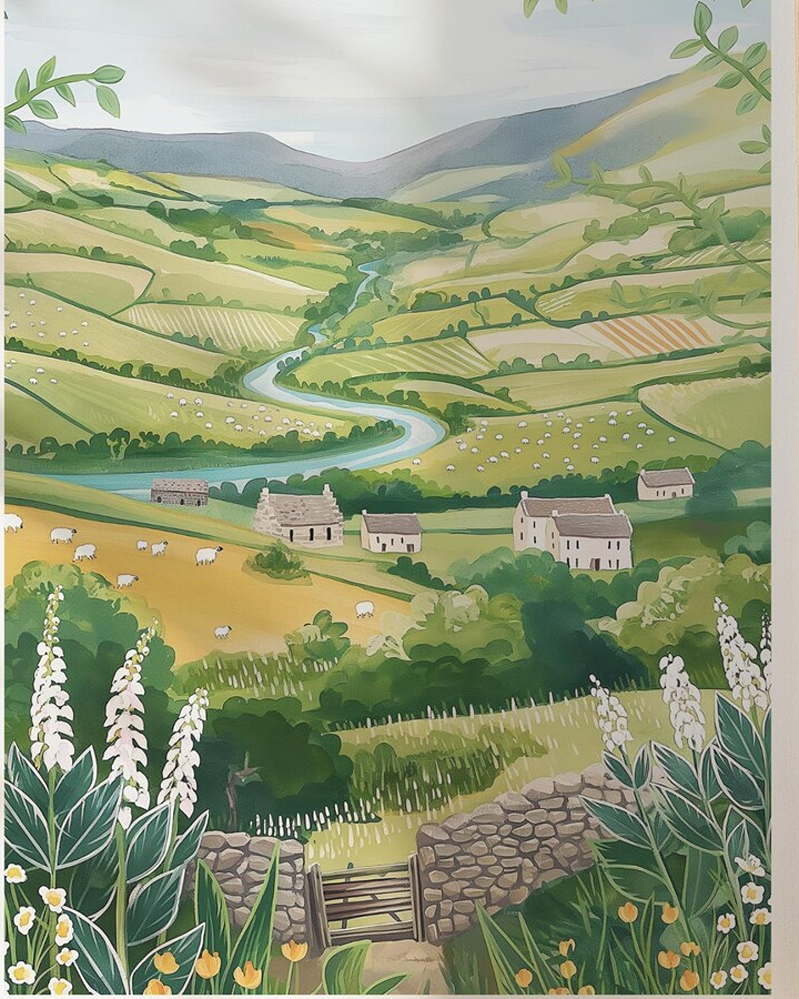
Zero Waste Hiking: Eco-Friendly Trail Tips

Zero waste hiking follows the ‘leave no trace’ principle, first created in the USA to encourage people to never leave single-use packaging or other trash on their trails. By swapping disposable gear for durable alternatives, buying food in bulk and carrying your waste from the mountains, you can help to preserve England’s fragile wild landscapes and natioanl parks.
Follow mountain camping etiquette
Try to use formal campsites with good environmental credentials if you can.
If wild camping is allowed, only use locations to camp above the highest wall lines, and out of sight of civiliation. Stay for one night online, pitch your camp late and early. Pitch tents on well-drained ground that won’t be damaged, and don’t leave tents up during the day. Also take your tents back with you, when you leave.
Don’t use camp fires or barbecues
Both are highly dangerous to nature and wildlife in mountain landscapes. Don’t use any open flame during high fire risk periods, and if cooking, use a safe camping stove instead. Never smoke up mountains (use a personal ashtray that immediately extinguishes cigarettes if you decide you’re going to anyway).
Avoid light (and noise) pollution
Use solar or kinetic lamps on their lowest setting around camp. To avoid light (and noise) disturbing birds and wildlife (and other people).
Keep group sizes small. Large groups of hikers have a bigger environmental impact.
Use a reusable travel mug (for drinks or soup)

Take a reusable travel mug with you for hot drinks or soup. These can keep drinks and soup hot (or cold) for several hours, and are easily washed and used again, for many years.
Choose reusable cotton wet wipes
Forget wet wipes (these are made from plastic and never break down in England’s damp peaty soil. Instead, take a reusable cotton wet wipe with you, made from biodegradable materials. Store them in a ziplock bag to take home, at the end of your hike.
Choose biodegradable soap and toothpaste
Don’t take standard soap or toothpaste with you, as again these can pollute local waterways. Opt for natural soaps and tooth powders, but still wash or clean your teeth at least 50m away from natural water sources.
Plastic-free outdoor dining
Replace single-use plastic wrap with silicone food bags or reusable lunch boxes. If not eating with your hands, use zero waste cutlery.
Take all your food waste with you
Although they are biodegradable, fruit peels (and apple cores) and nut shells all take a long tme to break down on mountains and trails, especially in English weather. This can attract all kinds of issues, so take your food waste with you, to safely bin or recycle later on.
Wear waterproof vegan hiking boots
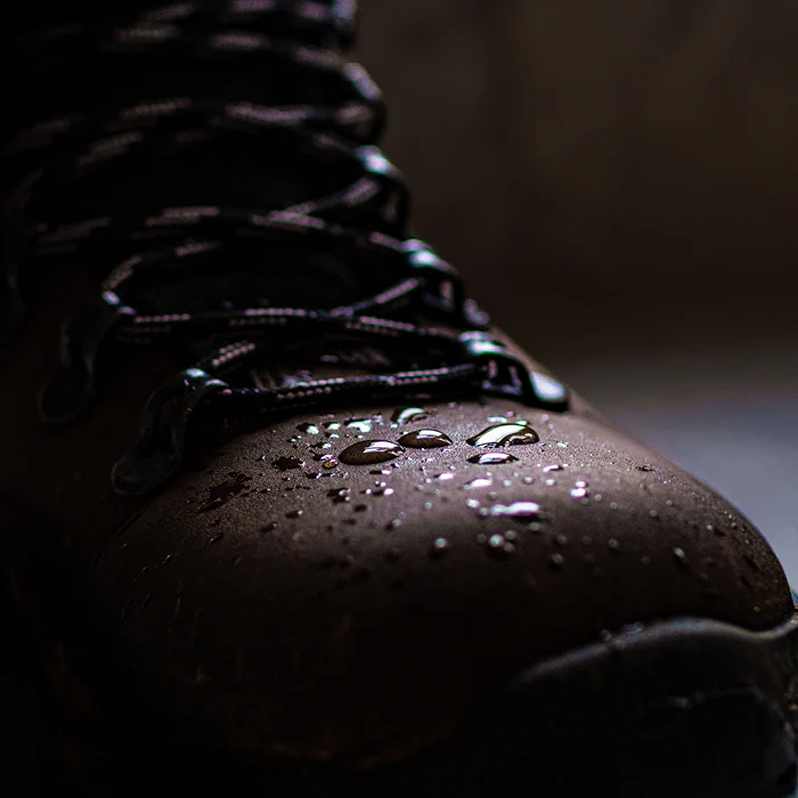
Invest in a good pair of waterproof vegan hiking boots, if you regularly climb mountains or trails. These are animal-kind, easy to clean and last for years. Made in Tunisia, the suppers are scuff-resistant and are fully waterproof with sealed seams, a bellows tongue and a special breathable membrane.
The Vibram rubber injection outsole has been designed for grip, traction and stability. And the footbed is super comfortable. Also in black.
Use this discount code for automatic £10 off your order.
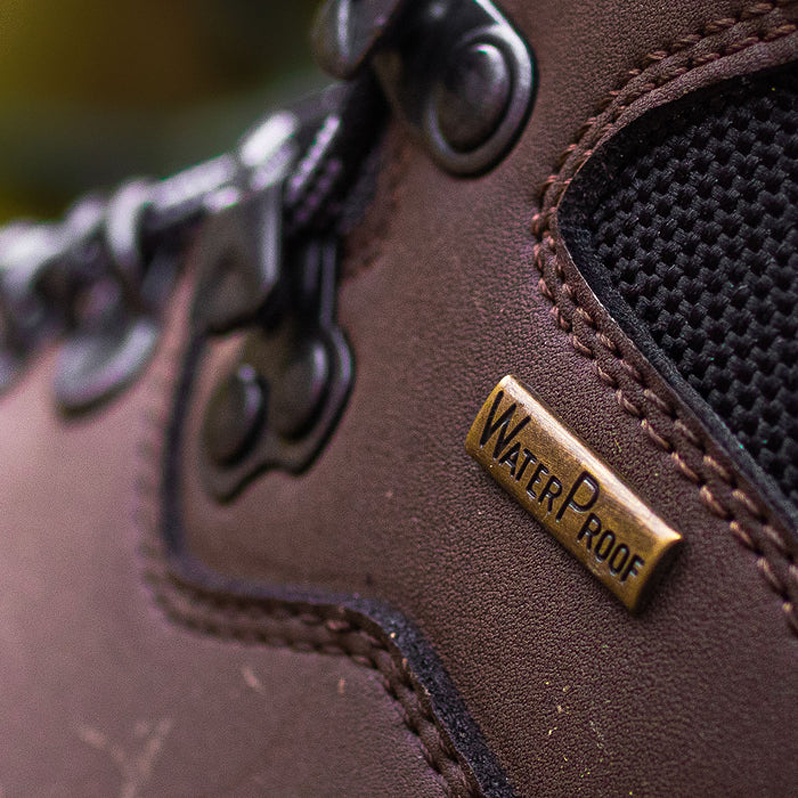
Made in Tunisia, the uppers are scuff-resistant with sealed seams, a bellows tongue and a breathable membrane. The Vibram rubber injection outsole has been designed for grip, traction and stability. And the footbed is super comfortable. Also in black.
Vegan leathers are not just kinder to animals, but also better for the planet, as there are no chemicals needed to tan the leather (which also is harmful to people who work in tanneries, with higher cancer risks).
To clean vegan shoes or boots, just wipe with a damp cloth (to remove oil stains, apply a little baking soda to absorb). Remove stains with a zero waste cotton bud dipped in rubbing alcohol. Dry wet boots in the shade (avoid direct sun or heat)
Hiking toilet etiquette
If caught out without facilities, dig a cat hole at least 15cm deep and bury human waste, use zero waste bathroom tissue in a sealed bag.
Follow the Countryside Code
Follow the Countryside Code to help dogs and livestock safe. Read our post on humane dog training, to keep dogs under control near sheep (if in doubt, don’t walk nearby). Put dogs on leads on Open Access land (a legal requirement between 1 March and 31 July).
Don’t take dogs near high peaks or cliffs. If hiking low slopes with (fit) dogs, Nearly Uphill has good safety tips. At the coast, keep away from nesting birds and sand dunes. Learn how to keep dogs safe by the seaside (check beach bans before travel).
If you see a sheep on its back (due to pregnancy or rain-soaked wool), grab a handful of wool on the sheep’s side and gently roll it away from you, to right it back up. Then stay with it, until the sheep recovers and rain has drained off the wool. Sheep stomachs will ferment grass even when upside down, so they will die if nobody uprights them.
Report farm animal concerns first to farmers with a friendly word. If no joy, call RSPCA or Crimestoppers (anonymous).