Zero-Waste Northumberland (refill shops, coast and wildlife)
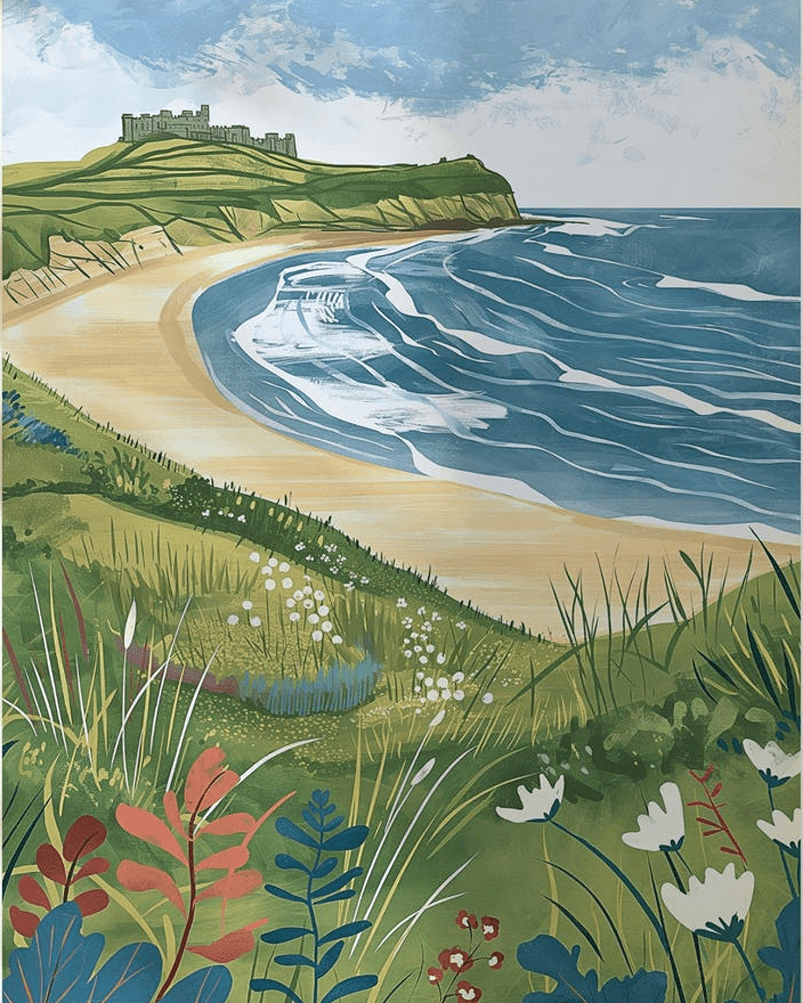
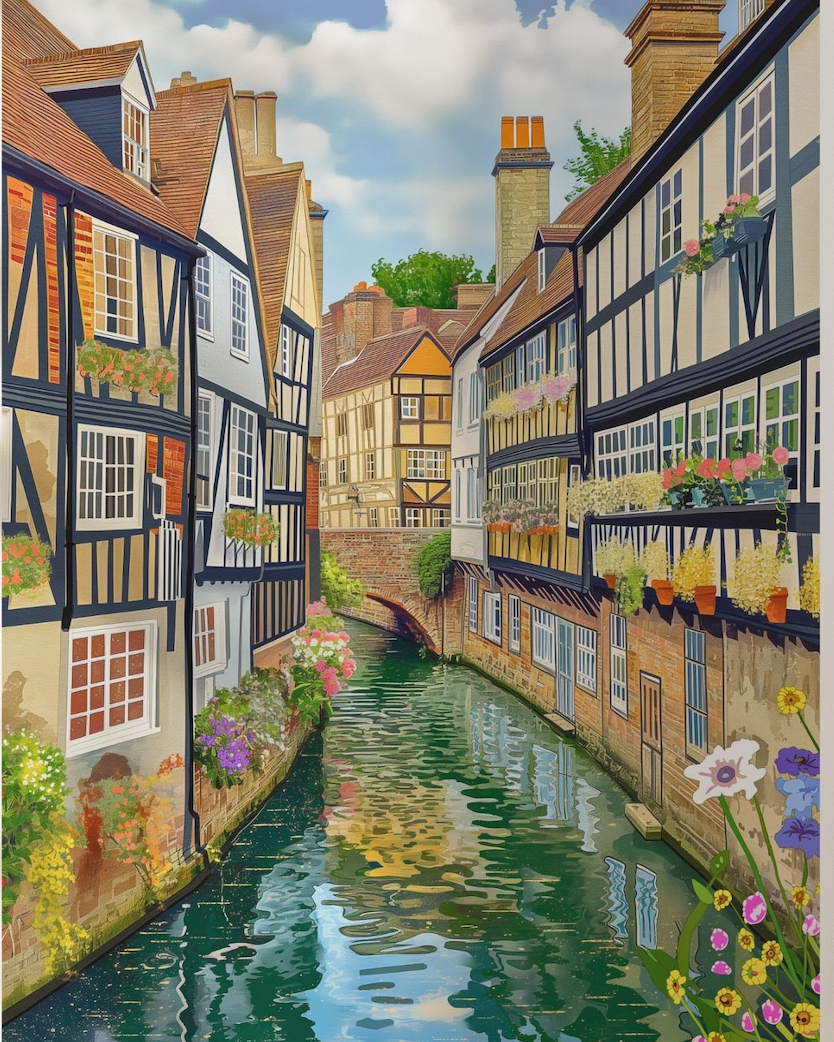
Art by Ava Lily
Northumberland’s wide-open landscapes—from the Cheviot Hills and Northumberland National Park to river valleys, coastal dunes and islands—make it a special place to explore.
The county’s habitats support seabirds, seals, otters, red squirrels (pine trees shows they can be saved without culling greys), bats, butterflies and rare plants. They also provide benefits for people: woodlands offer shade and shelter, wetlands help store water, and the coast gives space.
Looking after these places is closely connected to everyday choices. Reducing packaging, reusing containers, supporting independent shops and taking litter home can all help make communities and natural spaces healthier. Refill shopping is one practical part of a lower-waste lifestyle.
What does zero waste mean?
Zero waste is an approach to reducing the resources we use and the rubbish we send for disposal. It does not mean that every household can avoid all waste. Packaging may be needed for safety, hygiene or transport, and access to refill shops varies across a large rural county.
A practical approach is to avoid unnecessary purchases, reuse what you already own, repair or share items where possible, and recycle materials accepted by your local council. Refilling can help reduce some packaging, but it is one option among many—not a requirement for living more sustainably.
Choose unscented items for pregnancy/nursing or near babies/pets (and xylitol-free dental care if you live with animal friends). If buying plants, read up on pet-friendly gardens (and how to stop birds flying into windows).
Refill shops in Northumberland
Refill shops allow customers to buy selected products without needing a new single-use container each time. Depending on the shop, the range may include dry foods, household cleaning products or toiletries.
The usual process is simple: bring a suitable container, have it weighed, fill it with the amount you need and pay for the contents. Shop procedures and product ranges vary, so check current details before travelling.
- The Green Shop (Berwick-upon-Tweed)
- A World of Difference (Alnwick)
How to shop at a refill store
A little preparation can make your first refill visit straightforward.
- Check before you go. Confirm opening hours, stock and container rules.
- Bring clean, dry containers. Use a container that is easy to fill.
- Have containers weighed. The empty weight, often called the tare weight, is recorded so you pay for the contents.
- Fill carefully. Follow the shop’s instructions and avoid mixing products.
- Keep the product information. Label containers at home and retain ingredient, allergen or safety details where relevant.
You do not need to buy a matching set of jars before you start. Reuse suitable containers you already own, and ask staff if you are unsure whether a particular bottle or tub is appropriate.
What can you refill?
Refill ranges differ between shops. Some may offer dry foods such as pasta, rice, oats, lentils, beans, nuts, seeds, tea or spices. Others may stock household liquids, laundry products, hand wash, shampoo or conditioner.
Buying a smaller quantity can be useful when you are trying an ingredient or have limited storage. It can also help prevent unused products from sitting in a cupboard. Choose an amount you are likely to use.
Is refill shopping cheaper?
Sometimes, but not always. Prices vary by product and retailer. Compare costs by weight or volume, and consider how much you will actually use.
Refills are most useful when they fit your needs. If a local shop is inconvenient or a product does not suit your budget, you can still reduce waste in other ways.
Zero-waste habits beyond refilling
Reduce food waste
Food waste uses resources and can add to household costs. Before shopping, check your fridge, freezer and cupboards. Plan a few meals around what needs using, store food appropriately and use older items first.
Buying in bulk only helps if you can use the product. Consider your household size, storage space and cooking habits before choosing a large quantity.
Reuse before buying new
Jars, bags and containers can often be reused at home. A reusable bottle or shopping bag is useful when it replaces disposable alternatives over time, but there is no need to replace a perfectly good item with a new “eco” version.
Before buying a replacement, consider whether you can repair, borrow or buy the item second-hand. This can work well for clothing, furniture, tools, books and equipment used only occasionally.
Recycle according to local guidance
Recycling rules can differ between local authorities. Check your council’s current guidance for what can go in household collections and how items should be prepared. Recycling is important, but reducing and reusing can prevent some waste from being created in the first place.
Protecting Northumberland’s landscapes
Northumberland’s natural environment ranges from upland moorland and grassland to forests, river valleys, farmland and a long coastline. These habitats are most valuable when they are connected, allowing wildlife to move between places to feed, shelter and breed.
If out walking, follow the Countryside Code to keep all creatures safe (learn how to upright an overturned sheep). Keep dogs away from steep banks, mushrooms, cliffs and toxic plants/trees.
Never walk on sand dunes. Keep dogs away from nesting coastal birds and seals (and never use flying rings). Read more on how to keep dogs safe by the seaside (check for beach bans, before travel).
- The Northumberland Coast Path passes beaches, dunes, villages, castles and wildlife habitats. Some sections are relatively flat and easy to walk; others involve rougher terrain. Walking offers a chance to notice details that can be missed from the road, from coastal plants to birds feeding along the shore.
- Beadnell Bay is a curved stretch of sandy coastline with attractive views and ecologically important dunes. Nearby Embleton Bay is a long sandy beach beneath the ruins of Dunstanburgh Castle.
- Alnmouth, near the mouth of the River Aln, is known for its sandy beach and colourful houses. Warkworth lies slightly inland from the open coast and is another attractive base for exploring the area.
- Lindisfarne, also known as Holy Island, is a tidal island reached by a causeway that is covered by the sea at certain times. The island’s mudflats and shoreline are important habitats. It is a tidal island, meaning that access is possible by road only at certain times.
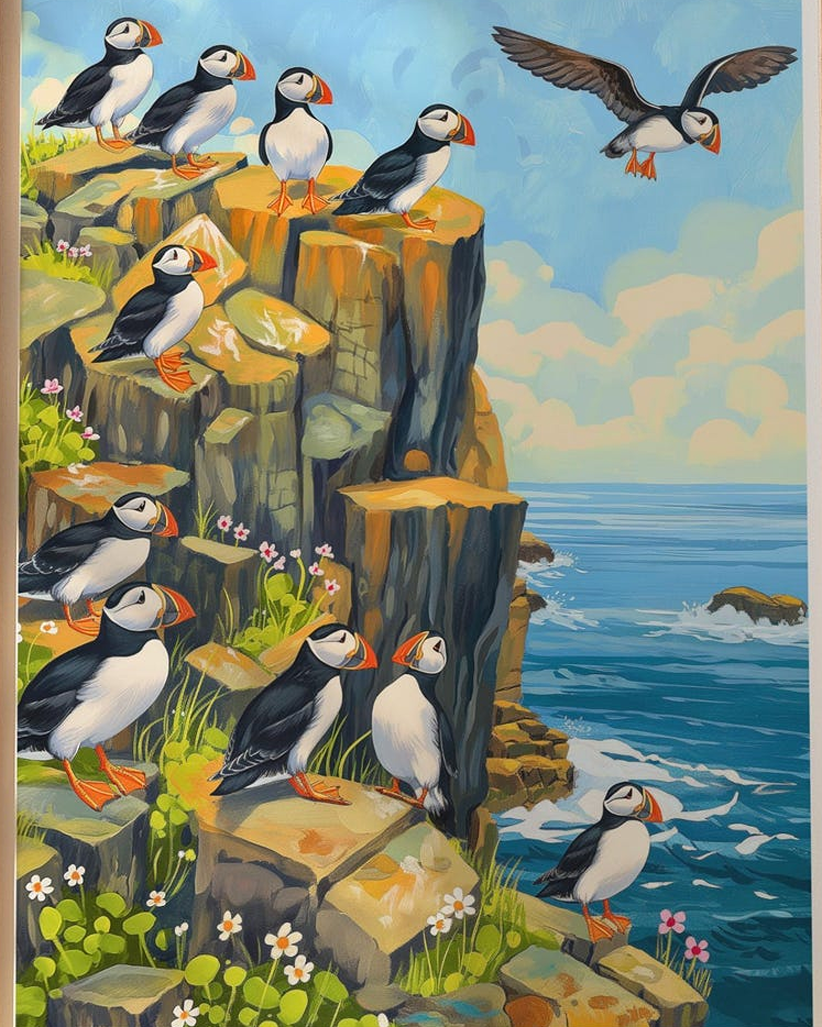
- The Farne Islands are a group of islands off the Northumberland coast, famous for seabird colonies, grey seals and dramatic shorelines. During the breeding season, puffins, Arctic terns, guillemots, razorbills, shags, cormorants, fulmars and kittiwakes can be seen around the islands.
Dogs are not allowed on the Farne Islands, due to wildlife. Also you must zip up bags and not take plants or food over, to avoid transmitting disease.
Low-waste choices to help Northumberland
Refill shopping is a practical way to reduce some packaging. You can also support Northumberland’s independent shops by choosing local businesses for purchases already on your list, recommending them to others.
Supporting local does not mean buying more; it means making thoughtful choices about where and how you shop. Start with small swaps, like taking litter home after a coastal walk. These small actions, alongside respecting wildlife and fragile habitats, can help keep Northumberland’s communities and landscapes thriving.