Zero Waste West Midlands: Birmingham, Wolverhampton and Coventry
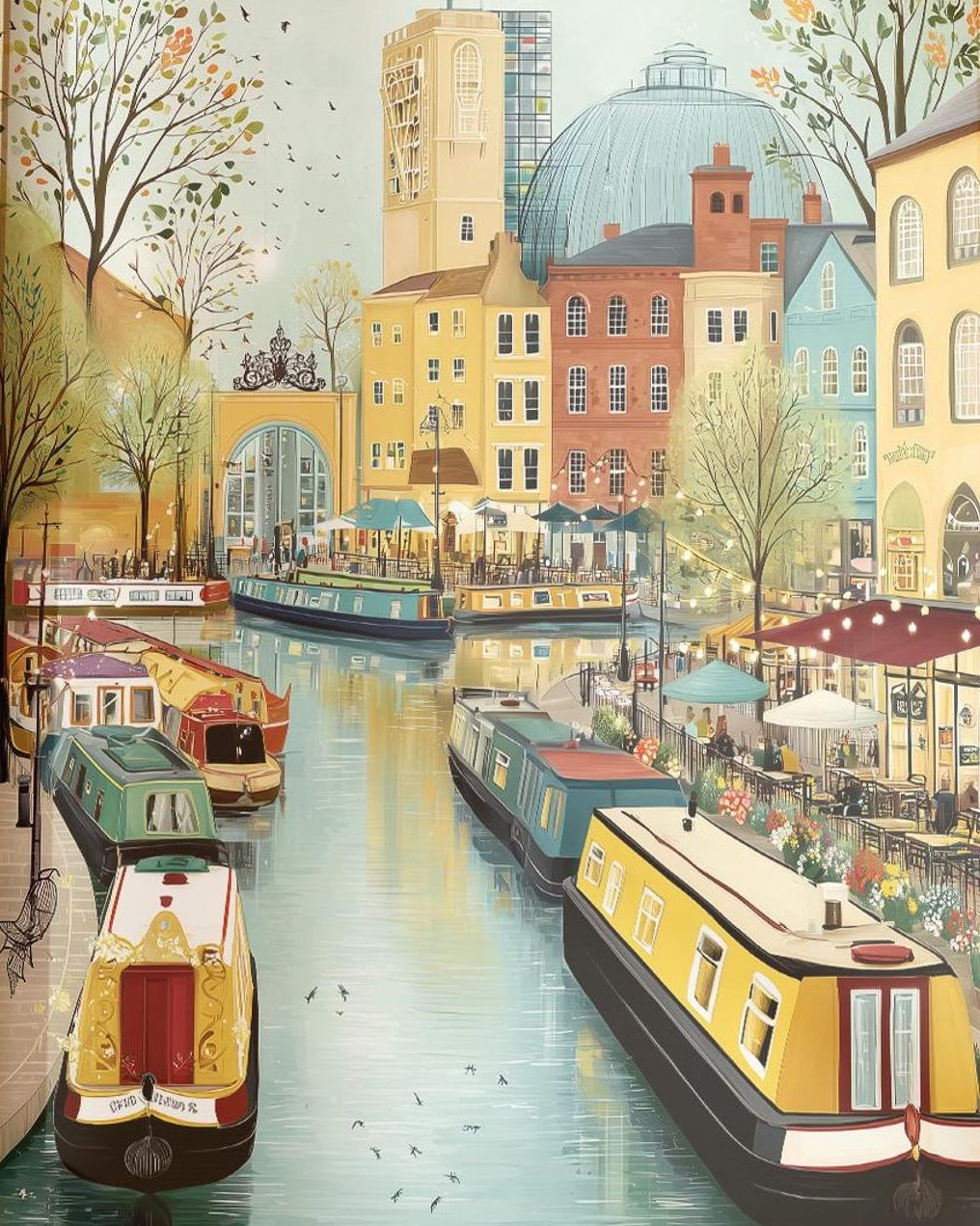
The West Midlands is a ceremonial county and home to three very different cities. Each has its own identity, history and character. Though they are quite close to each other, they all have different histories.
Often pictured as a region of industry, busy roads and densely populated towns and cities. But it is also a place of canals, parks, rivers, community gardens and important wildlife habitats.
Local action matters because waste has local consequences. A discarded bottle or food wrapper can make a park less pleasant, create hazards for wildlife or be carried by rain into a drain, stream or canal. Preventing waste can therefore help reduce pressure on both natural environments and public services.
If out walking, follow the Countryside Code to keep all creatures safe. Keep dogs away from steep banks, mushrooms, cliffs and toxic plants/trees.
Birmingham
This is the largest city in the West Midlands. It has over one million people living in the area and surrounds, and grew rapidly during the Industrial Revolution. Its location in the centre of England was ideal for transport, and today it still has many historic canals. However it is also home to many large green parks like Sutton Park: 2400 acres of open heathland, ancient woodland, wetlands and wildlife.
Birmingham is birthplace of the Balti Curry, and home to a strong vegan movement: Ba-Ha offers a Kentucky burger with Balti sauce, Bombay crunch and pink pickled onions. Or a ‘smashed royale with vegan cheese and house burger sauce’.
The bin strike which has been ongoing since March 2024 (a dispute between Birmingham City Council and Unite union, is said to be close to a deal to end it.
The Clean Kilo (a Birmingham refill shop)
The Clean Kilo is England’s largest zero waste shop, in Birmingham! Take along your own clean dry containers (or use theirs) to fill up with dry goods, groceries (you can make your own peanut butter!), toiletries and household goods.
As well as helping to prevent waste, you save money as you are not paying for packaging (which is added to the cost of goods wrapped in plastic). This shop also offers a consultancy for other zero waste shops (or potential ones).
Choose unscented items for pregnancy/nursing or near babies/pets (and xylitol-free dental care if you live with animal friends). If buying plants, read up on pet-friendly gardens (and how to stop birds flying into windows).
Bournville’s ‘no glass litter’ campaign
Bournville (just outside Birmingham) is a pretty village with green spaces, developed by George Cadbury (a Quaker who invented drinking chocolate to stop workers drinking gin – he was a strict teetotaller).
Forward 100 years, and Tesco Express decided to open a branch. Not really due to alcohol (more concerned over glass litter), the locals went to court. And due to clever Mr Cadbury wrapping up the laws to keep his town alcohol-free, it becamse the first branch to be refused an alcohol licence.
Wolverhampton
This smaller city lies around 12 miles northwest of Birmingham. Again it has a strong history of industry, although it’s only 15 miles away from rural Shropshire.
Known for its football team, one fan was composer Edward Elgar, who wrote the anthem for Wolverhampton Wanderers football club. Likely more classical than ‘it’s coming home, it’s coming home, football’s coming home!’
Coventry
Known for being bombed during the Blitz in World War II, this again was an industrial city. The new cathedral stands alongside the ruins of the old one, a celebration of remembrance and reconciliation.
The city is also known for Lady Godiva, the wife of Earl Leofric, who only agreed to reduce heavy taxes on the people, if she rode through the city without any clothes?!