Zero Waste Yorkshire (protecting the Dales, Moors and Coast)
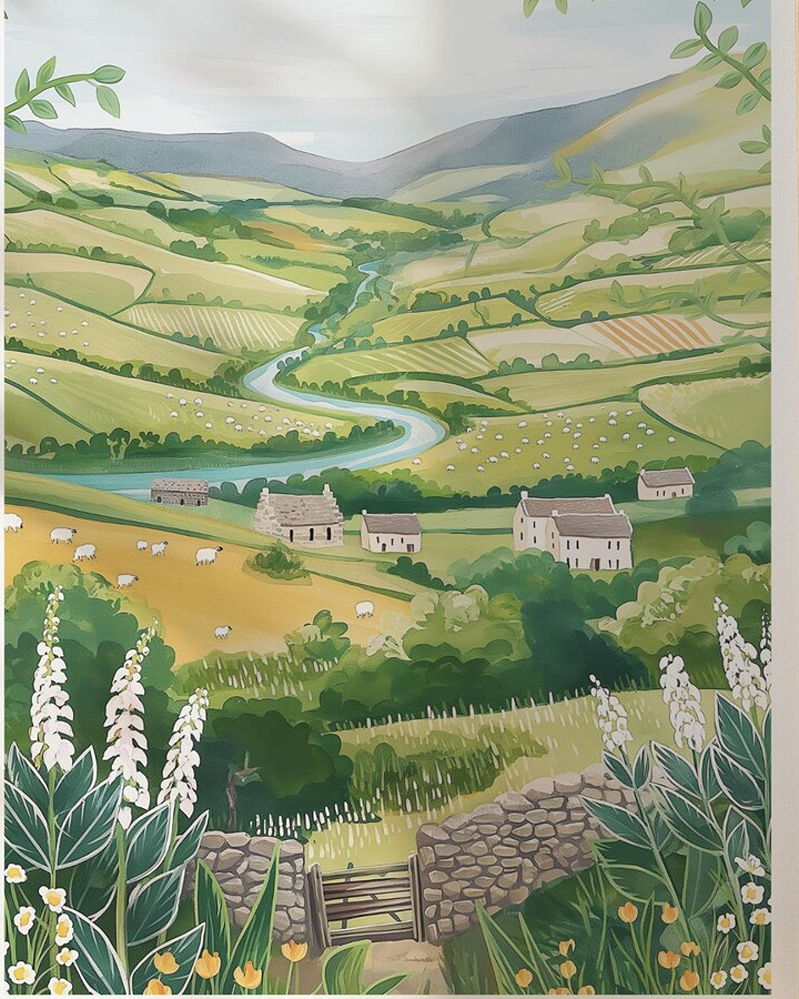
Yorkshire is famous for its wide-open landscapes, wildlife and dramatic coastline. From the limestone valleys of the Yorkshire Dales to the heather-covered North York Moors, there are countless places to walk and enjoy the outdoors.
But these natural areas are also vulnerable to litter, pollution, habitat damage and pressure from visitors. A zero-waste approach can help reduce your impact while making trips more enjoyable. It means making thoughtful choices, avoiding unnecessary waste and leaving places as you found them.
If out walking, follow the Countryside Code to keep all creatures safe (learn how to upright an overturned sheep). Keep dogs away from steep banks, mushrooms, cliffs and toxic plants/trees.
At the coast, keep dogs away from nesting birds and sand dunes. Read how to keep dogs safe by the seaside. Check beach bans before travel.
Why does zero waste matter in Yorkshire?
Litter can harm wildlife and spoil the landscapes people come to enjoy. Animals may become tangled in plastic, mistake rubbish for food or be injured by sharp objects. Food scraps can attract wildlife to roads and visitor areas, while discarded fishing line can pose a serious risk to birds and marine animals.
Waste also affects the experience of other visitors. A beautiful viewpoint or beach can quickly feel neglected when it is covered in packaging, cans or dog waste.
Some rubbish breaks down very slowly. Even items that appear small can remain in the environment for years. Wind and rain can carry litter into streams, rivers and the sea, where it becomes harder to collect.
Explore the Yorkshire Dales with less waste
The Yorkshire Dales National Park is known for its limestone scenery, dry-stone walls, rivers, waterfalls and traditional villages. It is a wonderful place to walk, cycle and explore, but its narrow roads, farms and sensitive habitats need care.
Pack a reusable walking kit
Before setting off, prepare a simple kit you can use again and again:
- A refillable water bottle or flask.
- A reusable lunch box
- A cloth bag for snacks or rubbish.
- A reusable cup for takeaway drinks.
- A small first-aid kit and any personal medication.
Packing food from home can help avoid disposable packaging and make it easier to choose what you need. If you buy food in a village, ask whether the shop or café can use your own container.
Stay on paths and respect farmland
Walking on marked paths helps protect fragile plants and reduces erosion. In the Dales, many routes cross working farmland. Follow signs, close gates behind you and keep dogs under control, especially around livestock and nesting wildlife.
Do not climb over dry-stone walls or disturb them. These walls are part of the landscape and provide shelter for small animals and plants.
Leave no trace
Take everything you bring with you back home, including food scraps, tissues and biodegradable packaging. “Biodegradable” does not mean that an item belongs in the countryside. It may take a long time to break down and can still harm wildlife. Even paper tissues, banana peels or apple cores.
If there are no public bins, carry a small rubbish bag and dispose of the waste later. Do not leave bags beside an overflowing bin, as animals can tear them open.
Enjoy the North York Moors responsibly
The North York Moors include open moorland, woodland, farmland and coastline. Heather moorland is a distinctive habitat, but it can be sensitive to trampling, fire and disturbance.
Protect moorland and wildlife
Stick to established paths, particularly where vegetation is fragile or ground-nesting birds may be present. Keep dogs close and follow seasonal signs. Some areas may have temporary restrictions to protect wildlife or manage land safely.
Never light a barbecue or campfire on moorland. Dry vegetation can catch fire quickly, and a small spark may cause serious damage. Don’t smoke in such areas. And in more urban areas, use a portable ashtray.
Travel thoughtfully
Public transport can reduce traffic and parking pressure in popular villages and beauty spots. Where buses are available, plan your journey in advance and check seasonal timetables. If you drive, share the journey where possible and park only in designated spaces.
Cycling can be a low-impact way to explore, but use suitable routes and give walkers and horses plenty of space. Be considerate on narrow roads and avoid damaging paths or vegetation.
Keep Robin Hood’s Bay clean
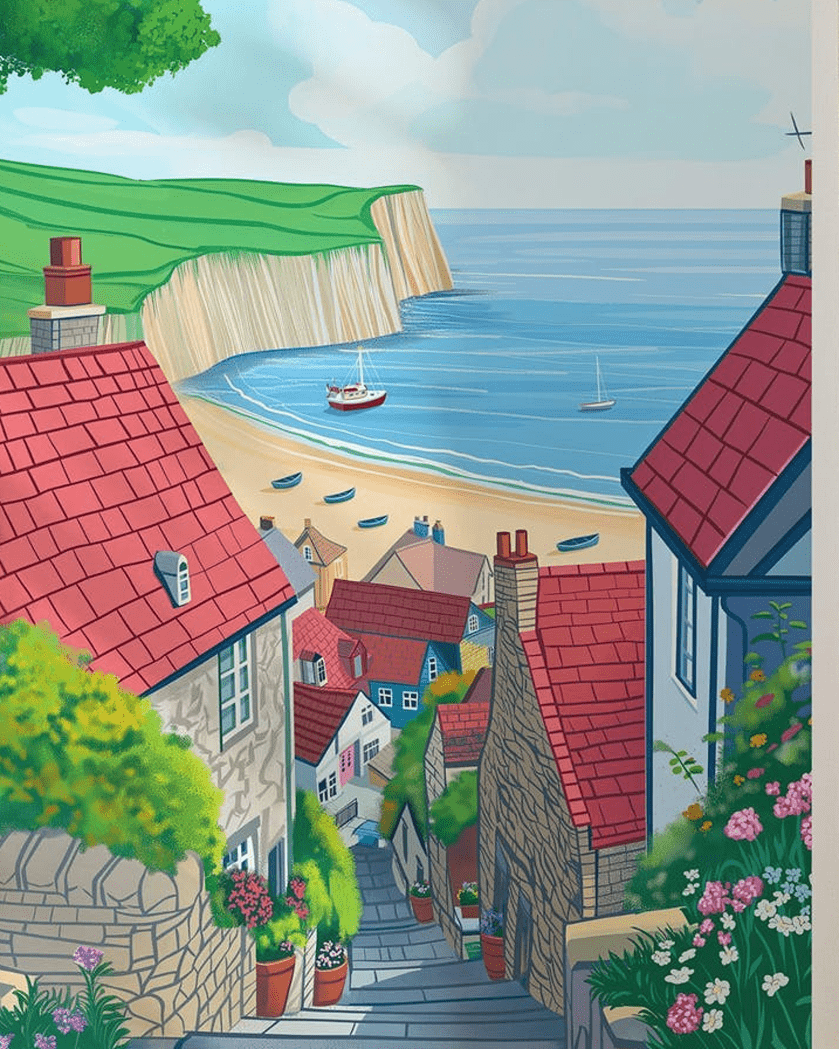
Robin Hood’s Bay is a historic coastal village on the North Yorkshire coast, with steep lanes leading down to the beach. Its narrow streets and beautiful setting make it a popular destination, especially during busy periods.
The village and surrounding coast can be affected by litter, traffic and pressure on local facilities. Due to being where you paddle your toes to mark the end of Wainwright’s coast-to-coast walk (which starts in the Cumbrian village of St Bees overlooking the Irish Sea).
Bring what you need
The steep walk to the shore can make it inconvenient to return to your car or accommodation. Bring water, snacks, sun protection and any essentials with you, but avoid overpacking disposable items.
A reusable bottle and a small bag for rubbish are especially useful. If you are visiting with children, give them a simple job, such as keeping track of reusable cups or collecting their own snack wrappers.
Take care on the beach
Check local tide information before walking along the shore. The coastline can change quickly, and some routes may become cut off by the tide. Follow safety signs and avoid entering caves or unstable areas.
Take all litter home, including small items such as sweet wrappers, bottle tops and cigarette ends. Do not leave rubbish in rock pools or tucked behind rocks.
If you find litter, you can pick it up if it is safe to do so. Avoid touching sharp objects, medical waste or anything that could be hazardous. Report dangerous items to the appropriate local authority or coastguard service.
Care for the East Yorkshire coast
The East Yorkshire coast has long beaches, cliffs, dunes and important wildlife habitats. Places such as Bridlington, Flamborough Head, Hornsea and Spurn Point offer very different coastal experiences, but all benefit from visitors taking care.
Keep beaches free from plastic
Beach litter can include food packaging, drinks containers, fishing gear and plastic fragments. Some litter arrives from inland through rivers, while other items are left by visitors or lost at sea.
Bring reusable containers and take all rubbish away. If you are organising a beach clean, use suitable equipment, check local guidance and never put yourself at risk around cliffs, tides or hazardous waste.
Fishing line, nets and hooks can injure birds and marine animals. Use inventions to prevent fishing waste. Do not leave it on the beach or in public bins where animals might get to it.
Protect dunes and cliffs
Dunes help protect the coast and provide habitat for plants and wildlife. Walking over them can damage vegetation and make erosion worse. Use marked paths and boardwalks where provided.
Keep a safe distance from cliff edges. Cliffs can be unstable, and erosion may make the ground unsafe even when it looks solid. Follow warning signs and do not climb on cliffs or disturb nesting birds.
Watch wildlife from a distance
The coast is home to seabirds and other wildlife. Use binoculars or a camera zoom rather than approaching them. Give seals space and never use flying rings.
Never feed marine creatures. Human food can harm them and encourage behaviour that puts them at risk. If you see an injured animal, contact British Divers Marine Life Rescue (the RSPCA or Coastguard can put you through).