The Importance of Setting Realistic Goals

Life gets better with plans you can see and measure. A clear plan is like a map—it helps you know where you’re going and keeps you steady when things change.
Just imagine if everyone and everything stayed the same (for a start, there would be no butterflies). If we think about all the problems in England and across the world, often it’s due to being ‘stick-in-the-mud’ people who won’t change. Think about it:
- Presidents that still hark back to previous ‘golden eras’
- Those who don’t want to make changes, to stop climate change.
- People who won’t try different foods, due to ‘tradition’
- People who vote like their parents, no matter what policies
- People who stay stuck in unhappy relationships
- People who play the victim, for past troubles
- People who won’t move on from fearsome religions
If we want to see positive change in the world, it’s totally necessary to embrace some forms of new beginnings. That does not mean giving up your values or heritage.
But it does mean letting go of values and beliefs that no longer serve you (either due to being what someone else told you to believe, or because they self-sabotage your happiness and mental health).
Sometimes we can only find our true direction, when we let the wind of change carry us. Mimi Novic
Everything begins at the beginning. And quite often the beginning begins, when you shift your mind in a new direction. Louie Herron
Create a Happier, More Intentional Life
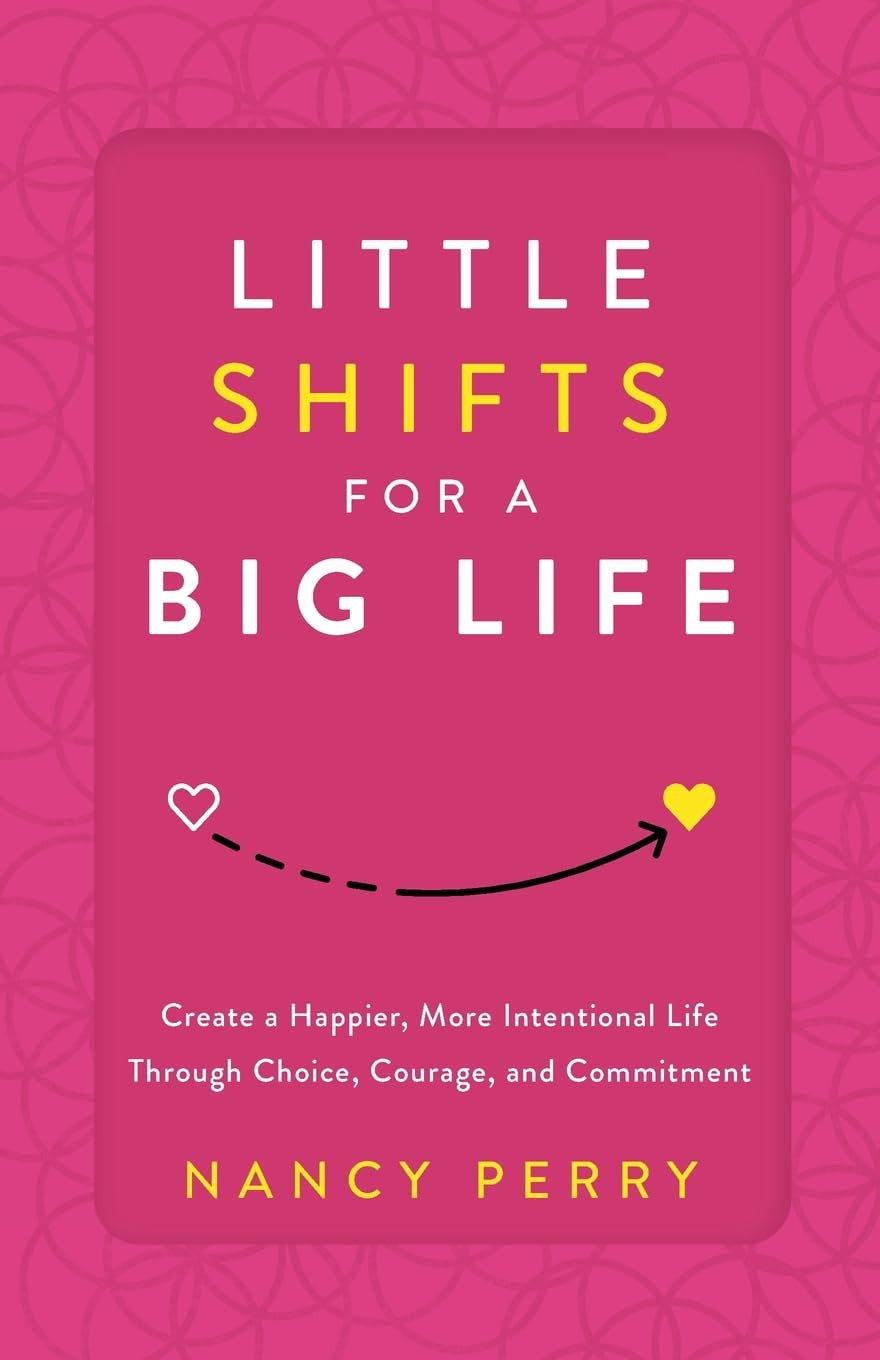
Little Shifts for a Big Life is a book you want to read! Organised into short bite-size chapters, this is a dip-in book sure to make you feel good. Nancy has that rare quality of being both wise and a good writer, and you are sure to walk away inspired, from whatever chapter you read that day.
Covering everything from choosing to change your life (no matter your circumstances), moving on from those who treat you bad (and forgiving them, rather than keep you chained) and learning how to respond and react (and why they are two different things).
Love is a choice you can make again and again, to change everything.
Today is a brand new day. Making just the tiniest change, can change absolutely everything. If there’s an area where you’re feeling stuck, sad, frustrated, anxious or disappointed – you can consciously choose to start fresh in that area today.
You have no idea what those changes could be, or their depth. Yet you do need to start, for something to happen. When we start fresh, we get to carry forward the learnings and the blessings while simultaneously releasing the heaviness. You are free to grow. What tiny change will you make today to start fresh?
About the Author
Nancy Perry is an entrepreneur and yoga teacher who lives in Texas, who offers daily bitesize life wisdom on her blog, which she has run for around a decade.
Small Steps Make Progress Possible
Think about learning to ride a bike. No one jumps on and pedals down a hill on day one. Instead, you start with a few wobbly pushes, sometimes with someone holding your seat. Realistic goals work the same way. They should be more like those first short rides and less like entering a race right away.
Some simple ways to spot a good starting goal:
- Aim to walk a mile a day before planning a marathon
- Try cooking one new meal a week instead of changing your whole diet overnight
- Focus on reading one book a month instead of one each week if you have a busy schedule
Breaking big ideas into small, easy steps keeps things from feeling scary or impossible. Every small step is a win.
Match Your Goal With Your Life Right Now
Ask yourself:
- How much time can I give this each day or week?
- Are there things in my life right now that could get in the way?
- Who might support me when I need help?
If your plan is too big for what fits in your life, consider shrinking it until it feels doable.
Think About Your Skills and Experience
Consider these examples:
If you wish to run each morning, try running for one or two days a week at first, until you build up your fitness, and make exercise part of your daily routine.
If you want to save £5000 this year but you have a small monthly income, try to save a smaller amount, and gradually it will become that amount, whether you find a better-paid job, or it takes a little longer.
If you expect to change your life overnight, you’ll probably feel let down. A realistic goal gives you enough time to succeed but isn’t so far away that you lose interest.
Here are some ways to set timelines that actually work:
- Short deadlines (days or weeks) for habits, like drinking more water
- A month or two for learning a new skill or starting a workout routine
- Longer goals (six months or more) for saving money or big personal changes
Seek Support When Needed
No one does everything alone. If your goal is tough, having support can make it more realistic. This could be friends, family, or a group with similar aims. Sometimes, outside help makes all the difference between giving up and sticking with it.
Ways support can help:
- A friend to join you on walks
- Sharing progress online to stay motivated
- Asking someone for advice when things get tough
Reflect on Your Own Goals
It helps to check in with yourself before setting a new target. Answer these prompts to see if your goal feels realistic:
- Does this goal fit my life right now?
- Do I have the skills, or do I need to start smaller?
- Can I give this the time it needs?
- Who can I ask for help if I need it?
Benefits of Setting Realistic Goals

Everyone likes the buzz that comes after hitting a target. When a goal is realistic, each step forward feels possible. You see real proof you can do what you set out to do. This builds your self-belief and makes you more likely to try again the next day.
For example, if you decide to walk for 10 minutes each morning and you follow through, you’ll feel a sense of pride. That small win may seem minor, but over time, it adds up. Each success tells your mind, “I can do this,” which is the backbone of confidence.
Simple daily wins:
- Cooking a healthy meal instead of takeaway
- Writing a paragraph each day for a story
- Going to bed 15 minutes earlier for a week
Seeing yourself reach these smaller targets lays the groundwork for bigger changes later on.
Keeps You Motivated for the Long Haul
It’s easy to lose interest if your goals are so big that results feel far away. Realistic goals break the journey into short stops along the way, which makes it easier to stay on track. Each time you hit a small target, you get a little boost that pushes you onward.
Think of motivation like fuel in a car. With regular pit stops, you refill your tank and keep going. Without them, you risk running out of steam long before you get close to your finish line. Staying motivated means you don’t quit halfway or let setbacks stop you for good.
Ways to keep your motivation up:
- Celebrate every little step forward, not just the end result
- Keep a written list or notebook to track your progress
- Give yourself small rewards when you reach each checkpoint
This steady progress keeps you interested and helps make success a habit, not just a wish.
For example, if your goal is to save £20 a week, you’ll watch your savings grow over time. That’s far less daunting than waiting for a year to check if you’ve somehow reached a much bigger total. You stay focused because each move forward feels real.
Here’s what steady progress might look like in everyday life:
If you walk 5000 steps a day, that’s over 140,000 steps a month.
If you save £20 a week, that’s £80 saved in a month: and that’s almost £1000 saved in a year.
If you don’t have time to cook a meal each night, do it for 3 nights a week. Then that’s 12 healthy home-cooked meals you’ve managed in a month. Well done, you!
Helps You Bounce Back From Setbacks
Everyone hits bumps in the road. Life gets in the way, or things don’t work out like you hoped. With a realistic goal, these setbacks hurt less because you’re not asking too much from yourself all at once. If you slip up, it’s easier to start again, not give up.
A missed walk does not ruin your whole month. Skipping a day of study won’t undo your learning plan. You can look at the week as a whole and keep your focus on moving forward.
Benefits of realistic goals when facing setbacks:
- Less guilt after a slip
- Easier to get back on track the next day
- No pressure to be perfect, just make progress
Setting realistic goals doesn’t lower your standards. It creates a path you can actually walk, with more wins, stronger confidence, and a lasting sense of pride in what you achieve.
Keep Track of Your Progress

Writing down your progress helps you see what you’ve done and what’s next. It stops the goal from feeling like a vague idea floating in your head. Tracking can be as simple as a checklist, a journal, or an app where you mark your steps.
Here’s an easy way to do it:
- List your small steps in order
- Tick them off as you do them
- Note any challenges or how you felt afterwards
When you see a list filling up with ticks, it’s like proof you’re moving forward. This makes it easier to keep going, even on tough days.
Stay Flexible and Adjust When Needed
Life changes, and your goals can too. Staying flexible doesn’t mean you’re giving up; it means you’re smart about keeping your goals within reach. If a plan stops working, tweak it rather than quitting.
Here are some ways to stay flexible:
- Change your timeline if needed (give yourself more time)
- Alter your steps if one feels hard right now
- Try a different way to reach the same goal (walk instead of jog)
How to Stop Procrastinating Your Life Away
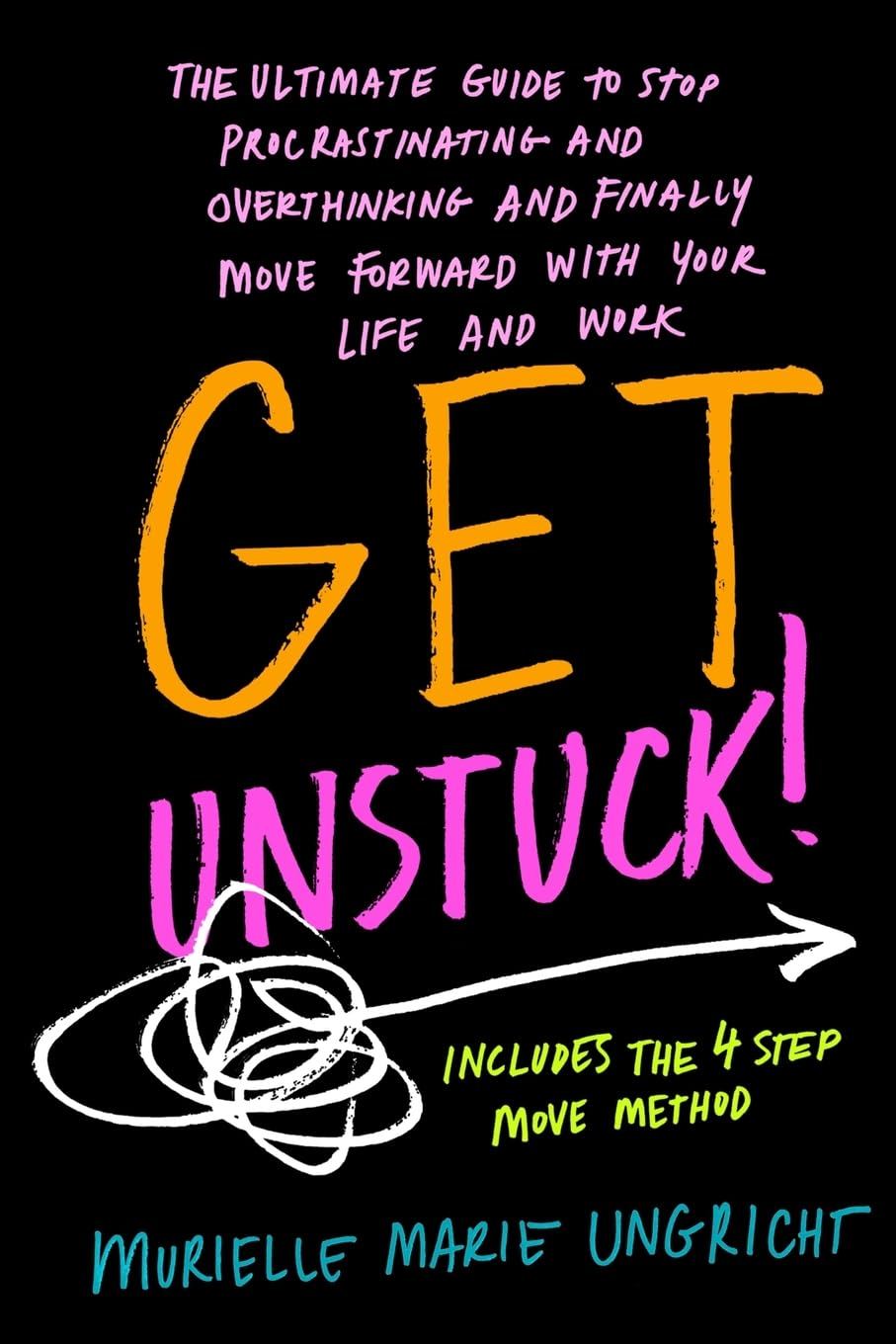
Procrastination (putting off things) rarely is due to being lazy. It’s more to do with fear, overwhelm and often simply to not having a plan. From skipping the gym to delaying your entire life, procrastination can creep in quietly, if you don’t do something about it. Get Unstuck is written by a member of the Beautiful You Coaching Academy.
Uncover the Reasons You Procrastinate
When a task feels too big or scary, our brain kind of likes to put things off for later. Fear of failure can lead you to not go for the job you want, not reach out to the person you like, or hold back on going it alone. Perfectionism can be a part of this. What if it all goes wrong?
Overwhelm is another main trigger. Big tasks (like moving home, moving on from a ‘done’ relationship or getting out of massive step) can cause the mind to freeze, so you prefer to do something easier (like eat cake!)
Depression can lead to a lack of motivation. But motivation usually follows action, not the other way around. For instance, say you are 10 stone overweight, and need to get fit for your health and self-esteem. You are never going to feel motivated to start exercising (a gentle walk say) at first. If you’re 10 stone overweight, you likely have little energy, and prefer to stay indoors and watch TV, away from the world.
But if you take those first few steps, the next day you’ll notice the benefits. After a week, you’ll have lost a few pounds. And feel more energy when you do go for a walk. Then you may rest on a park bench, and start talking to someone, and tell them your journey. And be surprised to find that most people won’t laugh, they will feel empathy and encourage you.
What if you have a drinking problem? Each night you say ‘I’m going teetotal tomorrow’. But then some stressful event happens during the day, and you find yourself back to drinking wine at night.
If you keep thinking this way, you’ll never give up drinking. To stop procrastinating, replace the drinking wine and watching TV with something else. How about visiting the library and finding some good novels, making a cup of your favourite herb tea, and creating a new ‘evening routine?’ It only will take a week or so, and you will have formed a new ‘neural pathway’ in your brain, and giving up alcohol will be far easier than you thought.
Waiting to feel inspired to change your life, will keep you feeling stuck. But changing your life (even if the first few days or weeks feel like pulling your feet out of heavy mud), will end up in you becoming inspired in a very short while.
Track Your Wins, Learn from Setbacks
Making a plan helps to keep you on course. Instead of making endless ‘to-do lists’ that never get finished, make a weekly plan, and then have a weekly review on Sunday evenings.
List what you started, what you finished and what you learned. Keep it brief. Treat a missed week of exercise as a speed bump, not a road block. Plan the next tiny step. If you had a stressful night and downed a bottle of wine, visit the shops the next day to buy a blender, and start making an evening smoothie.
Build staying power, but also practice self-compassion. Train your brain to expect progress, even if there are little detours along the way.
Fall down seven times. Stand up eight. Japanese proverb