How Rewilding is Restoring Nature Habitats

Wilding is a beautifully illustrated guide to rewilding, covering the story of one of England’s most successful project in West Sussex. This previously barren estate is now home to many happy birds – nightingales, peregrine falcons, turtle doves, ravens, red kites, lesser-spotted woodpeckers, skylarks, house sparrows, yellow hammers and sparrowhawks.
Restoring the wetlands of the floodplains by the River Adur has also created habitats for wading birds, amphibians, dragonflies, purple emperor butterflies, native owls and bats, rare beetles, visiting hoopoe birds and black storks (one of Europe’s rarest birds).
And even ‘heathland nightjars’ and ‘woodland nightingales’ that would normally live elsewhere, suggesting they are now ‘clinging to any natural habitats’.
Knepp Estate covers over 3500 acres near Horsham, once used for intensive farming. The owners decided to undertake a unique experiment, simply letting the land be, and leaving nature to itself.
Today, free-roaming herds of English longhorn cattle, Exmoor ponies, Tamworth pigs, and red and fallow deer roam the land. They graze, root and trample, turning up ground which allows wild plants to seed. This mimics natural grazing patterns that once shaped England’s countryside.
Never has there been a more important time to engage in nature and its recovery. And I hope this book will be a source of hope and inspiration for a new generation. Isabella
The book is both educational and funny. Although pigs naturally eat wild roots, the author talks of when they first introduced pigs to the rewilding project; they rooted up pristine lawns, and broke into a marquee where people were having a party, and ate all the ice-cream!
And the pigs on this farm stay with their piglets for months, as they would in nature (not like on a factory farm).
Oak trees need light to grow, so have developed an incredible relationship with jays, the blue-feathered birds of the crow family. A bit like how squirrels bury nuts for later on, jays do the same.
But unlike squirrels, jays suffer from ‘acorn amnesia, so the ones not remembered grow into beautiful trees, for other birds and wildlife!
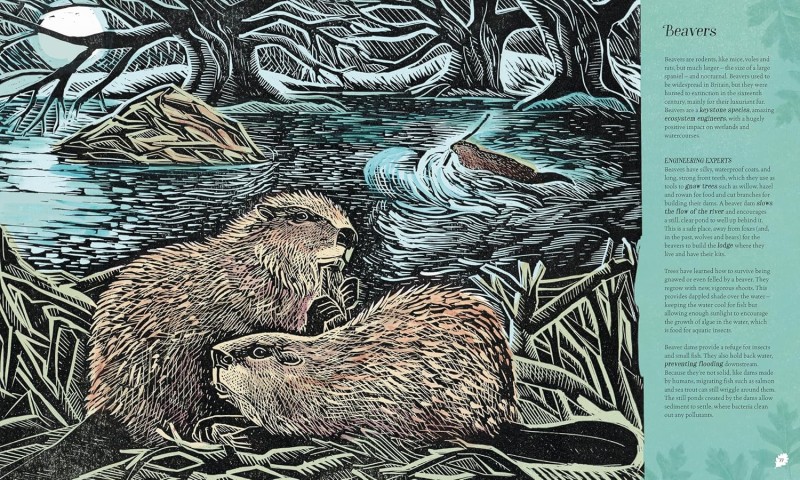
Certain plants provide pollination for endangered birds and butterflies, and beavers help to prevent floods, and naturally clean the water, which helps local fish and other marine wildlife.
Byline Times reports that Reform UK policy is to ban rewilding on land that could be used for farming. The idea being to ‘help our farmers’. But the party does not know how nature works.
What is needed is to prevent monocultures that degrade land (so no good food can grow without harmful pesticides and fertilisers). And to pay farmers for natural flood management solutions, and restoring habitats for endangered species like water voles. This would help food security, farmers and native wildlife.
Isabella Tree is an award-winning writer who manages a rewilding project with her husband. The book is illustrated by Angela Harding, a printmaker who works from her garden studio in Rutland, England’s smallest county.
A Wilding Year: Rewilding a Lincolnshire Farm

A Wilding Year tells the deeply personal journey of artist Hannah Dale and her husband, as they return their Lincolnshire farm to nature, celebrating the return of an astonishing variety of wildlife.
The farm was a sad inheritance, after a brain tumour took her ‘kind and inspirational’ father-in-law too soon. The land was not fertile for growing any food, so they decided instead to restore the original drained (from centuries ago) land to help wildlife.
Jack’s dad was a regenerative farmer. And after he read about the rewilding of a Sussex farm, they decided their land was suit the same, and a be fitting tribute to his father (who had even invented a seed drill that did not disturb his beloved earthworms).
So together they began to plant trees, create wildlife ponds and scatter wildflower seeds, to bring back the wildlife, and create natural homes for them. Now just a few years later, they have blossoming hedgerows that burst with berries in autumn.
Grasses ‘fizz with insects’, and over 1000 meadow brown butterflies fly over creeping thistles. Birds sing and owls hunt, goldfinches to chatter to each other, and badgers snuffle for worms.
The rewilding project saw these marshy wetlands herald the return of skylarks, meadow pipits, hobbies and polecats to their farm. Which also provided new inspiration for her wildlife paintings.
Wilder: How Rewilding is Transforming Conservation

Wilder is a book that looks at how rewilding projects worldwide, is transforming conservation, and how entire ecosystems could be restored, using an active approach to help keystone species.
In this timely contribution to a conversation with our relationship with nature, a wildlife journalist takes readers on a global journey to discovering what is happening today, focusing on the Global South.
- The return of jaguars (the largest felines in the Americas) to an Argentinian national park
- The first pangolin reintroduction in South Africa (to help protect the world’s most trafficked animal)
- How giant tortoises are recovering ecosystems on the Galápagos Islands.
This book focuses on conservation success stories, to show and inspire us, that we can all be part of the solution.
A must-read for those concerned about biodiversity loss. Dr Jane Goodall
Millie is the perfect guide to take us on a tour of the rewilding landscape. Essential reading, for anyone interested in the future of conservation. Lucy Cooke
Millie Kerr is a former lawyer, who now writes on wildlife conservation. She is also an award-winning wildlife photographer. Previously from Texas, she now lives in England.
The Hare’s Corner is a book to celebrate farmers, families, schools and community groups in Ireland, who are restoring habitats, reviving biodiversity and reconnecting people with the land.
Find uplifting stories and poems interwoven with enchanting illustrations and photographs, to bear witness to the good that blossoms, when we make space for nature in our lives.
The book is named after the traditional farming practice of leaving field corners for wildlife.
Rewilding (bring wildlife back to where it belongs)
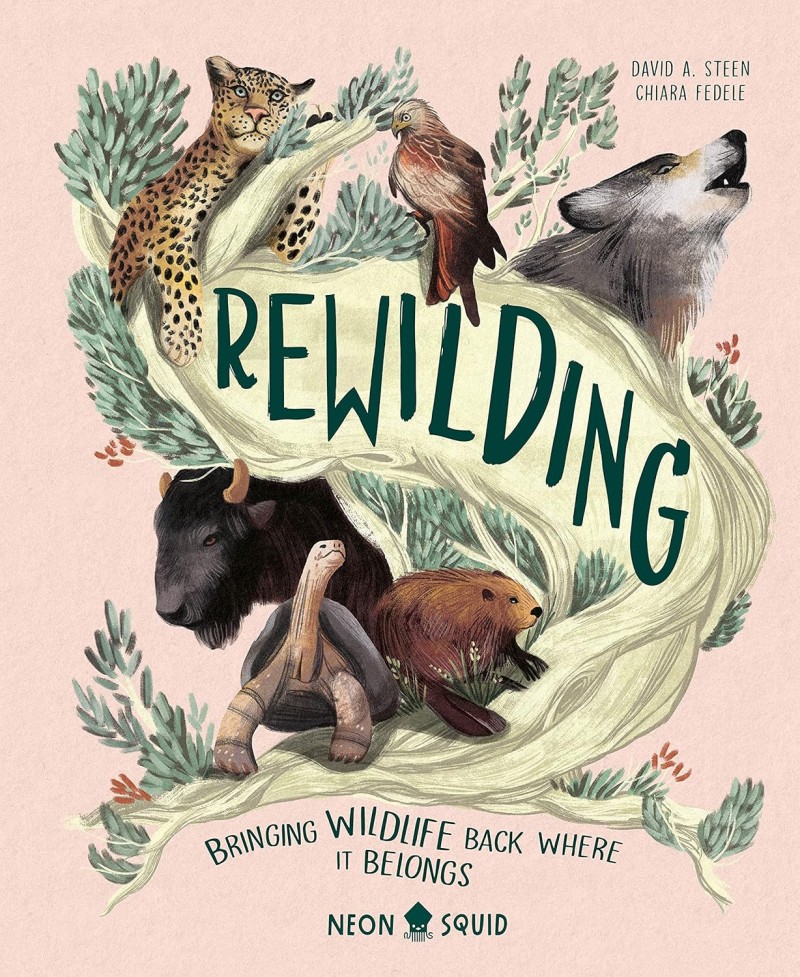
Rewilding is a beautifully illustrated introduction to rewilding, which is basically just leaving nature alone, to get on with it. Natural habitats are better than gardens for most wildlife – hedgehogs used to live in hedgerows (hence their name), and berries and hedges offer food and natural protection for birds and other wildlife.

In this book, you’ll learn about successful rewilding projects both here and abroad including:
- How beavers help to build dams, to stop flooding
- How wolves in Yellowstone National Park improved ecosystems
- How Galápagos giant tortoises survived extinction, by returning home.
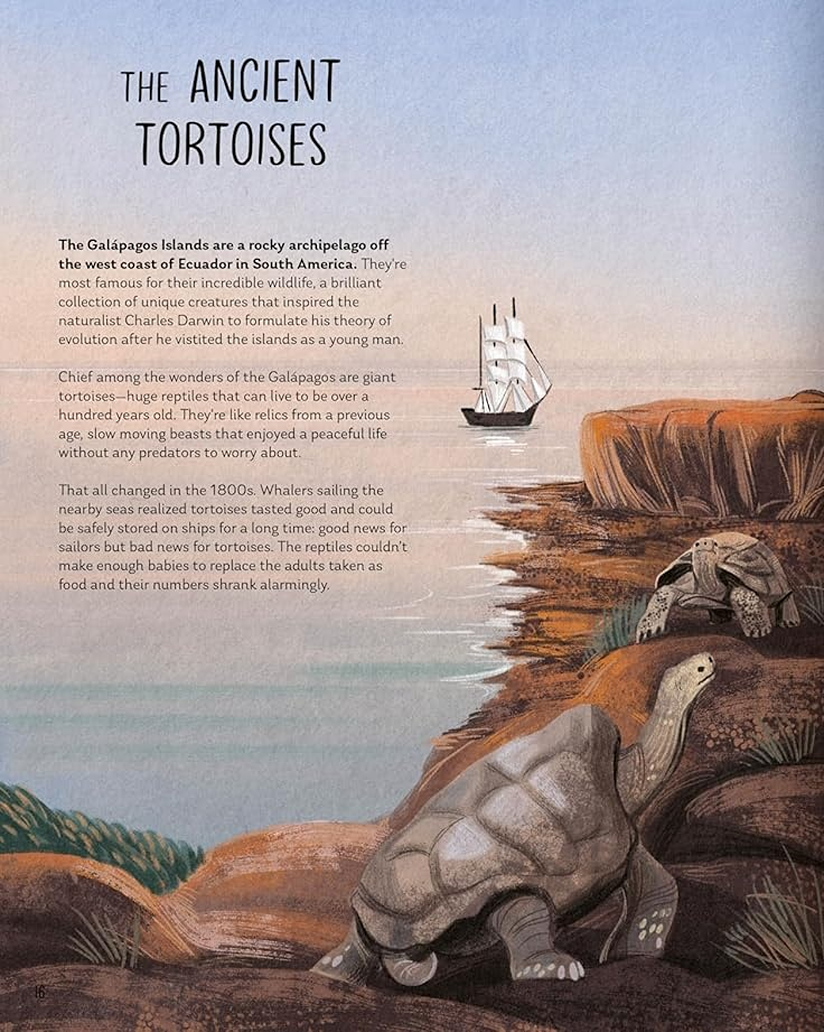
Author David A Steen is a wildlife scientist and conservation biologist, who founded The Alongside Wildlife Foundation, which offers seed grants for small projects that help wildlife.
Rewild the World at Bedtime (a book for children)
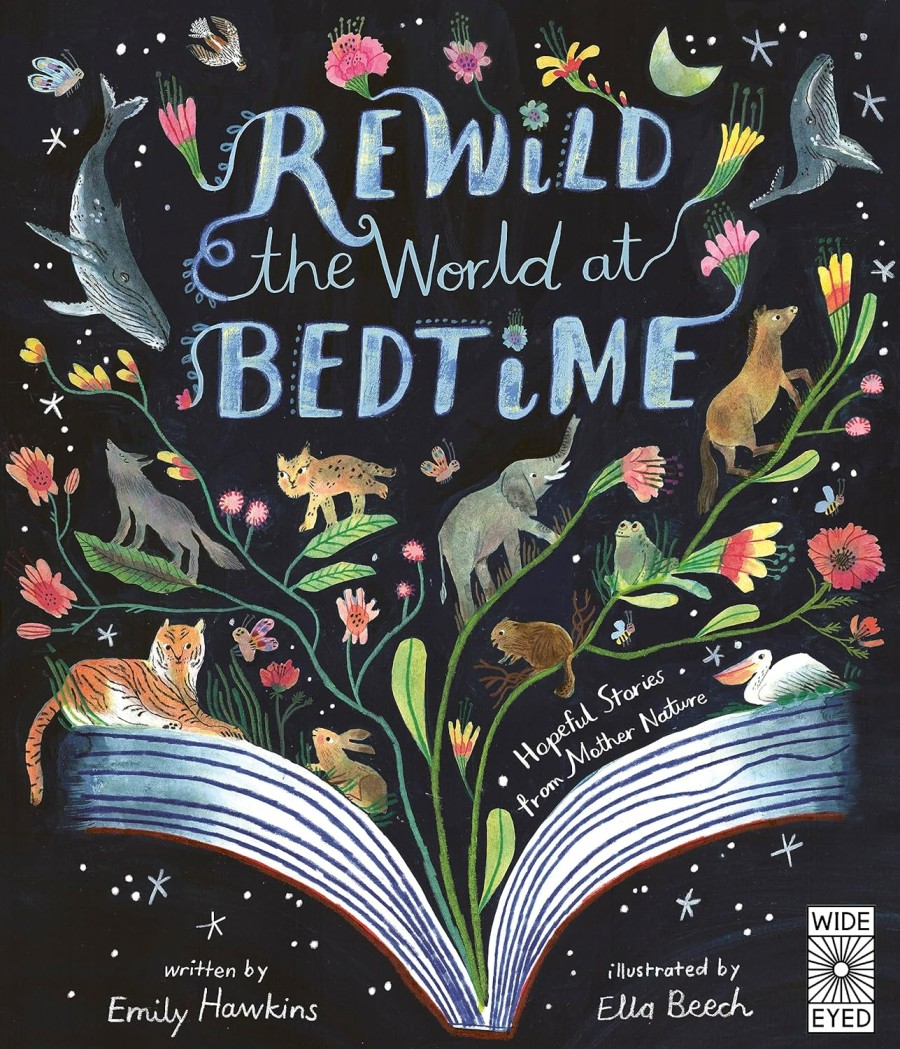
Rewild the World at Bedtime is a beautiful keepsake collection of calming wildlife stories to read at bedtime, for children to learn about projects that are rewilding the world with animals, and saving our planet.
From Colombia to Indonesia, 40,000 unique species are threatened with extinction, and it’s never been a better time to teach children about conservation.
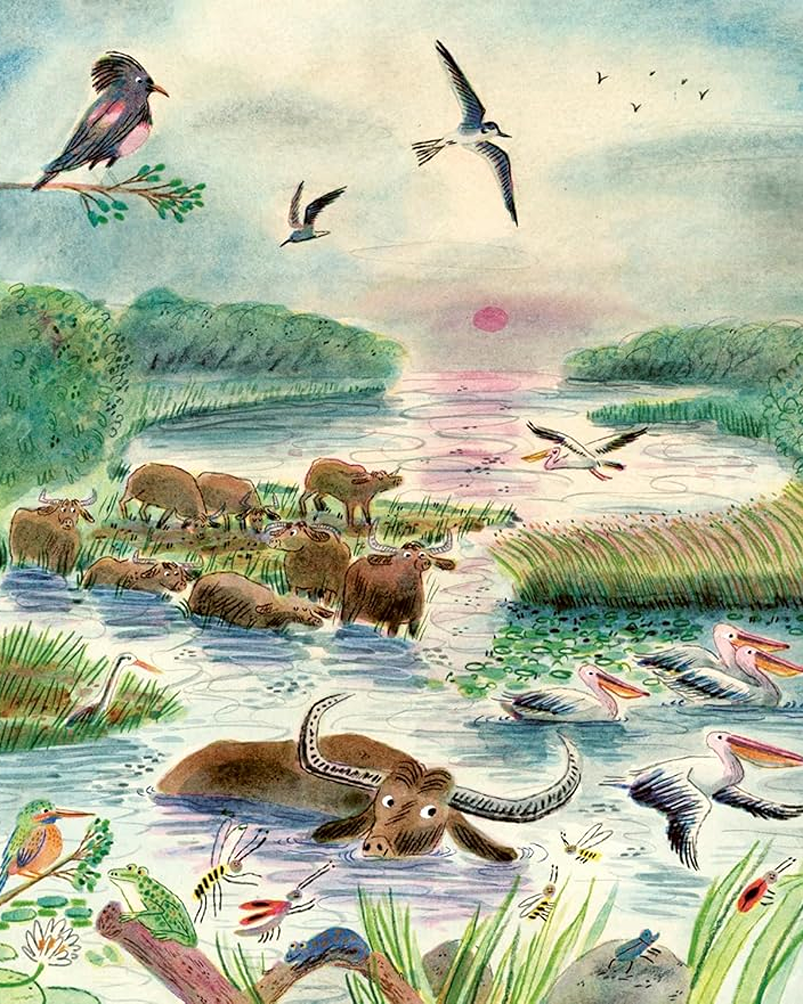
This enchanting read soothes little ones with 20 stories about nature healing itself, when animals are returned to their natural habitats, without human interference. The animals featured in the book include:
- The return of Eurasian beavers to Devon
- Saving Endangered Tigers in Nepal
- Water Buffalos Restore Ukrainian Wetlands
- Lynx Find Freedom in the Iberian Peninsula
- Majestic Humpback Whales Make a Comeback
- Rewilding Wolves in Yellowstone Park
- Rewilding Sea Otters in Canada
- England’s Rewilding Project Knepp Estate
Emily Hawkins was once a children’s book editor and now writes books herself. She holds a first-class degree from Nottingham University, and lives in Winchester.