Should Some People Pay Higher Tax Rates?
England’s tax laws are so complicated, that help is often needed. Some are in favour of a flat tax (used in Estonia at a rate of 20%, which seems to work as the country has an excellent standard of living, and a good economy).
In England, it’s a barmy country where people (and publicans) have to pay a huge beer tax (which makes it difficult for independent pubs to survive).
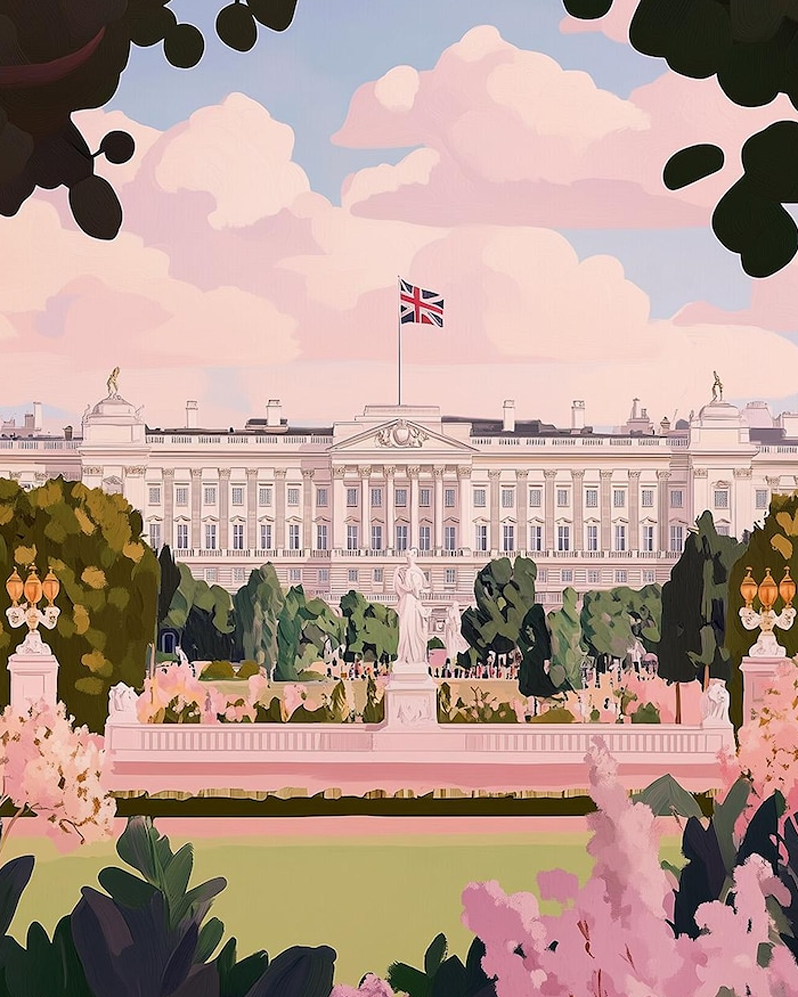
Yet Tax Justice writes that both King Charles IIII and his son Prince William don’t have to pay corporation tax on their Duchies of Cornwall or Lancaster, which bring them billions of pounds in income (the Prince pays voluntary income tax, but why is not compulsory?)
The argument given by monarchists is always that the tourism income outweighs what the government pays it (one of the highest percentages of any monarchy worldwide). But the figures don’t add up.
Because the Duchy of Cornwall (owned by Prince William) and the Duchy of Lancaster (owned by King Charles III) both earn billions in income (everything from organic food and properties to renting out land for NHS ambulances).
The Duchy of Cornwall is vast (even including the Scilly Isles and the Oval Cricket Ground). It also includes most of Dartmoor National Park (environmental campaigners have asked for more than the ‘small potatoes’ offering for rewilding), despite the land being owned by one of the richest families on earth.
So when you figure in this vast amount of combined income, you can understand why (when we have so many financial problems), campaigners want both Duchies to pay corporation tax. They don’t, simply due to an archaic rule that these estates were for providing private income to the Monarch and heir.
And unlike the rest of us that have to make a simple legally-binding Will which is then subject to inheritance tax, the Monarchy doesn’t pay that either.
How Tax Evasion Abroad Harms England
The media and politicians are always on about benefit cheats. But in fact, many vulnerable people should claim benefits, and there is far more money ‘lost in the system’ from tax evasion. Big companies often employ tax companies and lawyers to get out of paying tax (so for instance, benefit from the NHS but contribute nothing towards it).
But when high earners (including companies) move their income or assets into low tax zones (or tax havens like Monaco), home countries have less income. The Tax Justice Network estimates governments lose hundreds of billions each year to tax evasion worldwide.
Do Countries with Higher Tax Fare Better?

Finnish grizzly bear! (Melanie Mikecz)
One mystifying concept in British politics is why both sides of the major parties are absolutely obsessed with tax. The Conservatives want everyone to pay less, Labour want rich people to pay more. Tax, tax, tax. It’s all they ever talk about. Jesus paid his taxes, and so should we all, if we want to keep the NHS and invest in public services. But neither side’s policy is really correct. Here’s why.
You can’t have a society where people pay no or little tax if they are rich (as happens with some big corporations, that use clever accountants – so they use our NHS but don’t pay towards it). Trickledown economics (where the rich pay less tax to provide ‘jobs for the great unwashed’) never works, it just makes the rich richer and the poor poorer.
If you feed the horse enough oats, some will pass through the road for the sparrows. John Kenneth Galbraith
But likewise (and here’s the key), if you create a society where richer people pay more tax (or a flat tax), both will only work – if the government is competent! And not being competent leads to a lack of trust.
Most of us if we were millionaires would all happily pay more tax – if we knew for certain that the money was going to be used well. But we all have suspicions that the money would be going on other things, and that’s the reason why people don’t pay more tax, not because of selfishness (as a rule).
Case Studies in ‘Happy Scandinavia’
In world happiness indexes, nearly all the main countries that come out top are in Scandinavia (Finland, Sweden, Norway etc). And what’s interesting is that in most cases, people trust their governments, even if they didn’t vote for them. You don’t have expense scandals and the like, the leaders just get on with their jobs.
Interestingly, the world’s happiest country of Finland also pays the world’s highest rate of income tax at around 57.3% (time of writing). So why in a freezing cold winter country that’s dark during the day and a country that takes a lot of their money, are people happier than in England?
Because they pay their taxes, which are used to create a cradle to grave protection for everyone. Finland is the first country about to hit ‘zero homelessness’, due to non-profit landlords and good public policies.
There is no monarchy in Finland (it was tried once, but the King was prevented from taking the throne, before he came to power!) The Finnish President’s annual salary is around 160,000 Euros (he also gets to live in a palace!)
Other benefits from paying high taxes in Finland are universal health care, free higher education, and good leave for children and eldercare. When taxes are fair and well-spent, people don’t mind paying them.
As an example, Finnish speeding fines are linked to income. So if a premier footballer in Finland is found breaking the law by driving 200mph in a fast car, he will likely get fined some stupid amount linked to his stupidly high salary.
Most UK footballers who have been caught speeding usually get fines of around £6,000 (in Finland, it’s nearer to £150,000).