Enjoy a Traditional (vegan) Afternoon Tea (with cake!)
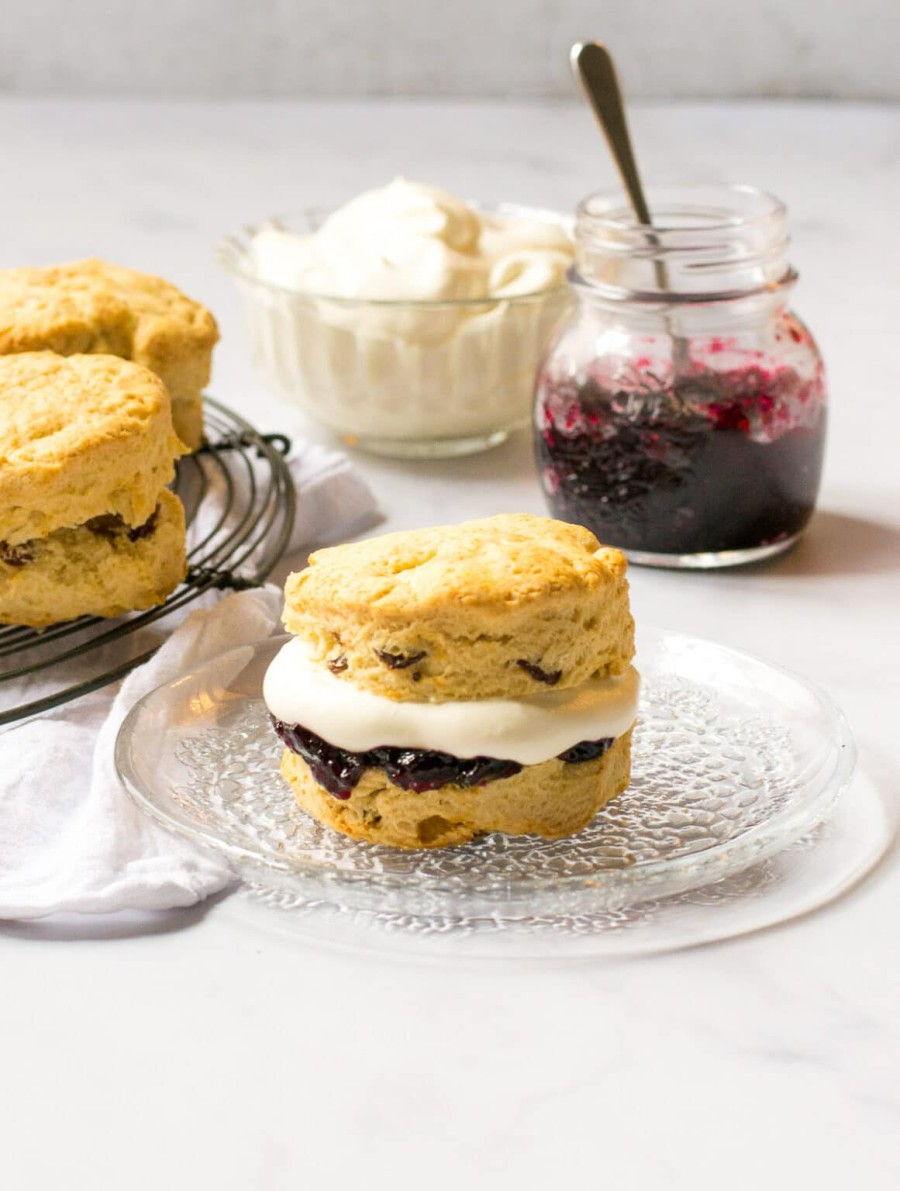
You don’t have to live in Devon or Cornwall to enjoy an afternoon tea. These homemade vegan scones (The Veg Space) are super-simple to make. With orange-juice-soaked dried fruits.
Before baking, read up on Read more on food safety for people and pets. (keep fresh dough and dried fruits, nuts and chocolate away from pets).
Start with plain flour, baking powder, caster sugar, and a pinch of salt. For richness, swap dairy butter for a vegan block butter like Flora (no palm oil). Use a thick, unsweetened plant-based milk such as oat or soy.
Classic strawberry, raspberry, or blackcurrant jam works well with scones. Use a quality jam with lots of fruit and just the right sweetness. Spoon a generous layer onto each half for that sweet-tart balance. If you fancy a twist, try apricot or cherry.
Homemade Vegan Cheese Scones
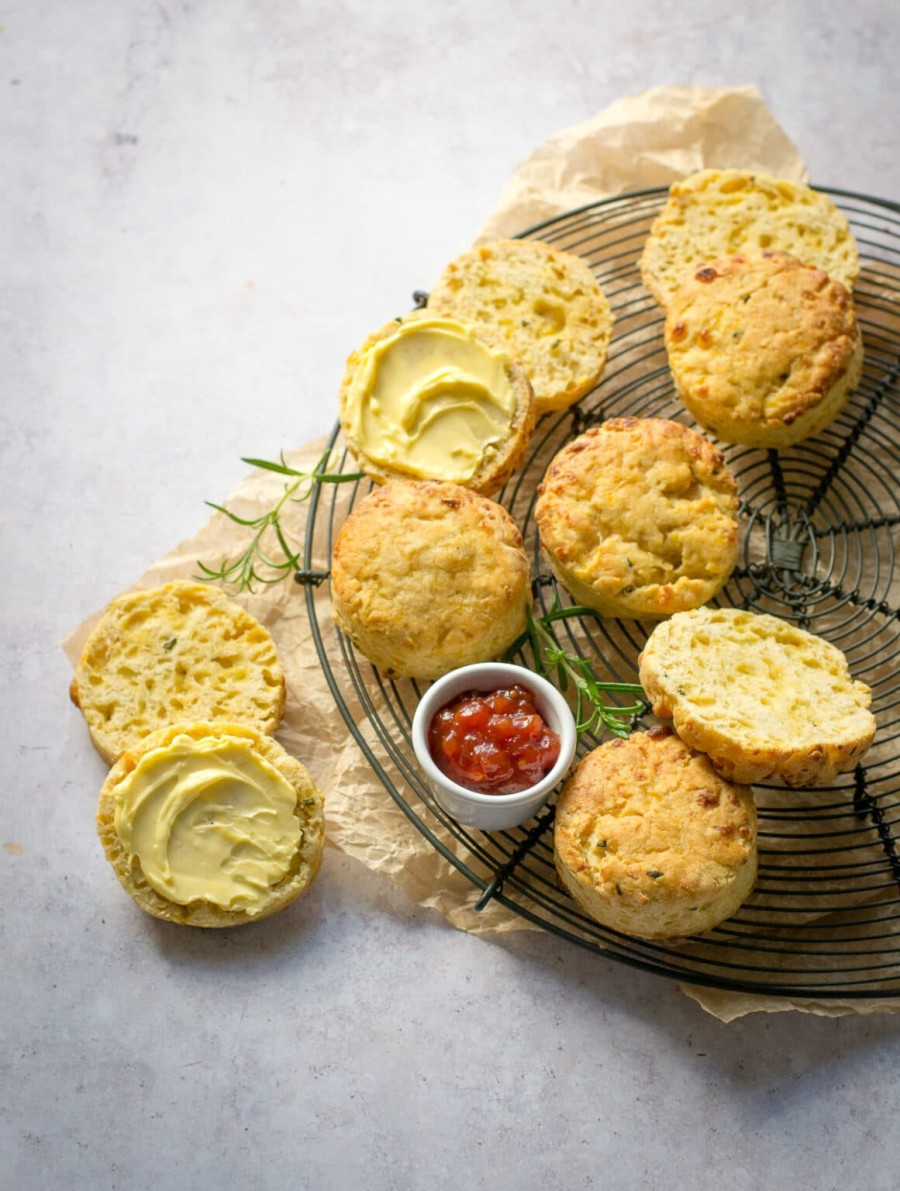
These vegan cheese scones (The Veg Space) use vegan block butter and mustard, for a tangy treat. You can even make mini-scones and top with vegan cheese, chutney and chopped chives.
Homemade Vegan Clotted Cream
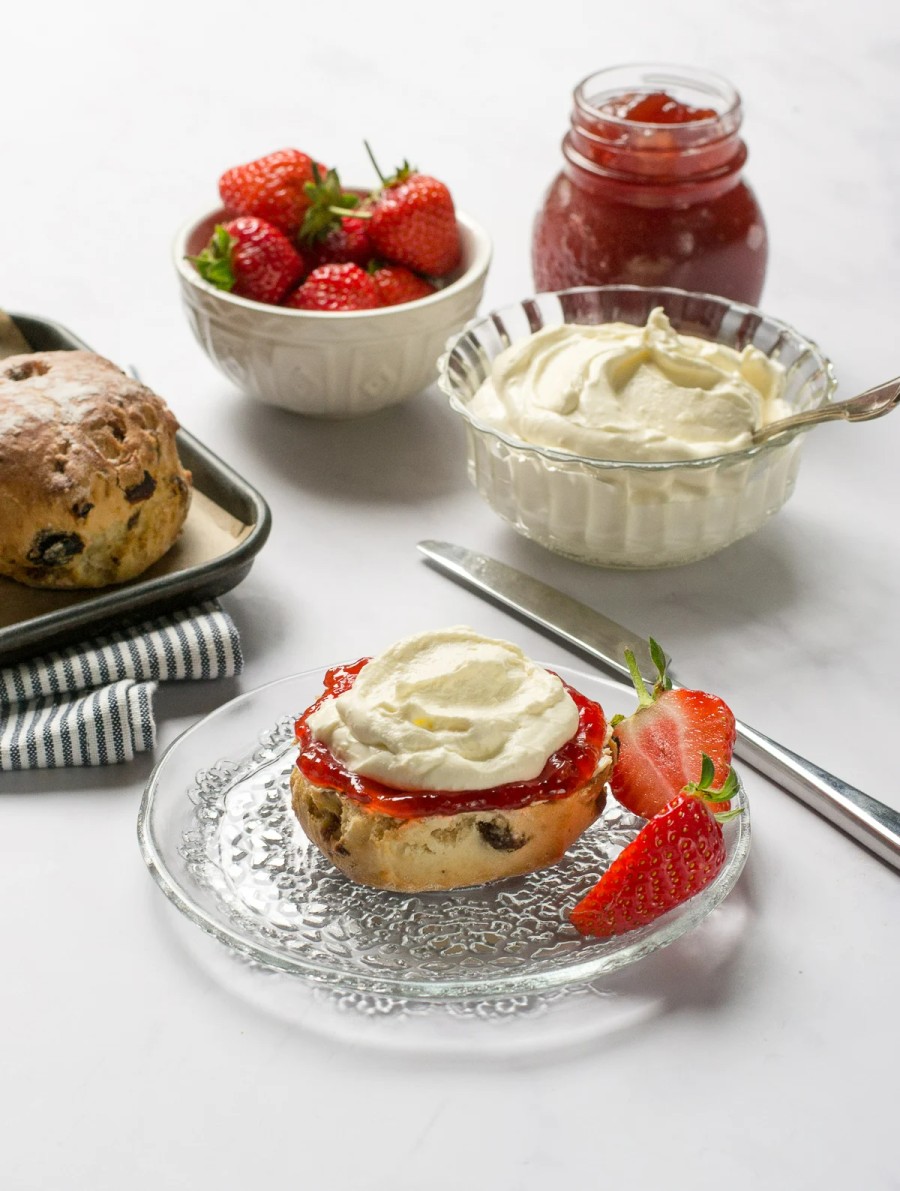
Clotted ‘cream’ is easy to make with full-fat coconut milk or a thick vegan cream cheese. Chill a tin of coconut milk overnight, scoop off the solid part, and gently whip with a splash of vanilla and icing sugar.
Most dairy clotted cream is not from free-range cows. So make your own vegan clotted cream (The Veg Space) in just 3 minutes (with vegan block butter, powdered sugar and Flora vegan double cream.
Remember the rule. If you live in Cornwall, it’s jam on top then cream. And the other way round, if you live in Devon!
Despite the images of cats lapping bowls of cream, they are lactose-intolerant.
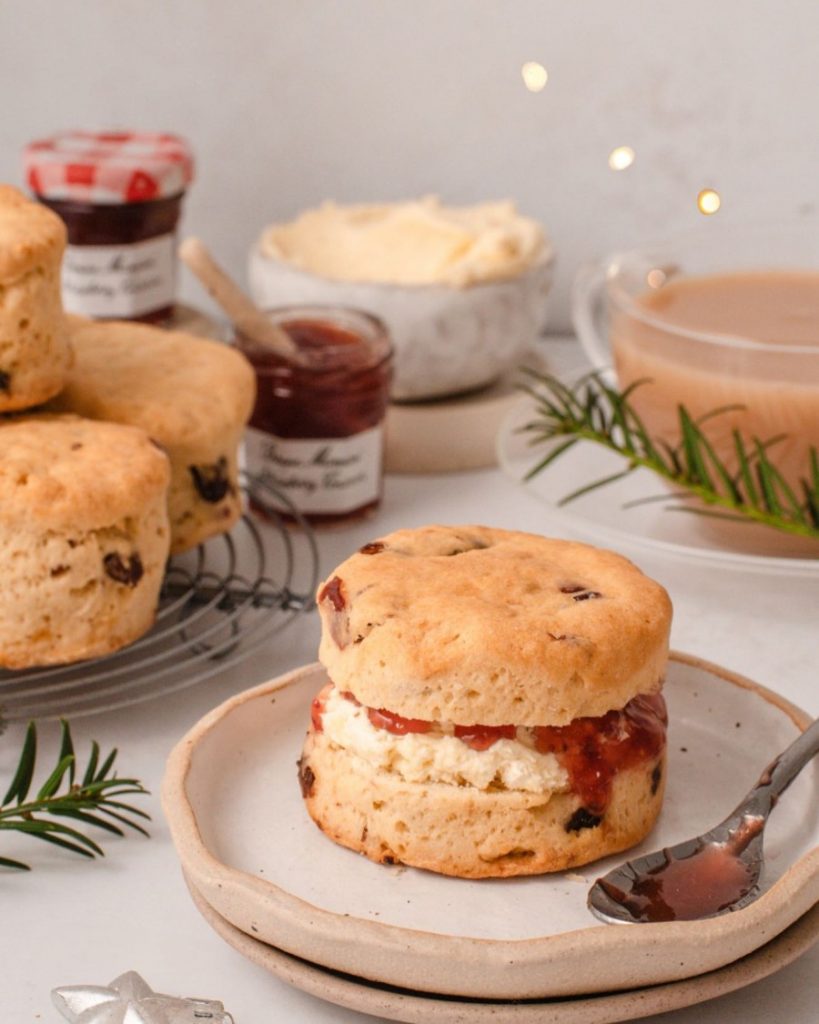
Prefer to buy? Flotted Cream has astounded reviewers with its taste and texture (made in a family cafe in Hampshire’s New Forest). Also sold at Leicestershire’s Positive Bakes (which sends out ‘vegan afternoon teas’ with scones and cakes, in compostable packaging).
A Slice of Vegan Victoria Sponge Cake
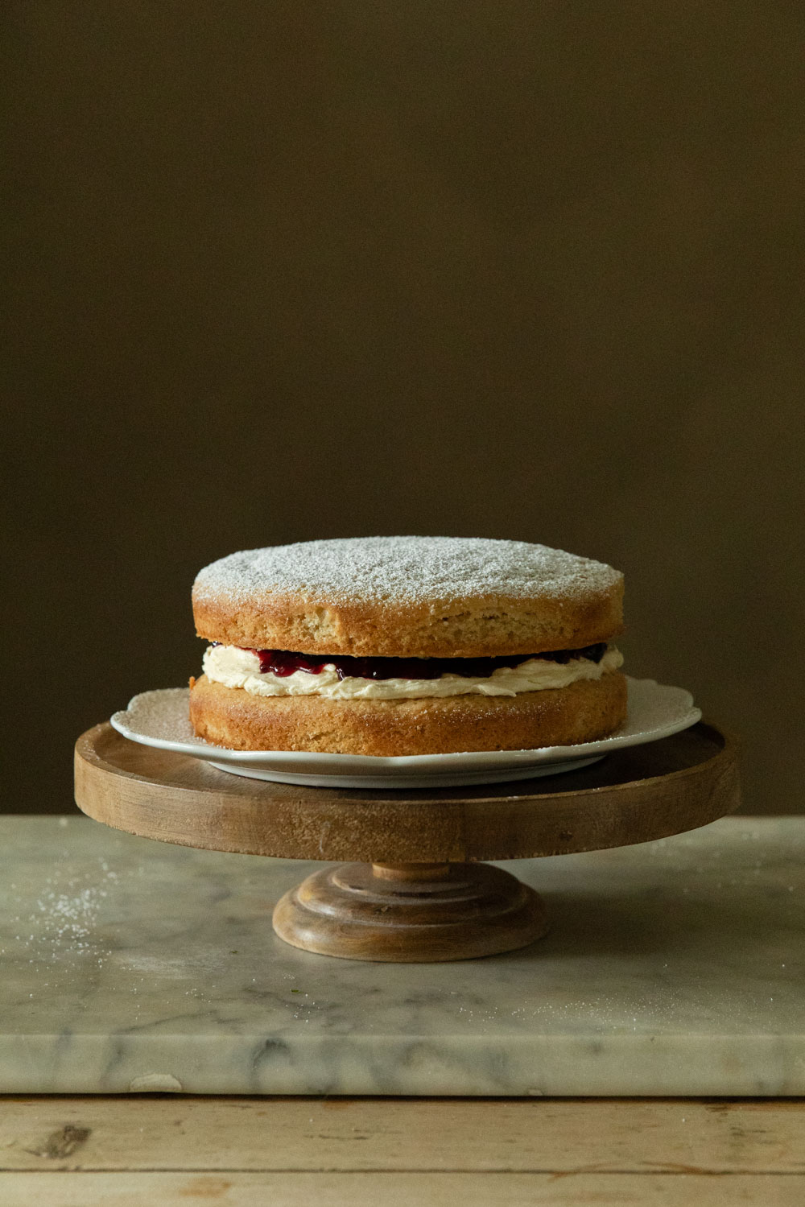
A Victoria Sponge is a British classic, named for Queen Victoria and her love of cake with afternoon tea, served at her summerhouse on Isle of Wight. That simple sandwich of soft sponge and sweet jam has stood the test of time. But it’s perfectly possible to make healthier, kinder and tastier plant-based versions. It’s always best to make your own (even M & S’s plant-based Victoria sponge has palm oil).
If you make your own jam, you’ll have to sterilise the jars:
Put jars, lids and rubber seals on hot dishwasher cycle (fill with hot water, while warm). Or wash in hot soapy water, and ‘cook’ in pre-heated oven (to 160 degrees C) for 15 minutes (again fill with hot water, while still warm).
There are plenty of recipes online for vegan Victoria sponge. This is one of the simplest cake recipes, as you’re making a classic sponge (Flora vegan block butter is free from palm oil) then just sandwiching it together with jam and vegan cream.
The Coconut Collab coconut cre&m is widely sold in stores. It tastes just like double dairy cream (no coconut taste).
Most recipes involve a ‘vegan buttermilk’ that is made by stirring vinegar into plant milk, and setting aside for 5 minutes. A few even use ‘aquafaba’ (a vegan meringue made by whisking brine water from leftover chickpeas) for a light airy sponge.
Once your sponges are baked, rest in the tins for 10 minutes, then cool on a rack, before filling with your jam and vegan buttercream. Dust lightly with organic icing sugar, and use a serrated knife, to slice with clean edges.
Obviously serve with a cup of tea (non-caffeine for pregnancy/nursing).
- Check for doneness: Use a skewer, it should come out clean.
- Storage: Keep in an airtight tin at room temperature for 1 day, or in the fridge for up to 3 days. Bring to room temperature before serving.
- Gluten-free swap: Use a gluten-free self-raising blend and an extra splash of milk.
- Citrus twist: Add the zest of 1 lemon to the batter, then swap jam for vegan lemon curd.
- Berry switch: Raspberry or cherry jam both work and give a lovely colour.
Homemade (vegan) Coffee Walnut Cake Recipes
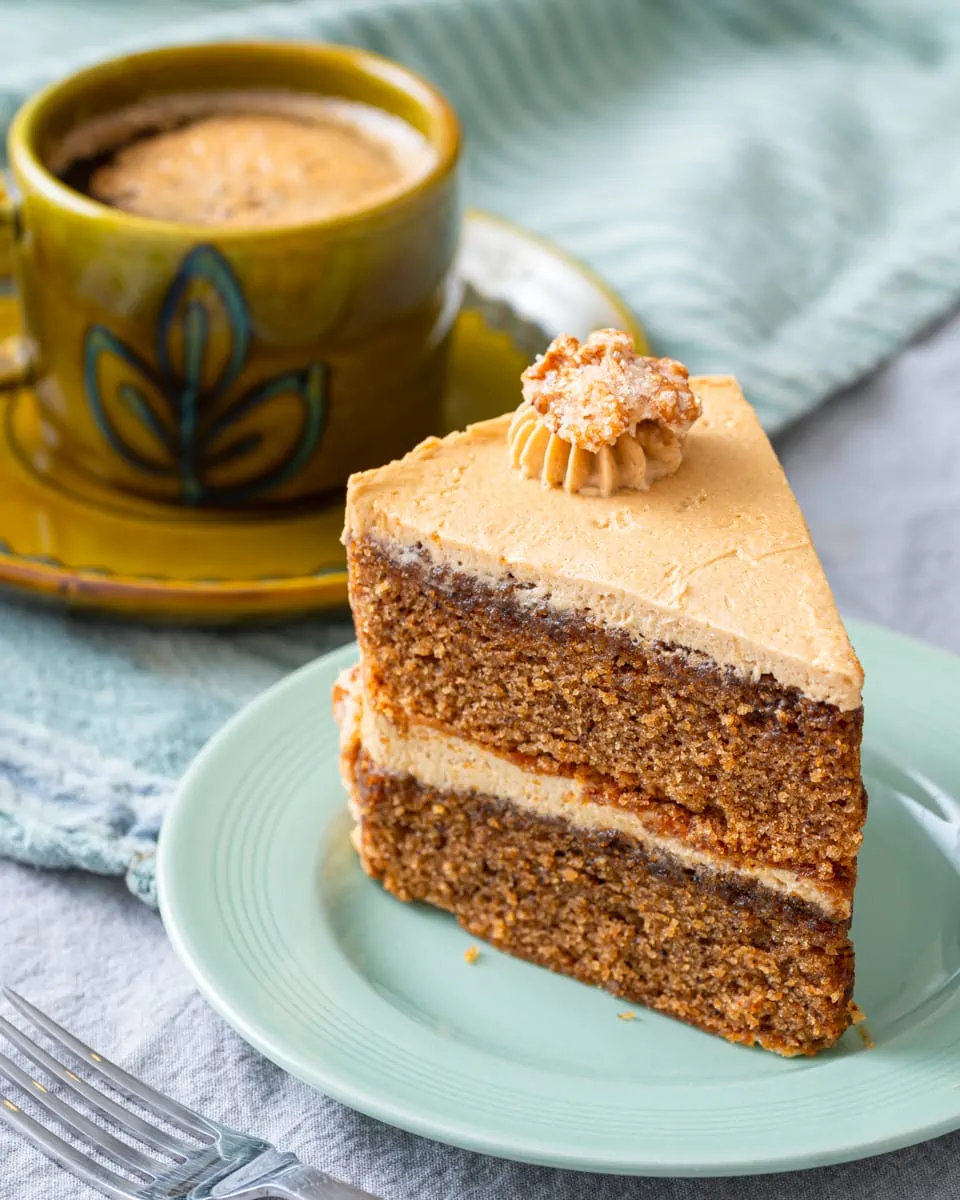
There’s something so English about a slice of coffee walnut cake, isn’t there? It kind of reminds you of your mum and dad (or aunties or uncles), bringing back fond childhood memories of Camp coffee essence.
Coffee & walnut cake is one of England’s favourite tea time treats, even though a third of people don’t drink coffee. Food writer Nigel Slater once wrote that a slice of coffee walnut cake would be his favourite meal!
If you like a morning cup of java, try Sanctuary Coffee (donates profits to animal sanctuaries).
Coffee walnut cake (School Night Vegan) has candied walnuts, a syrup-soaked sponge, vegan buttercream and candied pecans).
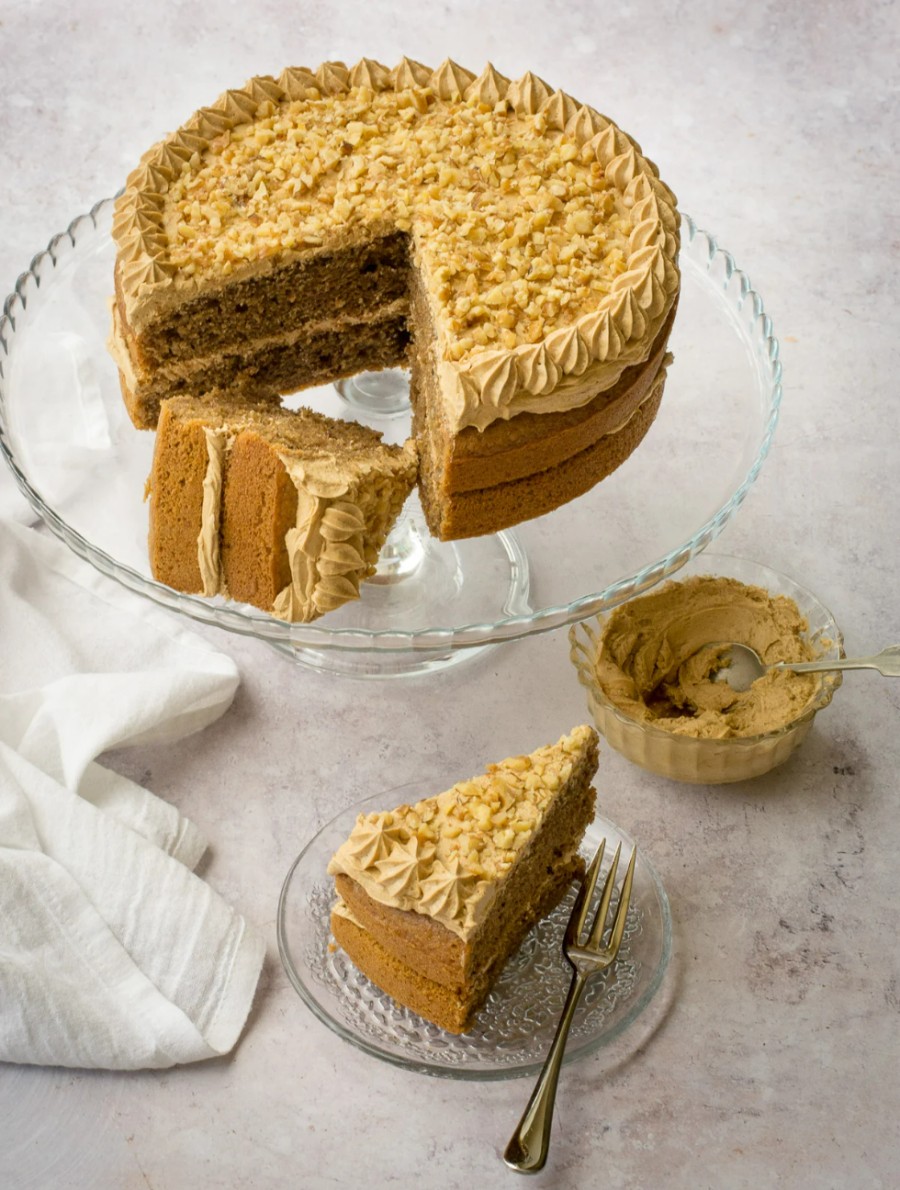
This recipe for vegan coffee walnut cake (The Veg Space) is so simple to make, with everyday ingredients. It’s sure to become a weekly staple, for when company’s arriving. It combines a light nutty sponge, with a fluffy coffee buttercream.
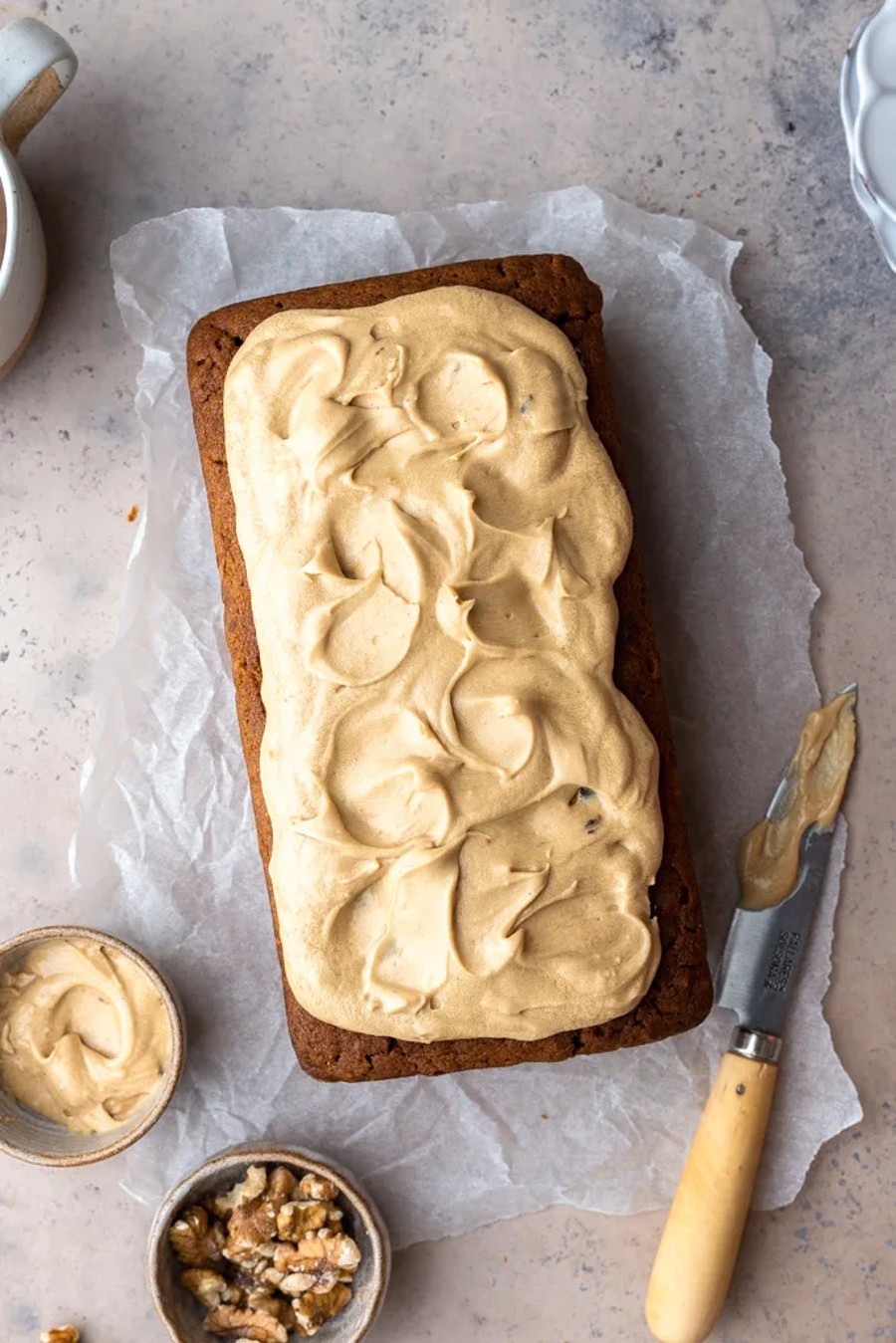
This vegan coffee walnut cake (A Cupful of Kale) is super simple to make. Just bake the loaf, and top the cooled dessert with vegan coffee buttercream.
Recipe Ideas to Use Leftover Parsnips
Parsnips are often a favourite (root) vegetable for many. Naturally sweet, they are delicious roasted with a veggie Sunday dinner, make wonderful soup and also good in cakes!
Parsnips are high in vitamin K, so check medication. Keep alliums and nutmeg (often used in parsnip recipes) away from pets.
As acids in excess could harm compost creatures, just bin alliums (onion family) if using in these recipes. Parsnip flowers look similar to water hemlock (England’s most toxic plant to many creatures).
Related to carrots and parsley, their sweetness (they used to be used instead of sugar for cakes and desserts) is due to a long growing season, when starch turns to sugar after the first frost. They are high in fibre, vitamins and potassium.
Native to Eurasia, parsnips were the staple food in the USA, before being replaced by potatoes in the 1800s. Let’s look at delicious ways to use up these wonderful vegetables, if you have a glut leftover from the farm shop or farmers’ market:
How to Choose and Store Parsnips
Choose small to medium parsnips that are firm to the touch. Once bought, you can store them in the fridge for a couple of weeks, in an airtight container. Remove the green tops (leaving an inch of the stem) to help them last longer.
Just before use, scrub parsnips with a vegetable brush under cold running water. Use immediately, to avoid them going brown.
No-Recipe Ideas to Use Leftover Parsnips
Here are a few easy ways to use up leftover parsnips, without having to use a recipe:
- Roast them in rapeseed oil, sea salt and herbs (thyme or rosemary) until tender and the sugar has caramelised. If wished, drizzle over a little maple syrup, near the end of cooking time.
- Add to mixed root veggie stews or soups.
- Boil until soft, then mash with vegan butter and cream (or veggie stock) for a creamy side dish.
- Slice into thin chunks, then bake or air-fry to make parsnip chips.
- Use a mandoline (with a finger guard) to slice parsnips, then layer them with sliced potatoes, vegan cream and cheese, then bake for a gratin.
- Sub vegan carrot cake recipes with parsnips instead.
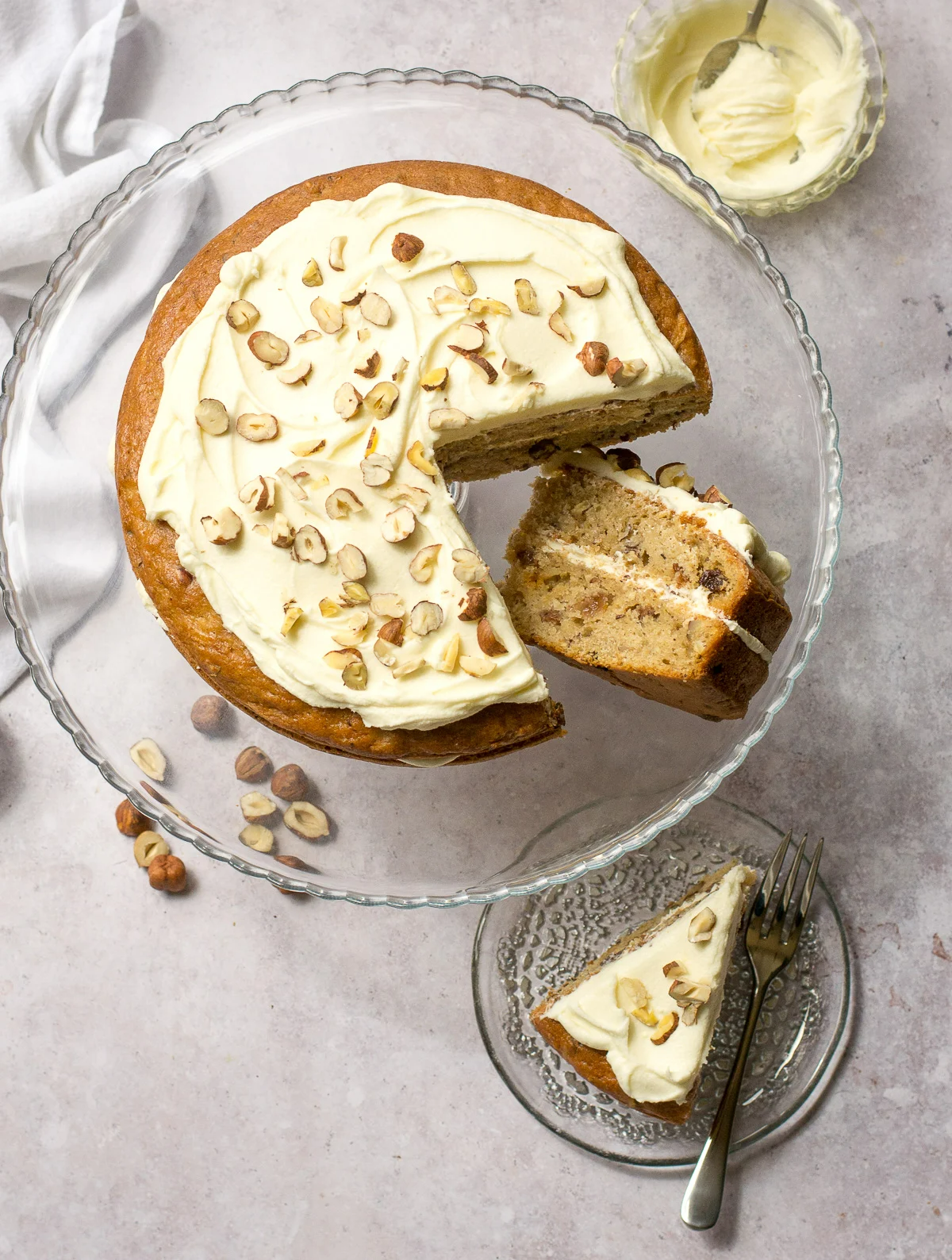
Parsnip Cake with Hazelnuts (The Veg Space) is an update of a popular Victorian tea time treat. Served with a vegan cream cheese icing, you can sub the hazelnuts with walnuts or pecans, if preferred.