Switch the Dial to Better Radio Stations
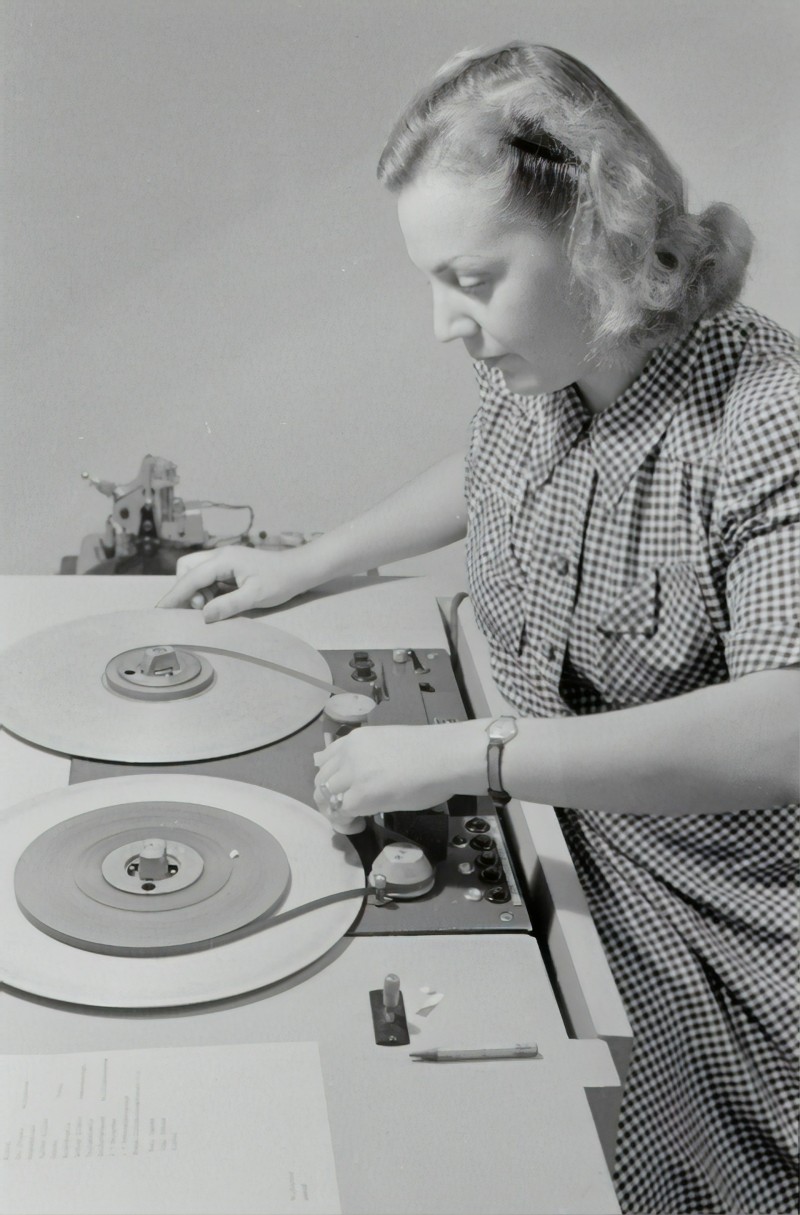
Austrian National Library on Unsplash
Your local area likely has a community radio station, presented by local people who know the area, and often play good music too. We randomly clicked on West Kent Radio, and found Sister Sledge singing a nice ditty. Just search your area with the words ‘community radio’ to find ones near you.
All records were played in full, with no shouty presenter talking over the beginning or end. Just good music after good music – what radio should be!
Wind-up, Solar & Free Radios
If you’re out-and-about, consider investing in a wind-up radio as then you don’t have to worry about batteries. iGadgitz Xtra Wind Up Radio has in-built speakers and can also run on solar power, with USB back-up.
These emergency power radios are American (but are sold in the UK online so presumably work here fine too). They include phone chargers and flashlights, ideal for when you’re out and about and need to listen to the weather forecast, as well as favourite music. One even has a loud siren for emergencies.
British Wireless for the Blind offers radios on free loan to those who need them, including one that stores up to 40 stations and can swiftly navigate between DAB and FM stations.
Simple to use, just switch it on and it will automatically tune in available stations, and adjust the time. Then just store your favourites.
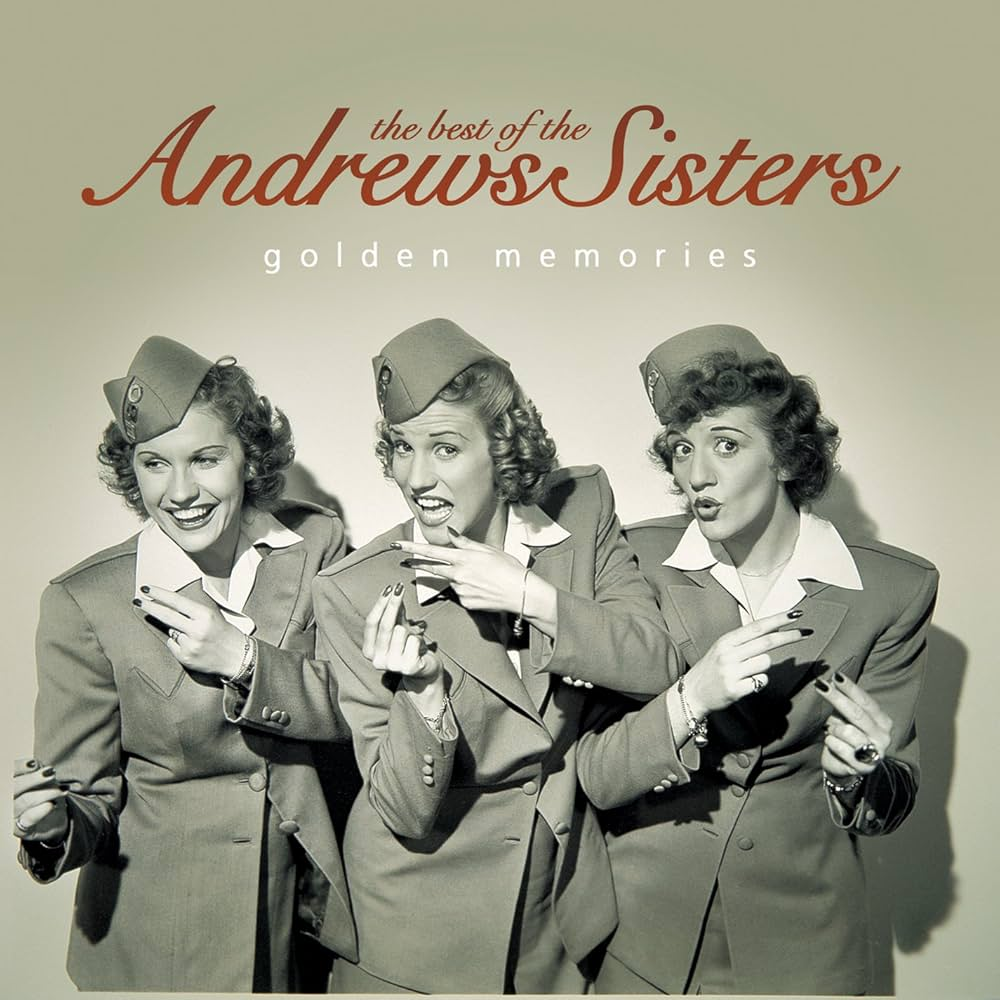
Feeling nostalgic for yesteryear? Serenade Radio is nice, offering older music from the 30s and 40s. Presented by people who love good music, this steers away from ‘chart hits of the 60s’ and instead goes for classic artists like Judy Garland and Perry Como.
This station offers ‘friendly company’ with good music, with nothing to sell, no news nor traffic conditions. When we clicked, the station was playing Shoo-Shoo Baby by The Andrews Sisters!
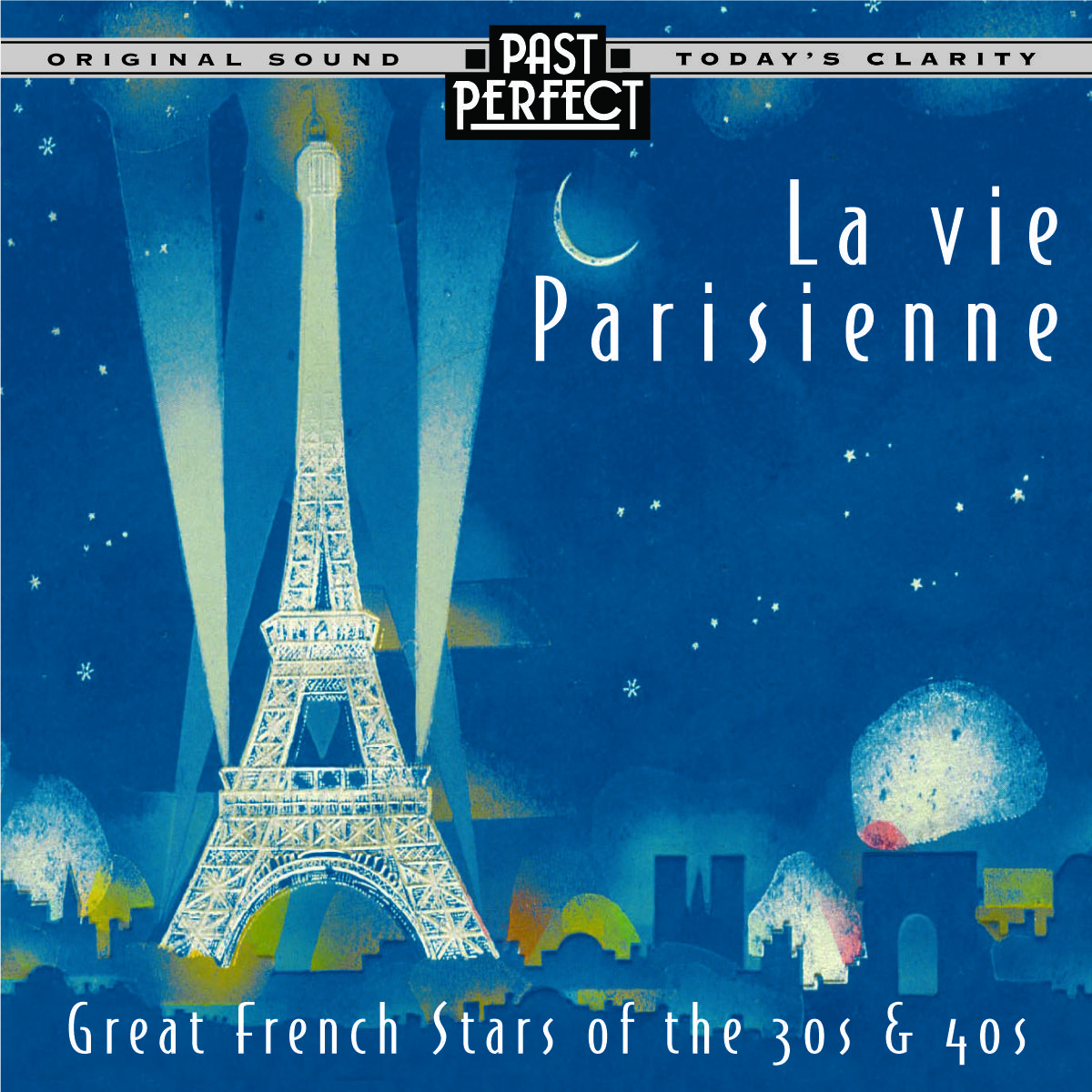
If you like this kind of music, you can buy CD compilations from Past Perfect, which features all the classic artists like Judy Garland, Frank Sinatra and Perry Como. They’ve all been digitally remastered, to enjoy the best of nostalgia, with modern technology. From French ‘chansons’ from the 30s to jazz classics.
It also has its own live radio station (ideal if you like to work while listening to music). When we clicked the play button, the song was a lovely vintage Christmas song.
6am to midday is vintage time with hourly artist profiles, and later on there are jazz shows, showtime songs (Fred Astaire!) and late-night love songs.
Which Village is The Archers Based On?
The Archers has broadcast on BBC Radio 4 since 1951, set in the fictional village of Ambridge. Some people believe this is based on the Worcestershire village of Cutnall Green.
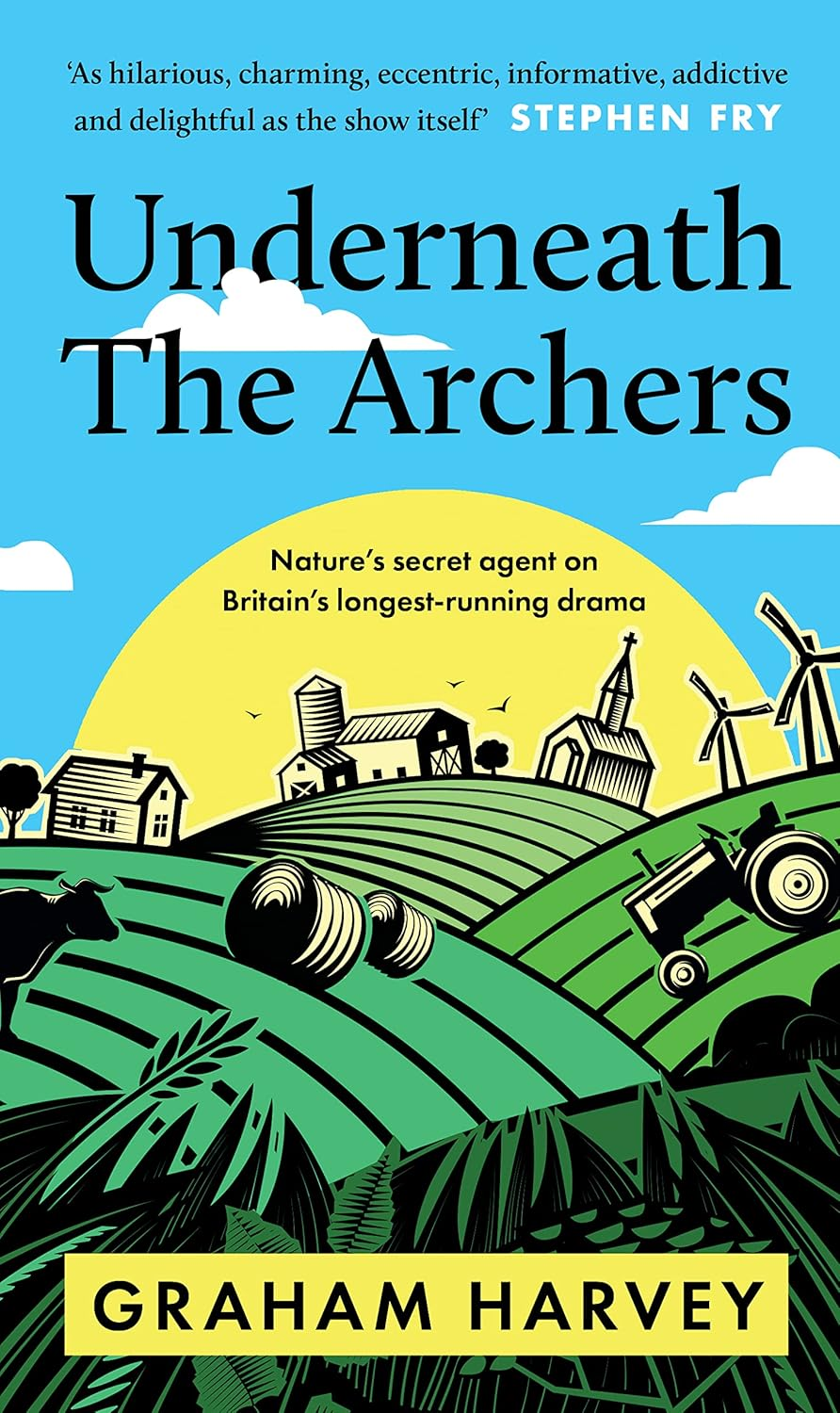
Underneath the Archers is a book by an ecological farmer (who wrote over 600 episodes) asks if new stories of floods, GM crops and loss of family farms could help influence a return from industrial agriculture, back to nature-friendly farming?
The familiar theme tune is called Barwick Green. It’s from a composition by Yorkshire’s Arthur Wood, based on a maypole dance. Scottish comedian Billy Connolly suggested that we should use the tune as our National Anthem!
One of the actors on The Archers, is the man who says ‘Mind the Gap’ on the London Underground.
Putumayo’s World Music Radio Hour
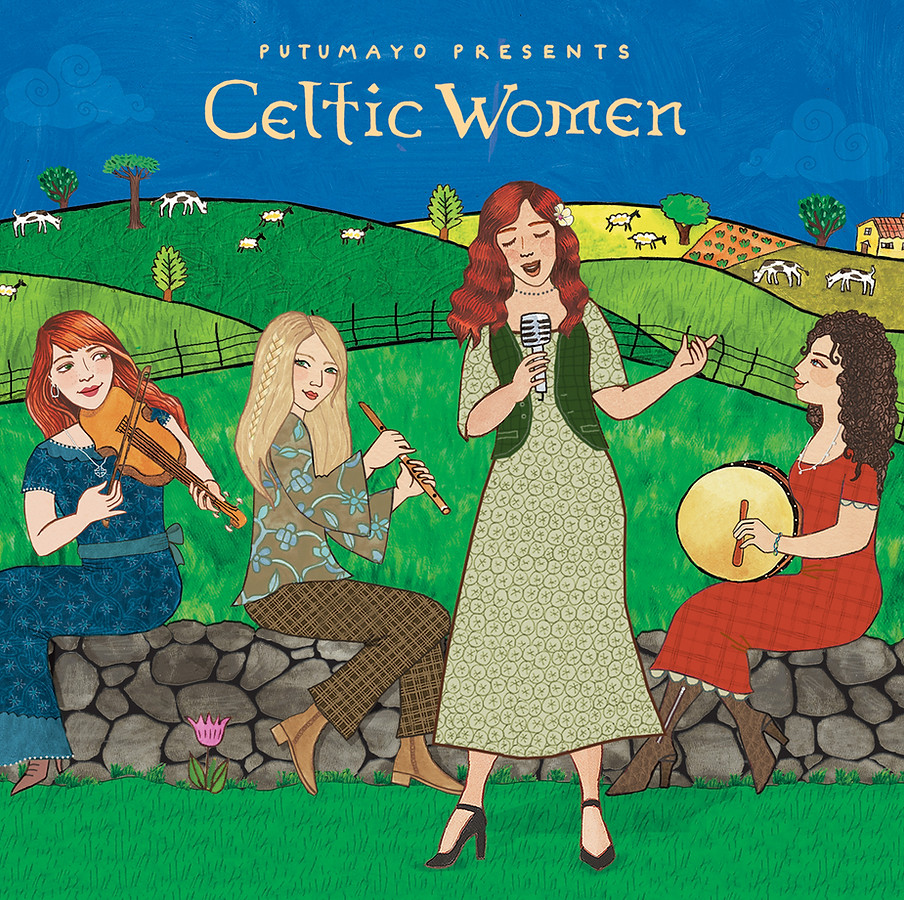
Putumayo’s World Music Radio Hour is from a wonderful record label, syndicating the best artists to take you on a journey of different musical cultures.
Once you’ve heard Putumayo music, you likely won’t want to listen to much else! It’s available on 100 commercial and non-commercial stations worldwide.
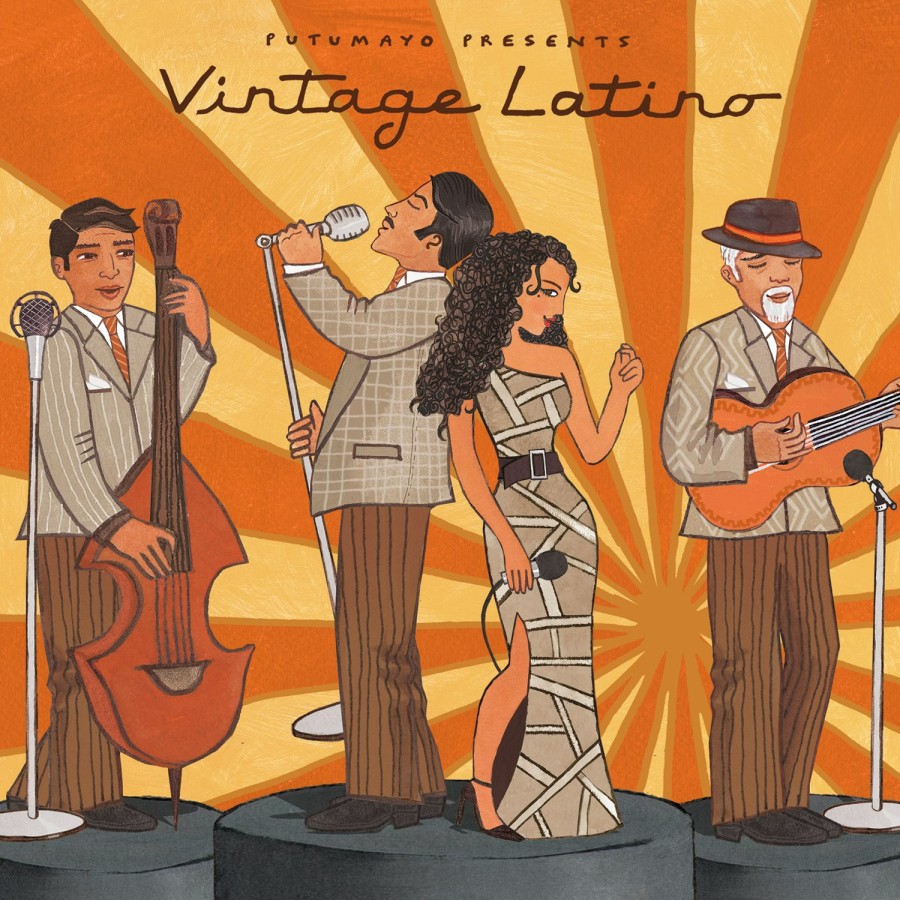
All of this music is made by people who would still be playing music, if they were not earning a living from it. Most are skilled singers and musicians, not bands put together for reality TV shows. Many have used their music to get through hard times, or help to create change in the world.
Playing for Change is an organisation that links up talented world musicians across the planet, for virtual concerts to connect the world through music. These videos are seriously good.
If you don’t love and share them, there may be something seriously wrong with you – it may require a visit to the music doctor!
Why Argentinians Prefer Radio to TV

Unlike England (increasingly a bunch of TV and celebrity addicts), Argentina (along with Chile, the world’s most southerly country, known for its football), has a nation that does not gawp at reality programs all day. This musical nation (where the Tango dance was invented), prefers to listen to the radio.
Argentina is one of the most biodiverse nations on earth. It’s home to 400 mammals (including wild giant anteaters, 1000 bird species and 9000 species of plants).
Back in 1920 in Buenos Aires, a group named ‘Los locos de la azotea’ staged one of the first live radio broadcasts from the Teatro Coliseo. From opera to Latin music, within years radio had become a hugely popular medium in Argentina.
Evenings would mean that chairs were pulled up close to a wooden set, while mothers cooked and fathers turned the dial. Radio also helped to make the national dance of tango popular. In Argentina, people don’t just watch Strictly Come Dancing. They turn the TV off, put the radio on and dance the tango themselves!
The main cities are also gridlocked with traffic, so drivers and taxi drivers often have the news on, to know of any traffic jams. It’s estimated that around 70% of Argentinians listen to radio, while on the move.
Everyone gets involved. You don’t have non-stop music programs. A morning radio program is about like our mid-morning TV. You may get a band play a song, then an interview with a politician, then a recipe, then a quick weather forecast.
What was the Falklands War About?
Many of us are only really familiar with Argentina, due to the war with the Falkland Islands, when Margaret Thatcher was Prime Minister. The islands (8000 miles from England) are an overseas territory, with most residents having Scottish, Welsh, Scandinavian or South American heritage.
On the one hand, they are filled with wildlife (lots of penguins) and free from supermarkets and fast food chains. But of course war affects all species, and local sea lions, elephant seals and albatross birds no doubt suffered from all the ships, planes and missiles.
The war also cost over 900 human lives. Three casualties were Susan, Doreen and Mary (30, 36 and 81). They were all staying with friend John, who had built an air raid shelter from tea chests, and covered them with mattresses.
The ‘misguided missile attack’ from the Royal Navy led to all three being killed. Doreen died in the arms of John’s wife, the shrapnel had passed through her spinal column.
Most people remember Simon Weston, the soldier who suffered severe scarring from burns during the Falklands War. When the fuel ignited on the ship he was on. He now runs a holiday company, specialising in accessibility issues.
Which Village is The Archers Based On?
The Archers has broadcast on BBC Radio 4 since 1951, set in the fictional village of Ambridge. Some people believe this is based on the Worcestershire village of Cutnall Green.
Underneath the Archers is a book by an ecological farmer (who wrote over 600 episodes) asks if new stories of floods, GM crops and loss of family farms could help influence a return from industrial agriculture, back to nature-friendly farming?
The familiar theme tune is called Barwick Green. It’s from a composition by Yorkshire’s Arthur Wood, based on a maypole dance. Scottish comedian Billy Connolly suggested that we should use the tune as our National Anthem!
One of the actors on The Archers, is the man who says ‘Mind the Gap’ on the London Underground.
The Shipping Forecast: England’s Bedtime Lullaby
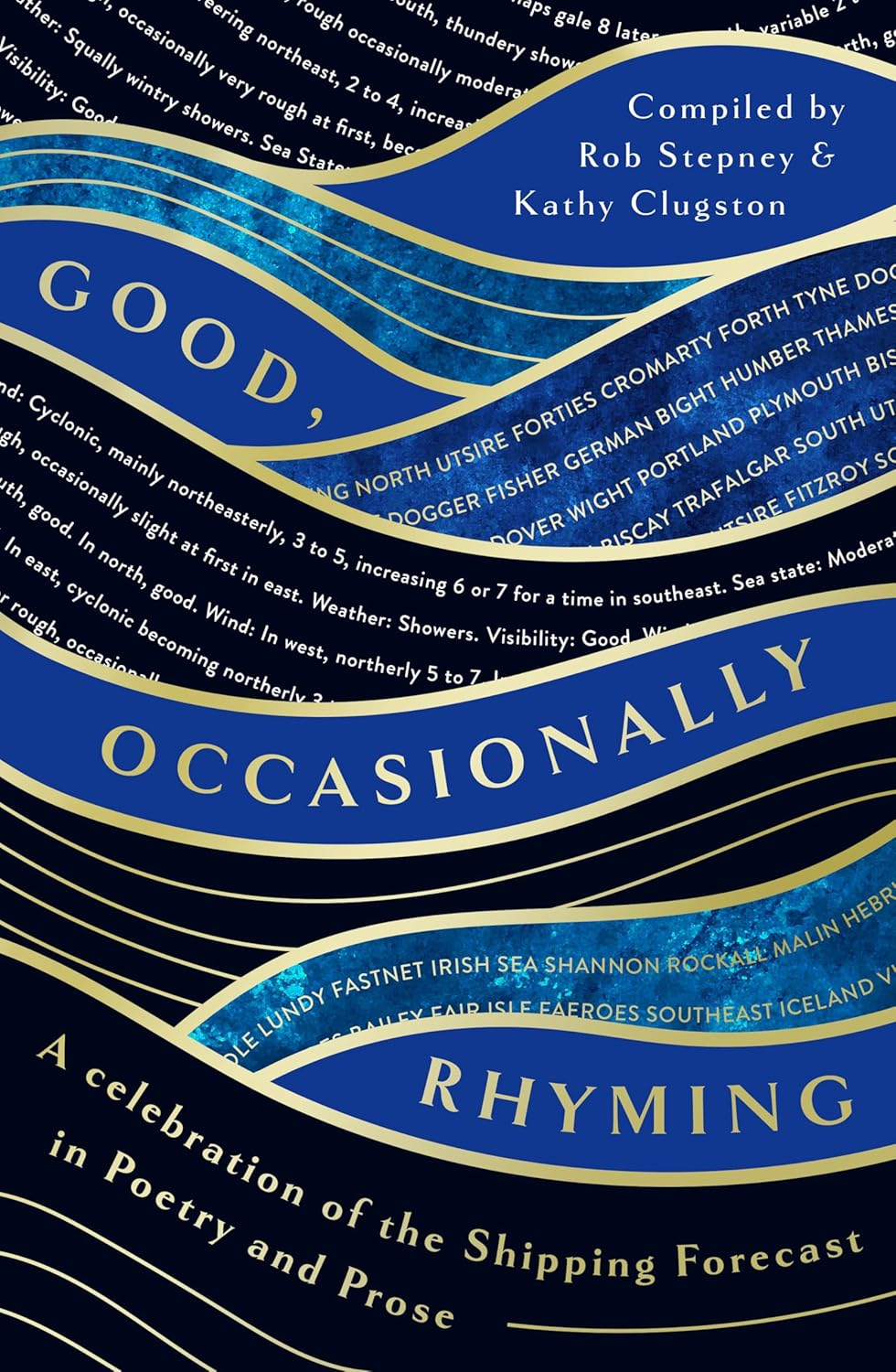
Good, Occasionally Rhyming is a selection of poetry and writing about the Shipping Forecast, to celebrate the 100th anniversary of the first BBC broadcast.
And now, the Shipping Forecast issued by the Met Office
Often described as the nation’s bedtime lullaby, the Shipping Forecast has long been a favourite listen in homes on chilly evenings, even if you’re nowhere near the sea and don’t sail a boat.
The precise reading of marine weather around the British Isles has often been forgotten, by those who instead value the gentle rhythm and curious wording as a charming way to induce relaxation and sleep.
The 31 areas take us on a virtual voyage that starts with the Shetland Isles and Norway, zig-zags down the North Sea, scoots west along the English Channel, sails by the coast of France, Spain and Portugal, via both sides of Ireland, up to the west coast of Scotland and even as far as Iceland.
Forties, Dogger, German Bight, Humber, Thames, Dover, Wight. These words speak to us like a spell, nonsensical in their substance, but enchanting in their delivery.
Since it first broadcast in 1925, the Shipping Forecast has captured the nation’s heart. This is a love letter from Britain’s literary landscape, to this iconic radio broadcast.
That’s the end of this shipping bulletin.
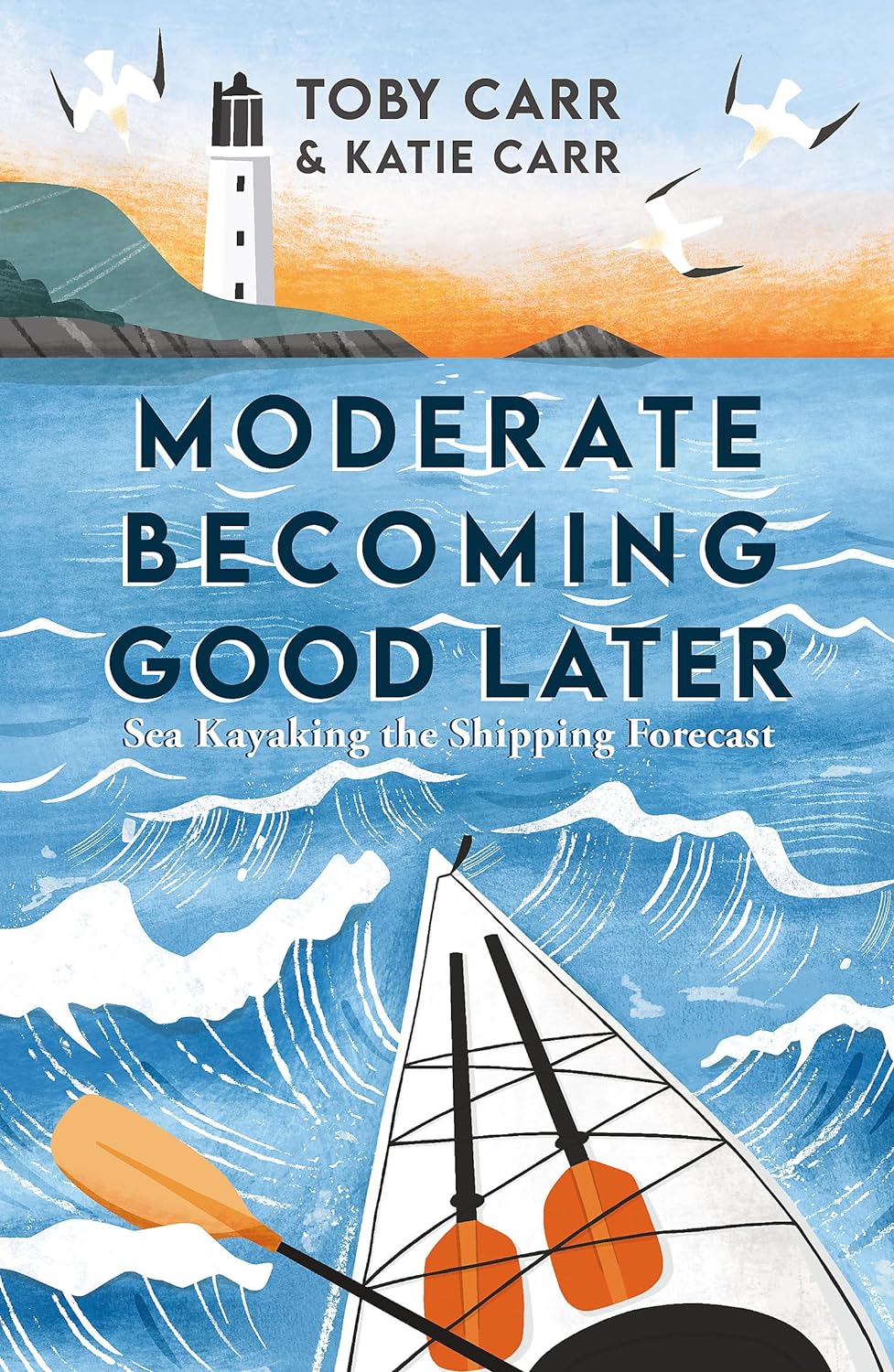
Moderate Becoming Good Later is a deeply moving story about one man who attempts to sea kayak the areas of the BBC Shipping Forecast, familiar to anyone who grew up listening to BBC Radio 4.
Often described as the national lullaby, the shipping forecast is a source of dependability and calm in an often chaotic world.
And has charmed millions of listeners, and aided generations of seafarers across the decades:
Moderate or rough, occasionally very rough in west. Weather. Rain or showers, perhaps becoming thundery. Visibility: good, occasionally poor. Fair Isle..
No stranger to weathering a storm (after living with a rare life-limiting medical condition, architect, lecturer and kayaker Toby sets out to explore the areas of the Forecast.
Taking him to the both tranquil and harsh teas, he finds the real people, places and stories behind the familiar names and imagined environments: and along the way discovers what anchors us to each other.
The book is written by Toby’s sister from his extensive notes and recordings, after his untimely death from liver cancer age just 40.
This is both an epic (sometimes choppy) adventure with old friends and new, plenty of wildlife and the ever-present sea.
What a special book. A manifesto for living, loving and laughing, whatever life’s storms and forecasts bring.
A guide for us all, whether we are embarking on voyages of our choosing, or dealing with waves and storms dealt us. Sarah Outen
Katie Annice Carr is an artist and university lecturer. After the death of her brother, she decided to finish telling his story that he so clearly wanted to share after finding extensive notes of his trip.
She lives in Barcelona, Spain.
The History of the BBC Shipping Forecast
The Shipping Forecast provides vital weather info for 31 sea areas surrounding the British Isles. Including wind speed and direction, visibility, atmospheric pressure and sea state. A valuable toolkit for sailors.
First aired in 1861, it was conceived by Robert FitzRoy, the founding force of modern meteorology. Today, satellites, buoys, and weather stations all play a part in collecting this information. It airs four times daily, and is also now accessible online and with apps.