Plant-Based Honey Alternatives (good choices)

Bees make honey to store for themselves in winter, when they cannot forage for nectar from flowers.
When honey is taken from a bee colony for big commercial industry, it’s replaced with sugar water that can weaken the immunity of bees, making them more prone to disease (more bees now die in the US than any other species, due to the ways crops are grown, which is why it’s important to choose sustainably-grown almonds and avocados.
Avoid feeding real honey to babies or pets, due to risk of botulism. Keep these honey alternatives away from young children and pets, as they are too sweet and may contain unsafe ingredients. For alternatives in plastic packaging, you can now recycle at kerbside or supermarket bag bins.
Big business also often uses leaf blowers and gases to smoke or kill bees, to retrieve the honey for sale.
Only 10 of the world’s 20,000 bees produce honey, leading to excessive breeding for industry, which is harming native species.
Agave syrup (related to cactus)

Agave syrup is derived from the sap of the agave plant, primarily found in Mexico. Known for its mild flavour, it serves as an excellent honey substitute, particularly in beverages and desserts.
Agave syrup’s low glycemic index makes it a favourable choice for those monitoring their blood sugar levels. The Groovy Food Co offers good agave syrups in several flavours including traditional honey flavour, caramel and chocolate orange.
Maple syrup (from Canada)
Maple syrup, tapped from the sap of maple trees, is celebrated for its rich flavour and amber hue. It is a popular alternative to honey, not only for its taste but also for its nutritional benefits. Maple syrup contains essential minerals like manganese and zinc, offering a healthier option for sweetening dishes.
Date syrup (full of calcium)

Date syrup, made by boiling dates until a thick syrup is formed, is naturally sweet and packed with nutrients. Its rich flavour makes it suitable for drizzling over pancakes or adding to baked goods. Date syrup’s natural composition makes it a wholesome alternative to traditional sweeteners.
Coconut nectar
Coconut nectar, tapped from the flower buds of coconut trees, brings a unique taste to the table. It is less processed than many other sweeteners, retaining its nutritional profile. Coconut nectar can replace honey in numerous dishes, offering a subtle sweetness with a hint of coconut flavour.
Bee-Free honey!
Sweet Freedom Honee is ideal for drinking or drizzling, made from fruit. It’s also ideal for drizzling on porridge and pancakes.
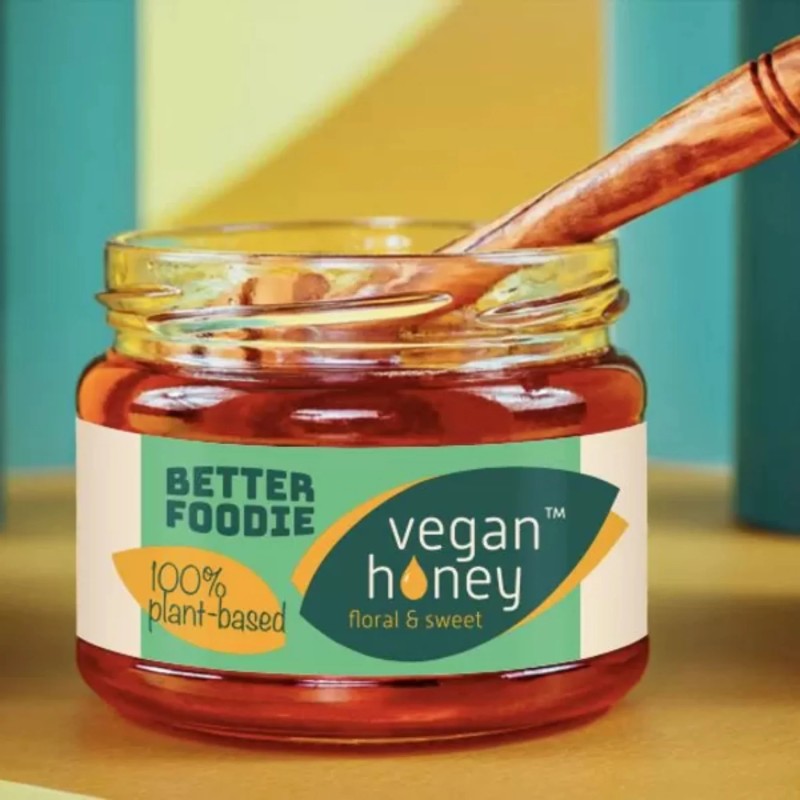
Better Foodie Vegan H*ney is the world’s first vegan honey (from Austria) with the taste and nutritional profile of conventional honey. It also sets like real honey too.
Use as a marinade for roasted parsnips and carrots or drizzle over bakes and cakes, also nice in Earl Grey tea. Available wholesale.
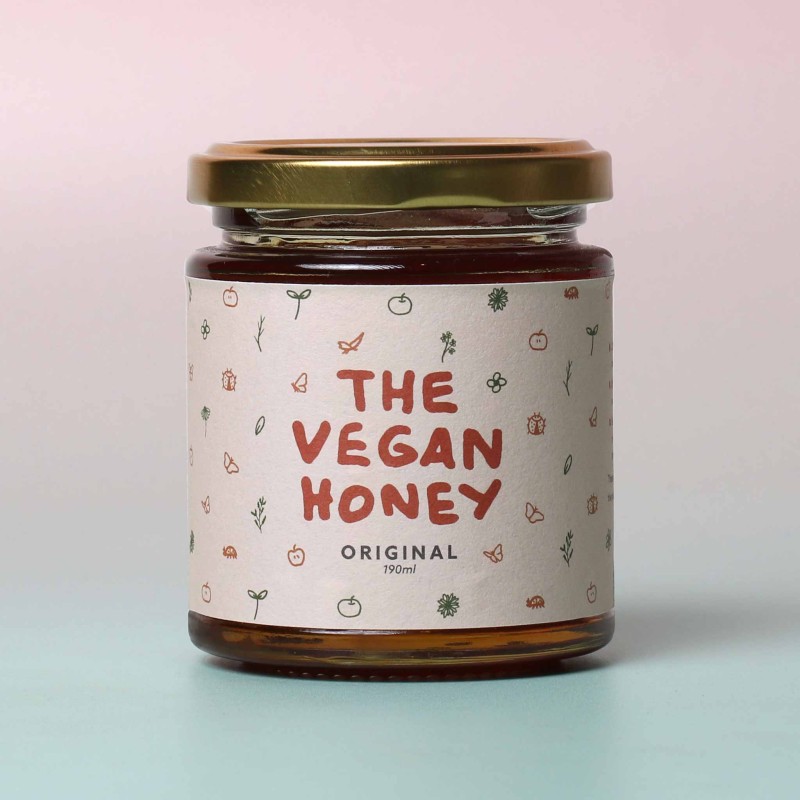
The Vegan Honey is a little artisan brand made from fruit sugar, apple and lemon juice, flowers and filtered water. Sold in a glass jar.
Homemade dandelion honey
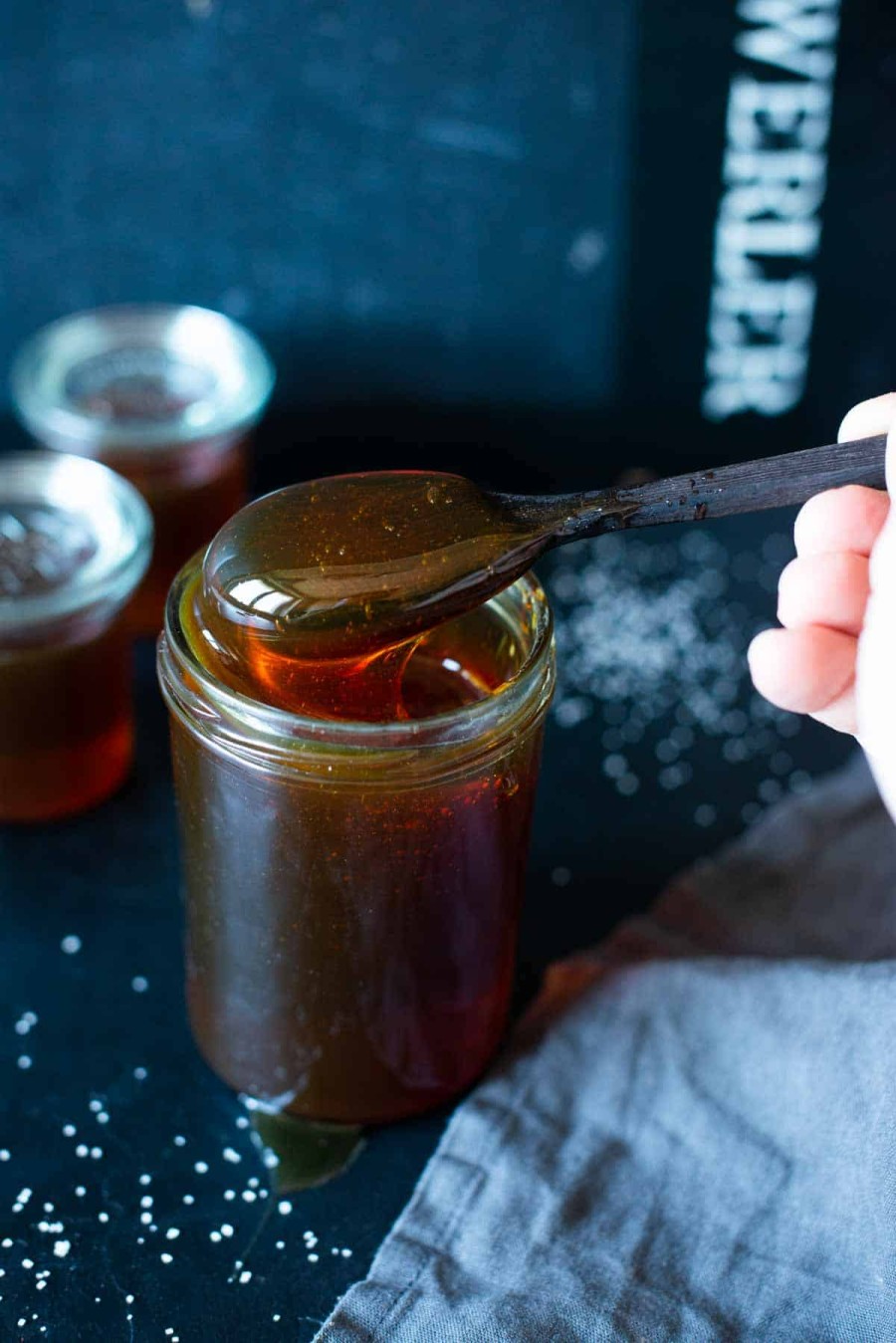
Dandelion Honey (Carlo Cao) was made years ago as a way for poor families to make an alternative. You need water, lemon and sugar (nothing else or substitutions). And of course dandelions (make sure they’re free from dog pee!)